 Activity on TourBookGo
Hiroshima history walking tour with a local guide and hidden gems
Book a Hiroshima history walking tour with a local guide: 3 hours exploring Peace Memorial Park, major memorials and lesser-known sites. From €49.
What makes Hiroshima special is its ability to move you, invite reflection, and then surprise you. Alongside its memorials stands a green city crossed by rivers, where streetcars, local food, and everyday life challenge the image of destruction many travelers bring with them.
Understanding what makes Hiroshima special also explains why the city is worth visiting, although not for the usual reasons. It is not the Japanese city with the most dazzling temples, the liveliest nightlife, or a photo opportunity on every corner. Its power lies elsewhere: in its ability to confront one of history’s darkest chapters without remaining trapped by it. Hiroshima moves you, unsettles you, and then surprises you. Alongside its memorials stands a green city crisscrossed by rivers, where streetcars move slowly down broad avenues, Hiroshima-style okonomiyaki sizzles on iron griddles, and everyday life challenges the image of destruction that many travelers bring with them.
Compare locations and options to find a base that suits your trip. Booking.com confirms current availability and pricing.
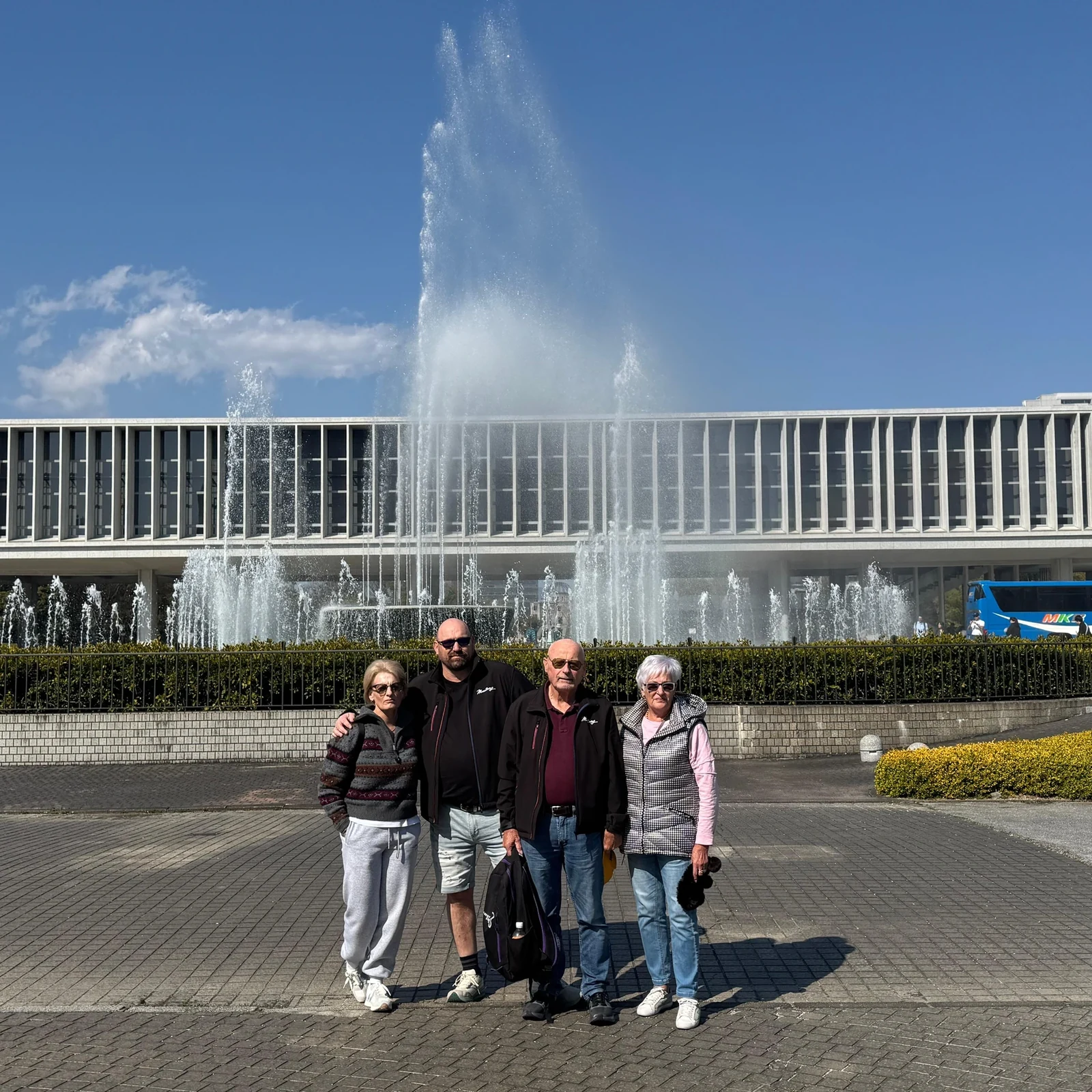
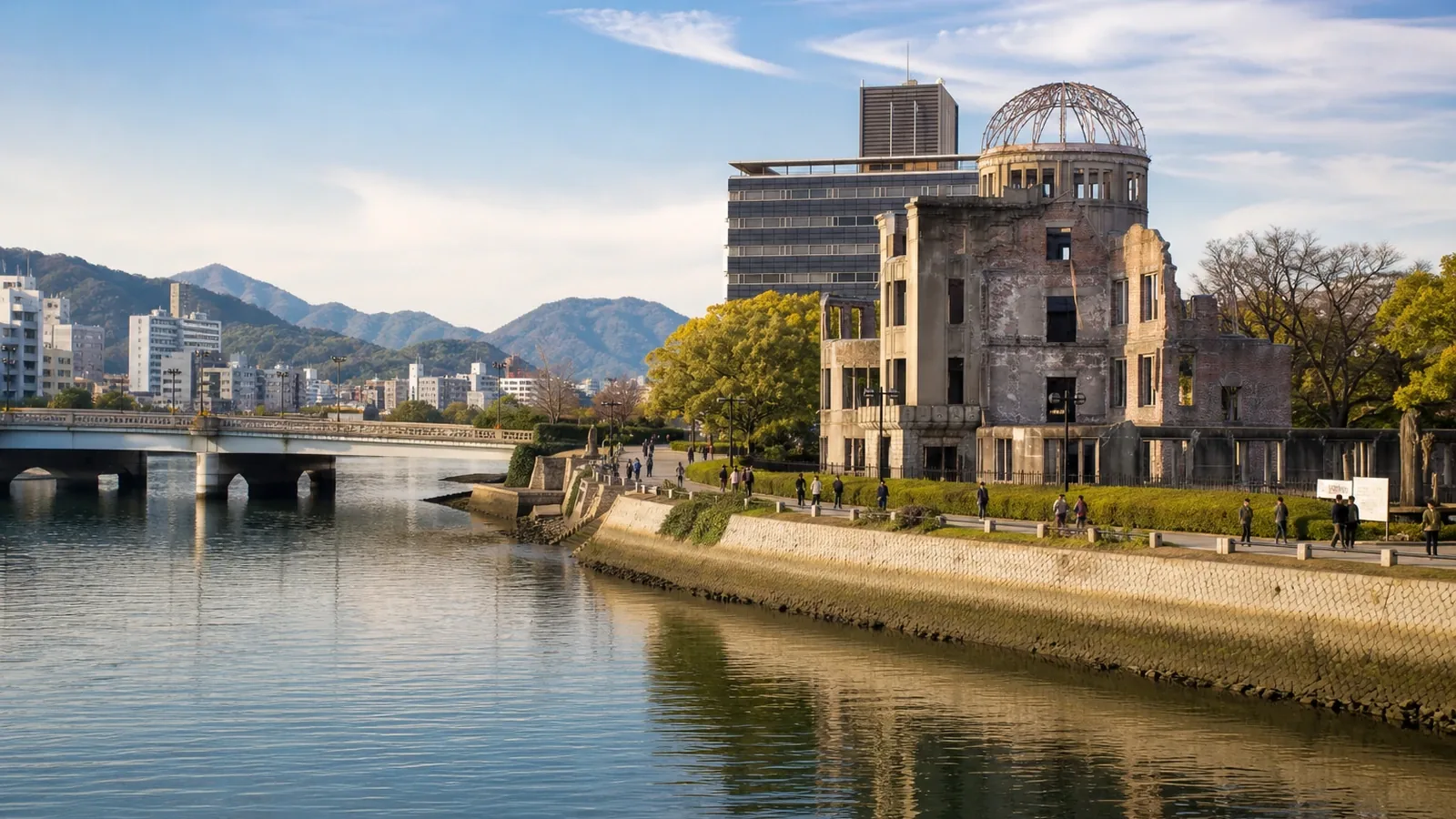
Find accommodation on BookingThe emotional heart of any visit is Hiroshima Peace Memorial Park. Within a relatively compact area are the Atomic Bomb Dome, the Cenotaph, the Hiroshima Peace Memorial Museum, and several other sites dedicated to the victims and to reflection on nuclear weapons. This is not a monumental complex designed to impress, but a landscape of silence in the middle of a living city.
The Hiroshima Peace Memorial Museum can be difficult to visit. Photographs, personal belongings, and testimonies restore a human dimension to a tragedy that is often explained through dates and statistics. It is best explored without rushing, with some time afterward to walk along the river or sit beneath the park’s trees. The official tourism guide itself acknowledges that the experience can be emotionally exhausting and presents the city’s green spaces as places to regain a sense of calm.
But reducing Hiroshima to 1945 would mean understanding only part of its identity. The city has created routes connecting surviving buildings, sites associated with reconstruction, museums, art, and contemporary neighborhoods. Its story does not end with destruction: it continues in the way Hiroshima rebuilt itself and turned remembrance into an ongoing conversation about peace.
Hiroshima is comfortably sized. The center is easy to explore on foot and by streetcar, while the rivers soften the urban landscape. After several days among the crowds of Tokyo, Kyoto, or Osaka, its pace can feel more human.
It does not have Kyoto’s immediate beauty or Tokyo’s relentless energy. Some neighborhoods are functional, with modern buildings and wide avenues that may seem unremarkable. Anyone looking for an intact historic city may be disappointed.
Its appeal reveals itself gradually: in Shukkeien Garden, along riverside walks, at small food counters, and in the easy coexistence of students, office workers, and visitors. Hiroshima does not need to turn every street into a tourist attraction, and that is precisely why it retains such an appealing sense of everyday life.
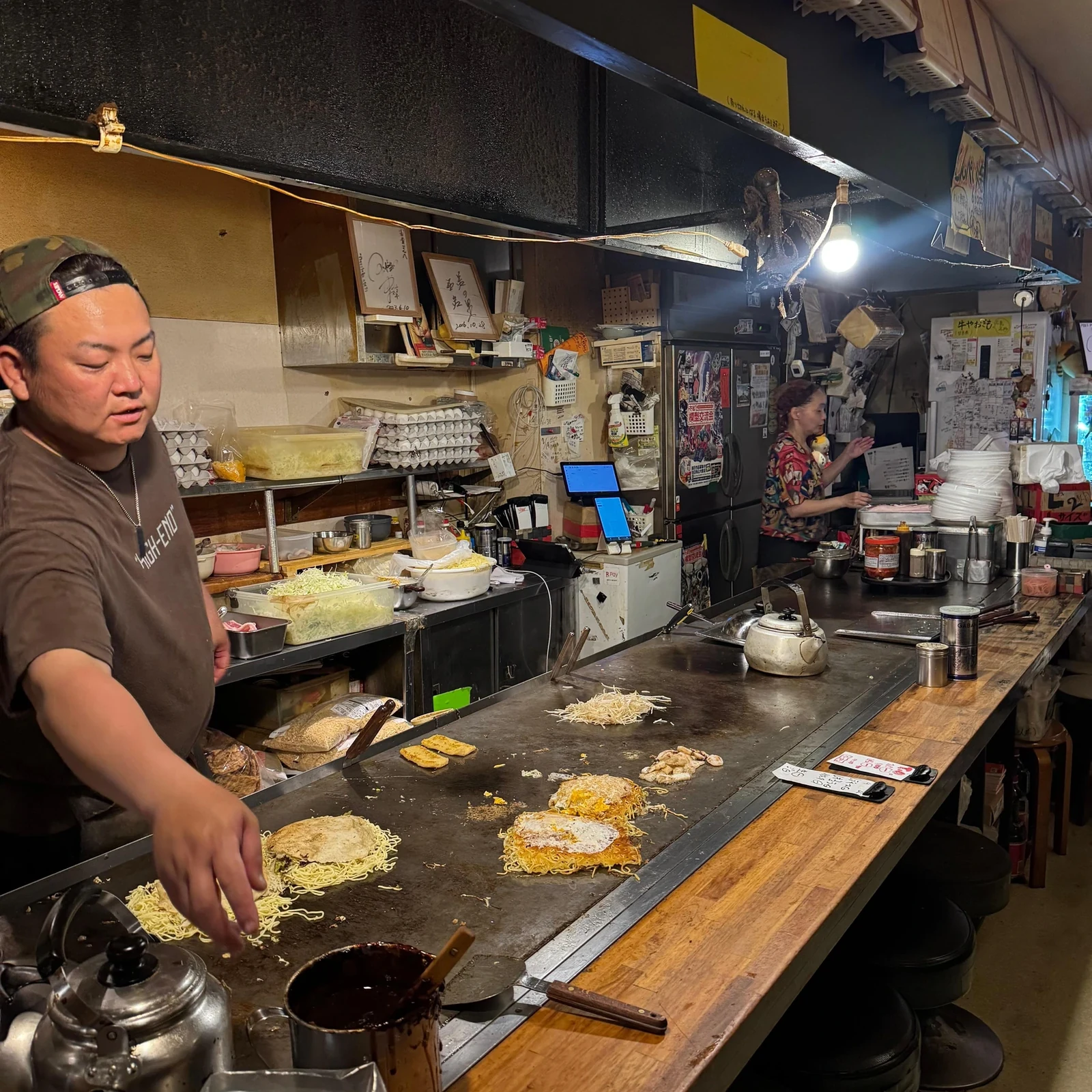
The best-known local dish is Hiroshima-style okonomiyaki, prepared in layers with batter, cabbage, meat, egg, and noodles. Eating it in front of the griddle is part of the experience: steam, sweet sauce, metal spatulas, and cooks working with almost choreographed precision.
The region is also known for its oysters and produce from the Seto Inland Sea. On Miyajima, grilled oysters and anago rice—made with a fish similar to eel—are common. The official tourism website lists both okonomiyaki and oysters among the area’s essential flavors.
Food, however, does not make Hiroshima a cheap destination. It is possible to eat well without choosing upscale restaurants, but long-distance transportation, accommodation, and excursions can raise the overall cost. The biggest expense usually depends on how the city fits into your wider Japan itinerary.
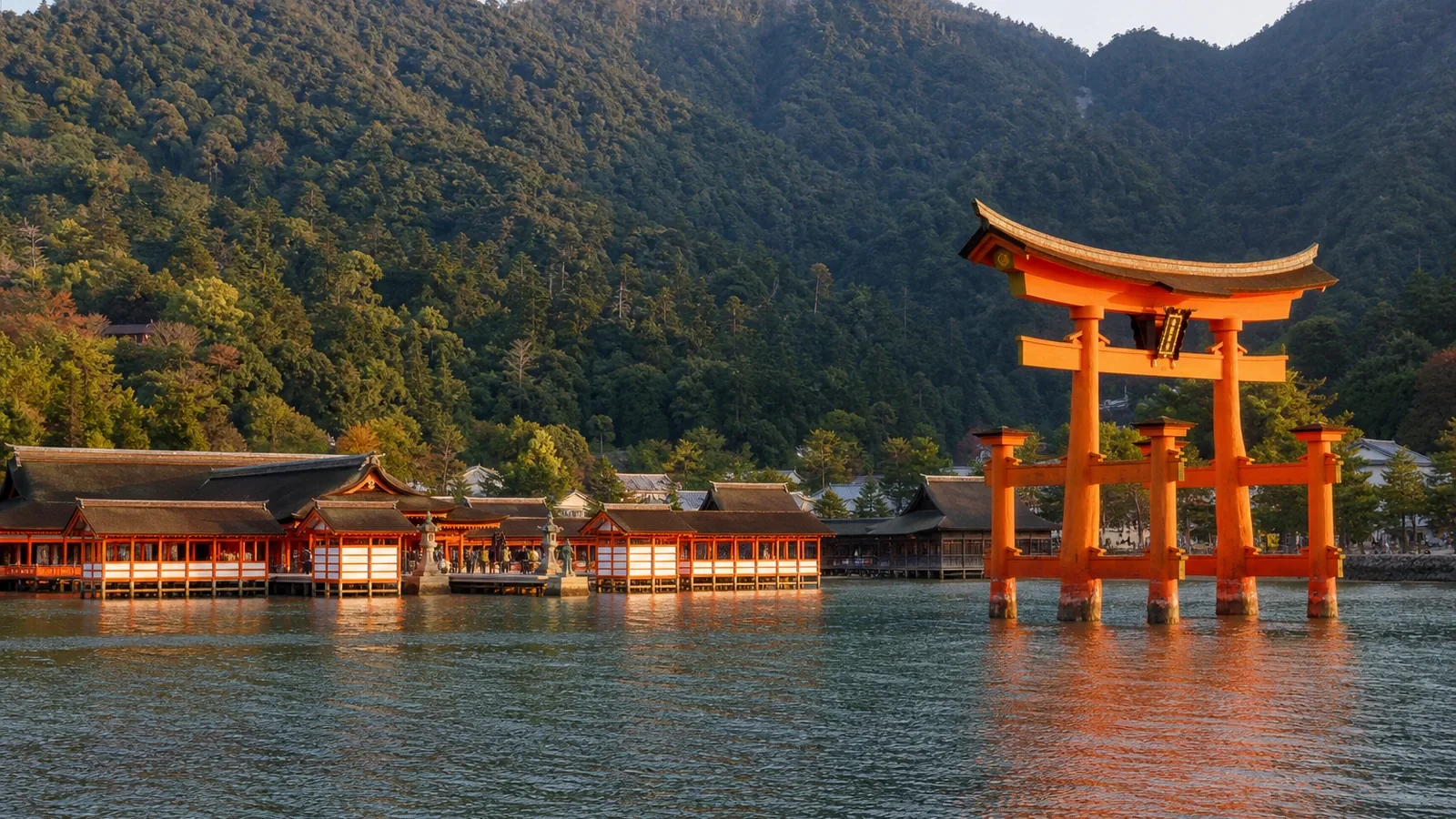
One of the main reasons to stay for more than a few hours is Miyajima, the island known for Itsukushima Shrine and its large vermilion torii gate. At high tide, the shrine appears to float; at low tide, the landscape changes and visitors can walk out toward the gate.
Most visitors stay around the shrine and the shopping street. This area can become very crowded, especially in the middle of the day. Simply continue toward Daisho-in Temple, the trails of Mount Misen, or the streets higher up the hillside, and you will find a much quieter island. Miyajima’s official website highlights its temples, mountain trails, forests, and viewpoints—not only the iconic torii gate.
It is possible to visit Peace Memorial Park and take a Hiroshima to Miyajima day trip on the same day; the official tourism office even suggests an itinerary combining both. However, it will be a long and fairly tightly scheduled day.
One day: enough to explore Peace Memorial Park, visit the museum, see the Atomic Bomb Dome, and try okonomiyaki. It works well as a stop between Osaka and other destinations in western Japan.
The drawback is that the experience may feel too compressed. After visiting the museum, immediately heading to a station or another attraction is not always pleasant.
Two days: this is the most balanced option for seeing Hiroshima and Miyajima. It allows you to devote one day to the city and another to the island without turning the visit into a race. It also leaves time for Shukkeien Garden, a walk along the rivers, or a relaxed dinner.
Three days or more: this makes sense for travelers who want to climb Mount Misen, spend a night on Miyajima, explore the Seto Inland Sea coast, or continue to places such as Onomichi. For a classic first trip to Japan, allocating more time is usually unnecessary.
Hiroshima is well suited to travelers interested in history, remembrance, contemporary culture, and cities that cannot be explained through a single image. It is also a good choice for anyone looking to introduce a slower pace into an itinerary dominated by major cities and famous temples.
It may be less suitable for travelers with very limited time who are interested only in traditional scenery, shopping, or entertainment. Nor is it an emotionally light visit. Families with young children will need to decide whether the museum is appropriate for their age and sensitivity.
Travelers who prefer not to confront painful material can explore the park and experience the city without entering every exhibition. Even so, visiting Hiroshima while completely avoiding its history would leave the experience incomplete.
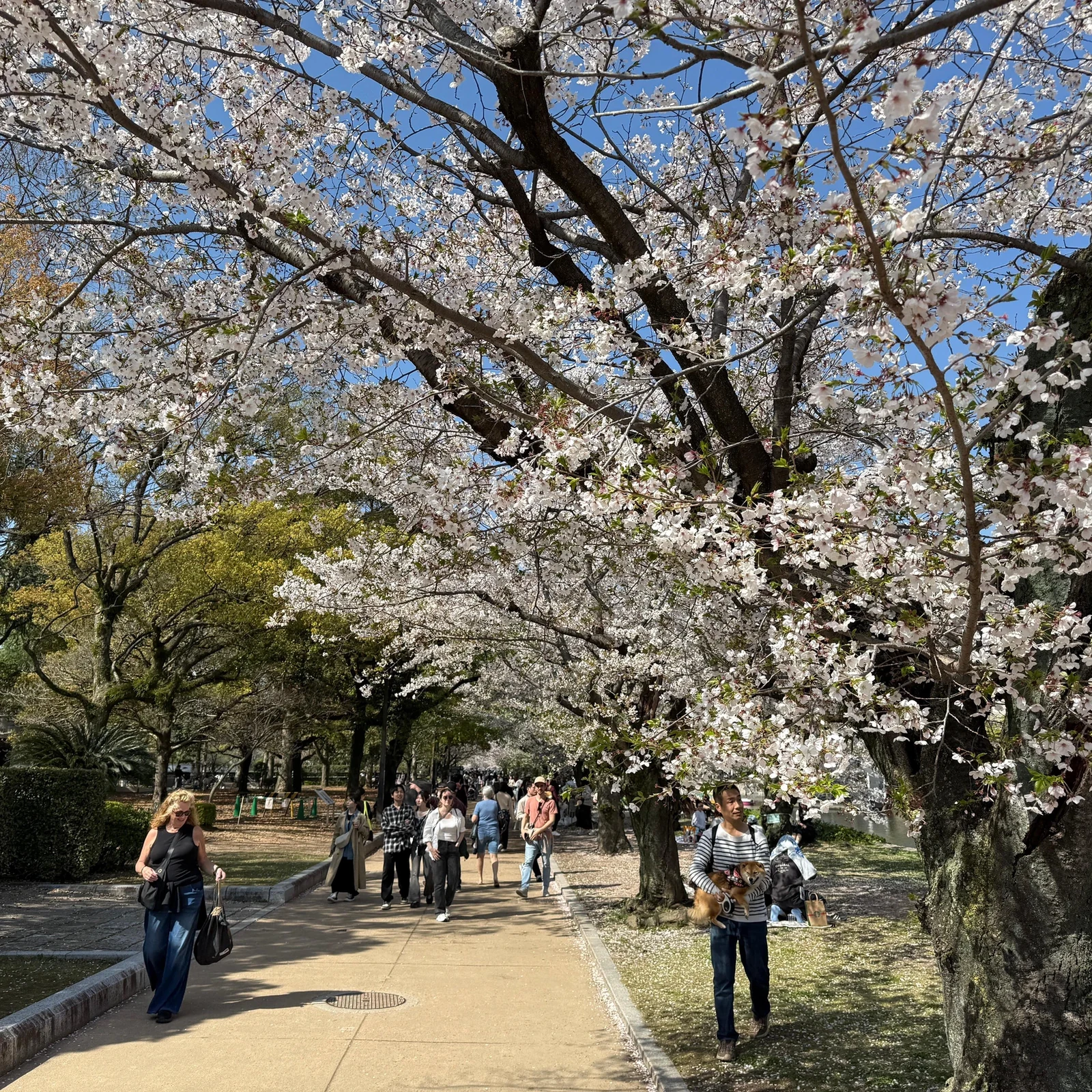
Spring and autumn offer pleasant conditions for walking and combining the city with Miyajima. They are also popular seasons, so the main sights can attract large numbers of visitors.
Summer is hot and humid, with average temperatures reaching their highest levels in July and August. Walking for hours through the park and then traveling to Miyajima can be exhausting.
Winter brings shorter days and cold nights, but also a more peaceful atmosphere. For those who value reflection more than floral scenery, it can be a good choice.
August 6 has special significance because of the memorial ceremony. Traveling at that time requires respect: this is not a tourist spectacle, but a day of mourning, remembrance, and commitment to peace.
A visit to Hiroshima can leave behind a sense of sadness that is difficult to reconcile with a vacation. Miyajima, meanwhile, loses some of its delicacy when the streets near the shrine are packed with tour groups and shops.
It is also a mistake to arrive expecting the entire city to preserve prewar buildings. Much of the urban landscape is modern and practical. Its beauty is not always obvious or monumental.
Another common mistake is rushing through the museum, following it immediately with Miyajima, and returning to another city that same evening. It may look efficient on a map, but emotionally it can become an overwhelming day.
Hiroshima is worth visiting for anyone willing to look beyond Japan’s most picturesque images.
The city does not ask for admiration, but for attention. Its greatest value lies not only in preserving the traces of a tragedy, but also in showing how a community can rebuild without erasing its memory. The silence of the park, the streetcars crossing the bridges, the aroma of food cooking on griddles, and the light over the Seto Inland Sea form a story far more complex than that of a city defined by war.
One night is enough to see it. Two nights allow you to understand it better.
It may not be the happiest stop on your journey, but it could become one of the places that stays with you the longest.
Discover selected experiences in Hiroshima to complete this guide with history, local culture, food, Miyajima and well-organised tours.
Activity on TourBookGoBook a Hiroshima history walking tour with a local guide: 3 hours exploring Peace Memorial Park, major memorials and lesser-known sites. From €49.
 Activity on TourBookGo
Join a Hiroshima Peace Memorial Park tour lasting 2 hours, with historical commentary, a group of up to 10 and free cancellation up to 24 hours ahead.
 Activity on TourBookGo
Join a guided bike tour in Hiroshima for 3.5 hours, visiting Peace Memorial Park, Hiroshima Castle and Shukkei-en in a small group of up to 8.