 Activity on TourBookGo
Hiroshima historical walking tour to understand the city beyond its memorials
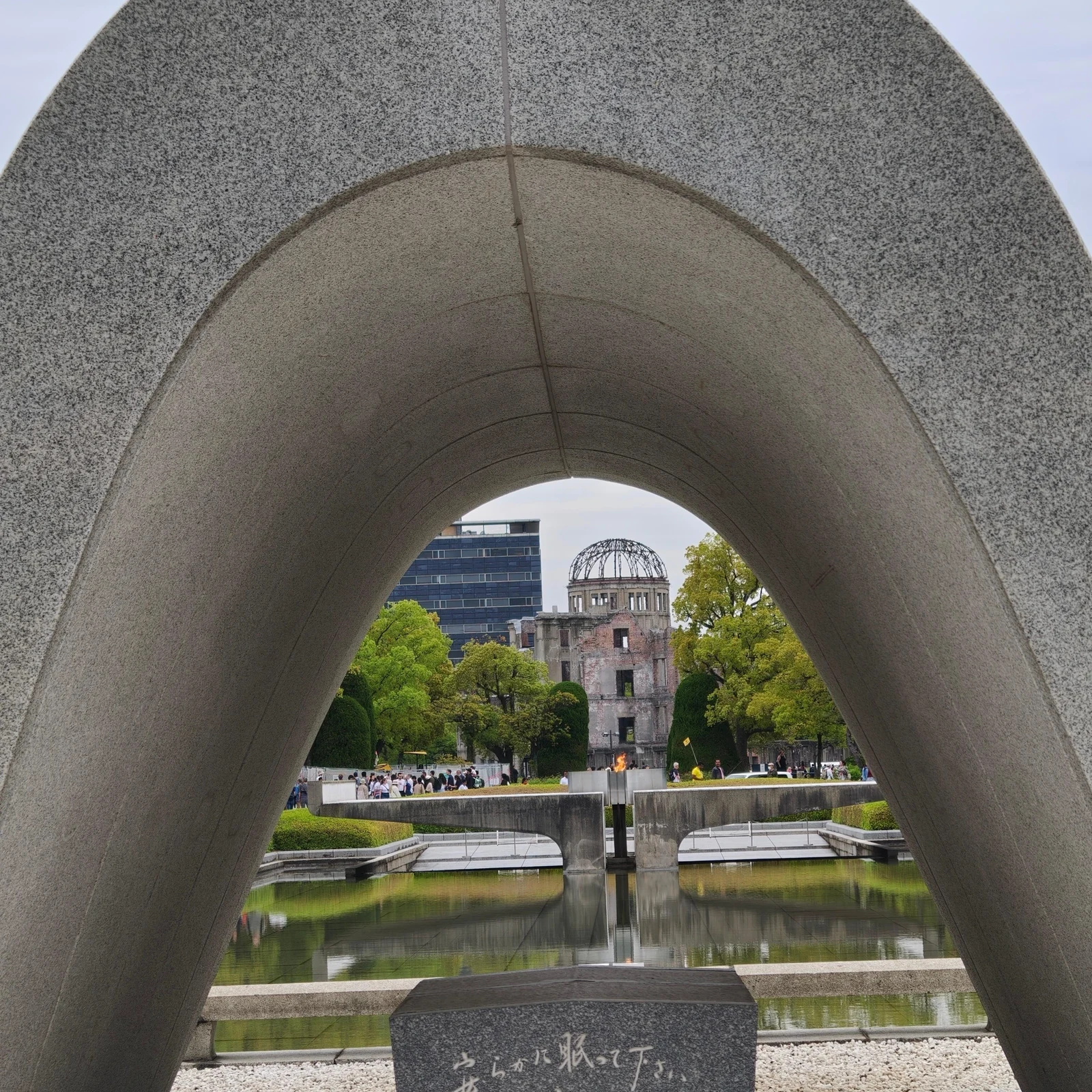
Join a 2.5-hour Hiroshima historical walking tour with a guide, visiting Hiroshima Castle, the Atomic Bomb Dome and Peace Memorial Park.
The best time to visit Hiroshima is when the weather lets you explore its riverbanks, Peace Memorial Park, gardens, and the ferry terminals for Miyajima at an unhurried pace.
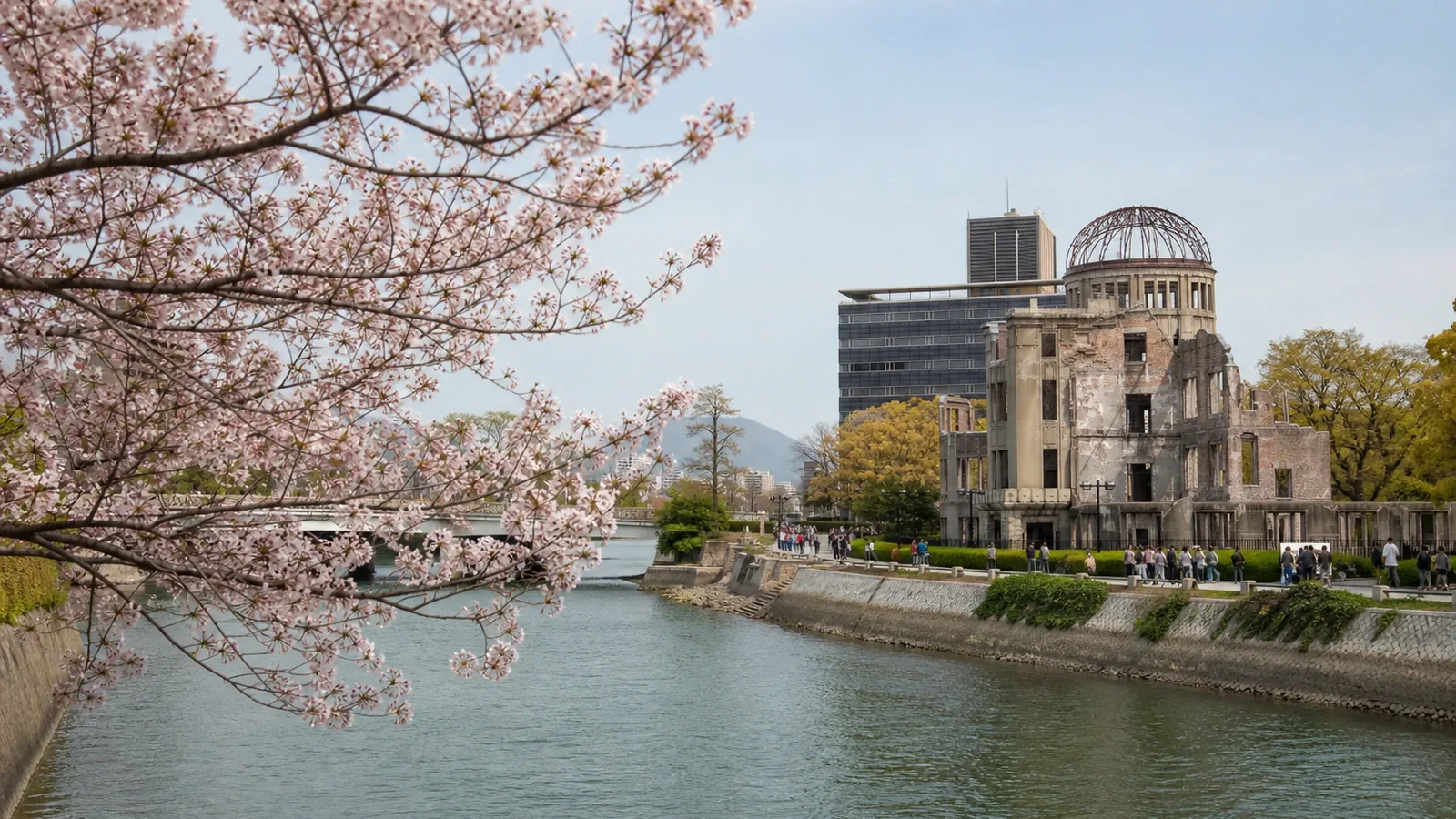
The best time to visit Hiroshima depends on the weather, crowd levels, and the kind of experience you want. The city invites you to stroll beside its rivers, pause in Peace Memorial Park, and continue towards its gardens, shopping districts, or the ferry terminals for Miyajima. Intense heat, persistent rain, or cold weather can significantly change the pace of your visit. For most travellers, spring and autumn are the best seasons to visit Hiroshima. April brings cherry blossoms, pleasant temperatures, and a bright atmosphere, although it also attracts more visitors. October and November usually offer the most comfortable balance: fresh air, lower humidity, and autumn colours that are particularly striking on Miyajima.
Compare locations and options to find a base that suits your trip. Booking.com confirms current availability and pricing.
Find accommodation on BookingAutumn is probably the most balanced season for visiting Hiroshima. In October, daytime temperatures are generally mild, while November is cooler and calls for an extra layer, especially after sunset. Rainfall is usually lower than in early summer.
Travelling to Hiroshima in autumn makes it easier to combine city walks, cultural visits, and a day trip to Miyajima in generally comfortable weather.
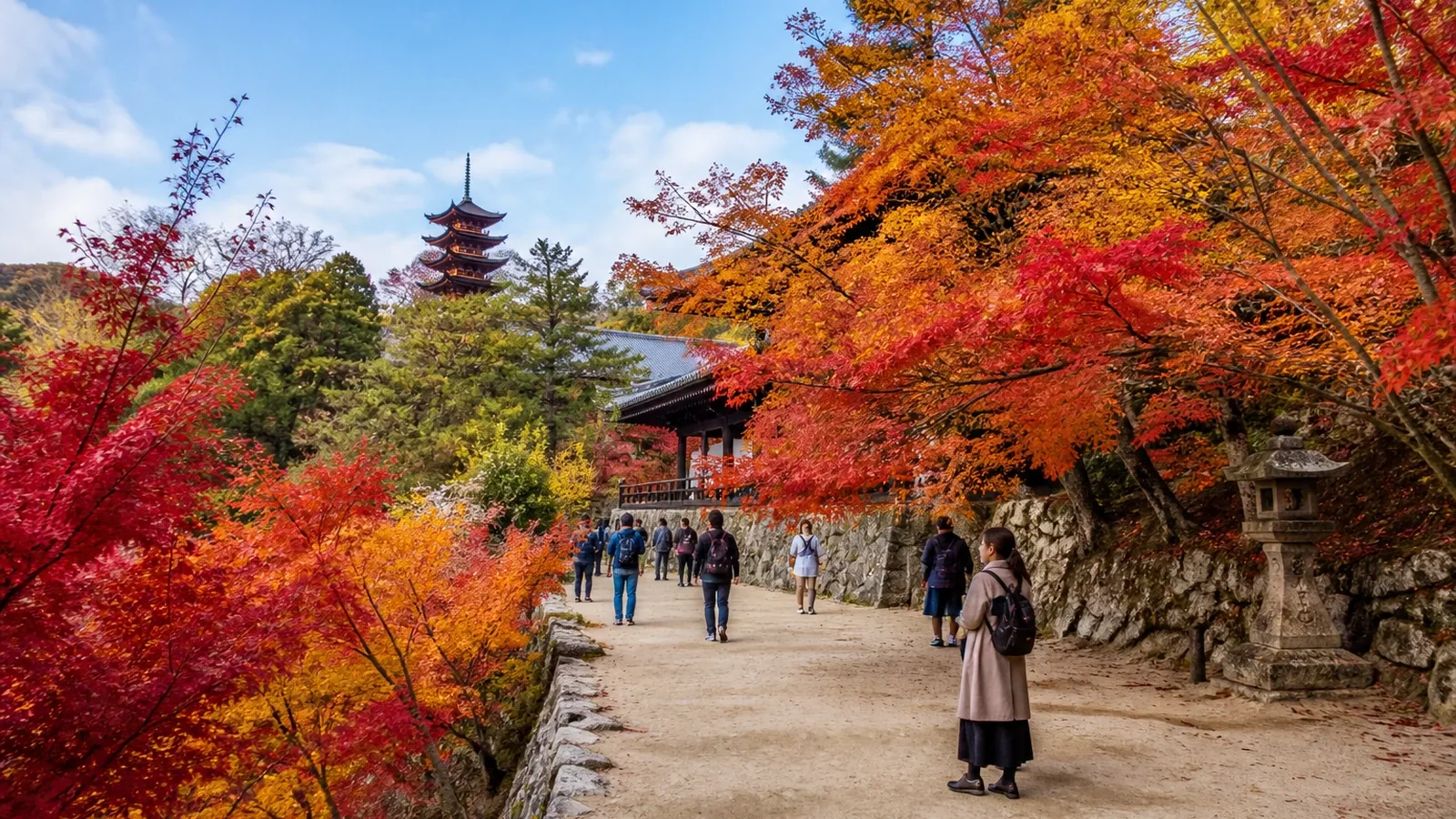
Autumn light also has a distinctive quality. Peace Memorial Park feels quieter, the rivers reflect clear skies, and on Miyajima, the maple leaves begin to turn copper, orange, and red. Walking to Itsukushima Shrine or exploring the island’s trails is far more enjoyable without the intense humidity of summer.
November can draw large crowds to areas famous for their autumn foliage, especially at weekends. It is not a completely quiet season, but it generally feels less overwhelming than cherry blossom season or Japan’s major holiday periods.
Autumn is a good choice if you are looking for comfortable walking conditions, lower humidity, red and orange landscapes, a balanced combination of city sightseeing and day trips, and softer light for photography.
Between late March and early April, Hiroshima takes on a different kind of delicacy. Cherry blossoms soften the riverbanks and surround parts of Peace Memorial Park with pink petals. The scene is beautiful, but also deeply symbolic: the fragility of the flowers set against a city shaped by destruction and reconstruction.
The exact blossom dates vary each year depending on temperatures. Planning a trip solely around peak bloom means accepting a certain degree of uncertainty. Parks, trains, and accommodation can also become more crowded.
April usually brings mild days, while May is warmer and greener. However, Japan’s holiday period from late April to early May can increase demand for transport and accommodation. Booking well in advance is advisable if your trip coincides with these dates.
Spring is particularly rewarding for travellers who value seasonal atmosphere and do not mind sharing the best-known sights with others. For a quiet, spontaneous trip, cherry blossom season can be more demanding than the photographs suggest.
Summer transforms the experience. The rainy season generally lasts from June until mid-July, making it the wettest period of the year. It is followed by high temperatures and humidity that can make even short walks feel exhausting. Average summer highs frequently exceed 30°C, while warm nights offer little relief.
A summer trip to Hiroshima requires adjusted schedules and enough time to rest in air-conditioned indoor spaces.
Start sightseeing early, avoid longer walks around midday, and carry drinking water throughout the day.
July and August bring festivals, seasonal cuisine, and coastal activities, but they require a different pace: start early, rest during the hottest part of the day, and drink water frequently. Walking between Peace Memorial Park, Hiroshima Castle, and Shukkeien Garden can feel considerably longer under the sun.
On August 6, Hiroshima commemorates the atomic bombing with ceremonies and events dedicated to peace. At nightfall, floating lanterns carrying messages and wishes drift down the river. It is a day of profound historical and human significance, not a conventional tourist spectacle. Anyone visiting the city on this date should do so with respect, sensitivity, and a willingness to share a deeply meaningful moment with local residents.
Hiroshima’s official tourism information can help you check ceremony schedules, transport updates, and possible service changes.
Summer is suitable for travellers who cope well with heat and for those wishing to understand Hiroshima’s commemorative dimension. It may disappoint anyone expecting comfortable days of urban exploration.
September retains much of the summer heat and humidity. Temperatures begin to ease, but not always immediately. It is also a month when heavy rain and typhoon-related disruptions may occur.
This does not mean it should be avoided altogether. The first signs of autumn, slightly smaller crowds, and potentially lower prices can make it appealing. However, it is wise to remain flexible when planning boat trips, ferry journeys, and outdoor activities.
From December to February, Hiroshima reveals a more restrained side. Mornings are cold, the trees are bare, and the city receives fewer visitors. Average daytime temperatures are relatively moderate for a Japanese winter, although overnight lows can approach just a few degrees above freezing.
A winter visit to Hiroshima makes it possible to explore cultural sites more slowly and enjoy a less crowded atmosphere.
It is a good time to explore the Peace Memorial Museum at a quieter pace, enjoy hot okonomiyaki, and experience a less touristy side of the city. Miyajima is also evocative in winter: the air is clear, the mountains appear sharply defined, and the trails are less busy.
The drawback is obvious. Days are shorter, the landscape is less colourful, and some seasonal activities lose their appeal. Accommodation may be more affordable outside the New Year holiday period, but winter should not be chosen solely to save money if you are hoping for lush gardens or long afternoons outdoors.
January, February, and part of June generally offer a less crowded experience, although for different reasons. Winter brings cold weather and short days, while June coincides with rain and humidity.
A more balanced alternative is to travel during the second half of May, after the major national holiday period, or in early October. The weather is usually reasonable, and visitor numbers may be more manageable than during peak cherry blossom season or the height of the autumn foliage.
Demand rises particularly during cherry blossom season, the public holidays from late April to early May, some autumn weekends, long weekends and national holidays, and dates associated with major events or ceremonies.
Prices do not depend solely on the season. The day of the week, proximity to Hiroshima Station, and availability on Miyajima also play a role, as accommodation on the island is more limited. Staying in the city and visiting the island as a day trip usually provides greater budget flexibility.
For a first visit: October or November. These months offer good conditions for combining Hiroshima, Miyajima, and a day trip elsewhere in the prefecture without the weather dictating your pace too strongly.
To see the cherry blossoms: late March or early April, bearing in mind that bloom dates vary each year and visitor numbers will be higher.
For budget travel: winter, outside the New Year holiday period, or certain rainy periods in June. The savings may be worthwhile, but the atmosphere will be different.
To understand the city’s memory: around August 6, provided you approach the visit as a commemoration rather than an attraction.
For families or travellers sensitive to heat: it is best to avoid July and August. Late spring and autumn make walking, waiting, and taking day trips much easier.
October is the safest recommendation for most travellers. The heat has usually eased, rainfall is more moderate, and there are still enough daylight hours to explore the city at a relaxed pace.
November is even more beautiful once the autumn colours appear, although Miyajima’s most photogenic areas can become crowded. April offers an unforgettable sight, but requires earlier booking and a willingness to accept larger numbers of visitors.
Hiroshima can be visited throughout the year, but it does not feel the same in every season. In spring, it speaks of renewal; in August, of memory; in autumn, of serenity; and in winter, of an intimacy rarely seen in postcards. Choosing the right date is not simply about finding good weather, but about deciding which version of the city you want to encounter.
Discover selected experiences in Hiroshima to complete this guide with history, local culture, food, Miyajima and well-organised tours.
Activity on TourBookGoJoin a 2.5-hour Hiroshima historical walking tour with a guide, visiting Hiroshima Castle, the Atomic Bomb Dome and Peace Memorial Park.
 Activity on TourBookGo
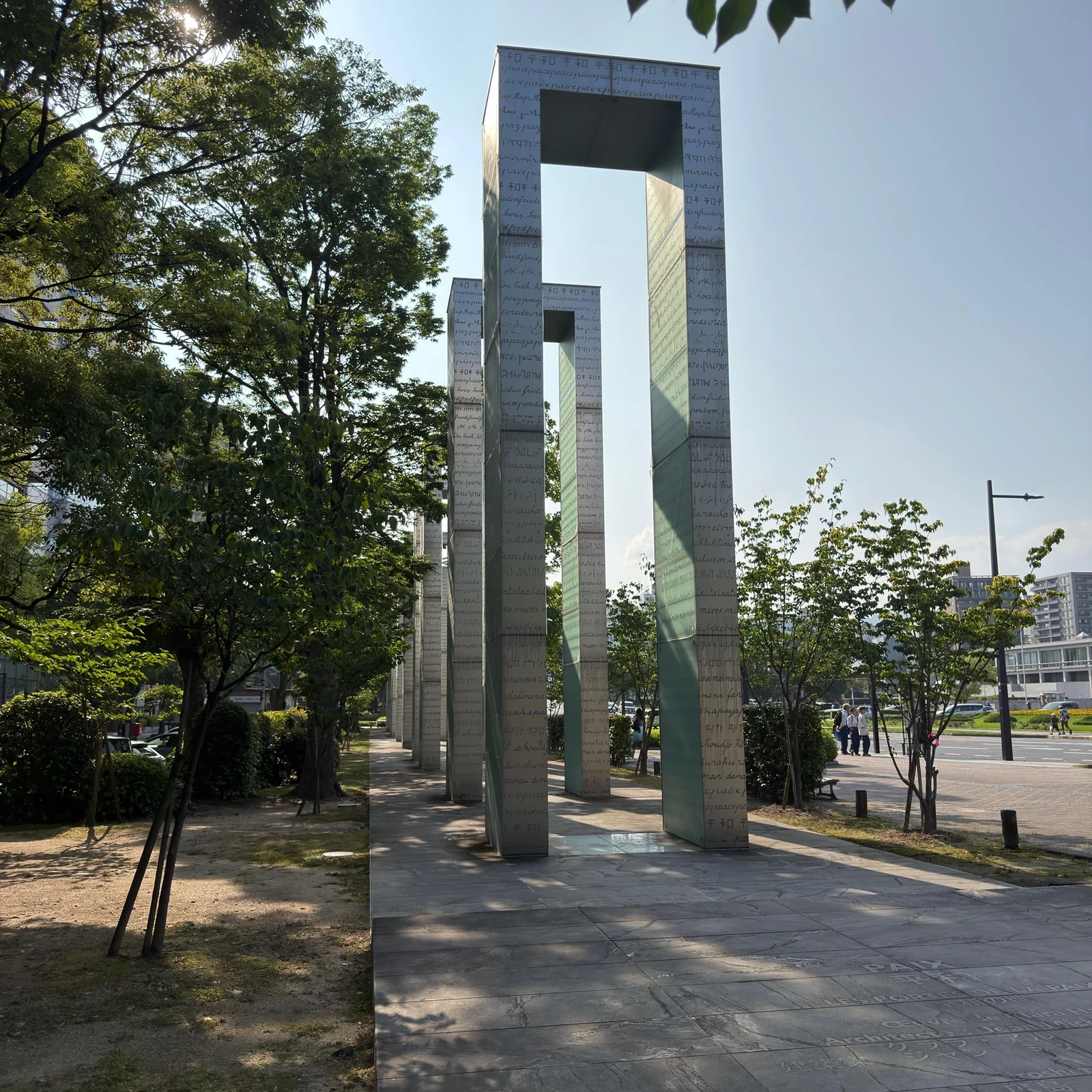
Join a Hiroshima history walking tour through Peace Memorial Park and the Atomic Bomb Dome. Spend 2-3 hours with an English-speaking guide, with small groups and free cancellation.
 Activity on TourBookGo
Take a Hiroshima private walking tour through Peace Memorial Park, the Atomic Bomb Dome and key memorials with an English-speaking guide. From €56.