 Activity on TourBookGo
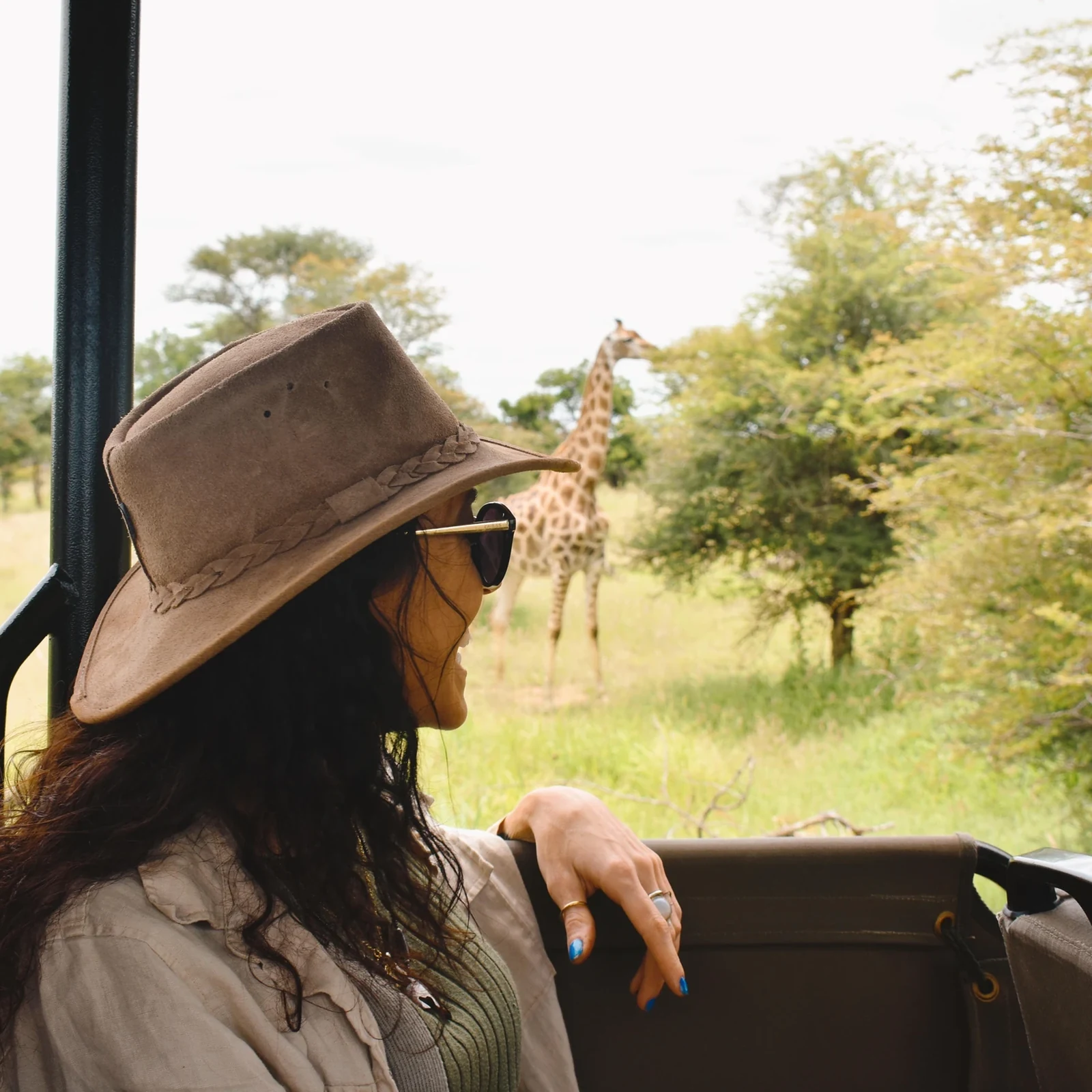
4-Day Kruger Safari from Johannesburg
Organised four-day safari from Johannesburg with Balule, a full day in Kruger, a bush walk, Blyde River Canyon and lodge accommodation.
Johannesburg calls for a way of travelling that suits its distances, contrasts and complexity: curiosity, sensible planning and caution without prejudice or constant fear.
Johannesburg can bewilder visitors expecting a compact, monumental city that is easy to explore on foot. Its scale and sprawling urban layout demand less logistical improvisation, more context and a willingness to find value where it is not immediately obvious. The main mistake is judging it too quickly: the experience improves when curiosity and sensible preparation work together.
Compare locations and options to find a base that suits your trip. Booking.com confirms current availability and pricing.
Find accommodation on BookingJohannesburg functions as a constellation of neighbourhoods and hubs separated by distances that can seem shorter on a map than they feel on the ground. Planning the day as though everything were concentrated around a historic centre often leads to long journeys, unexpected expenses and fatigue.
It is better to group visits by area and avoid crossing the city several times in one day. Choosing where to stay also matters: a convenient location for meetings or nightlife may not be the most practical base for museums, excursions or cultural activities.
Traffic changes how distances feel. An itinerary that looks reasonable on paper can become an endless sequence of journeys unless enough time is left between plans.
Walking can be pleasant in certain areas, but it is not always an effective way to travel between neighbourhoods. Wide avenues, car-oriented infrastructure and the considerable distances across the city limit pedestrian routes.
Nor should visitors assume that every transport system will be intuitive to someone who has just arrived. Before each journey, confirm the route, the exact pick-up or arrival point and the current conditions in the area. Organised transport or a trusted driver can provide peace of mind on some trips; on others, travelling by car adds the challenges of traffic and parking.
The mistake is not choosing a particular form of transport, but using it for everything. The most practical solution is usually flexible and depends on the neighbourhood, the time of day and the plan.
Both extremes distort the experience. Behaving as though no precautions were necessary is irresponsible, but viewing every street as a threat makes it impossible to understand a city where millions of people study, work, create and go about their daily lives.
Ask your accommodation, host or trusted local contacts for up-to-date guidance. Avoid displaying valuables, check your surroundings before using your phone in the street and do not take unfamiliar routes simply because an app marks them as shorter. Planning becomes even more important when travelling at night.
Conditions can vary considerably between neighbourhoods and even between nearby streets. General recommendations are no substitute for recent local information. Caution does not mean shutting yourself away; it means making informed decisions.
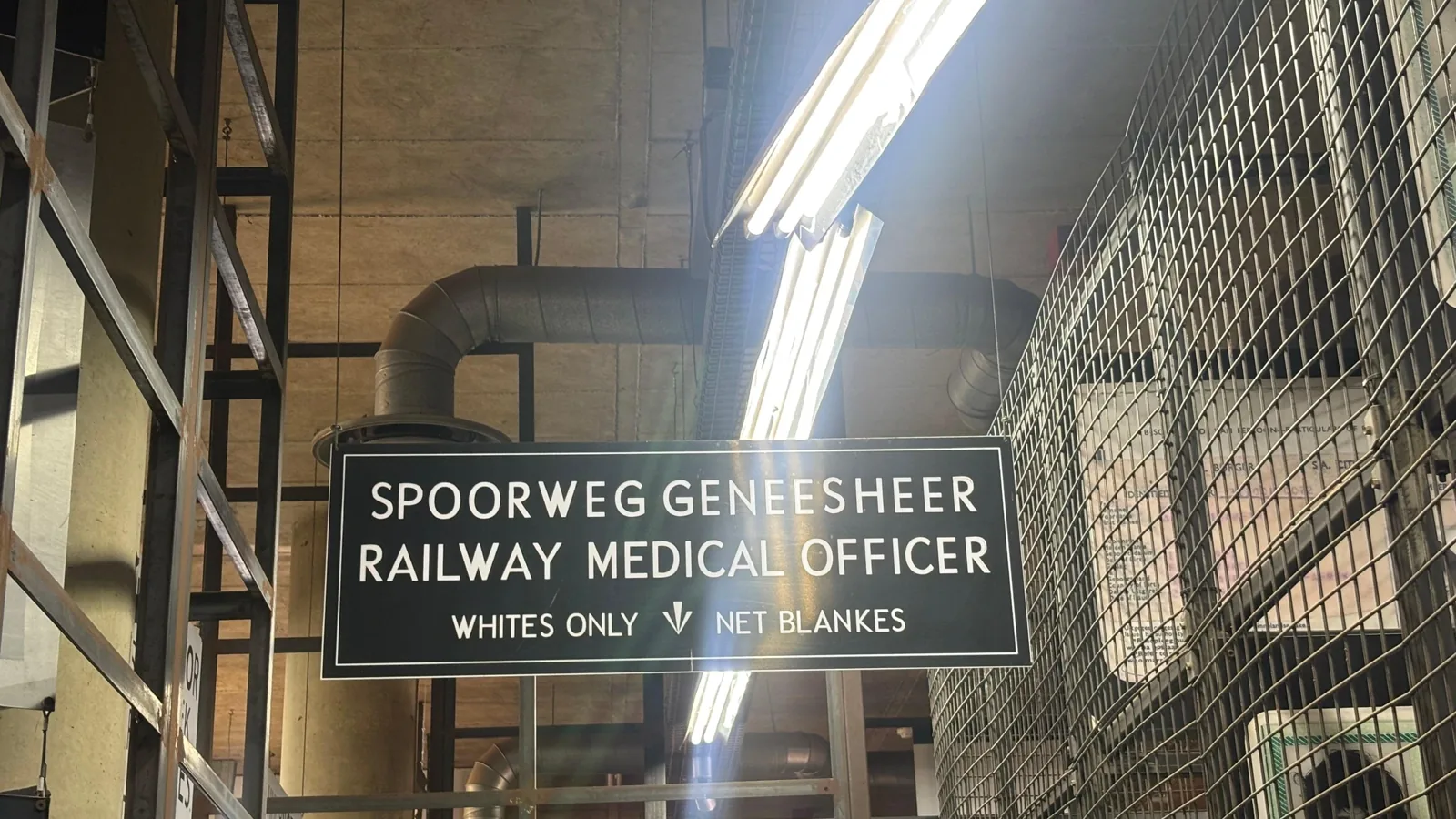
Understanding apartheid and its consequences is essential to interpreting Johannesburg. Places of remembrance and areas such as Soweto can provide a depth that no superficial visit can offer. Reducing the city solely to that past, however, freezes a living reality in time.
Johannesburg also speaks through contemporary art, music, food, community projects, architecture, commerce and everyday conversations. The past remains present in the urban landscape and its inequalities, but it cannot by itself explain all the identities of the people who live here.
Another mistake is consuming history as a rapid succession of photographs. Some places require time, attention and a pause afterwards. Filling one day with emotionally intense visits can turn complex testimonies into boxes to tick on an itinerary.
Soweto is neither a stage set nor a homogeneous experience. It is a vast, diverse and inhabited area, with different histories, neighbourhoods and realities. Arriving, taking a few photographs and leaving reinforces an oversimplified view.
A guided visit that provides context can help visitors understand what they see and avoid hasty interpretations. Even so, be wary of narratives that present a single version of the place or turn inequality into a spectacle.
People are not part of the scenery. Asking permission before taking photographs, respecting homes and private spaces, and listening without demanding access to private lives are basic principles here, just as they are in any residential neighbourhood.
Johannesburg rewards selective itineraries. Trying to fit museums, neighbourhoods, markets, galleries and excursions into a single day usually produces a fragmented experience. Beyond the distances involved, some visits carry an emotional or historical weight that calls for a slower pace.
Choose two or three compatible themes and leave time to eat, talk or simply observe. The city is not always understood through a list of monuments; it often emerges in a café, a small exhibition, a bookshop or an encounter that was never part of the plan.
Leaving some flexibility also helps accommodate changes in traffic, weather or availability. A rigid schedule turns every setback into a source of frustration.
An attractive rate may lose its appeal if it means making constant journeys or staying in an area that does not suit the nature of the trip. Before booking, consider the relationship between location, mobility, planned activities and transport options after dark.
An apparently central address does not guarantee a walkable stay. In Johannesburg, nearby should be assessed in terms of actual access, not just kilometres.
Business travellers, visitors seeking cultural life and those using the city as a base for excursions all have different needs. There is no single neighbourhood that suits everyone.
The image of South Africa as a permanently warm country can lead visitors to pack poorly. In Johannesburg, the differences between sun and shade, day and night, or one season and another can be distinctly noticeable. Dressing in layers provides more flexibility than relying on a single general forecast.
The altitude may also cause some people to tire more quickly, especially during the first few days. Planning an overly intense arrival, not drinking enough water or combining too many physical activities can drain energy from the trip.
Johannesburg defies convenient categories. It is African, global, unequal, creative, business-driven and profoundly local all at once. Anyone arriving in search of a single image—whether exotic, dangerous, luxurious or impoverished—will notice only what confirms their preconceptions.
The contradictions are worth observing without turning them into a curiosity. Urban contrasts are not an abstract spectacle: they arise from historical, economic and social processes that continue to affect real people.
Listening to different voices is more valuable than seeking a definitive explanation after two days.
Interacting with local people requires more than superficial politeness. Respect working routines, the rules of each space, and the rest and privacy of those who live there. Residential neighbourhoods are not film sets, and private properties or sensitive areas should not be entered to get a better picture.
A greeting and a polite request before asking questions, entering or taking photographs can make a real difference. English is widely understood, while respectful interest in local linguistic diversity can open conversations; there is no need to pretend to be fluent or turn a few words into a performance.
Spending money at local businesses can enrich the trip when it is done without paternalism. It is equally important to look after public spaces, avoid leaving litter and follow the guidance of people who know the area. Respecting Johannesburg means accepting that residents' lives take priority over visitors' convenience.
Johannesburg can seem harsh at first. Its scale is disorienting, its social divisions are visible and its appeal is not always framed by pleasing scenery. A stay that is too short risks reducing it to an airport, an overnight stop or a safety warning.
Giving the city time does not guarantee that everyone will like it. Those looking for spontaneous walks, concentrated monuments and an uncomplicated urban experience may find it demanding. For travellers interested in history, contemporary culture and complex cities, however, it offers profound insight into South Africa.
The ultimate mistake would be expecting Johannesburg to behave like another destination. It demands attention, context and sensible planning. In return, it offers no easy postcard, but something more unsettling and valuable: a city that makes you look twice.
Discover selected Johannesburg experiences combining history, urban culture, food and nature excursions from the city.
Activity on TourBookGoOrganised four-day safari from Johannesburg with Balule, a full day in Kruger, a bush walk, Blyde River Canyon and lodge accommodation.
 Activity on TourBookGo
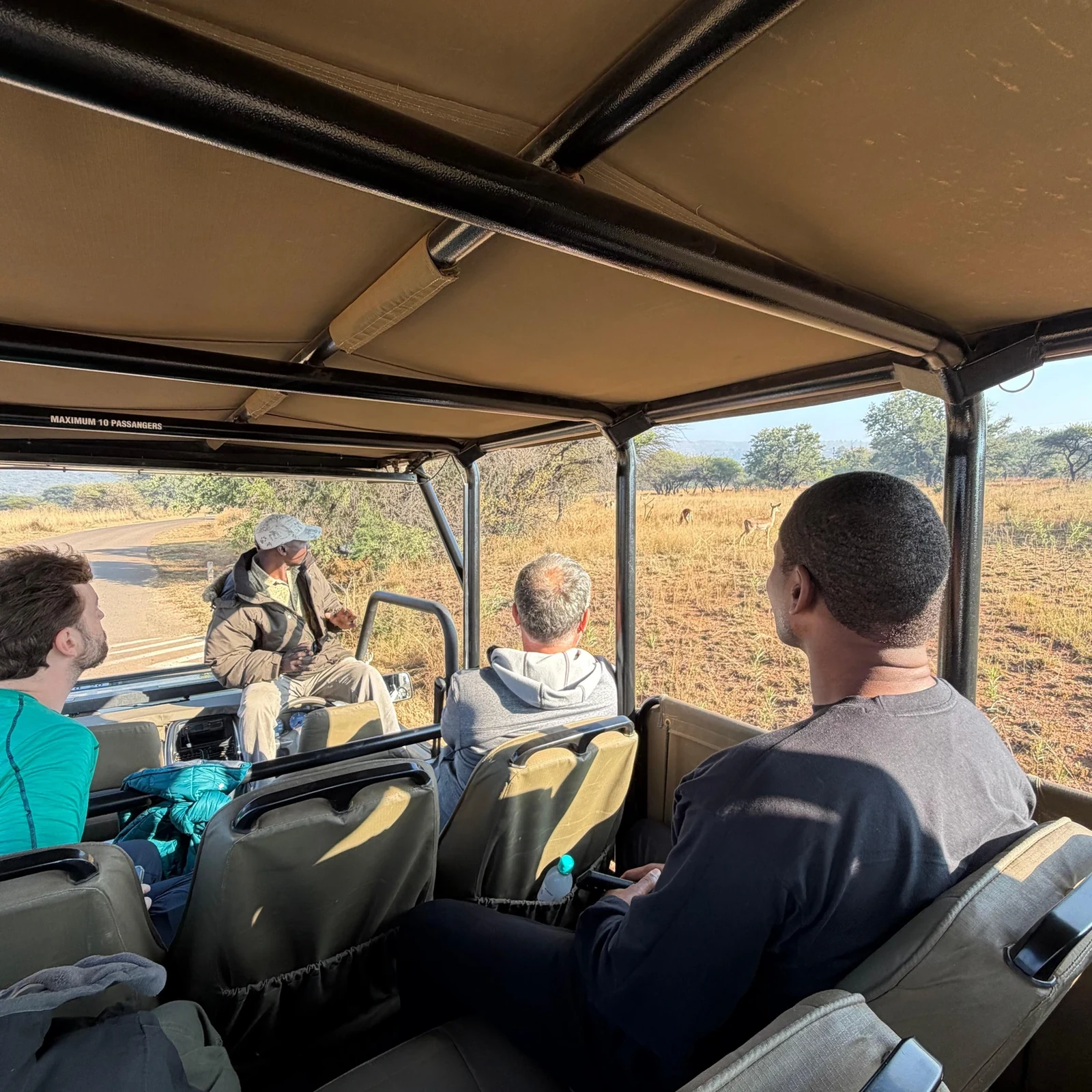
Combine transfers, one night at Bakubung Bush Lodge and three Pilanesberg game drives. Review timings, meals, limitations and booking conditions.
 Activity on TourBookGo
Combine around 3 hours at Rhino and Lion Park with Maropeng Museum on a 6-hour private trip from Johannesburg or Pretoria.