 Activity on TourBookGo
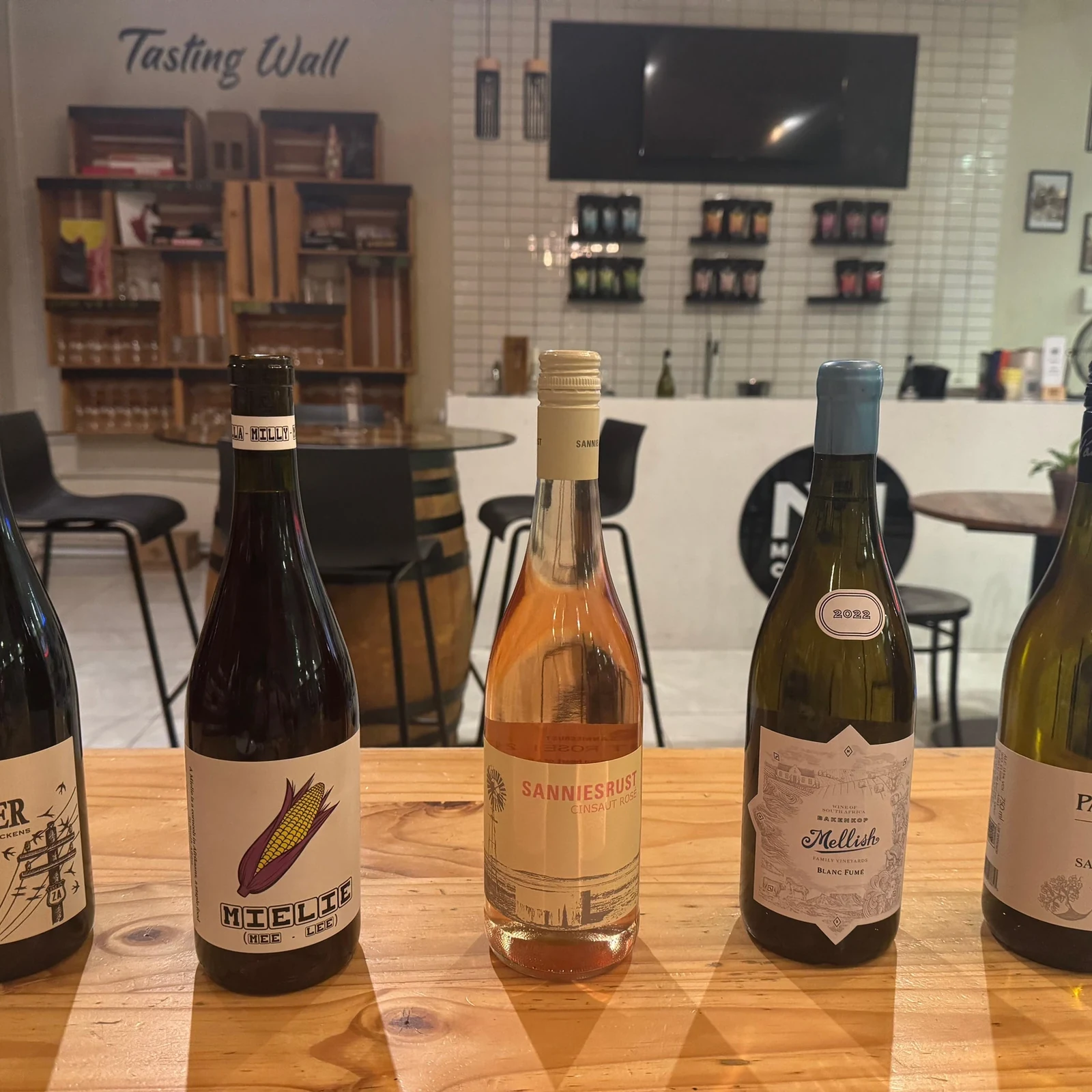
South African Wine Tasting with Charcuterie in Johannesburg
Taste five boutique South African wines with local cheese, cured meats and expert guidance in Fourways, Johannesburg.
Johannesburg is best understood as a conversation between South African cuisines, traditions brought from elsewhere and a contemporary dining scene that brings these influences together.
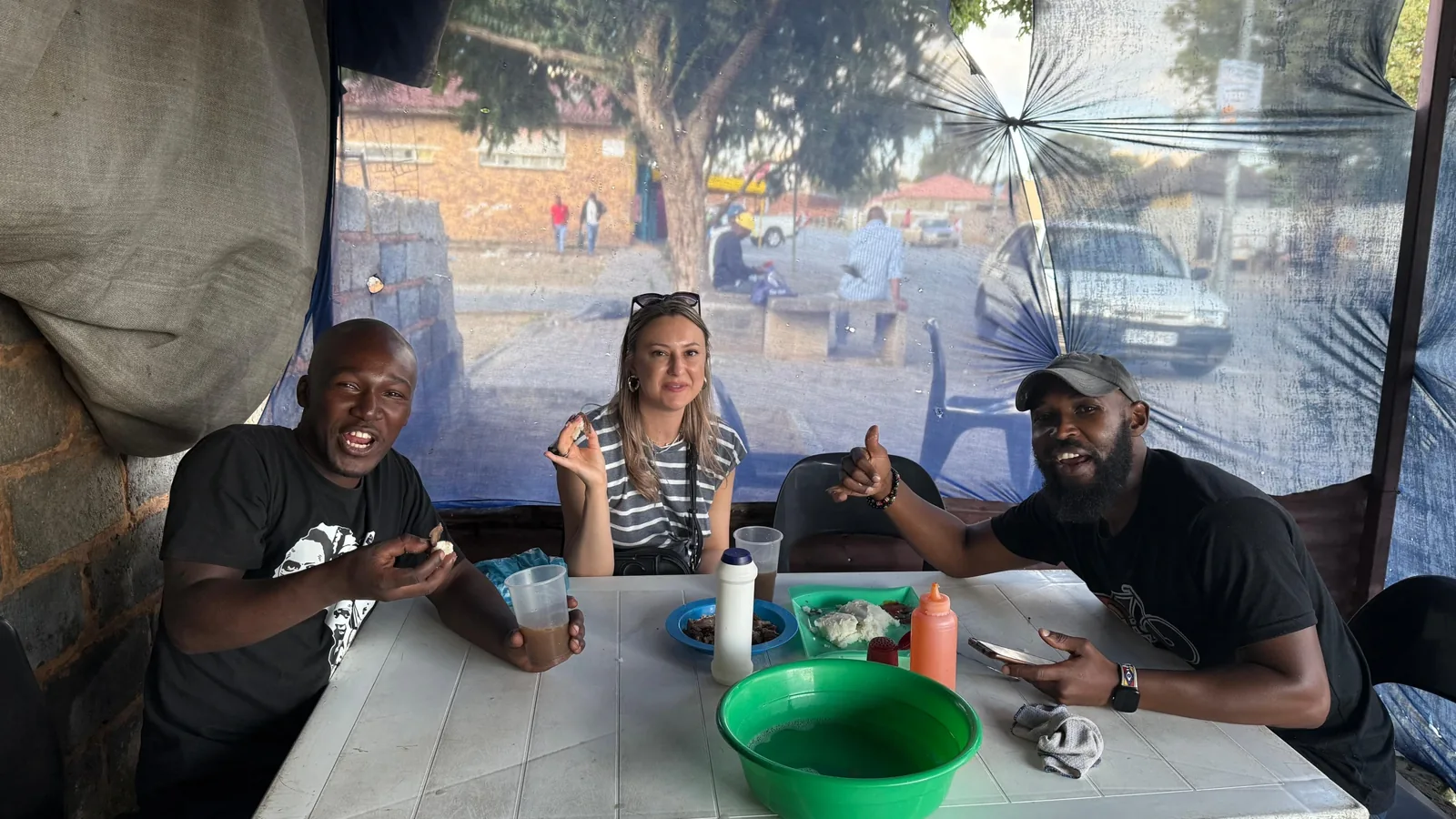
Eating in Johannesburg is not about seeking out a single signature dish. The experience changes from one neighbourhood to another, encompassing elegant restaurants, streets made for sharing, unpretentious family businesses and popular venues where the food matters more than the setting. The key is to explore that diversity without staying only in wealthier districts or mistaking authenticity for discomfort.
Compare locations and options to find a base that suits your trip. Booking.com confirms current availability and pricing.
Find accommodation on BookingFire plays a central role in South African cooking. A braai is more than grilled meat: it is also a way of coming together. In popular establishments, it may take the form of shisa nyama, where diners choose different cuts to be grilled and served with simple side dishes.
One of the most common accompaniments is pap, a mild maize dish usually served with meat, sauce or vegetables. Chakalaka is also widely available: a spiced vegetable relish whose recipe varies from one kitchen to another. Their appeal lies in the combination of flavours, textures and the communal nature of the meal.
The kota, particularly associated with the townships, is a generous loaf or piece of bread filled with different ingredients and designed as filling, everyday fast food. It is worth asking what is inside because there is no single recipe and versions can differ considerably.
Biltong, boerewors sausages and slow-cooked stews are also common. Vegetarian diners will find more choice in neighbourhoods with international or contemporary restaurants, but they should not assume that every vegetable-based dish is free from stock, animal fat or meat accompaniments.
Soweto offers one of the most direct introductions to Johannesburg's popular food culture. It is a natural place to look for shisa nyama, kota, stews and dishes based on maize, vegetables and meat.
Visiting the area solely to consume a staged version of local life can leave a superficial impression. It is more rewarding to combine the meal with time to understand the surroundings and remember that Soweto is not a tourist set, but a vast collection of neighbourhoods where many people live and work.
A guided visit can simplify the logistics and provide context, but it is important to choose respectful experiences that do not turn residents' daily lives into a spectacle.
Fordsburg has long been a key destination for exploring the Indian and Muslim influences on the city's food. Spices, breads, rice dishes, marinated meats, intensely sweet desserts and informal food dominate here. It suits travellers who prefer sampling several things to sitting down for a long, ceremonial meal.
Although bunny chow is historically associated with Durban, it can also be found in Johannesburg. It consists of a hollowed-out loaf filled with curry. Its origin should be acknowledged rather than presenting it as a local creation, and it is worth asking about the heat level because terms such as mild and medium do not mean the same thing to everyone.
Travellers with dietary restrictions should confirm ingredients and preparation methods. An establishment's adherence to particular religious rules does not automatically mean that every dish will meet other dietary requirements.
Melville and Parkhurst represent a more relaxed side of Johannesburg, with cafés, terraces and small restaurants. They are suitable for a late breakfast, a long conversation over lunch or dinner without the formality of the major business districts.
The selection is generally varied, making it easy to alternate between South African food and international options. That convenience comes with a trade-off: these neighbourhoods do not always provide the broadest view of the city's culinary culture and should not make up the entire dining experience.
Before setting out, check that your chosen venue is still open and confirm its hours, especially in the evening. Johannesburg changes quickly, and the distances across the city can turn an improvised choice into an unnecessary journey.
Rosebank and Sandton are home to much of Johannesburg's refined, cosmopolitan dining scene, closely linked to hotels, shopping centres and business districts. They are practical options for anyone seeking easy-to-organise surroundings, extensive menus or a special dinner.
They also offer opportunities to discover contemporary interpretations of South African ingredients and recipes. The risk is paying more for the atmosphere without necessarily getting a more revealing meal. Reading the menu beforehand can help distinguish a restaurant with a distinct personality from one designed simply to feel familiar to any international visitor.
These districts are particularly well suited to business trips, first visits or evenings when simpler logistics are preferable. Travellers seeking a more direct connection with everyday food will need to venture farther afield.

Johannesburg is home to communities from many parts of the continent. This diversity is reflected in restaurants and eateries serving Ethiopian, Mozambican, Nigerian, Congolese, Zimbabwean and other cuisines.
Trying them does not take travellers away from the city's local identity; on the contrary, it helps them understand contemporary Johannesburg. Migration, work and movement have shaped the city, and its tables tell that story better than any rigid definition of typical food.
When a menu is unfamiliar, asking how a dish is shared, which side accompanies it or how intense a sauce is will often lead to a more interesting conversation than ordering only what feels familiar.
The most sensible way to save money is not to skip local food, but to change the type of establishment and the time of day. Simple cafés, bakeries, family-run eateries and regional fast-food spots make it possible to sample distinctive flavours without the cost of a formal dinner.
Sharing dishes where customary, making lunch the main meal and avoiding overreliance on hotel restaurants can also keep the budget under control. A long trip for a slightly cheaper meal, however, may ultimately cost more in both time and transport.
Markets can be appealing places to try several dishes, but their schedules may vary by day or season. Check that they are operating before building an entire day around outdated information.
An endless menu claiming to represent every cuisine in the country often has less identity than an establishment focused on a handful of specialities. Caution is also warranted when an experience presents a community as an exotic spectacle or uses stereotypes to sell supposed authenticity.
A restaurant popular with visitors is not necessarily bad. What matters is whether the food is coherent, whether the staff can explain the dishes and whether the venue attracts residents as well as tourists.
Recommendations from accommodation providers, drivers or local residents can be useful when the question is specific: where to find a good kota, where to try Ethiopian food or which area works best for an early dinner.
A balanced first introduction might combine three experiences: an informal meal rooted in local traditions, a visit to Fordsburg or a restaurant run by another African community, and a contemporary dinner in Rosebank, Melville or Parkhurst. This avoids reducing Johannesburg either to the grill or to its most sophisticated dining rooms.
Mobility should be part of the decision. The city is extensive, and walking between districts is not always pleasant or practical. Pairing meals with the day's sightseeing reduces travel time and makes it easier to enjoy the experience without constantly watching the clock.
For evenings, plan the return journey in advance and check current conditions in the chosen area.
Johannesburg rewards curious diners, but it does not require turning every meal into an expedition. Sometimes the most revealing experience comes from a simple dish served without ceremony; at other times, from a kitchen interpreting the country through a new perspective.
Eating well here means embracing that diversity, balancing curiosity with practical planning and allowing the city to explain itself through its own contradictions.
Discover selected Johannesburg experiences combining history, urban culture, food and nature excursions from the city.
Activity on TourBookGoTaste five boutique South African wines with local cheese, cured meats and expert guidance in Fourways, Johannesburg.
 Activity on TourBookGo
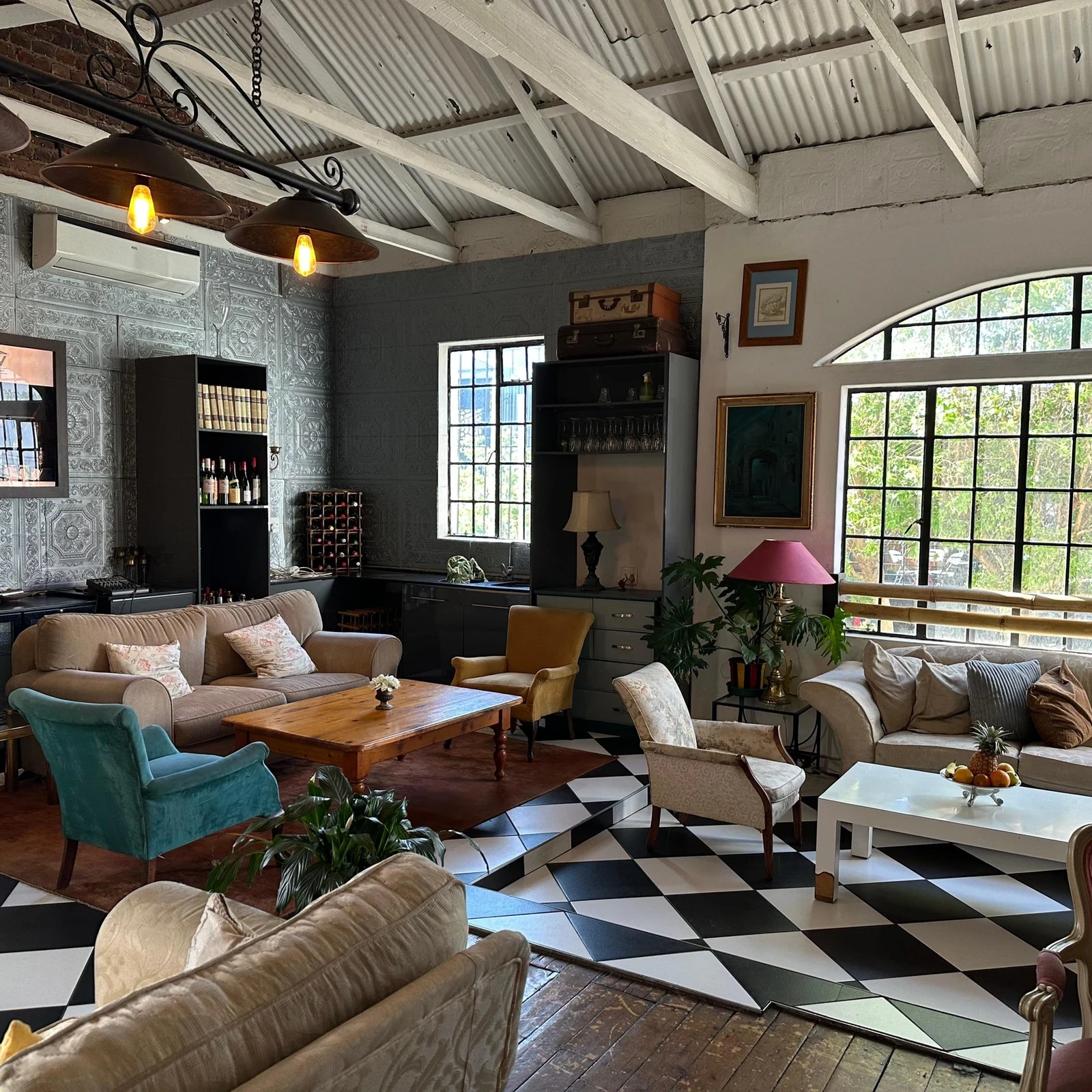
Explore Maboneng’s street art, creative spaces and local food culture on a 3-hour guided walking tour in Johannesburg.
 Activity on TourBookGo
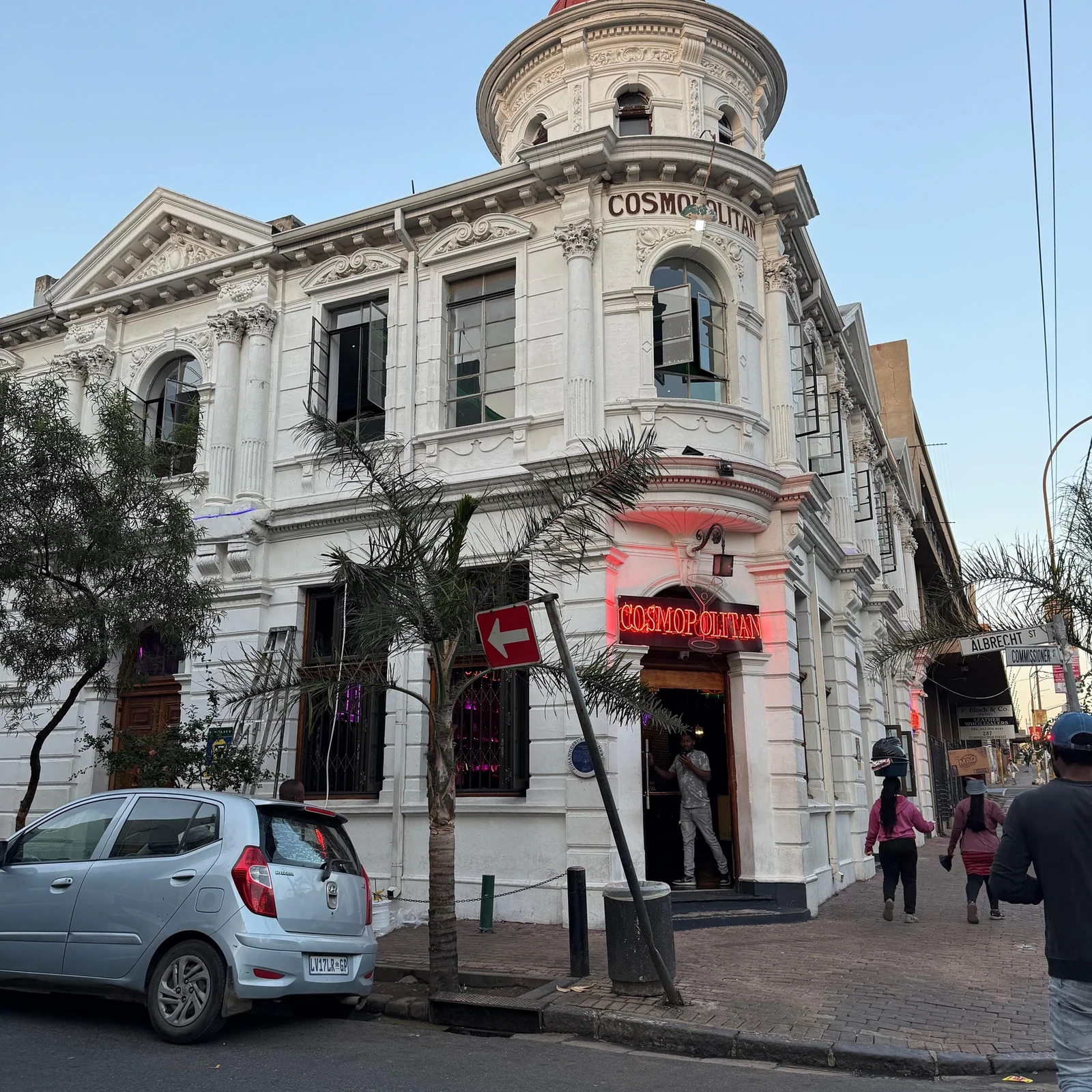
Explore Johannesburg’s cultural diversity on a 3-hour guided food tour through Yeoville or Maboneng with at least four dishes.