

Experience Zen meditation in Kyoto with Zazen practice in a private temple, an explanation from a monk, English guide, tea and conversation. Approximate duration: 1.5 hours.
View experienceDaily budget in Kyoto: realistic guide prices
A budget traveller can get by, with care, on between 8,000 and 14,000 yen per day per person, excluding the flight and major transfers between cities. This means hostels, capsule hotels or very simple accommodation, casual food, public transport and few paid experiences.
A more comfortable mid-range budget is around 18,000–30,000 yen per day per person. This is the most sensible range for anyone who wants to sleep well, eat at a relaxed pace, visit several temples and not calculate the cost of every coffee.
From 40,000–60,000 yen per day upwards, Kyoto begins to offer a more refined version of itself: ryokan, kaiseki dinners, boutique hotels, occasional taxis and better-curated cultural experiences. But paying more does not always mean understanding the city better. Some of Kyoto’s best moments are still free: an empty street in Higashiyama at dawn, the sound of water in a garden, a lantern glowing after the rain.
Kyoto accommodation costs: the expense that changes the trip most
Sleeping in Kyoto can be reasonable in low season and very expensive in spring, autumn and on weekends. Japan offers a wide variety of accommodation: the JNTO gives indicative prices starting from around 3,000 yen per night in youth hostels, from around 6,000 yen in budget hotels, from around 10,000 yen in mid-range double rooms, and considerably more in higher-end hotels or ryokan. Travel Japan
In Kyoto, you also have to add the accommodation tax, which changed in March 2026: 200 yen per person per night for accommodation under 6,000 yen, 400 yen between 6,000 and 19,999 yen, 1,000 yen between 20,000 and 49,999 yen, 4,000 yen between 50,000 and 99,999 yen, and 10,000 yen from 100,000 yen upwards. Kyoto Travel
To save money, choosing the cheapest place far from the centre is not always the best idea. If you end up paying more for transport, losing time or arriving exhausted, the saving becomes less obvious. Kyoto Station is practical; Kawaramachi and Shijo are convenient for dinner and walking around; Gion and Higashiyama have more atmosphere, but they are usually more expensive and more touristy.
To save money, choosing the cheapest accommodation far from the centre is not always the best idea.
Food in Kyoto: you can spend little, but the city tempts you
Food in Japan remains one of the best ways to control your budget. The JNTO notes that a bowl of ramen can be found from around 650 yen, that the price of coffee varies widely, and that local or informal restaurants often offer good value for money. Travel Japan
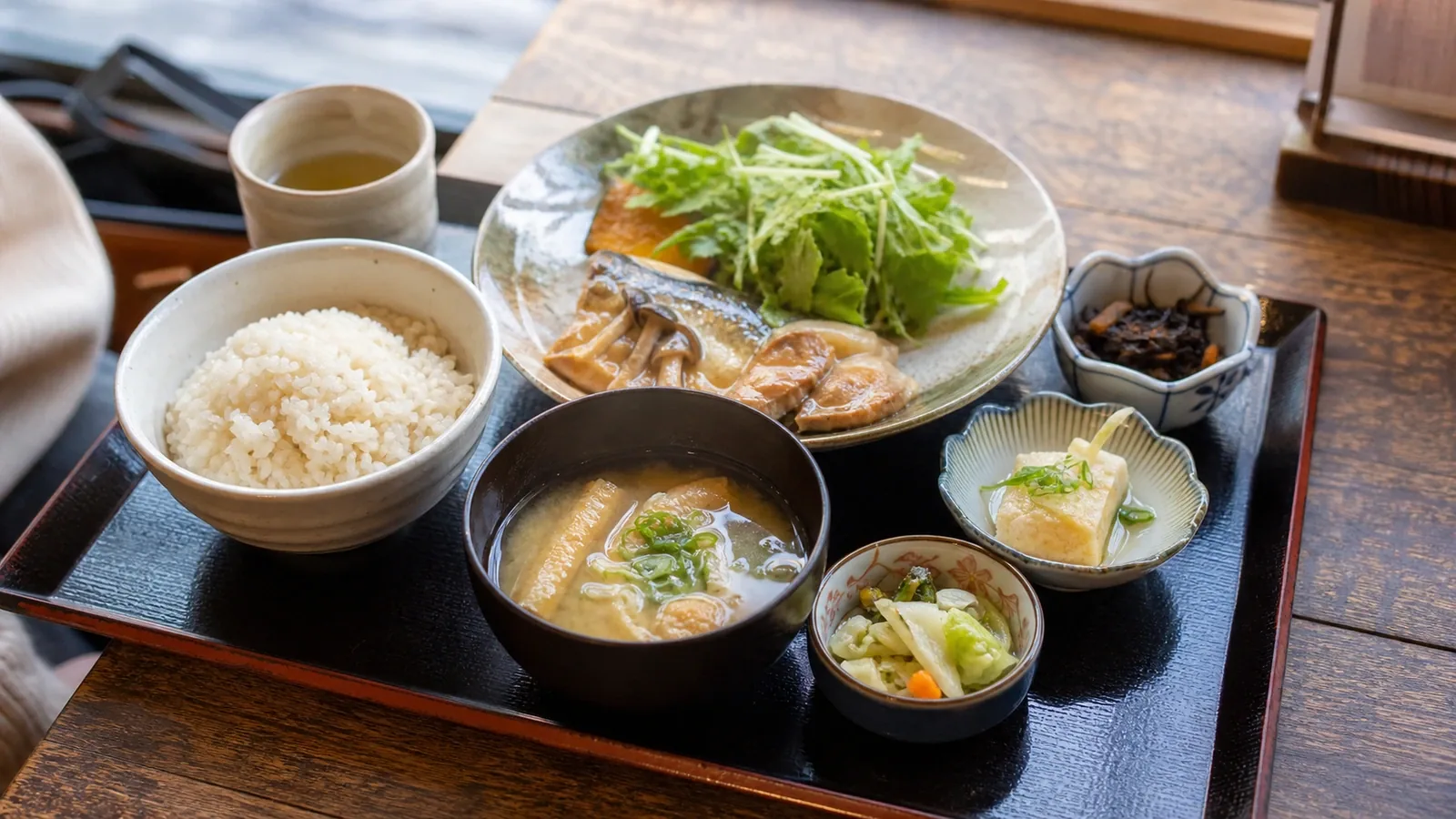
In Kyoto, a budget traveller can eat for 3,000–5,000 yen a day by combining konbini, local chains, udon, ramen, Japanese curry and simple set meals. With 5,000–10,000 yen a day, the trip becomes more enjoyable: a leisurely breakfast now and then, full lunches, traditional sweets, tea and dinners without always looking for the cheapest option.
Kaiseki cuisine, ryokan dinners and carefully run restaurants can raise costs considerably. They are worth it if Japanese gastronomy interests you, not if you only want to “do the typical thing”.
Transport in Kyoto: cheap if you have patience
Public transport in Kyoto is useful, although not always fast. The city bus costs 230 yen within the flat-fare zone, while tourist express buses have a different fare. Kyoto City Official Website
The one-day subway and bus pass costs 1,100 yen for adults and allows unlimited travel for one day on several urban transport networks, with some exceptions. Kyoto Travel
For a realistic budget, calculate 700–1,500 yen per day for local transport. If you use taxis often, the figure changes quickly. Kyoto is a city where walking is part of the journey, but it should not be romanticised too much: the temples are spread out, summer heat can be heavy, and rain turns some routes into a test of patience.
For a realistic budget, calculate 700–1,500 yen per day for local transport.
Temple entrance fees, gardens and experiences in Kyoto
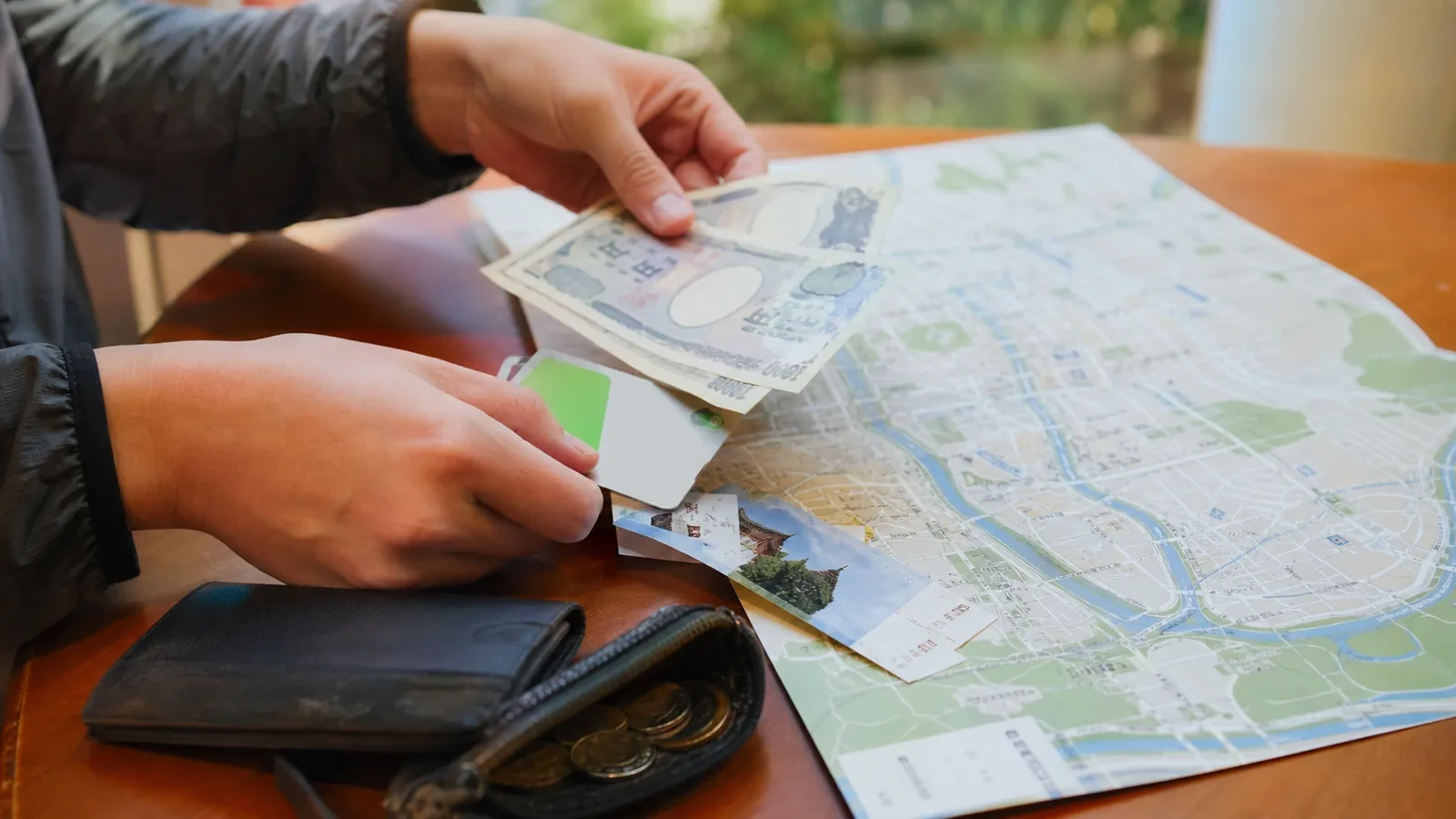
Many visits are not expensive individually, but together they add up. Nijo Castle, for example, charges 800 yen for general admission and 1,300 yen if Ninomaru Palace is included; Honmaru Palace requires advance reservation and an additional ticket. nijo-jocastle.city.kyoto.lg.jp
For a first trip, calculate 1,000–3,000 yen per day for temples, gardens, museums or cultural visits. If you add a tea ceremony, kimono rental, guided tours or craft workshops, set aside much more.
The most common mistake is paying for too many things. Kyoto is not enjoyed by ticking off temples like a checklist. It is better enjoyed by choosing fewer places and giving them time.
The most common mistake is paying for too many things.
Budget for 3, 5 and 7 days in Kyoto
3 days in Kyoto
A budget trip may cost around 24,000–42,000 yen per person, excluding arrival and departure. A mid-range trip would fall between 54,000 and 90,000 yen. With better hotels, special dinners or private experiences, it can easily exceed 120,000 yen.
Three days are enough for a first impression, but not for chasing after everything. When you try to compress Kyoto, taxis, expensive breaks and improvised decisions start to appear.
5 days in Kyoto
For five days, calculate 40,000–70,000 yen on a budget, 90,000–150,000 yen for a mid-range trip, and much more if you want ryokan, gastronomy or charming accommodation.
Five days let you breathe more easily: Arashiyama without rushing, Higashiyama early in the morning, Fushimi Inari at a less obvious hour, markets, gardens and perhaps a day trip to Nara or Uji.
7 days in Kyoto
A week can cost from 56,000–98,000 yen on a budget, 126,000–210,000 yen for a mid-range trip and more than 280,000 yen if you want a high level of comfort.
Seven days are not too many if you alternate Kyoto with excursions. But it may not always make sense to sleep every night in the city: Osaka or Nara may fit the route better depending on the itinerary.
How to save in Kyoto without ruining the experience
Book accommodation in advance if you travel during cherry blossom or autumn foliage season. Eat well at lunchtime, when many restaurants offer more accessible set menus. Alternate paid temples with free walks. Use public transport, but do not design impossible days. And get up early: in Kyoto, waking up early is worth more than many entrance tickets.
It is also wise to keep an eye on small purchases. Tea, ceramics, incense, stationery, sweets, amulets and temple souvenirs seem like discreet expenses, but Kyoto knows how to empty your pocket quietly.
In Kyoto, waking up early is worth more than many entrance tickets.
So, how much money should you bring to Kyoto?
For a comfortable and honest first trip, the best estimate is 20,000–30,000 yen per person per day, plus accommodation if you prefer to calculate it separately. You can travel with less; with more, the discomforts soften. But Kyoto does not reveal itself to the person who pays the most, but to the one who looks slowly.
A budget can buy a better room, a more delicate dinner or a taxi when it rains. What it cannot buy is the moment when a street falls silent and the city, at last, stops seeming famous and starts seeming ancient.