 Activity on TourBookGo
Early morning Kyoto tour with Fushimi Inari, Arashiyama and Kinkakuji
Book an early morning Kyoto tour in a small group to visit Fushimi Inari, Arashiyama and Kinkaku-ji with an English-speaking guide.
A Kyoto itinerary for understanding the city without rushing it: temples, historic neighborhoods, gardens, bamboo, mountains, and the balance between beauty, distances, and crowds.
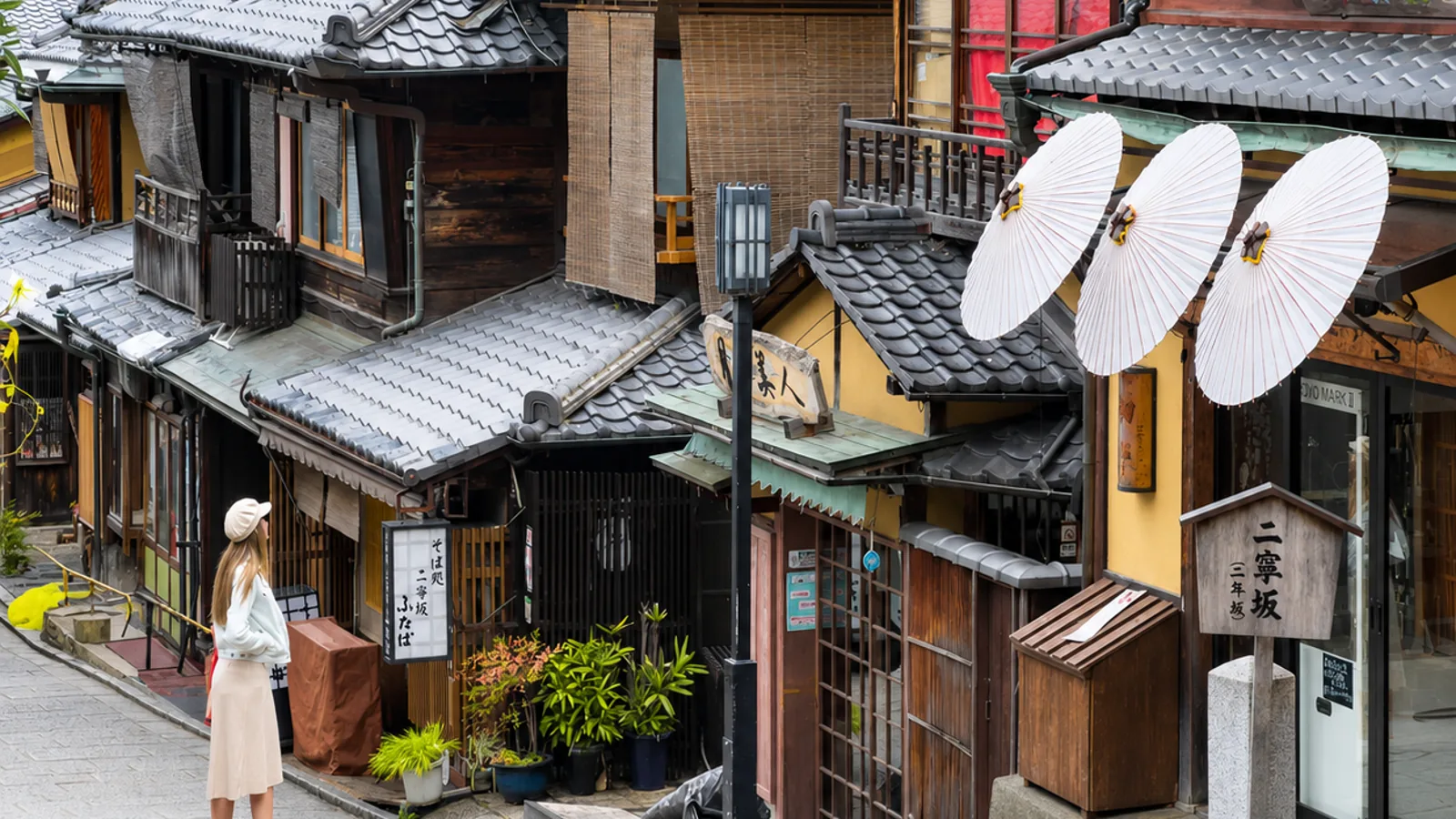
A good Kyoto itinerary is not about piling up temples; it is about arranging a city that rewards slow walking. Japan’s former imperial capital asks you to notice the aged wood of its machiya houses, listen to water moving through its gardens, and accept that not every shrine can fit into a single trip. Its beauty is real, but so are the crowds, the distances, and the feeling that some famous places have been photographed to exhaustion. The best route through Kyoto combines Higashiyama and Gion for the most classic Kyoto, Fushimi Inari for the forest of red torii gates, Arashiyama for bamboo and mountains, and the north for Kinkaku-ji, Ryōan-ji, and a quieter scattered calm. To get around, combine trains, subway, buses, and walking, planning each day by area so you do not waste energy on unnecessary transfers.
Compare locations and options to find a base that suits your trip. Booking.com confirms current availability and pricing.
Find accommodation on BookingWith just one day in Kyoto, you have to choose between beauty and realism. The most balanced route starts early at Fushimi Inari Taisha, when the torii still hold a little silence. There is no need to climb the whole mountain if time is tight; walking beyond the first sections, where most people stop, is enough to get a better feel for the place.
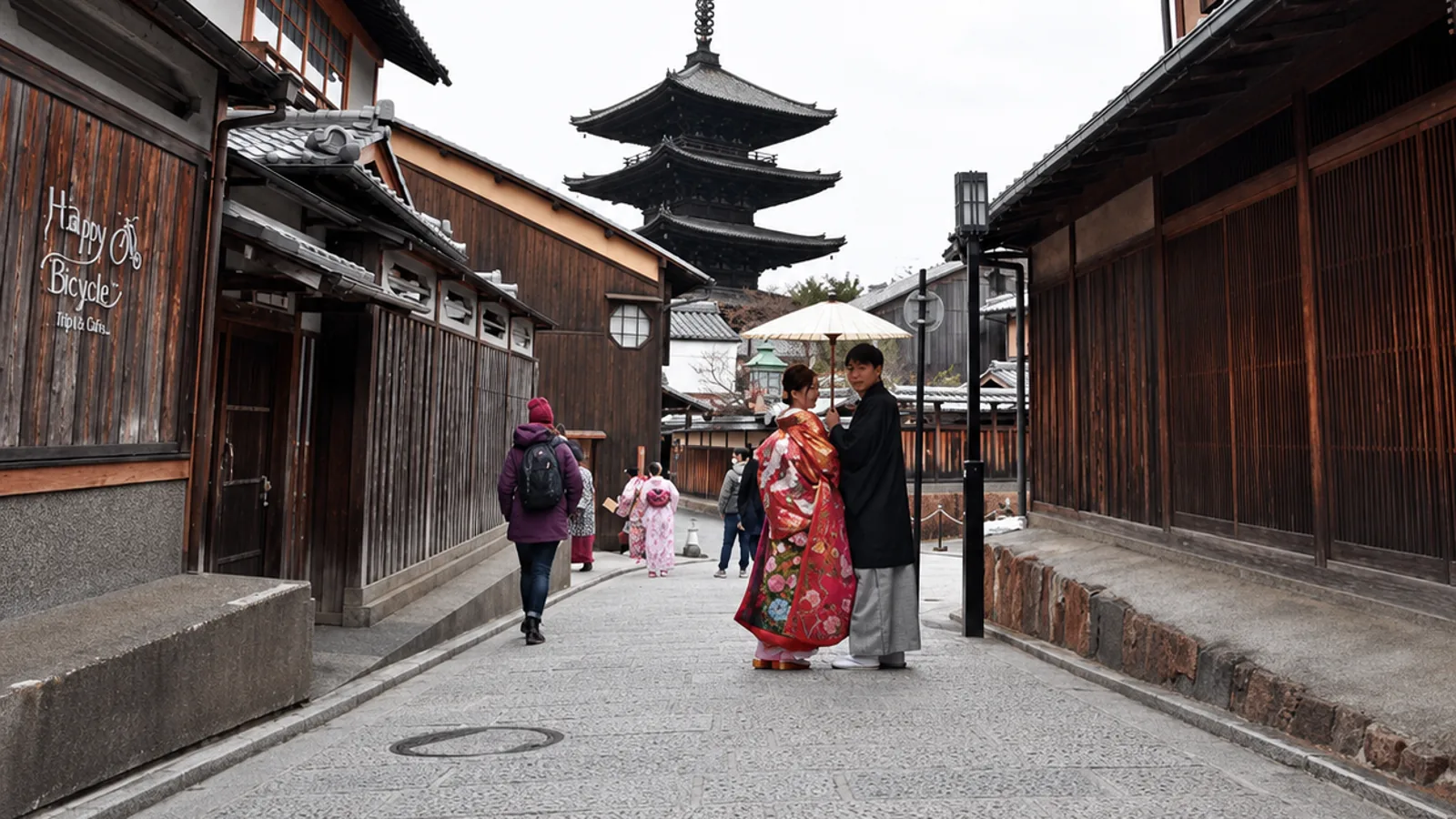
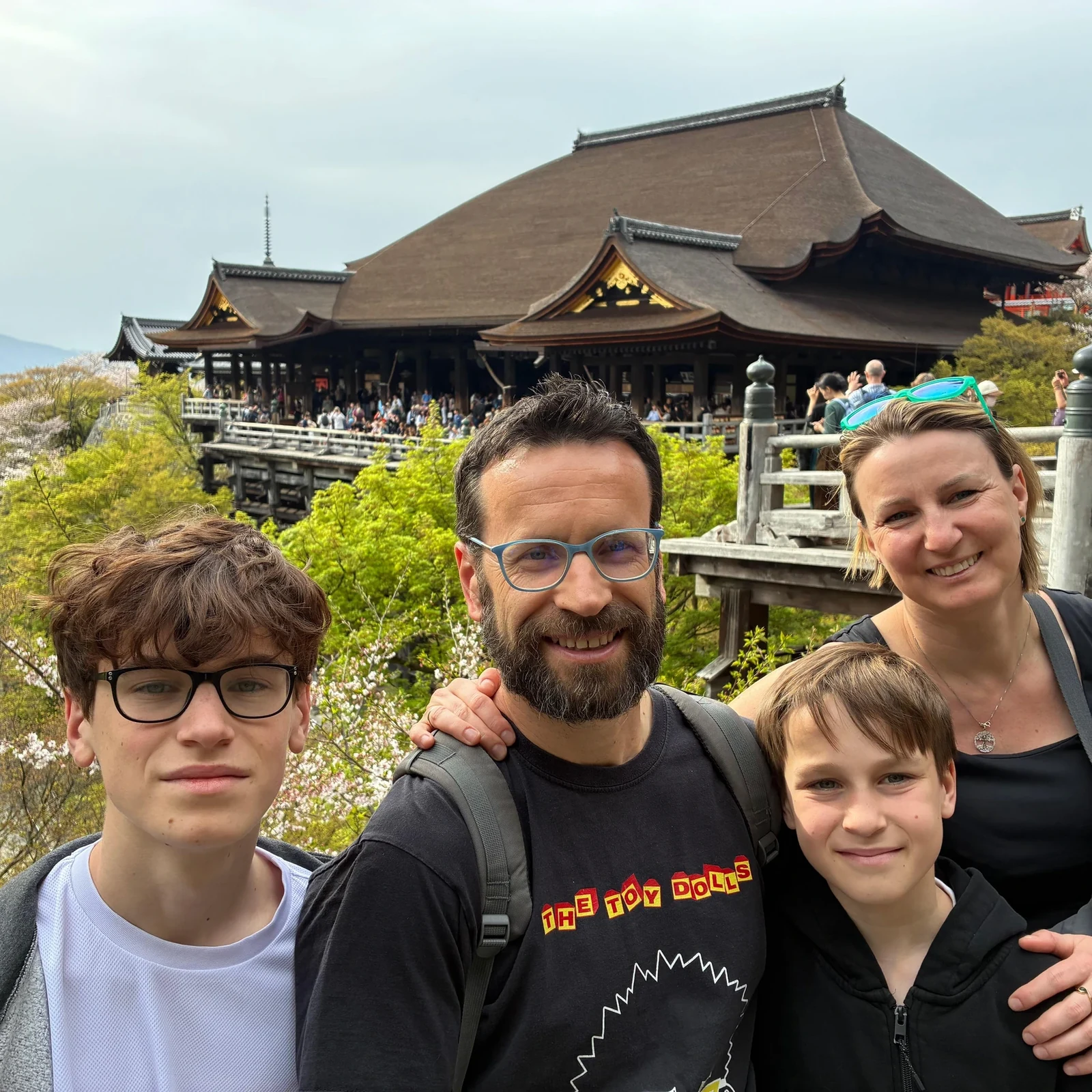
Then take the train to Higashiyama and spend the afternoon at Kiyomizu-dera, the streets of Sannenzaka and Ninenzaka, the area around Yasaka Pagoda, and, if you still have the energy, Gion at sunset. This area captures a powerful image of Kyoto: dark wood, lanterns, wet stone after the rain, sweet shops, roasted tea in the air, and temples on the hillside.
What may disappoint: in high season, especially during cherry blossom and autumn, this Kyoto route can be very crowded. Starting early and choosing your stops well helps more than squeezing in one more temple at the end of the day.
Day 1: Fushimi Inari, Higashiyama, and Gion. Repeat the base of the one-day itinerary, but with less anxiety. At Fushimi Inari, climb a little farther up the mountain. In Higashiyama, do not turn every shop into a mandatory stop: the charm lies in walking, taking detours, looking at the rooftops, and accepting the empty spaces between monuments.
End in Gion and Pontocho, ideally as evening falls. Do not expect a geisha spectacle on every corner; that Kyoto exists, but it is more discreet, more regulated, and far less theatrical than some postcards suggest.
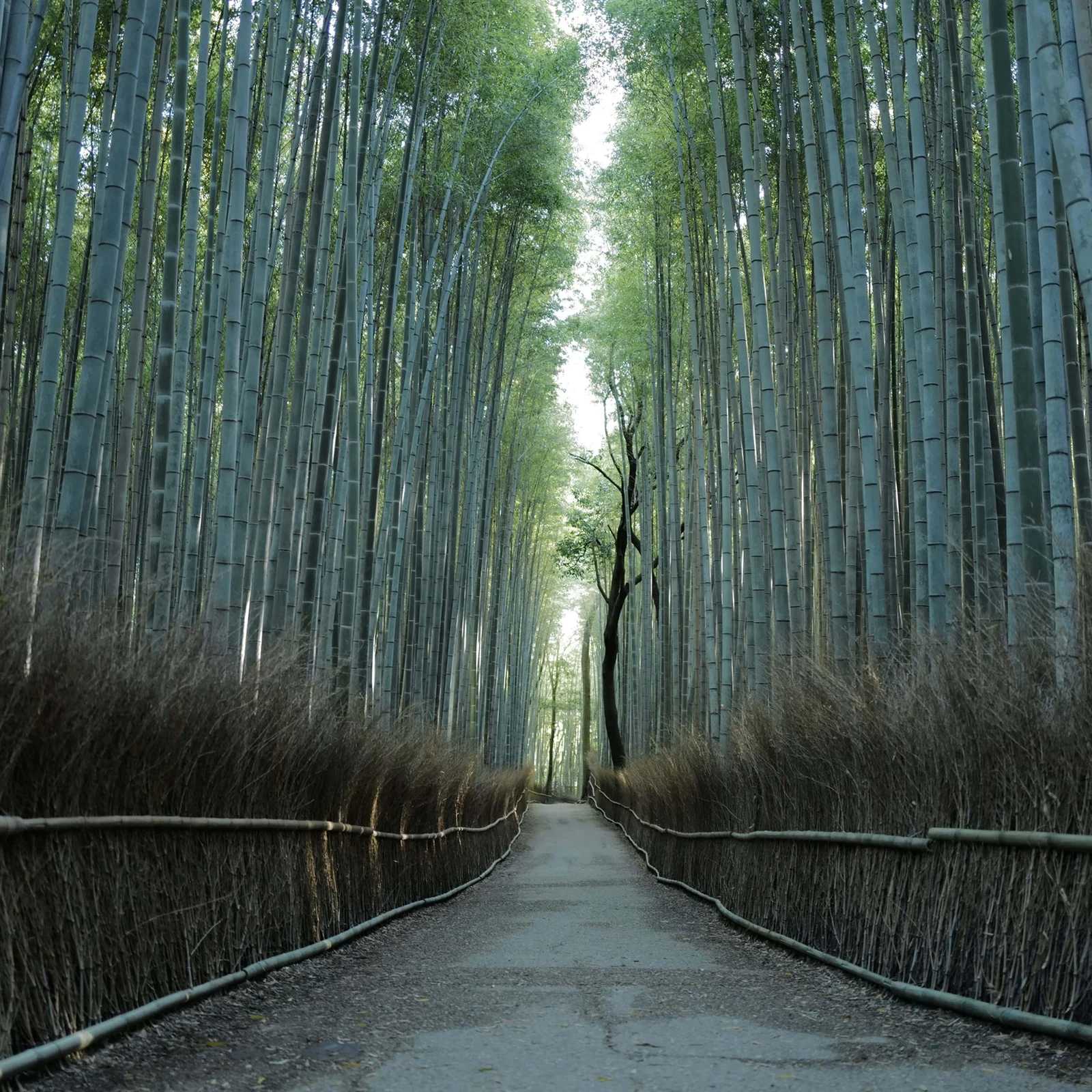
Day 2: Arashiyama and northern Kyoto. Devote the morning to Arashiyama. The bamboo grove is beautiful, yes, but it is also short and very busy. It improves greatly if you arrive early or continue on to temples and corners that are less immediate. Afterwards, depending on your energy, you can combine Arashiyama with Kinkaku-ji, the Golden Pavilion, although the transfer is not always as smooth as it looks on the map.
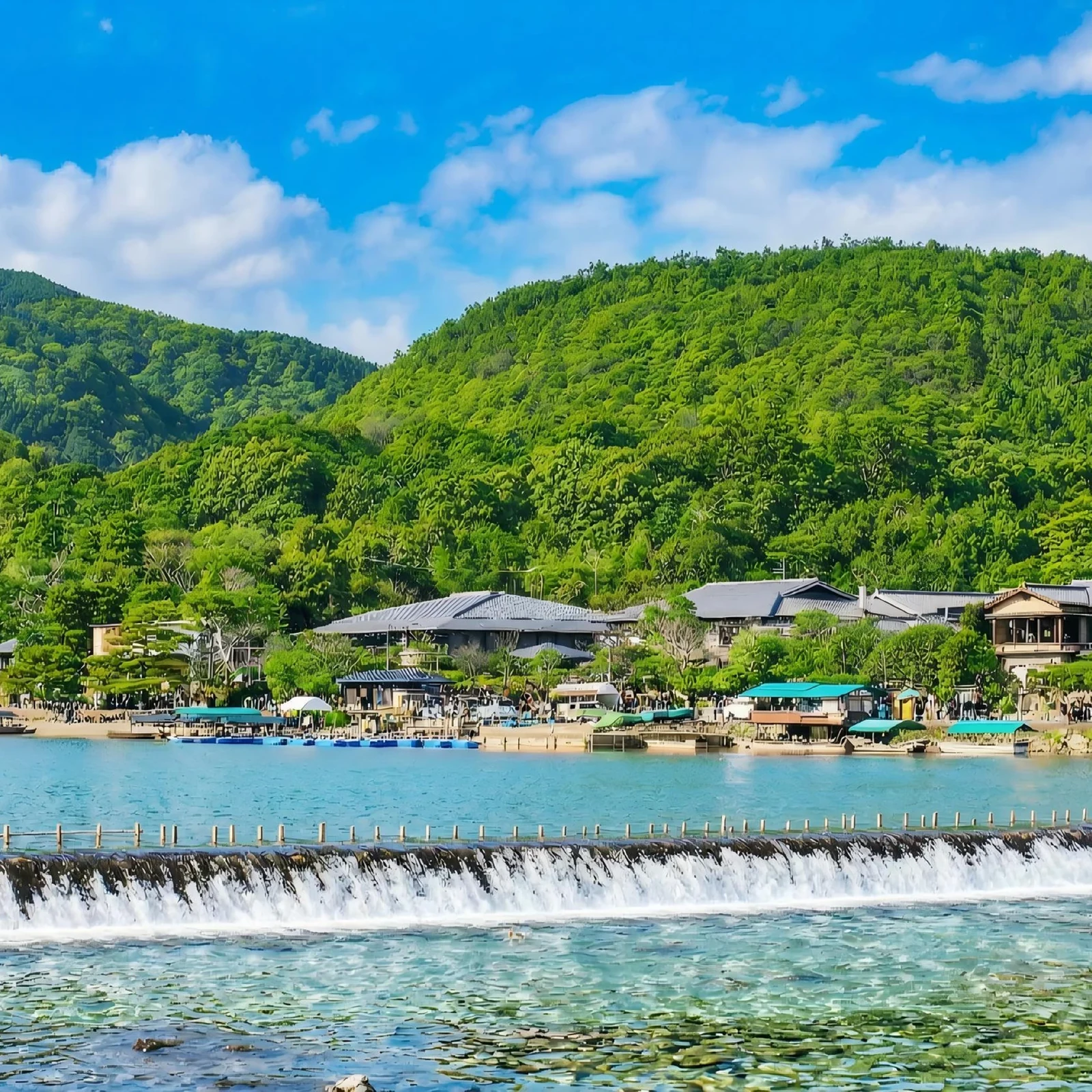
This second day is better suited to those who want to breathe in the landscape: river, hills, bamboo, gardens, and gentle mountains. It may disappoint anyone expecting absolute solitude; Kyoto is a deeply visited city, and its icons are rarely empty.
Three days allow Kyoto to stop being a list and begin to become an atmosphere.
Day 1: Southern and eastern Kyoto. Start with Fushimi Inari and continue to Kiyomizu-dera, Sannenzaka, Ninenzaka, Maruyama Park, and Gion. It is the most photogenic day, but also the one most exposed to crowds.
Day 2: Arashiyama at an easy pace. Set aside the second day for Arashiyama. Walk through the bamboo grove, cross toward the river, look for secondary temples, and do not measure the day only by famous places. In Kyoto, what stays with you often appears in a side street, a small garden, or a sound: a bell, a fountain, sandals on gravel.
Day 3: Kinkaku-ji, Ryōan-ji, and Nishiki Market. The third day can focus on the north: Kinkaku-ji and Ryōan-ji make a logical pairing for anyone who wants to see two different sides of Kyoto: the almost unreal gleam of the Golden Pavilion and the austerity of the dry garden. In the afternoon, head down toward the center and stroll through Nishiki Market, although it is worth keeping expectations moderate: it is tasty, lively, and convenient, but also touristy and at times narrow.
With seven days, Kyoto becomes more generous. You no longer need to chase every major temple or visit three neighborhoods in a single day.
Day 1: Arrival, city center, and Pontocho. Settle in, walk along the Kamo River, and have dinner in the Pontocho or Kawaramachi area. Do not force monuments into the first day.
Day 2: Fushimi Inari and southern Higashiyama. Get up early for Fushimi Inari and devote the rest of the day to Kiyomizu-dera and its historic streets.
Day 3: Gion, Maruyama, and the eastern temples. Explore Gion with more patience, step into secondary temples, and walk toward Nanzen-ji if you are interested in a less obvious Kyoto.
Day 4: Full Arashiyama. Do Arashiyama without rushing: bamboo, river, temples, small tea breaks, and a return before exhaustion sets in.
Day 5: Northern Kyoto. Kinkaku-ji, Ryōan-ji, and the surrounding area. This is a more spread-out day, so it is best not to overload it.
Day 6: Day trip to Nara, Uji, or Osaka. Kyoto is a great base for excellent day trips. Nara works well if you are looking for monumental temples and deer in a historic setting; Uji if you are interested in green tea and a calmer atmosphere; Osaka if you want urban contrast, street food, and nighttime energy.
Day 7: Slow Kyoto. Leave the final day open. Return to a neighborhood you liked, shop at leisure, walk along the river, or visit a less famous temple. Kyoto is more enjoyable when you do not try to possess it whole.
For a first visit, the most sensible route is Fushimi Inari + Higashiyama + Gion + Arashiyama + Kinkaku-ji/Ryōan-ji. For couples, add sunset walks along the Kamo River and quiet dinners. For families, it is better to space out the temples and avoid days with too many transfers. For travelers who hate crowds, Kyoto can be difficult: it is worth getting up early, traveling outside the spring and autumn peaks, and seeking out lesser-known temples.
Spring and autumn are the most beautiful seasons, and also the most demanding. If you want to see Kyoto with cherry blossoms or red maple leaves, leave more breathing room, start early, and assume the icons will be shared with many other travelers.
In summer, the heat and humidity can make walking feel heavier than expected; in winter, the city is barer, colder, and often more livable.
The first mistake is believing places are close together just because they appear together in a list. Kyoto forces you to think by area. The second is visiting famous temples at midday in high season, exactly when the experience becomes more crowded. The third is dedicating only one day and expecting a peaceful revelation.
Kyoto is worth it, but not always in the way you imagine. It can be delicate and overwhelming, spiritual and commercial, silent first thing in the morning and exhausting by midday. Those who explore it patiently discover a city of layers: the postcard, the neighborhood, the garden, the shadow, the small ceremony of entering, looking, and leaving without making a sound.
Complete your Kyoto itinerary with selected experiences that fit naturally into one-day or multi-day routes.
Activity on TourBookGoBook an early morning Kyoto tour in a small group to visit Fushimi Inari, Arashiyama and Kinkaku-ji with an English-speaking guide.
 Activity on TourBookGo
Book a Nara Fushimi Inari Arashiyama bus tour from Kyoto or Osaka and visit Nara Park, Fushimi Inari Taisha and Arashiyama with organised transport.
 Activity on TourBookGo
Book a private Kyoto tour with licensed guide. Choose 4, 6, or 8 hours, tailor the route, and visit temples, shrines, Gion, and historic districts.