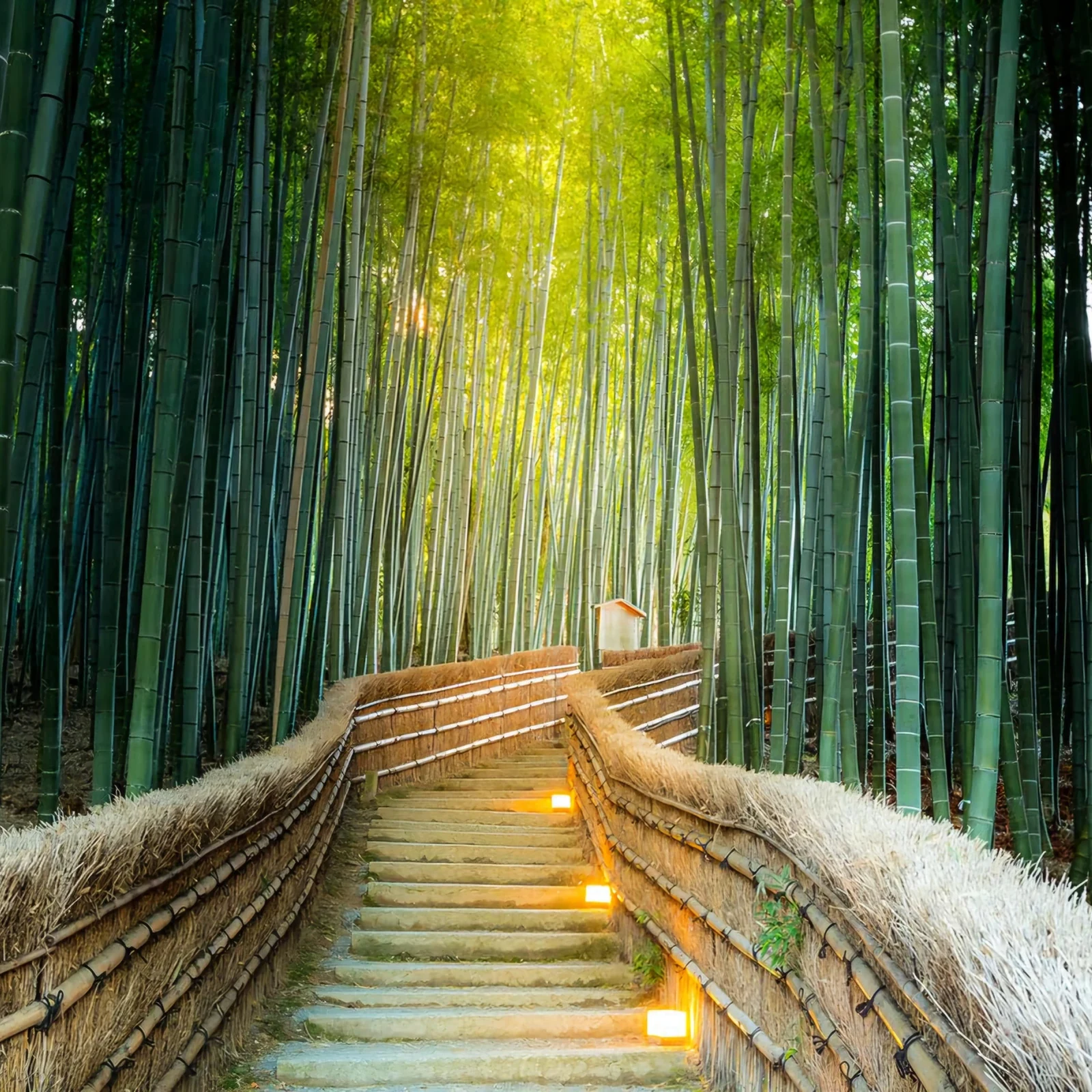
 Activity on TourBookGo
Private Kyoto, Nara or Osaka day trip from Osaka, your way
Book a private Kyoto Nara Osaka day trip from Osaka: 10 hours with a guide, chauffeur-driven car, pickup included, and customizable route.
Kyoto safety is one of the city’s quiet strengths: calm streets, easy transport and a low-risk atmosphere when you travel with attention and respect.
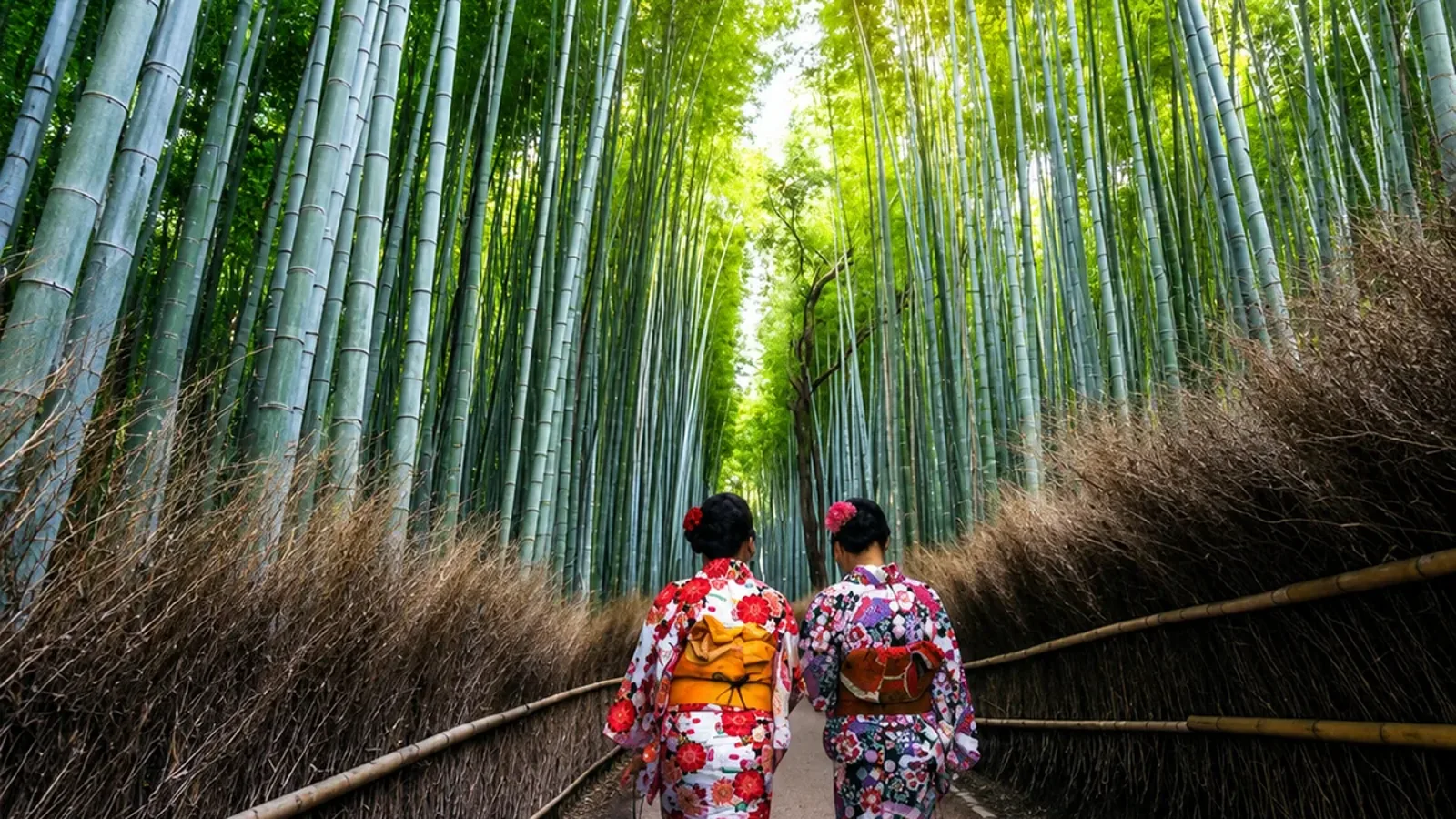
Kyoto safety is one of the reasons many travelers choose the city for a first trip to Japan. You feel it in the bicycles left beside shops, the children walking home from school, and the temples that empty at dusk without becoming unsettling. For a cautious traveler, Kyoto is a comfortable, low-risk city. Still, it is not unreal: pickpocketing can happen in crowded places, Gion at night calls for respect and common sense, and the bigger travel risks often come from heat, typhoons, earthquakes, or simple fatigue rather than crime. The U.S. Department of State describes crime against its citizens in Japan as low, although it warns about pickpocketing in crowded areas and advises caution in entertainment districts at night. Travel.State.Gov
Compare locations and options to find a base that suits your trip. Booking.com confirms current availability and pricing.
Find accommodation on BookingKyoto rarely feels intimidating. Its streets carry an old calm, even when Higashiyama fills with groups, umbrellas, rented kimonos and cameras. Walking through Gion at nightfall, crossing the Kamo River or taking the subway back after dinner is usually a peaceful experience.
The biggest mistake would be to let your guard down completely because “Japan is safe.” Around Kyoto Station, on crowded buses heading to Kiyomizu-dera or Fushimi Inari, and in narrow tourist streets, it is wise to keep your backpack in front of you, avoid leaving your phone on a café table and keep an eye on your passport. Not because Kyoto is dangerous, but because crowded places always create small opportunities.
There is no tourist area in Kyoto that the average traveler needs to systematically avoid. Downtown Kyoto, Gion, Higashiyama, Arashiyama, Nishiki Market, Pontocho and the station area can all be explored with common sense.
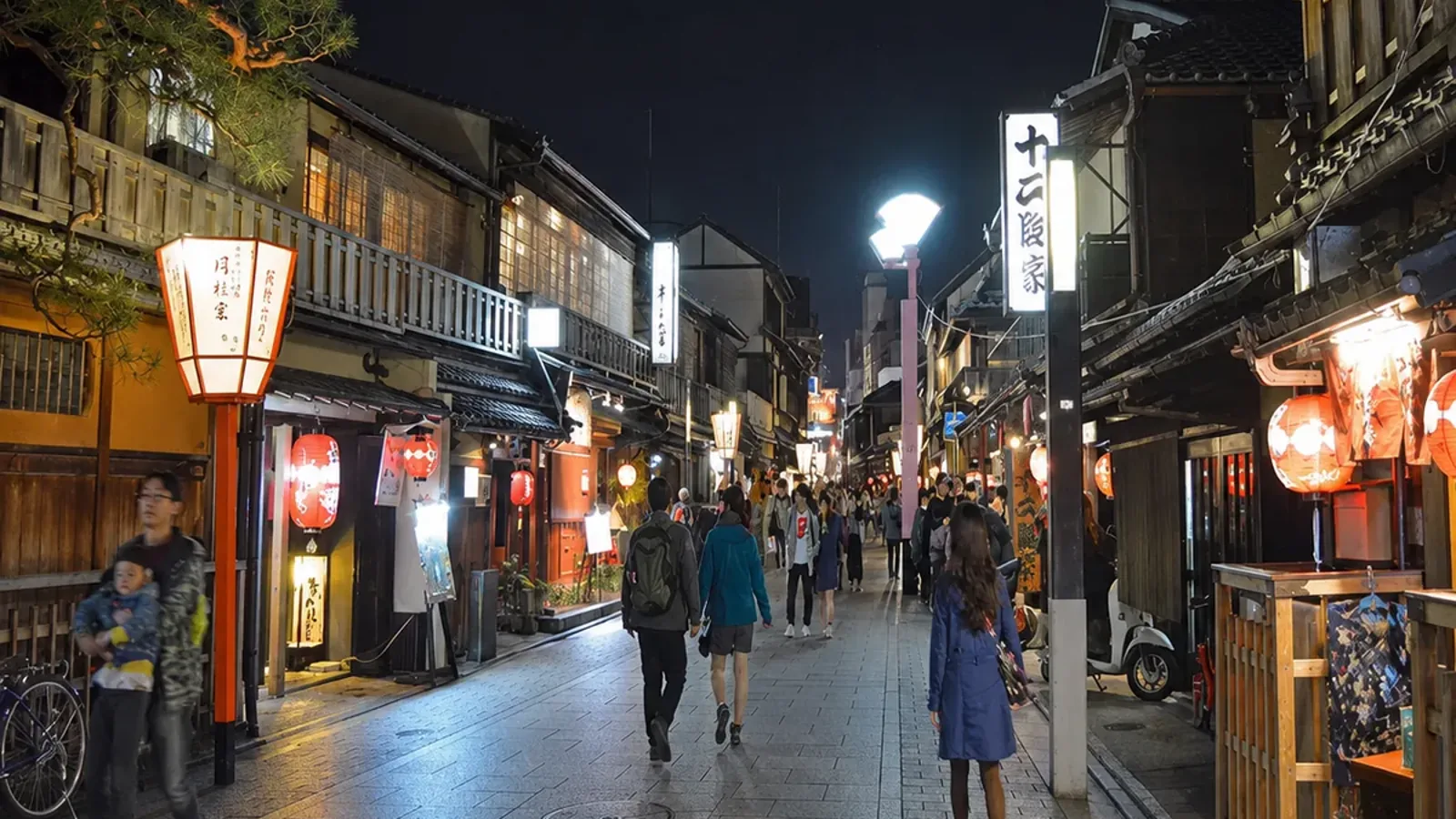
Caution matters more at night in streets lined with bars, karaoke venues and izakayas, especially if alcohol is involved or if someone you do not know recommends a specific place too insistently. Kyoto does not have the nightlife intensity of Tokyo or Osaka, but any entertainment district can become less straightforward when alcohol, fatigue and disoriented tourists are part of the mix. The recommendation is simple: choose visible establishments, check prices before ordering and do not follow pushy touts.
Gion is not dangerous; it is fragile. Its wooden alleyways, discreet lanterns and closed doors are not a stage set, but a living neighborhood. In recent years, some private streets in the district have been restricted to visitors because of overtourism and poor tourist behavior. AP reported on the closure of private alleyways in Gion and signs intended to keep visitors out of certain areas. AP News
Safety here is also a matter of respect: do not chase geiko or maiko to photograph them, do not trespass into private entrances, do not block narrow streets and do not mistake silence for permission. Those who travel gently enjoy Kyoto more; those who treat it like a backdrop often end up feeling rejected by it.
Kyoto is a good city for women traveling alone. It is easy to have dinner without feeling watched, get around by public transport and walk through central areas after sunset. Even so, normal caution is still necessary: let someone at your accommodation know where you are going, avoid returning very late through empty streets if you have been drinking, sit near other people on late-night trains and do not accept drinks from strangers.
The sense of safety can make a traveler relax more than she would in other cities, and that is precisely the trap. Kyoto allows you to slow down, not abandon your instincts.
For families, Kyoto is safe and culturally fascinating, but not always easy. The issue is usually not safety, but logistics: narrow sidewalks, crowded buses, stairs, sprawling temples and overly ambitious days. With young children, it is best to avoid itineraries that try to combine Fushimi Inari, Kiyomizu-dera, Nishiki Market and Arashiyama in a single day.
In summer, the heat can be more serious than any urban risk. Kyoto’s official guide mentions heatstroke alerts issued when the forecast risk is extremely high, and recommends checking the forecast and heat index before going out. Kyoto Travel
Scams in Kyoto are not usually aggressive, but small annoyances do exist: unclear bar charges, tourist shops with inflated prices, unnecessary taxis suggested in moments of confusion, or questionable “traditional” experiences sold as exclusive. The best defense is not to make decisions in a hurry.
It is also wise to carry cash, because some hospitals and pharmacies do not accept cards as readily as other tourist services. Kyoto’s official guide notes that credit cards are rarely accepted in Japanese hospitals and pharmacies, so it is sensible to travel with insurance and keep some money available for emergencies. Kyoto Travel
Kyoto seems still, almost eternal, but it is in Japan: earthquakes, typhoons and heavy rains are part of the real map of the journey. There is no need to obsess over them, but you should know how to react. Kyoto’s official guide recommends checking up-to-date information if an earthquake, typhoon or other disaster occurs during your trip. Kyoto Travel
During the rainy season or typhoon season, your plans should remain flexible. A temple in the rain can be beautiful; a long transfer under weather alerts is not. It is worth checking the weather, avoiding mountain-area excursions if conditions worsen and leaving room to move your visit to Arashiyama, Kurama or Kibune to another day.
In Japan, the police number is 110 and the number for fire or ambulance services is 119. The Japan National Tourism Organization also offers the Japan Visitor Hotline, available 24 hours a day, every day of the year, for tourist information and assistance in the event of accidents, illness or disasters. Japan Travel
In Kyoto, calls to 119 may include simultaneous telephone interpretation in English, Chinese, Korean, Spanish and Portuguese for foreign visitors. Kyoto Travel
It is also useful to know that koban, small neighborhood police boxes, can be used to ask for help, report lost items or report a problem. Kyoto Travel
Kyoto is very worthwhile for solo travelers, couples, relaxed families, older travelers with good mobility and anyone looking for a culturally intense city without a constant sense of alert. It is a city where you can wake up early, walk quietly toward a temple and feel the day begin with a rare softness.
It may disappoint those who imagine an empty, spiritual, silent city at all hours. Kyoto is safe, yes, but it is also overcrowded at its most famous icons. The crowds are not usually dangerous, but they can be exhausting. The emotional safety of the trip improves greatly if popular places are visited early and slower hours are reserved for less-photographed neighborhoods.
Traveling to Kyoto is, in general, a safe experience. The city does not demand fear; it demands attention. Looking after your belongings in crowds, respecting Gion’s rules, staying hydrated in summer, checking the weather in unstable seasons and saving emergency numbers are enough to move around with peace of mind.
Kyoto’s true beauty appears when you stop treating it as an easy destination and begin to see it for what it is: a living, polite, delicate and at times overcrowded city, where safety is not only about protecting yourself, but also about learning not to disturb.
Enjoy Kyoto through selected, well-organised experiences that help you explore the city with greater peace of mind.
Activity on TourBookGoBook a private Kyoto Nara Osaka day trip from Osaka: 10 hours with a guide, chauffeur-driven car, pickup included, and customizable route.
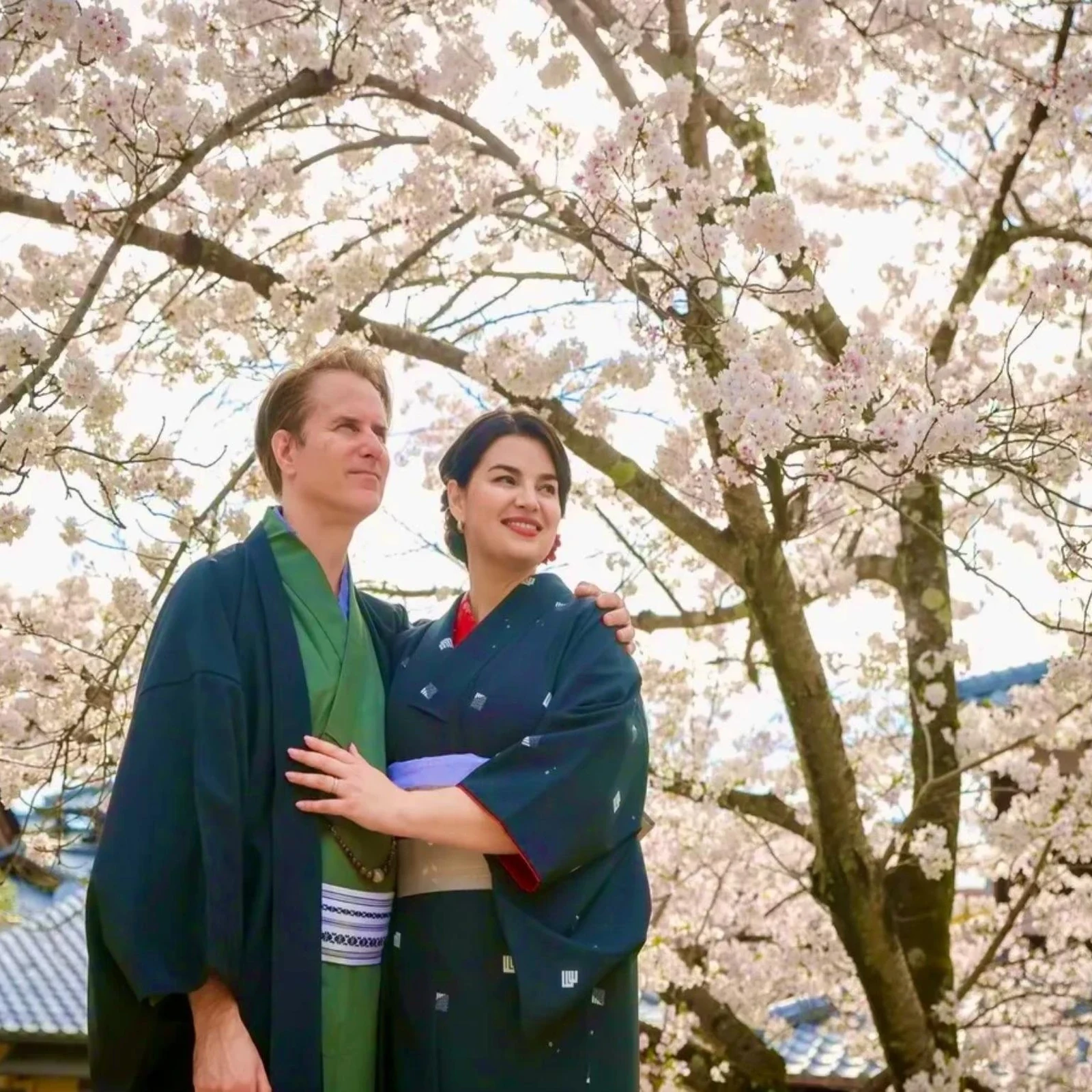 Activity on TourBookGo
Book a Kyoto photography tour with a private photographer-guide, Gion, Yasaka Shrine, Kiyomizu-dera, Ninenzaka, Sannenzaka and edited photos.
 Activity on TourBookGo
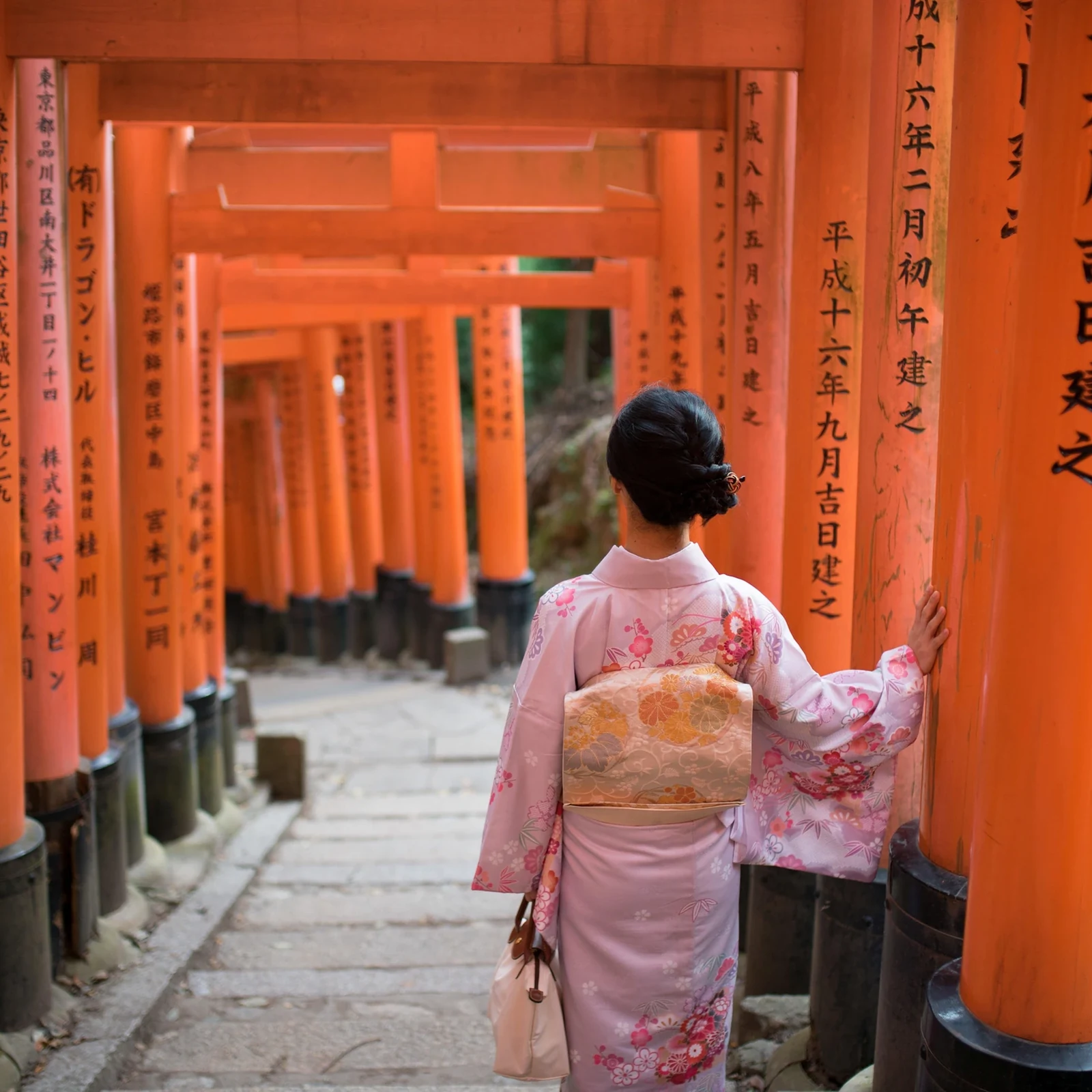
Book a Nara Arashiyama Fushimi Inari day tour from Kyoto or Osaka with Nara Park, bamboo forest, red torii gates, bilingual guide and organised transport.