 Activity on TourBookGo
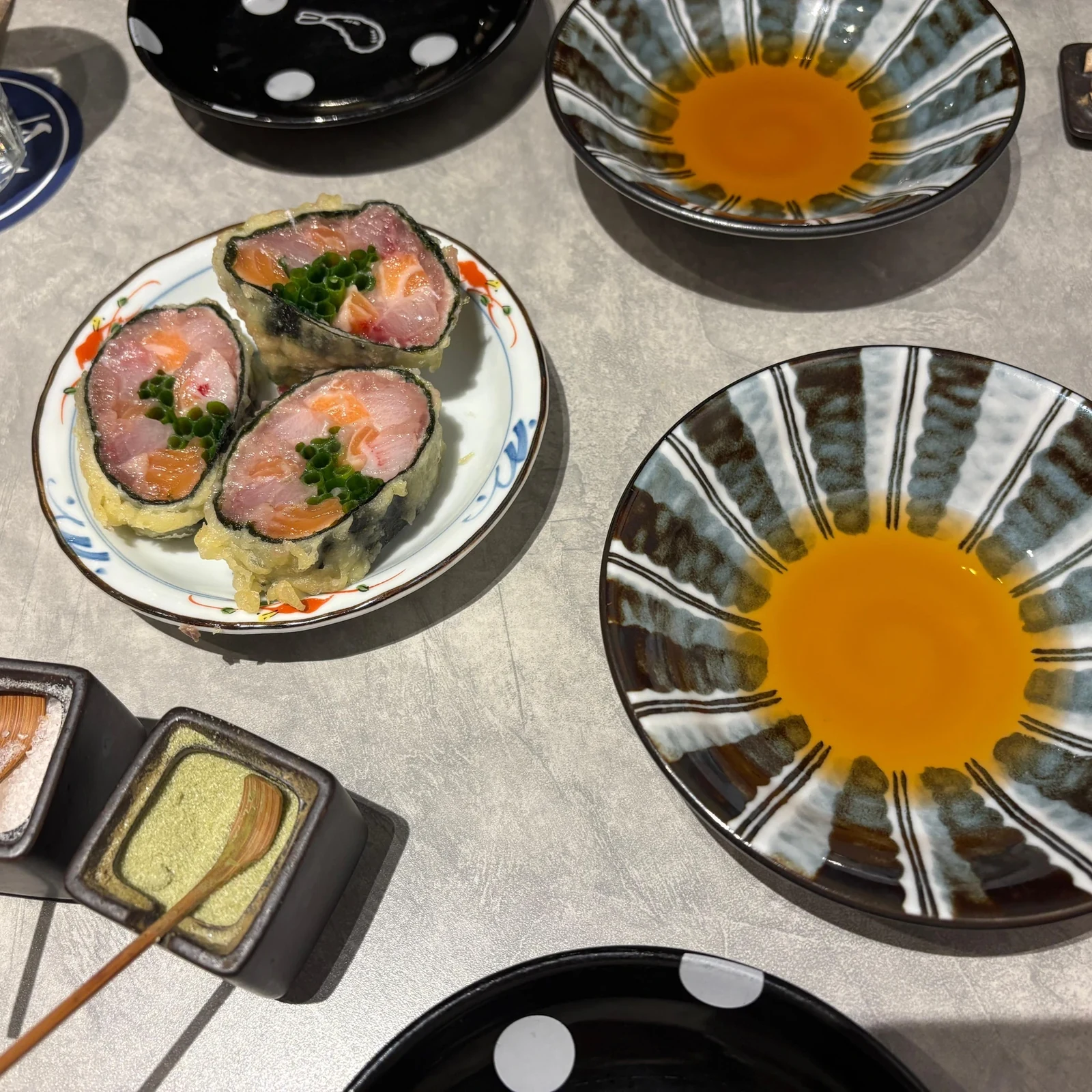
Gion food tour in Kyoto with local flavors and geisha culture
Book a Gion food tour in Kyoto and Pontocho with 13 Japanese dishes, 4 local eateries, an English-speaking guide, and 2 drinks included.
Where to eat in Kyoto is not just about finding “good restaurants.” It is about understanding a city that cooks with the seasons, with silence, precision, and memory.
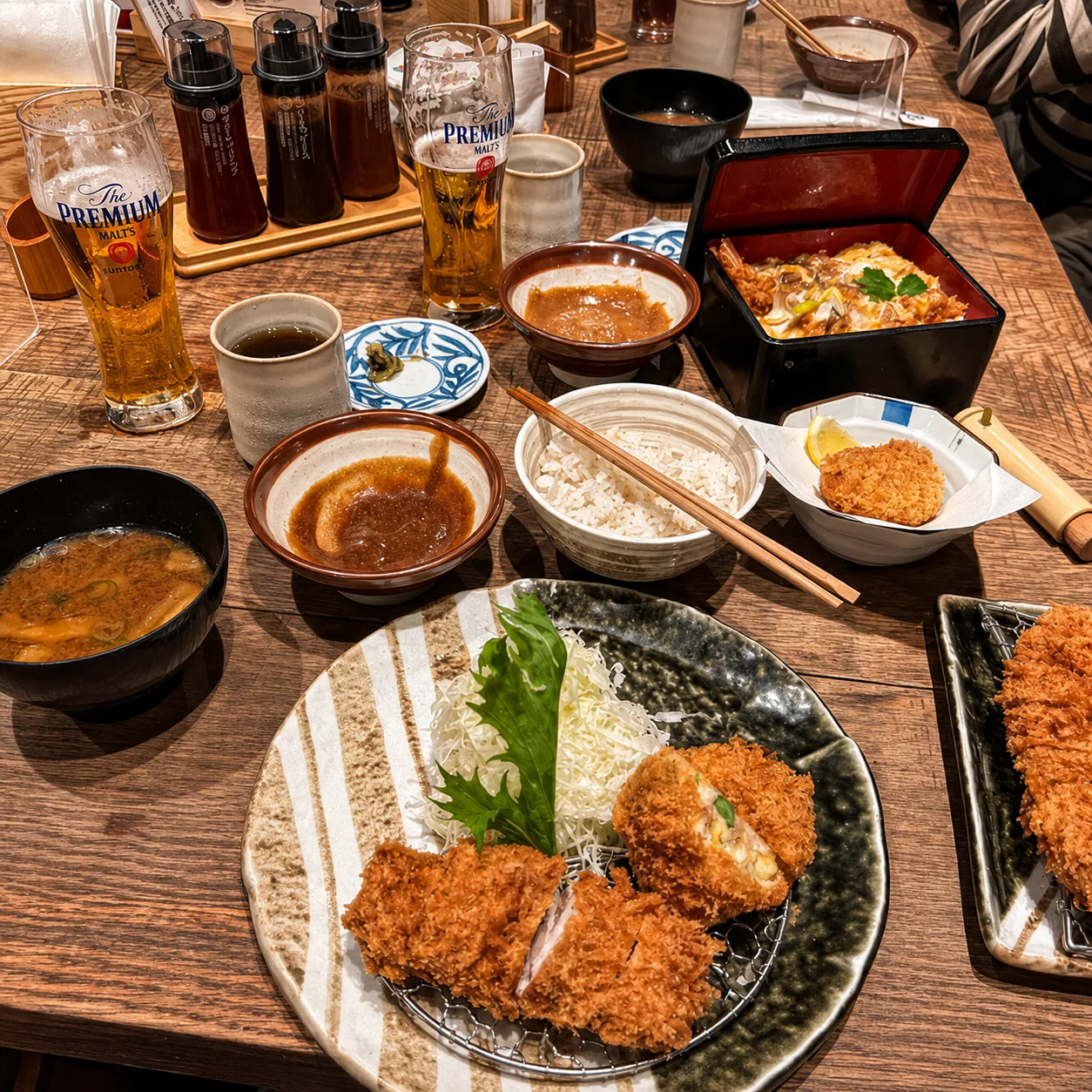
If you are wondering where to eat in Kyoto, start by understanding that this is one of Japan’s great culinary capitals, but also a city where travelers can easily get it wrong: paying too much for a stiff dinner, queuing at a viral spot with no soul, or expecting an explosion of flavors when traditional Kyoto food usually speaks softly. The reward comes when you accept its rhythm.
Compare locations and options to find a base that suits your trip. Booking.com confirms current availability and pricing.
Find accommodation on BookingHere, a dish may look simple — a bowl of warm tofu, some pickled vegetables, a clear soup — and yet contain centuries of patience. Knowing what to eat in Kyoto helps you enjoy a cuisine that favors quiet depth over spectacle.
Kaiseki is Kyoto’s most refined expression: a multi-course meal in which every dish responds to the season, the vessel, the color, and the gesture. It is not a dinner for anyone in a hurry, nor for those seeking immediate abundance. It is a contemplative experience — sometimes expensive, sometimes unforgettable, and not always exciting for every palate.
It is worth it if you are interested in cuisine as art, if you enjoy small details, and if you are open to subtle flavors. It may disappoint you if you expect large portions, bold spices, or a casual dinner. Kyoto remains a benchmark for kaiseki and for other traditional cuisines such as shojin ryori and obanzai.
Kyoto Travel
Obanzai is perhaps the most honest way to eat in Kyoto. These are home-style, seasonal dishes, usually prepared with local vegetables, tofu, fish, seaweed, gentle broths, and pickles. It does not try to impress; it tries to nourish well.
To try it, it is worth looking beyond the most photographed streets. In areas such as Kawaramachi, Karasuma, Sanjo, or the lanes north of the city center, you will find small restaurants and izakayas where a counter seat, three simple dishes, and a discreet conversation can say more about Kyoto than a luxury dinner.
Yudofu, tofu gently warmed in broth, is one of the dishes most closely associated with winter and temple areas. It fits especially well around Nanzen-ji, Arashiyama, or neighborhoods near gardens and monasteries. Do not expect an aggressive flavor: its charm lies in the texture, the steam, the ponzu, and the calm.
If you do not like tofu, do not force the experience just because it seems “very Kyoto.” Some travelers leave fascinated; others find it too austere. Both are right.
Kyoto changes a lot depending on the area. Some neighborhoods offer atmosphere, others practicality, and others a beauty that works better away from peak hours. Choosing the right area can improve both the meal and the memory of the day.
Nishiki Market is famous for a reason: it brings together products, sweets, pickles, fish, yuba, Kyoto vegetables, and small bites along a narrow street of about 400 meters. It is photogenic, lively, and useful if you want to try many things in a short time.
Kyoto Travel
But it should not be idealized. It can be very crowded, some prices are more tourist-oriented than local, and not everything sold there is exceptional. The key is to go early, taste little by little, and respect the etiquette: the market itself asks visitors not to walk while eating and to consume what they buy in front of the shop or inside the premises whenever possible.
錦市場商店街
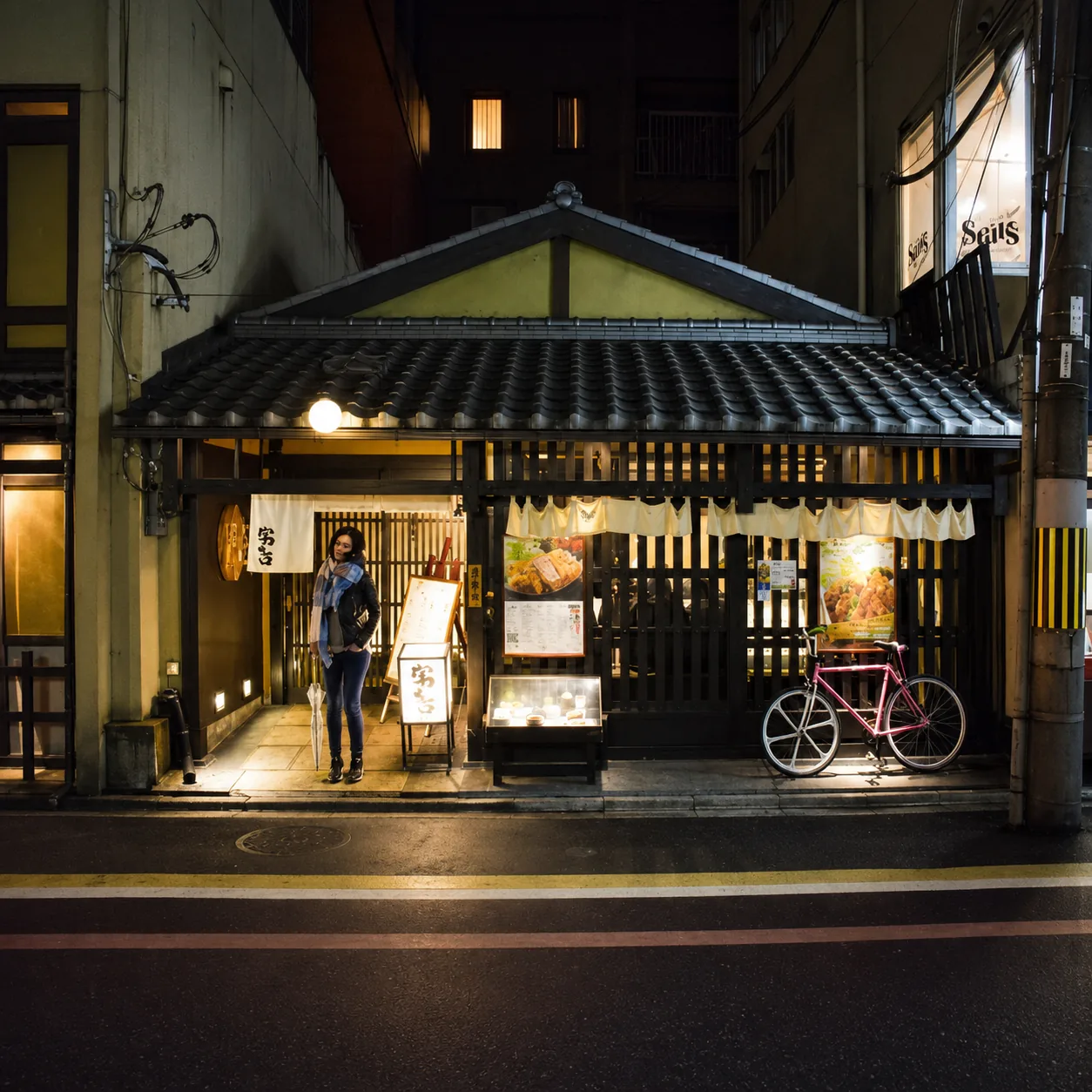
Gion and Pontocho are neighborhoods of low light, dark wood, lanterns, and alleyways where Kyoto seems to perform its own legend. Eating here can be wonderful, but also expensive and uneven. There are excellent traditional restaurants, intimate bars, and restaurants overlooking the Kamo River, but also places that charge more for the location than for the cooking.
They are worth it for a special night. For cheap eats in Kyoto, it is better not to make Gion your only option.
The area around Kyoto Station does not have the romance of Higashiyama, but it is very useful. There is ramen, sushi, tonkatsu, Japanese curry, izakayas, and shopping-mall restaurants that can save a late arrival, a rainy day, or a return trip from Nara, Osaka, or Uji.
It may not be the most poetic Kyoto, but it is one of the easiest places to eat well without overplanning.
In Arashiyama, the setting does a lot of the work: mountains, river, bamboo, bridges, gardens. Tofu, green-tea sweets, relaxed lunches, and cafés with views all fit well here. The problem is overcrowding. Near the main streets, some places rely more on tourist flow than on quality.
The best strategy is to eat early, book ahead if you want something special, or walk a few streets beyond the main circuit.
In addition to kaiseki, obanzai, and yudofu, look for nishin soba, a bowl of soba with simmered herring that belongs to the local tradition; yuba, the delicate skin of tofu; tsukemono, pickled vegetables; matcha sweets; and seasonal preparations with Kyoto vegetables. Kyoto local dishes do not always dazzle at the first bite: often, they win you over when you listen patiently.
Kyoto Travel
Kyoto can be expensive, but it does not force you to spend a lot to eat well. For tighter budgets, ramen, udon, soba, katsudon, gyoza, Japanese curry, simple izakayas, and prepared-food counters in markets or department stores work especially well.
The food basements in some stations and shopping centers — those famous prepared-food halls — are an honest solution: less romantic, yes, but often tasty, quick, and varied. It is also worth making the most of lunch: many restaurants offer more affordable set menus at midday than at night.
Kyoto has a high-level dining scene, with restaurants recognized by international guides and a strong tradition of refined Japanese cuisine. The MICHELIN Guide Kyoto Osaka 2026, published in April 2026, once again highlighted the city’s culinary strength, including significant new additions in Japanese cuisine.
Michelin
Even so, a hard-to-get reservation does not guarantee a happy experience. Some travelers enjoy an obanzai counter more than a formal three-hour dinner. Before booking fine dining, ask yourself whether you want ceremony, silence, and precision, or whether you prefer a livelier, more spontaneous, more relaxed meal.
The first mistake is choosing a restaurant only because there is a queue. In Kyoto, a long line can mean quality, but it can also mean social-media fame. The second mistake is looking only for sushi: Kyoto is not Tokyo or Kanazawa, and although you can eat good sushi here, the local identity goes in other directions.
Another common mistake is filling every meal with ambitious reservations. Kyoto is tiring: temples, walking, crowds, transport, summer heat, damp winter cold. Sometimes, the best dinner is a simple counter near your hotel.
It is also worth avoiding traditional restaurants without at least a basic understanding of their rules: punctuality, cancellations, strong perfume, excessive noise, and last-minute changes may be frowned upon, especially in small establishments.
Kyoto is ideal for travelers who value seasonality, aesthetics, delicate cooking, and discreet rituals. It is a magnificent city for those who enjoy markets, teas, sweets, tofu, broths, and intimate dinners.
It may not be the best food city for those looking for cheap abundance at all hours, intense spice, overflowing nightlife, or total improvisation at famous restaurants. For that, Osaka is usually more direct, louder, and more generous.
The most balanced formula would be this: one calm traditional meal, a careful visit to Nishiki Market, an obanzai dinner, an unpretentious bowl of ramen, some matcha sweets, and, if the budget allows, a well-chosen kaiseki experience.
Kyoto does not always seduce through excess. It seduces through precision: a wooden tray, a pickled vegetable, a cup of green tea, the steam rising from a bowl as evening falls over the low rooftops outside. Eating here is not about chasing what is famous. It is about learning to distinguish the delicate from the decorative.
Discover the culinary side of Kyoto through selected experiences featuring markets, tastings, workshops and special dinners.
Activity on TourBookGoBook a Gion food tour in Kyoto and Pontocho with 13 Japanese dishes, 4 local eateries, an English-speaking guide, and 2 drinks included.
 Activity on TourBookGo
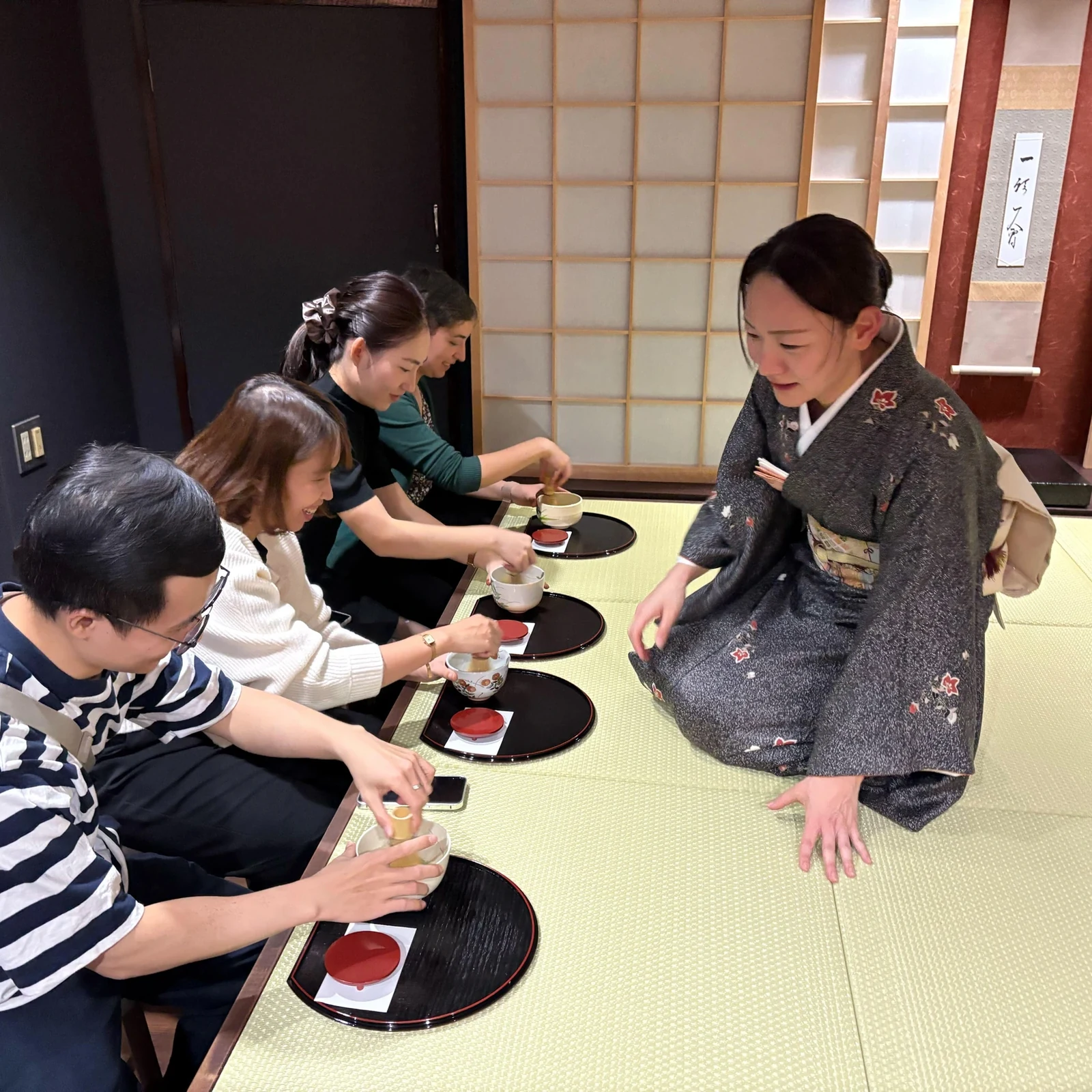
Book a tea ceremony in Gion Kyoto with matcha, Japanese sweets, an English-speaking instructor and private or small-group options.
 Activity on TourBookGo
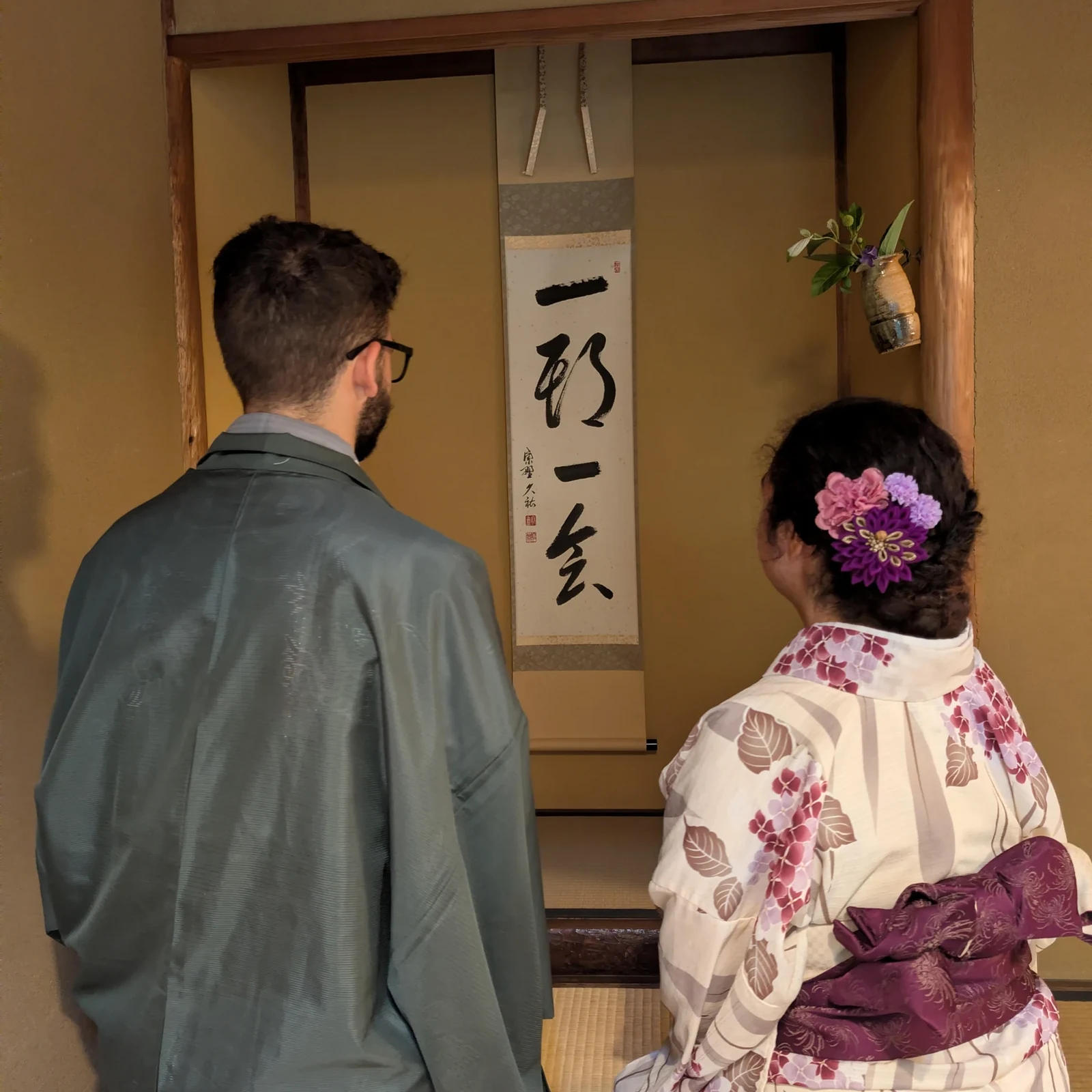
Book a kimono tea ceremony in Kyoto with English guidance, hands-on matcha preparation and Japanese sweets in Karasumashijo. From €45.