 Activity on TourBookGo
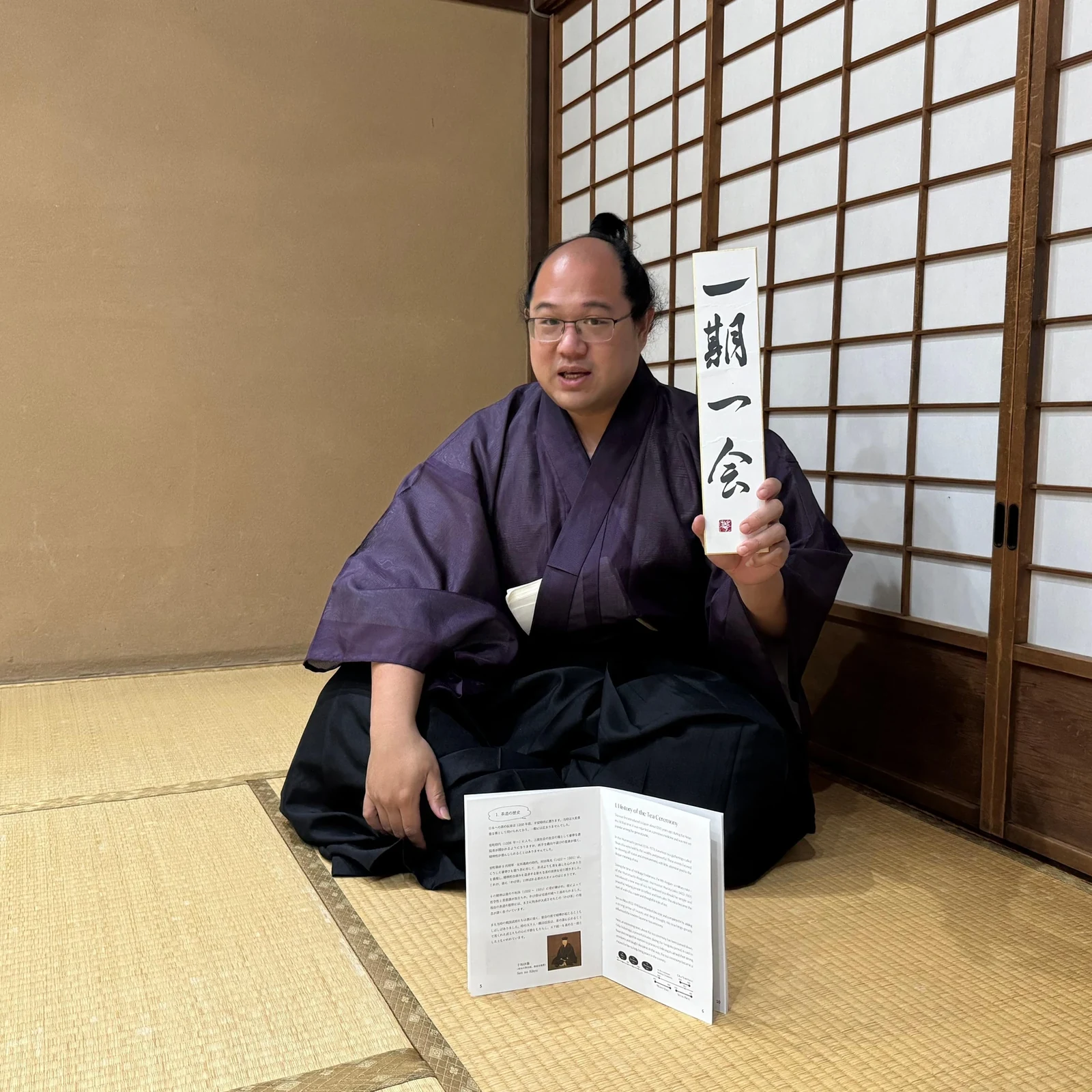
Tea ceremony in Kyoto in a historic machiya
Book a tea ceremony in Kyoto in a 100-year-old Kyo-Machiya townhouse, with a tea master, matcha, Japanese sweets, and optional kimono rental.
Knowing where to stay in Kyoto changes the rhythm of your trip: temples at dawn, easy dinners, smooth train connections and neighborhoods with very different moods.
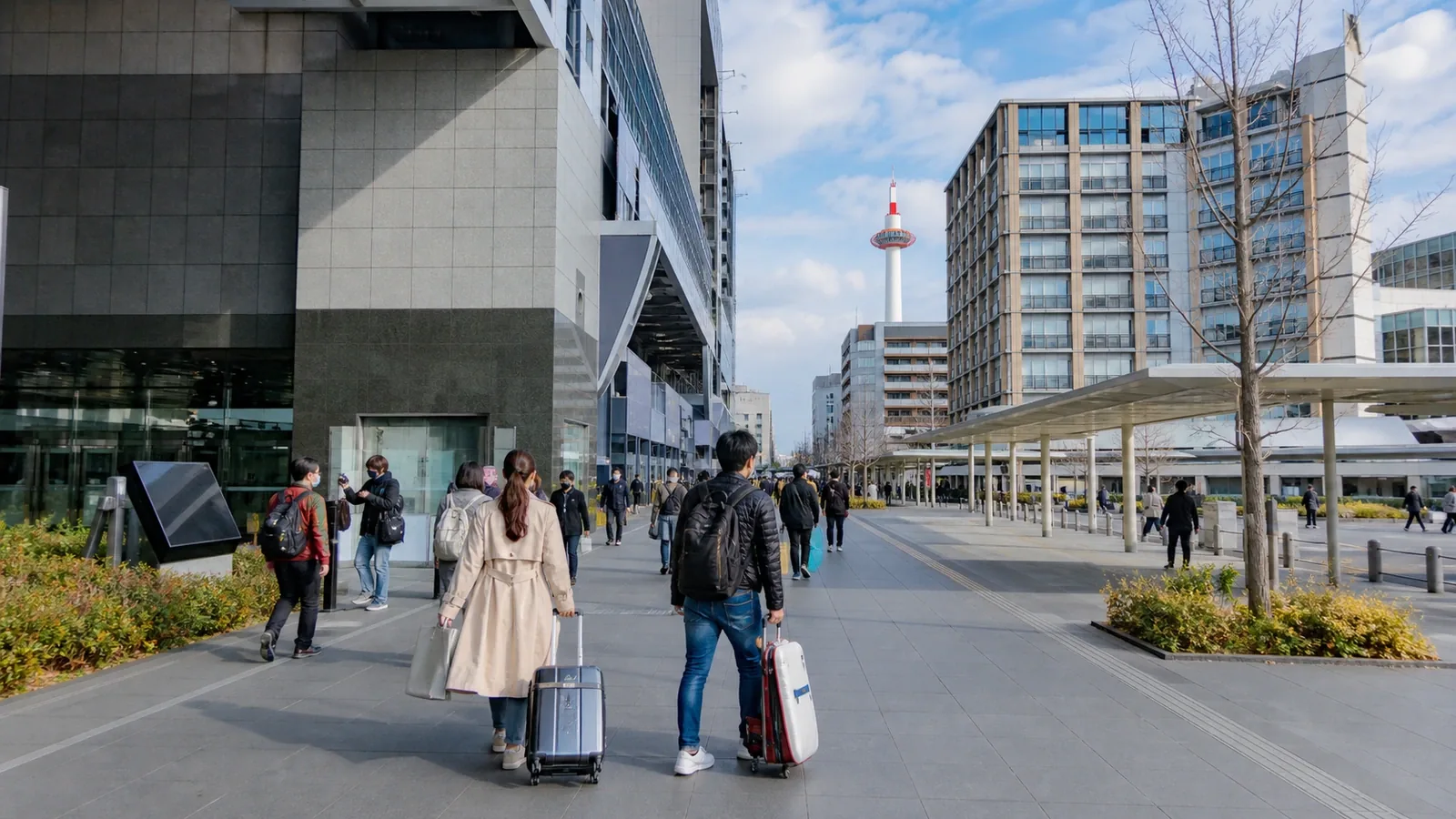
Choosing where to stay in Kyoto is not just a matter of picking a hotel. It changes the rhythm of the trip: you can wake up near wooden alleyways and lanterns in Gion, move around easily from Kyoto Station, go out for dinner without a plan in Kawaramachi, or retreat into the green calm of Arashiyama. The city may seem delicate, but it is not always convenient: distances can be deceptive, buses get crowded, and a poor location can turn every visit into a chain of transfers.
Compare locations and options to find a base that suits your trip. Booking.com confirms current availability and pricing.
Find accommodation on BookingFor a first trip, the most balanced area is usually somewhere between Kawaramachi, Shijo, Sanjo, and Gion-Shijo. This is practical Kyoto: restaurants, shops, evening atmosphere, walking access to Gion, and good connections to Higashiyama, Fushimi Inari, Osaka, or Nara depending on the station you choose.
It does not always offer the quietest postcard scene or the untouched romance of an old street, but it works very well. At night, you are not forced to return to a lifeless neighborhood, and during the day, you can improvise without always relying on the bus. For travelers with only a few days, that freedom is worth a lot.
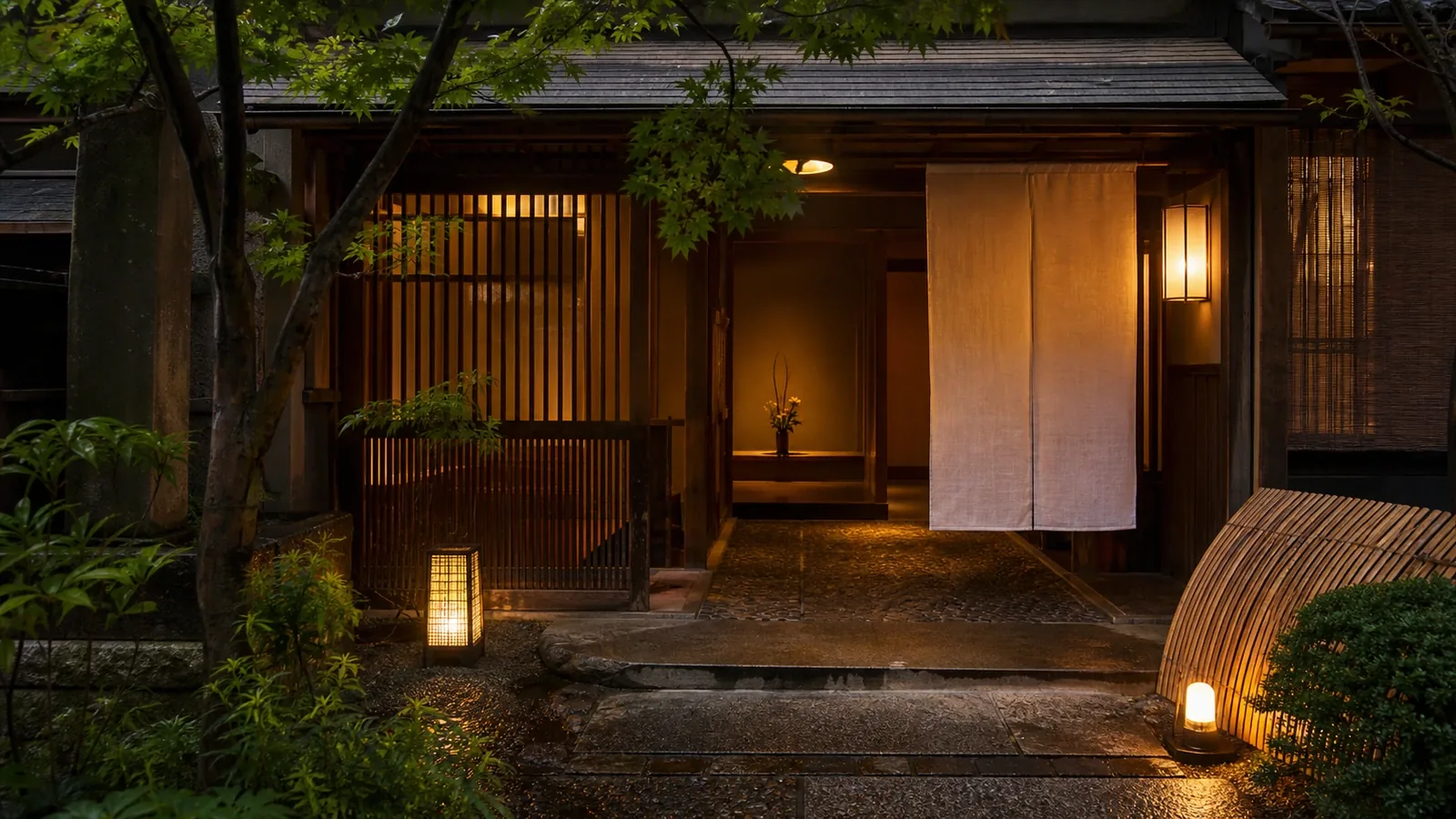
Staying in Gion or Higashiyama has something of a gentle stage set about it: wooden shutters, nearby temples, damp stone at dawn, discreet restaurants, and streets that still preserve a ceremonial beauty. It is one of the most distinctive areas for travelers who want classic Kyoto close to places such as Kiyomizu-dera, Yasaka-jinja, and Kodai-ji.
It is worth it if you are looking for a slow, aesthetic stay, especially beautiful at sunrise or in the late afternoon. It may disappoint if you expect low prices, large rooms, or maximum logistical convenience. Some streets are very crowded during the day and very quiet at night; others can feel overly touristy in high season.
The Kyoto Station area is ideal if you arrive by shinkansen, plan day trips to Nara, Osaka, Himeji, or Hiroshima, or prefer a modern, functional hotel that is easy to find with luggage. Staying near the station makes transfers simpler and early departures feel lighter.
Its weakness is obvious: this is not the most evocative Kyoto. There are shopping centers, wide avenues, business hotels, and less nighttime charm. But for families, travelers with luggage, busy itineraries, or short stays, it can be a very sensible choice. From this area, it is also easy to reach important temples in the south and surrounding areas.
Arashiyama is beautiful, especially when the day starts before the crowds arrive. There is a river, mountains, bamboo, gardens, and a more secluded atmosphere. It is a good choice for a special night, a romantic stay, or a trip where rest matters more than efficiency.
I would not choose it as the main base for a short first visit. It is farther from the center, and the daily logistics can become tiring if you want to visit Gion, Fushimi Inari, Nishiki Market, the Imperial Palace, or several temples in the east. It suits travelers looking for calm away from the city bustle rather than those who need to return to the heart of Kyoto every day.
The area around Kyoto Gyoen, Demachiyanagi, and northern Higashiyama offers a more residential Kyoto, less eager to impress. There are carefully run cafés, quiet streets, access to the Philosopher’s Path, and the feeling of a city that is lived in, not just visited.
It suits travelers who already know Japan or who do not need to be at the center of the action all the time. For a first visit of two or three days, it can be less practical, because it requires more careful planning for getting around.
I would not say there is a truly bad tourist area in Kyoto in the strict sense, but there are uncomfortable choices. Staying too far from a train or subway station can become tiring, especially with rain, humid heat, or luggage. It is also worth checking very cheap accommodation in outlying areas carefully: the savings may disappear in time, taxis, and fatigue.
Another common trap is choosing a hotel near Kyoto that is actually outside the city or in a poorly connected area. On the map, it may look reasonable; in practice, every outing takes more effort. In Kyoto, being close to a good transport line usually matters more than being close to one specific monument.
For most travelers, a car is not necessary. In fact, it is usually more of a nuisance than a help: parking, traffic, narrow streets, and sights where you end up walking a lot anyway. Kyoto is best enjoyed by combining train, subway, bus, the occasional taxi, and long walks.
A car only makes sense if you are going to explore rural areas, northern villages, routes outside the usual circuit, or if you are traveling with very specific needs. To visit Gion, Higashiyama, Fushimi Inari, Arashiyama, Nishiki Market, or the main temples, it is better not to depend on one.
If it is your first time, choose Kawaramachi-Shijo-Sanjo. If you want traditional beauty, choose Gion or Higashiyama. If you prioritize trains and day trips, choose Kyoto Station. If you are looking for calm and nature, choose Arashiyama, ideally as a special stay rather than your only base. If you want a slower, more local Kyoto, look toward the Imperial Palace or Demachiyanagi.
The season also matters a great deal. In spring and autumn, when the cherry blossoms and maples arrive, Kyoto fills up, and it is wise to book well in advance, especially if you want to stay in the most sought-after neighborhoods.
The best area to stay in Kyoto is not the most famous one, but the one that reduces friction in your trip. Kyoto rewards those who get up early, walk, and accept that its beauty is not always where the map promises it will be. Staying in a well-located area does not guarantee a perfect trip, but it does prevent you from losing the city among crowded buses, unnecessary transfers, and nights spent too far from where you really wanted to be.
Tours, guided visits and Kyoto activities to complete your trip from the neighborhood you choose as your base.
Activity on TourBookGoBook a tea ceremony in Kyoto in a 100-year-old Kyo-Machiya townhouse, with a tea master, matcha, Japanese sweets, and optional kimono rental.
 Activity on TourBookGo
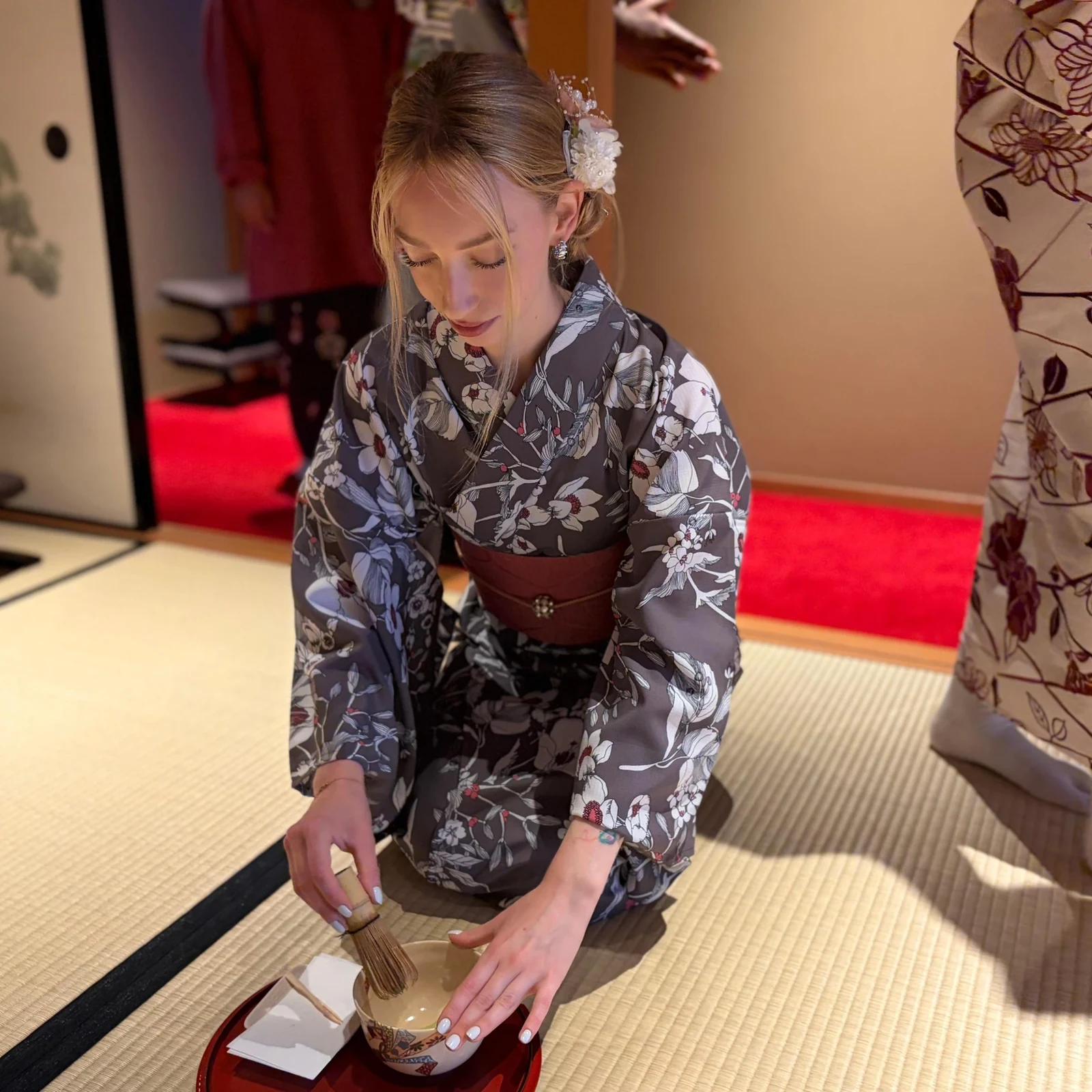
Kimono tea ceremony in Kyoto at Orizuruya Gion: matcha, wagashi, kimono rental, small group, price, duration and practical booking tips.
 Activity on TourBookGo
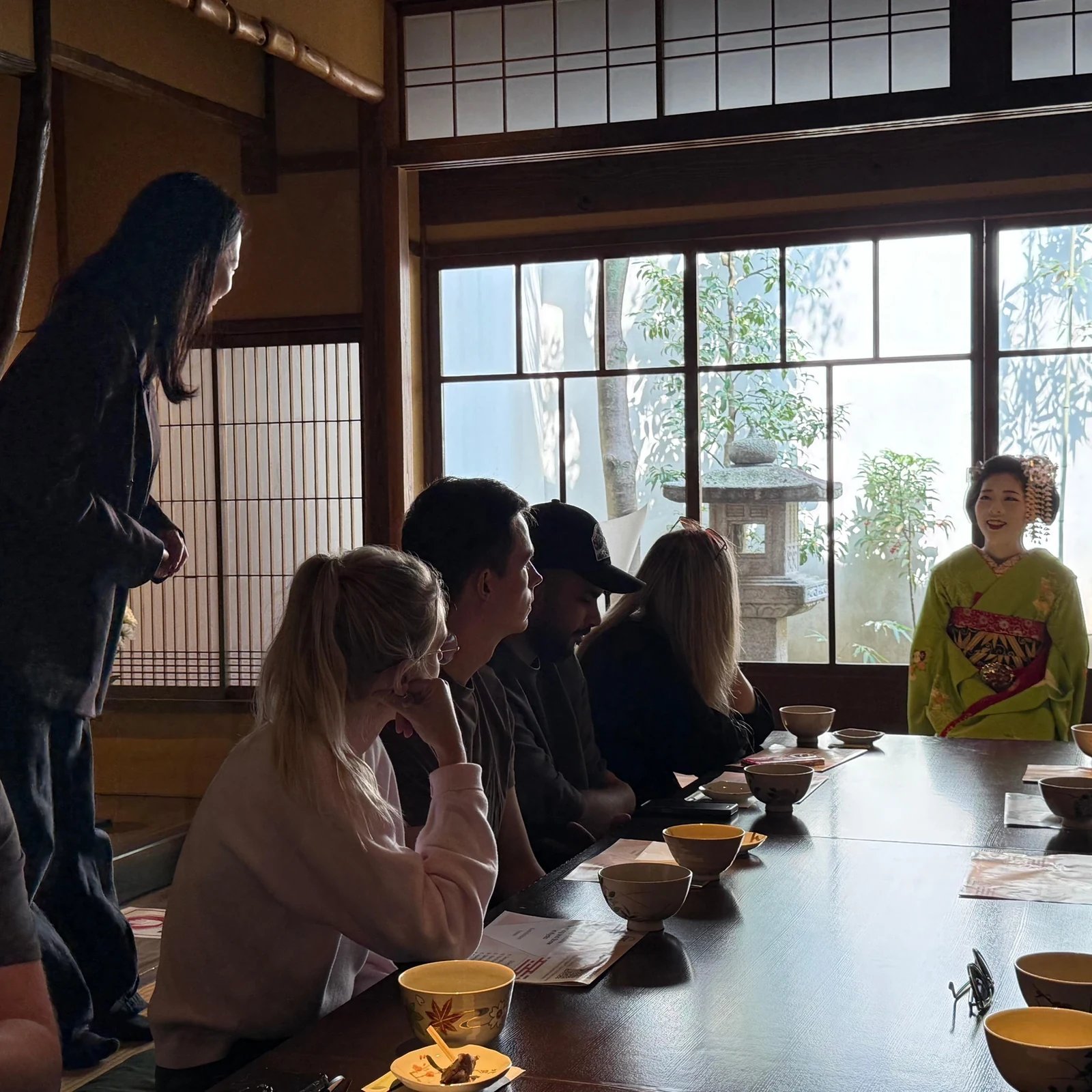
Book a Kyoto geisha show with a real Maiko: traditional performance, Q&A, photos, Japanese tea, snacks and a guide in a close, easy format.