 Activity on TourBookGo
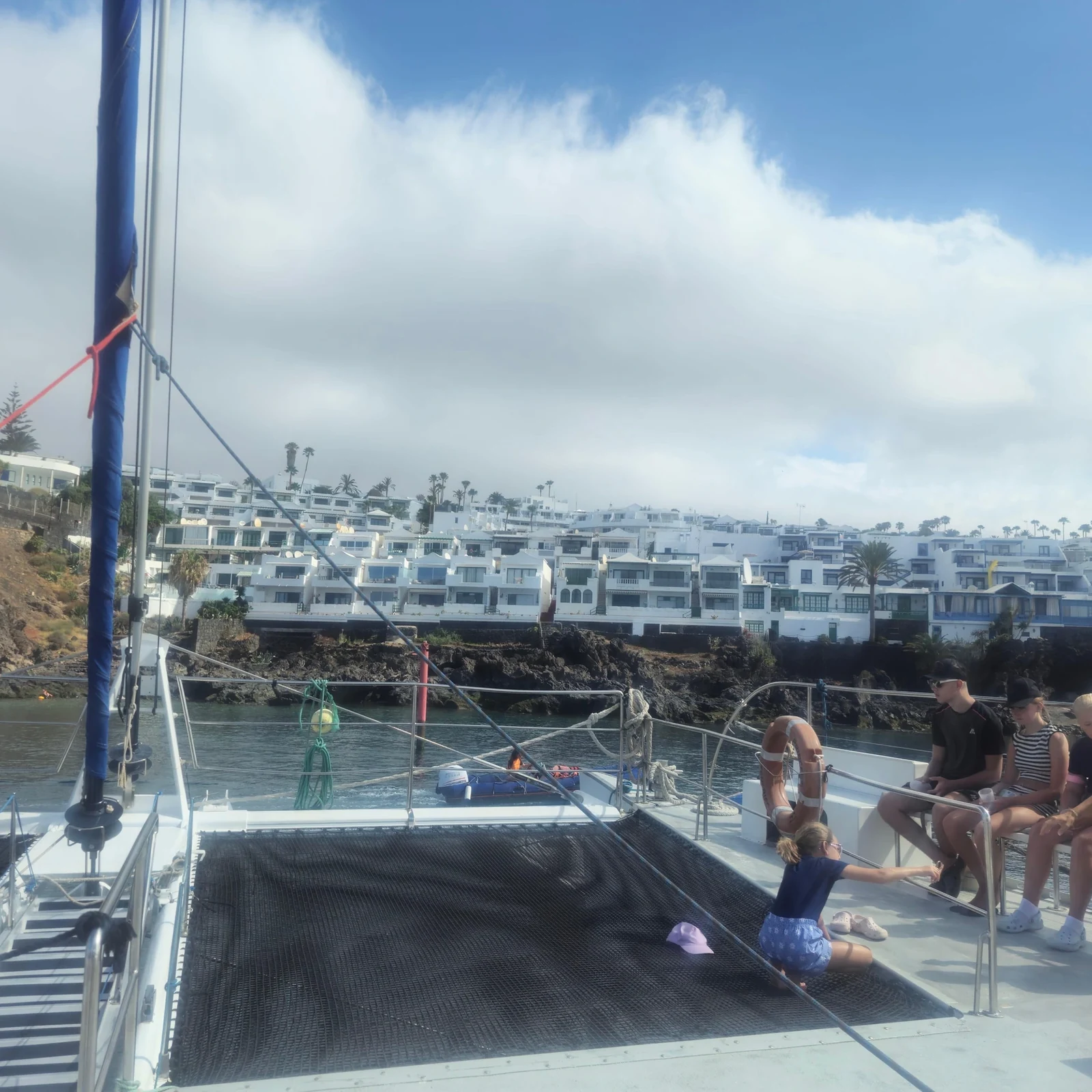
Papagayo Beaches catamaran trip from Puerto del Carmen
Sail from Puerto del Carmen to Papagayo for swimming, snorkelling, kayaking, lunch and drinks. Check timings and transfer conditions.
The best way to travel depends on where you stay, how much you want to explore and how much freedom you need to stop along the way.

Getting around Lanzarote looks straightforward. The island is compact, its main roads connect the tourist centres well, and many landscapes are within a reasonable distance. Yet an easy route on the map can become a series of waits, transfers or detours when the transport does not suit the plan. Before deciding, consider your accommodation, preferred pace and how much you value being able to stop beside a volcano, vineyard or nearly deserted stretch of coast.
Compare locations and options to find a base that suits your trip. Booking.com confirms current availability and pricing.
Find accommodation on BookingNot always, but having a car greatly expands your options. It is particularly useful for exploring the interior, combining several places in one day and reaching landscapes where public transport provides less flexibility.
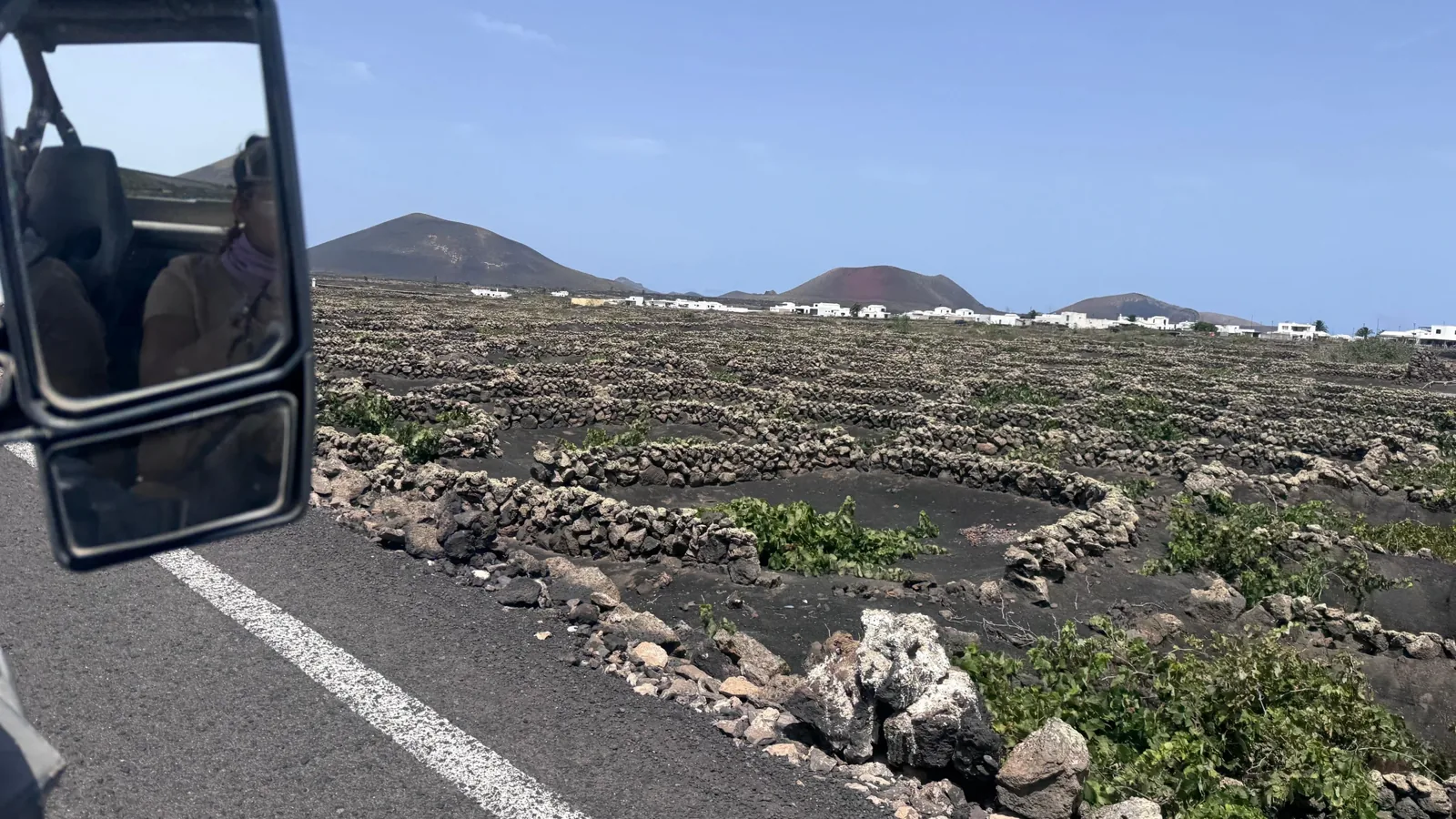
A car suits travellers who want to discover the island beyond its tourist areas, are travelling with children or wish to adapt each day to the wind, heat and cloud cover. It also lets you change plans when you find a minor road winding through dark lava fields or descending towards a whitewashed village.
That freedom brings practical considerations. Driving means finding somewhere to park, navigating and accepting that certain access roads may be busier at particular times. Take your time on narrow roads and in rural areas, and keep your attention on the road even when the scenery draws your eye.
If your stay mainly revolves around the beach, relaxation and occasional organised excursions, hiring a car for the whole trip may be unnecessary. Booking one only for your exploration days can provide a sensible balance.
Public transport can work well for journeys between the main urban and tourist centres. It is a reasonable option if you have time, prefer not to drive or intend to focus on only a few places.
It works best when your accommodation is close to a convenient stop and the day's plan does not involve linking numerous visits. You can also combine relaxed days with organised excursions to places that are more difficult to reach independently.
Its main limitation is not necessarily distance but inflexibility. Connections are not equally convenient across the island, and a straightforward drive may require more planning by bus. Check current routes and timetables before setting out, especially away from the main corridors, at weekends or when you need to return late.
Travelling exclusively by public transport is possible with a selective itinerary. It is much less practical if you hope to visit numerous villages, viewpoints and beaches in only a few days.
Walking works very well within individual towns and resorts. Arrecife's seafront and central areas can be explored on foot, while in the main tourist resorts it is common to walk between accommodation, the beach, restaurants and nearby services.
Relying on walking to travel between different towns and villages is generally impractical. Distances feel longer under the sun, wind can make the effort harder, and not every road provides a pleasant or safe setting for pedestrians.
Hiking offers a slower and more physical way to discover Lanzarote. Trails reveal volcanic gravel, shifting colours in the terrain and vegetation surviving in apparently barren places. A hike through the landscape should not be treated like an urban stroll: consider the heat, exposure, available water, footwear and route difficulty.
Cycling lets you explore the island with a special closeness to the landscape. It can be a rewarding option for cyclists accustomed to wind, elevation changes and sharing certain stretches with vehicles.
It is not always the most comfortable choice for everyday sightseeing. Sun exposure, hills and gusts can transform a route that appears easy, while road conditions are not equally suited to relaxed cycling everywhere.
Short rides and carefully selected routes can be a wonderful experience. Using a bicycle as a complete substitute for a car or bus requires preparation, good physical fitness and realistic expectations.
Taxis offer convenience for specific journeys such as arrivals, departures, dinners or trips for which hiring a vehicle would not be worthwhile. Using them as the only way to explore the island, however, can increase your budget considerably.
Private transfers and organised excursions let you visit several places without driving or managing all the logistics yourself. In return, you give up the freedom to decide how long to spend at each location or to stop spontaneously.
This approach suits travellers who prefer explanations, do not want to drive or have only one day to discover a broad area. It can be combined with buses and walking for the rest of the trip.
If you are staying in a coastal resort with nearby services and your main aim is to relax, you can manage without a car for much of the trip. Walking, taking buses and booking an occasional excursion usually provide a reasonable balance.
If your accommodation is in a rural area or you want to explore the north, the volcanic interior and different parts of the coast, a car becomes far more valuable. This is less about distance than the ability to connect places without depending on limited services.
On a short visit, attempting to cover the entire island means spending too much time in transit. Group outings by area and leave room for stops along the way. Lanzarote is easier to understand when your itinerary follows its geography instead of a hurried checklist.
Finding a space in the busiest areas may require patience. Leaving early or avoiding peak times can help, but avoid building the whole day around a rigid schedule because access and parking conditions may vary.
Park only in designated spaces without blocking tracks, entrances, private land or sensitive areas. The volcanic terrain may look resilient, but many environments are fragile and cannot accommodate vehicles outside authorised areas.
Check the terms of your rental agreement and which types of road are permitted. The fact that a car can travel along a track does not mean it should or that the rental agreement covers it.
For most travellers, the most sensible strategy is not to choose a single form of transport. Walking covers everyday journeys around the place where you stay; buses connect certain towns and resorts; taxis simplify occasional trips; and a car or excursion opens up the more scattered landscapes.
Lanzarote rewards independence, but it does not require you to drive every day. Decide what you want to see before choosing your transport. If the trip centres on the beach and relaxation, you can manage with less mobility. If you want villages, volcanoes, vineyards and varied coastlines, leave room for spontaneity.
Getting around Lanzarote well is not about covering more ground, but about preventing logistics from consuming the landscape.
Add to your Lanzarote trip with experiences among volcanic landscapes, island tours and outings at sea. Compare what each option includes, its duration and transfer arrangements to find the best fit for your plans.
Activity on TourBookGoSail from Puerto del Carmen to Papagayo for swimming, snorkelling, kayaking, lunch and drinks. Check timings and transfer conditions.
 Activity on TourBookGo
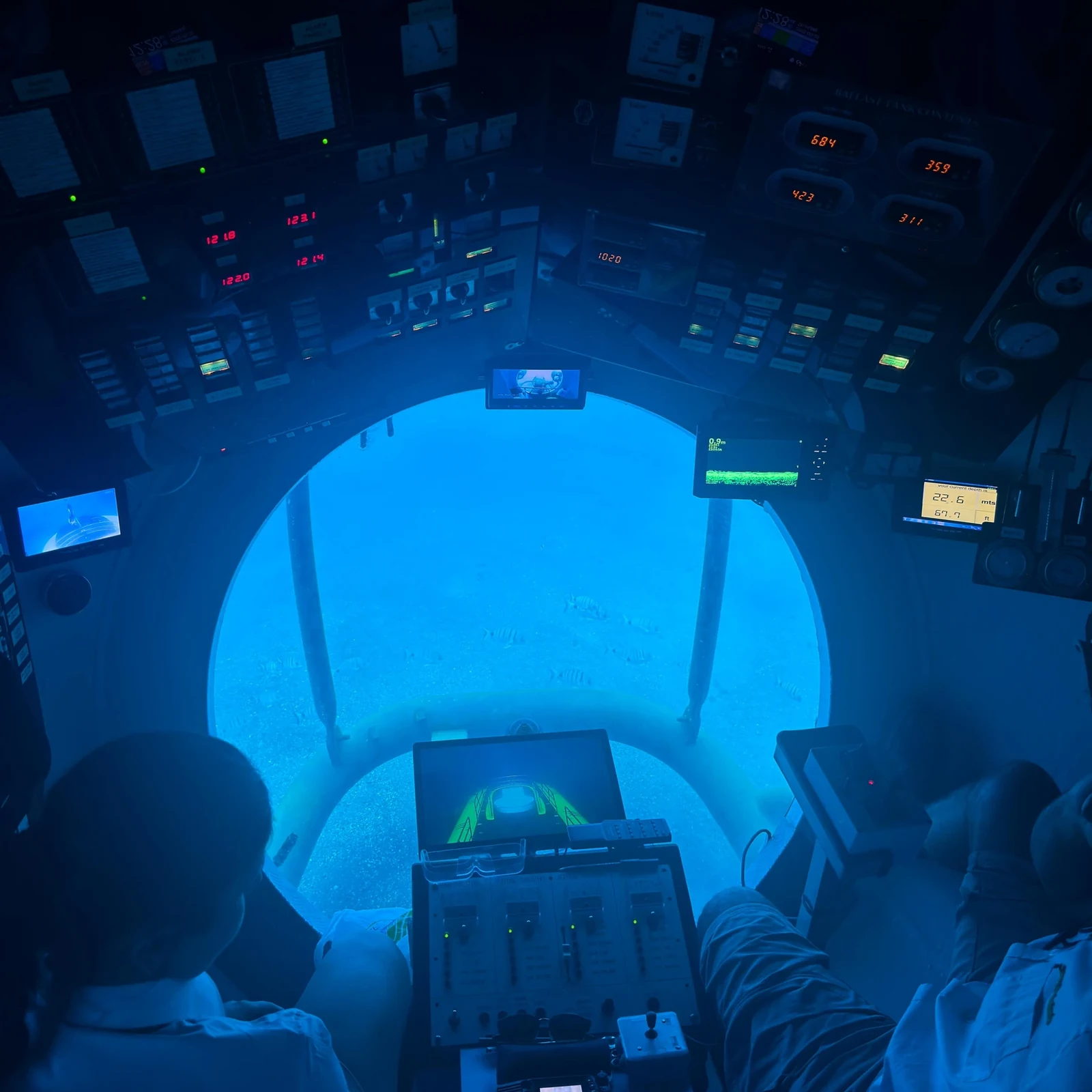
Explore Lanzarote’s seabed aboard the Sub Fun Tres from Puerto Calero. Check duration, pickup areas, minimum age and booking conditions.
 Activity on TourBookGo
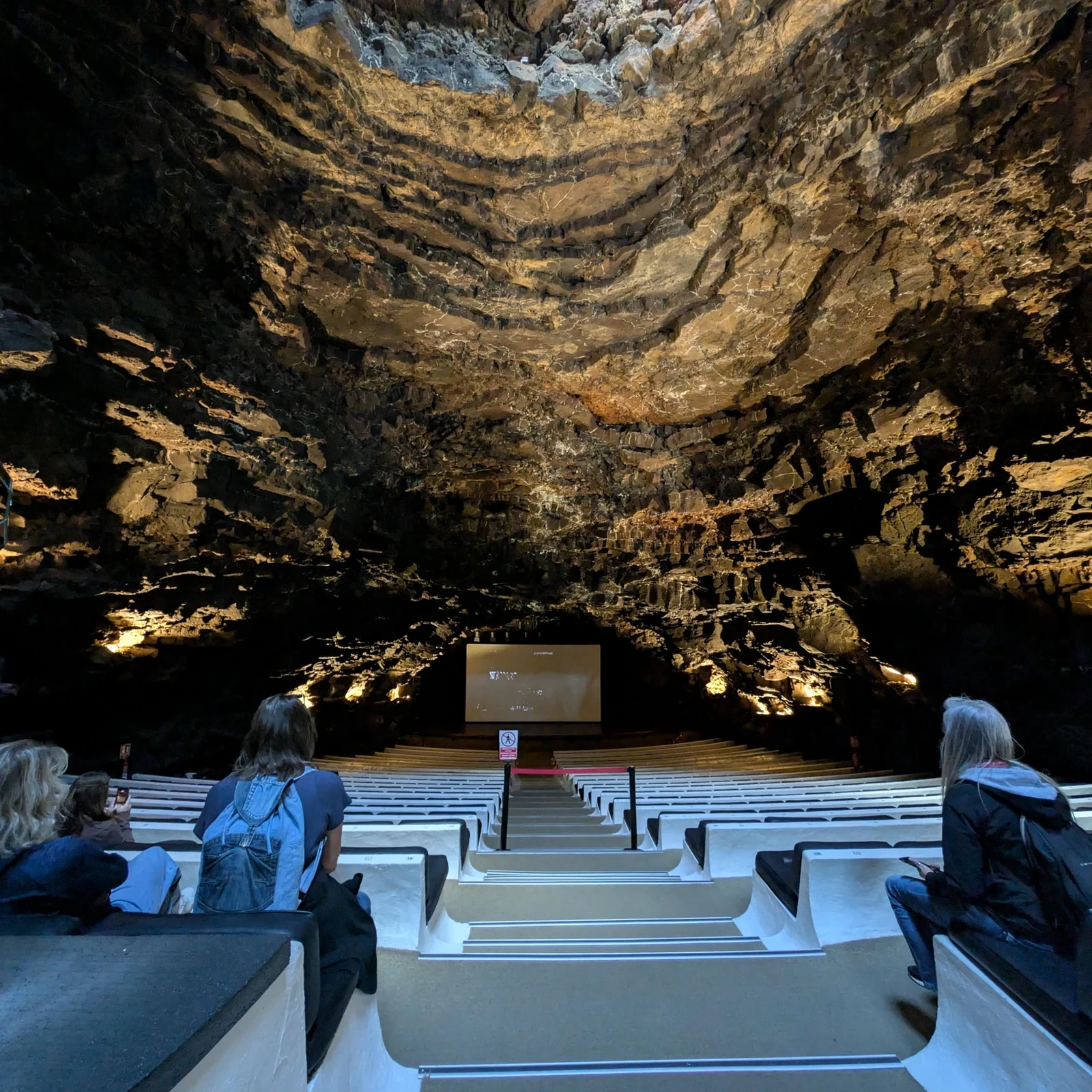
A 3-hour guided cruise excursion featuring Jameos del Agua, northern scenery, views towards La Graciosa and return transport to the port.