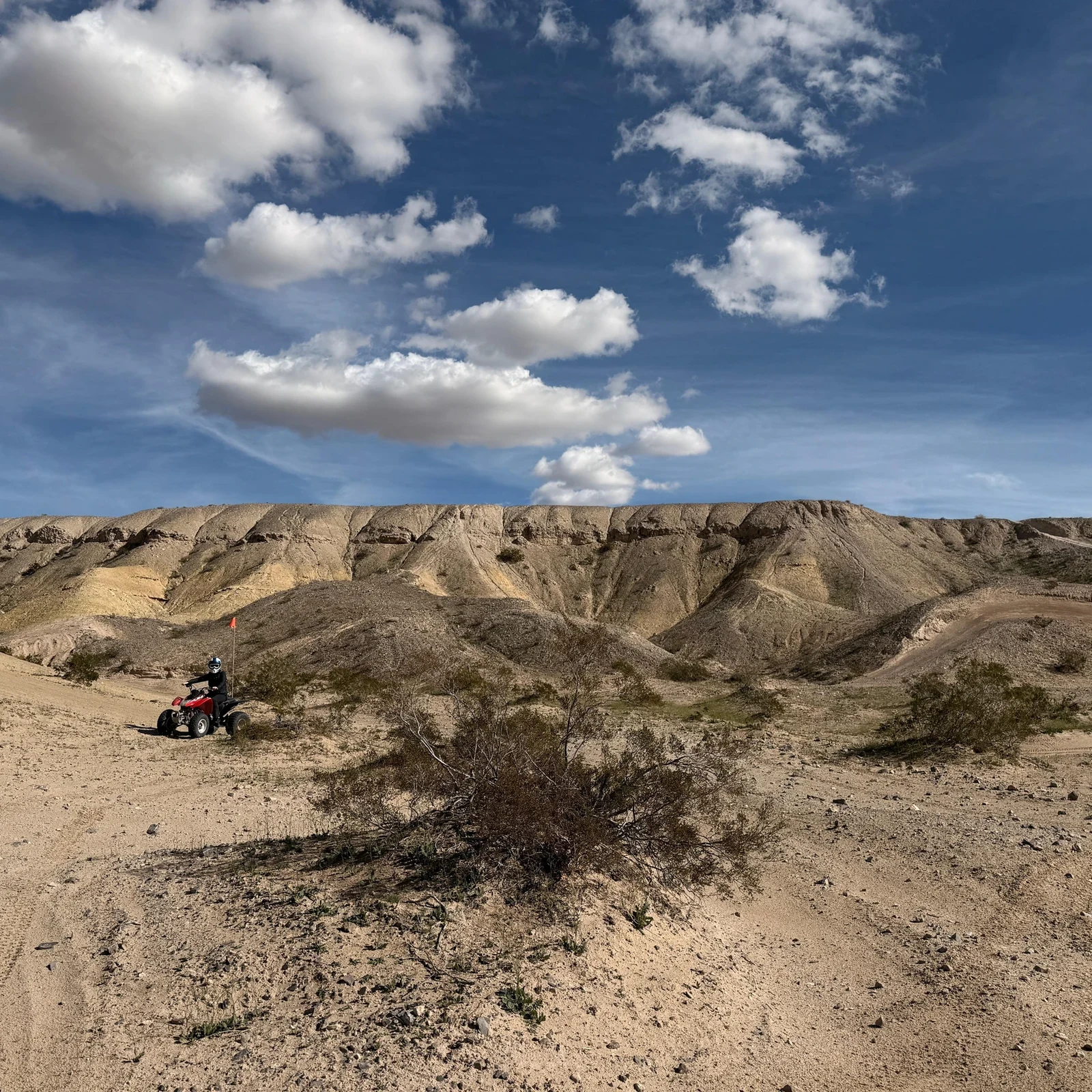
 Activity on TourBookGo
ATV and UTV Rental in Las Vegas for a Self-Guided Desert Adventure
ATV and UTV rental in Las Vegas with 2 hours to explore rocky trails, sand and dunes in the Nevada desert. Self-guided adventure from €95.
Estimate how much money you need for Las Vegas based on your trip length and your choices for hotels, food, transportation, and entertainment.

Planning a Las Vegas travel budget means looking beyond the first price you see. A room may appear cheap on the screen, a free attraction may end with an expensive dinner, and a seemingly short walk along the Strip can turn into a taxi ride under the desert sun. The city accommodates widely varying budgets, but it requires you to read the fine print. To understand how much a Las Vegas trip really costs, add up accommodation, food, transportation, activities, tips, and a buffer for unexpected expenses. The following figures are in US dollars per person and are based on two people sharing a double room. They assume one fewer night than the number of travel days and exclude flights, shopping, and casino gambling.
Compare locations and options to find a base that suits your trip. Booking.com confirms current availability and pricing.
Find accommodation on BookingBudget travel: USD 260–600 for 3 days, USD 480–1,080 for 5 days, and USD 690–1,560 for 7 days.
Comfortable travel: USD 740–1,500 for 3 days, USD 1,320–2,650 for 5 days, and USD 1,900–3,800 for 7 days.
Luxury travel: From USD 1,800 for 3 days, from USD 3,150 for 5 days, and from USD 4,500 for 7 days.
These are approximate figures. A major convention, high-profile fight, race, or especially busy weekend can affect accommodation prices far more dramatically than in other cities.
The cheap room that does not always stay cheap.
Accommodation is one of the most misleading Las Vegas trip expenses. Some hotels advertise attractive starting rates, but the final total can rise sharply once taxes and daily property charges, known as resort fees, are added.
In 2025, the average daily hotel room rate in Las Vegas was USD 183.52, although this figure combines hotels, seasons, and categories that vary widely. Annual occupancy remained above 80%, meaning that dates coinciding with major events can still become expensive very quickly.
As a general guide, based on sharing a room: Budget, USD 65–120 per person, per night; Comfortable, USD 130–230 per person, per night; Luxury, from USD 250 per person, per night, with no realistic upper limit at the most exclusive hotels.
Do not compare only the first price shown by the search engine. Continue to the final stage of the booking process and check the full cost, including taxes, resort fees, and parking. The county levies a specific tax on short-term accommodation, which is collected by hotels.
Downtown and some hotels farther from the central Strip may offer better prices, but the savings become less worthwhile if they force you to spend constantly on transportation.
Las Vegas caters both to travelers who rely on coffee, supermarket food, and casual restaurants and to visitors who come to dine at restaurants led by renowned chefs.
Budget Trip: USD 35–60 Per Day. This covers simple breakfasts, food courts, burger restaurants, Asian eateries away from the Strip, and the occasional supermarket purchase. It requires moderation when it comes to drinks, specialty coffees, and snacks inside the major hotels.
Comfortable Trip: USD 80–140 Per Day. This includes a casual breakfast, a light lunch, and dinner at a mid-range restaurant. It also leaves room for an occasional drink, though not for carefree spending in bars and nightclubs.
Food-Focused Trip: From USD 180 Per Day. Celebrity-chef restaurants, tasting menus, cocktails, and wine can quickly drive up the bill. In this category, a single dinner may consume a large share of the daily budget.
Tips must also be taken into account. At full-service restaurants in the United States, it is customary to leave approximately 15% to 20% before tax. Tipping bartenders, taxi drivers, and hotel staff is also common.
On the map, the hotels look like neighbors. In reality, they are enormous complexes separated by wide avenues, pedestrian bridges, indoor entrances, and crossings that make every journey longer. In summer, the heat can turn an apparently easy walk into a poor decision.
The Deuce bus connects the Strip with Downtown. The official RTC website currently lists visitor passes at USD 8 for 24 hours and USD 20 for three days.
The monorail connects seven stations along the eastern side of the Strip. Official fares vary depending on whether you buy a single ride or an unlimited pass, and digital tickets purchased in advance may be cheaper than tickets bought from station machines.
Allow approximately USD 8–20 per day when using buses, free transportation options, and walking; USD 20–45 per day when combining public transportation with the occasional ride-hailing service; and USD 50 or more per day if you regularly use taxis or private cars.
For a first visit focused on the Strip and Downtown, renting a car is usually unnecessary. Parking, fuel, and possible hotel charges may outweigh any savings. The local tourism authority also recommends the Deuce, the monorail, and ride-sharing services as practical alternatives.
Entertainment is where a moderate Las Vegas travel budget can quickly become expensive.
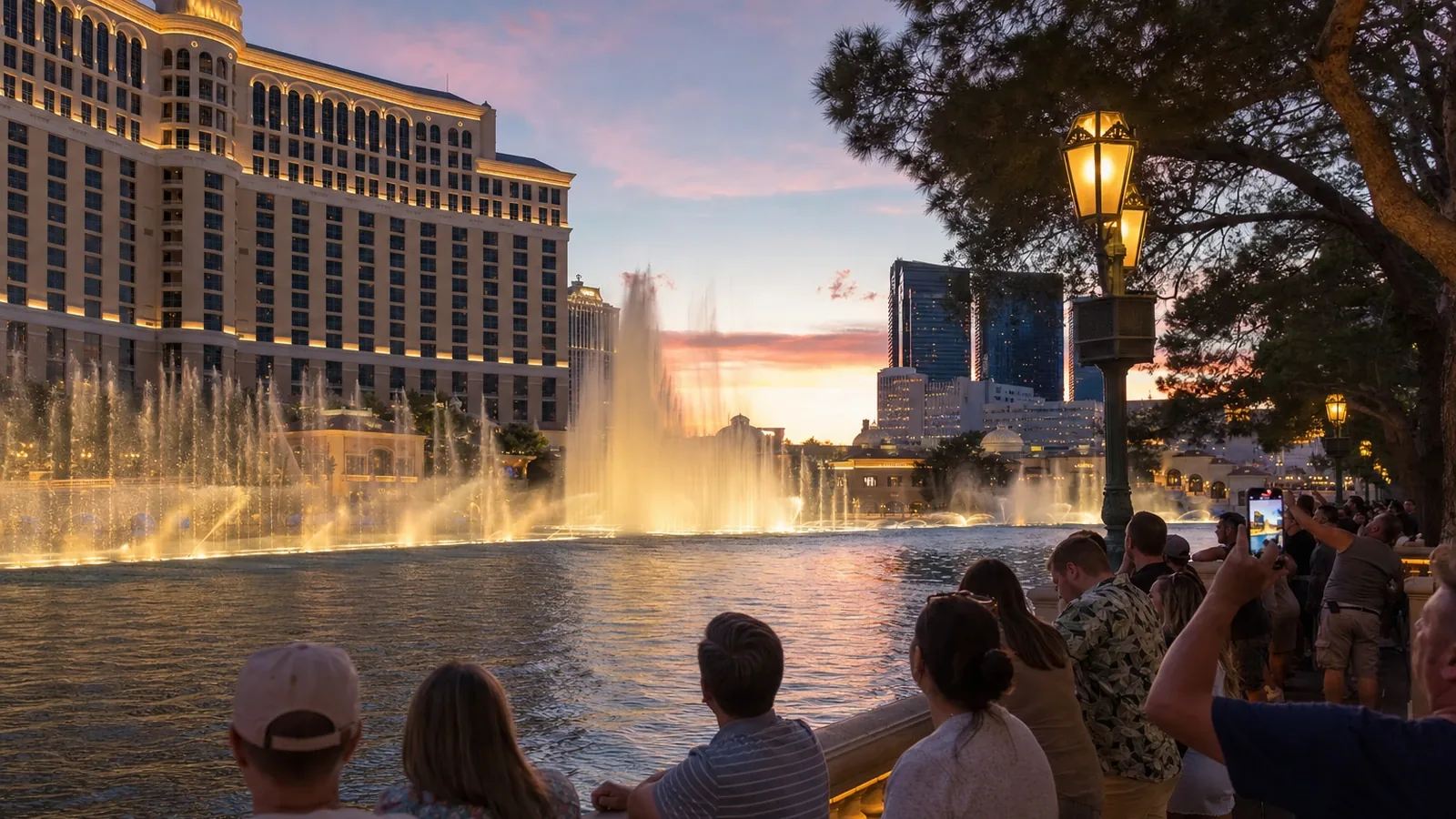
A budget traveler can set aside USD 0–40 per day by combining walks, themed hotels, and free attractions. The Bellagio Conservatory, Fremont Street, certain art displays, and various light shows offer a taste of the city’s character without an admission fee.
With USD 60–160 per day, it becomes possible to include observation decks, museums, an attraction, or a reasonably priced show.
Anyone interested in major productions, concerts, clubs, immersive experiences, or private excursions should budget USD 200 per day or more. Premium seats and popular dates can cost considerably more.
A balanced strategy is to choose one major paid experience each day and fill the rest of the schedule with free attractions. Trying to do everything advertised on the screens along the Strip leads to exhaustion and a bill that is difficult to justify.
Gambling should have a separate budget. It should not be mixed with money set aside for accommodation, food, activities, or the journey back to the airport.
Decide on the amount before you enter and consider it spent from the outset. It might be USD 20, USD 50, or USD 200: the important thing is not the figure but the limit. Las Vegas is designed to prolong the feeling that the next bet could change the course of the night. Sometimes it does; more often, it simply makes the trip more expensive.
Staying from Sunday to Thursday usually offers a better chance of finding reasonable rates than concentrating the entire trip on Friday and Saturday. It is also worth checking the convention and events calendar before booking.
Eating breakfast outside the major hotels, carrying water, using transportation passes, and limiting cocktails can reduce spending without necessarily diminishing the experience. Las Vegas has enough free attractions to fill several hours each day.
The mistake would be to save on everything. The city can feel artificial and exhausting when the trip consists only of walking from casino to casino without taking part in any experience. Even on a limited budget, it is worth setting aside money for whatever inspired the trip in the first place.
Small amounts eventually add up to a second bill: tips, coffee, water, airport transportation, luggage storage, parking, ATM fees, and late-night purchases.
It is wise to add a buffer of 10% to 15% to the planned budget. Not because Las Vegas forces visitors to overspend, but because it creates an environment in which spending money is extraordinarily easy.
For a three-day getaway, around USD 500 or 600 per person allows for a simple but enjoyable experience, based on sharing a room and choosing activities carefully. With USD 1,000–1,300, the trip becomes considerably more comfortable.
Five days require more discipline. A budget of around USD 900–1,200 can work for a moderate traveler. To eat well, attend shows, and get around without calculating the cost of every journey, a more realistic figure is closer to USD 1,800–2,300.
A full week makes sense for travelers who also want to explore Downtown, the Arts District, or the desert landscapes. Excluding flights and gambling, USD 1,300–1,600 represents a restrained budget, while USD 2,500–3,200 provides a much more flexible stay.
Las Vegas does not have to bankrupt its visitors, but it is no longer the city where rooms, buffets, and shows seemed to be subsidized by the casinos. It is possible to spend relatively little, provided you choose your luxuries consciously. Looking at the neon is not what costs money; the expensive part is trying to accept every invitation it makes.
Discover selected experiences in Las Vegas to complete this guide with shows, viewpoints, nightlife, adventure and well-organised day trips.
Activity on TourBookGoATV and UTV rental in Las Vegas with 2 hours to explore rocky trails, sand and dunes in the Nevada desert. Self-guided adventure from €95.
 Activity on TourBookGo
Book a Las Vegas ATV tour through the Mojave Desert with a guide, 450cc ATV, safety gear and transportation from Mandalay Bay. About 3 hours from €96.
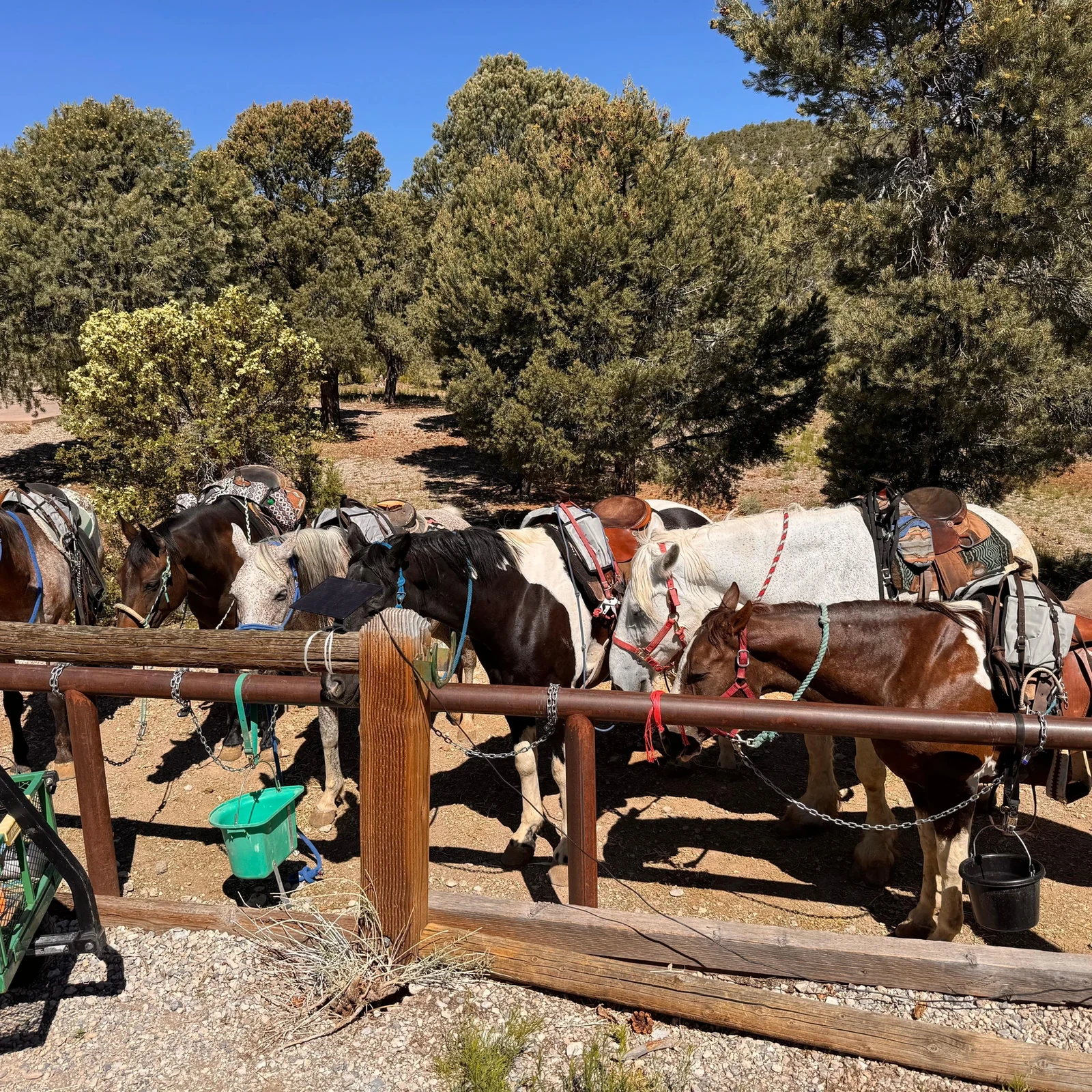 Activity on TourBookGo
Discover horseback riding in Las Vegas through Rainbow Gardens and the Nevada desert. Guided 1.5-hour ride for beginners, with hotel transfers listed.