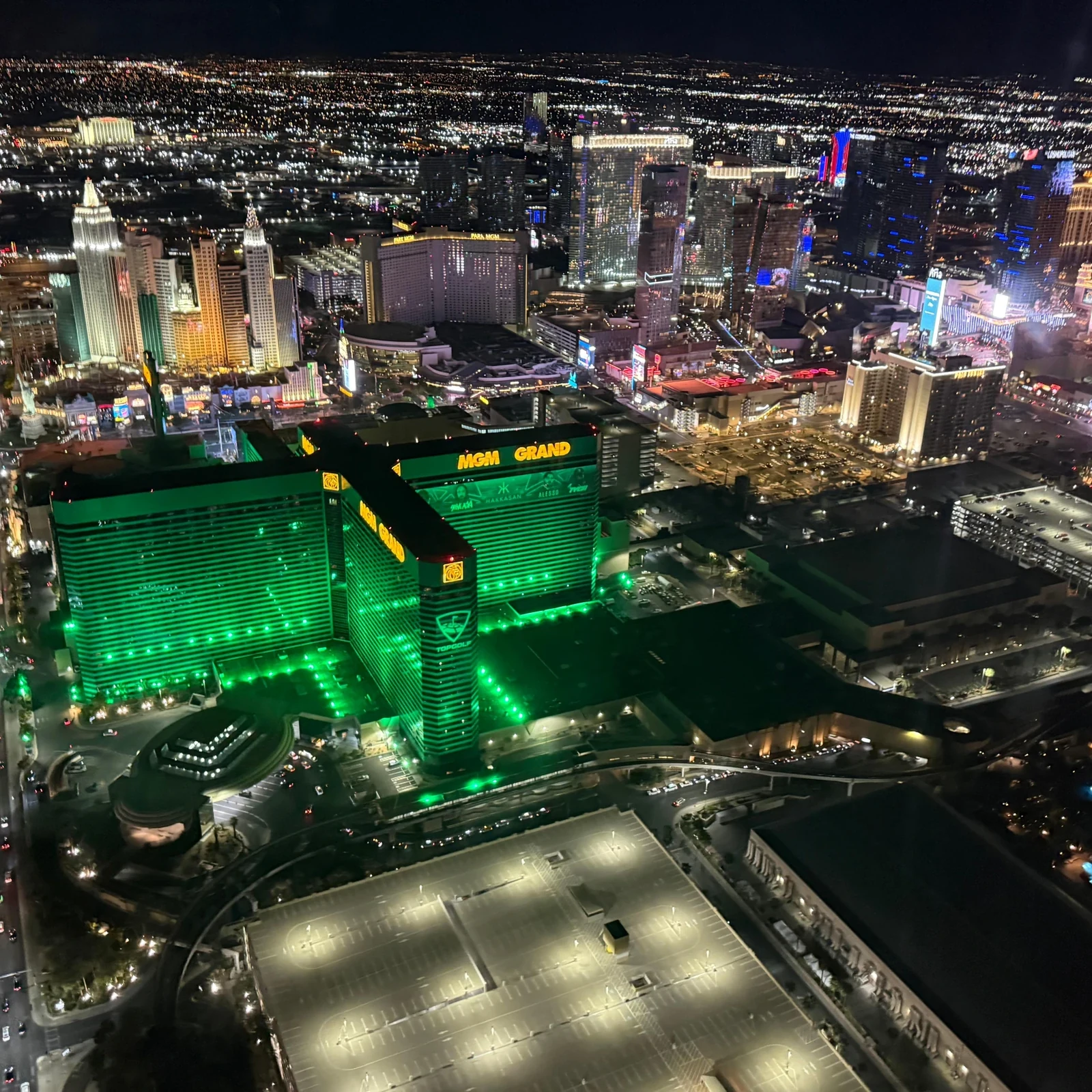
 Activity on TourBookGo
Las Vegas Strip helicopter tour with a guaranteed window seat
Book a Las Vegas Strip helicopter tour with a guaranteed window seat. Fly for 12-15 minutes from €92 in a small group of up to 3 passengers.
The best time to visit Las Vegas depends on your preferred weather, budget, and the experiences you want to enjoy both in the city and beyond it.
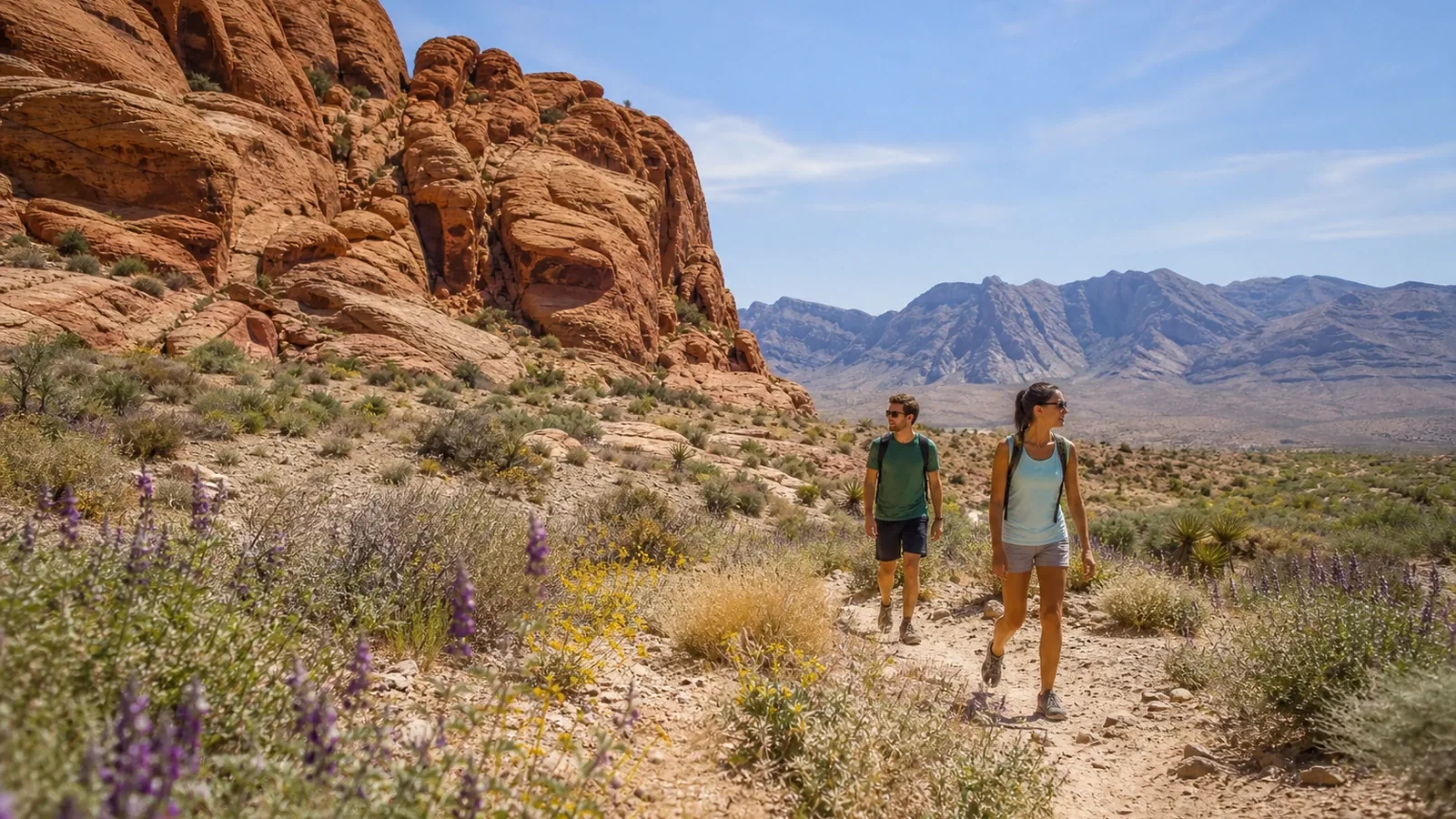
The best time to visit Las Vegas is usually March, April, October, or early November. The lights stay on, the casinos never sleep, and the shows go on whether the desert is scorching or the night air calls for a jacket, but choosing the right dates can transform the trip. Temperatures are milder during these months, making it more pleasant to walk along the Strip, explore Downtown, and take desert tours from Las Vegas. The downside is that the agreeable weather attracts more visitors and coincides with numerous conventions, concerts, and sporting events.
Compare locations and options to find a base that suits your trip. Booking.com confirms current availability and pricing.
Find accommodation on BookingIn March, average daytime highs are around 22°C; in April, they approach 25°C. Mornings can feel cool, but afternoons are usually ideal for walking without the exhaustion brought on by summer heat.
It is a good season for exploring the Strip on foot, sitting out on a terrace, or escaping the hotels for a few hours to visit Red Rock Canyon, Valley of Fire, or Hoover Dam. The desert light still has a certain softness, and the mountains surrounding the city do not yet seem to shimmer in the heat.
Spring, however, is not necessarily cheap. Festivals, games, major conventions, and special weekends can drive up demand. In Las Vegas, it is worth checking the events calendar before booking: a trade show attended by tens of thousands of people can affect prices even on dates that appear ordinary.
May marks a transition. At the beginning of the month, the weather can still be reasonably comfortable, but average highs are already approaching 32°C. Pool season is fully underway, and the city begins to take on its summer atmosphere.
It is an appealing time for travelers who want to combine nightlife, outdoor terraces, and pool parties. It is less suitable for anyone planning long walks or several outdoor excursions.
September still carries the heat of summer, with average highs close to 35°C. October is much more pleasant, with daytime temperatures around 28°C and evenings that begin to cool down.
October is probably the most well-rounded month for experiencing Las Vegas. It is comfortable enough for walking, some pools remain open, and nearby landscapes can be explored without facing the most extreme temperatures. It also coincides with a busy season for football, hockey, festivals, concerts, and motorsport events.
That energy comes at a price: fall can bring fully booked hotels, heavy traffic, and high rates on certain dates. Las Vegas is shaped more by its major events calendar than by a conventional tourist season.
In November, average highs fall to around 19°C, while nighttime temperatures can approach 8°C. It is still a good time for walking, although pools are no longer central to the experience, and it is advisable to bring a light jacket.
It is an attractive option for travelers who want to combine casinos, dining, shopping, and shows with the occasional daytime excursion. Those who picture Las Vegas as a continuous succession of sunbathing and swimming may find it too cool.
Between June and August, Las Vegas reveals the reality of its location: a city built in the heart of the Mojave Desert.
Average highs are around 38°C in June, 41°C in July, and 39°C in August. The city’s official all-time record also reached 49°C in July 2024.
The dry heat may seem manageable for a few minutes, but walking between hotels under the sun quickly becomes exhausting. Distances on the Strip can be deceptive: a building that looks nearby may require a lengthy walk through pedestrian bridges, intersections, and indoor entrances.
Summer can work well for travelers who plan to spend much of the day at pools, inside hotels, and in air-conditioned spaces; prioritize parties, nightclubs, and evening shows; find an attractive hotel deal; and do not plan to explore on foot during the hottest hours of the day.
Hotels advertise special offers during the warmer months, although final rates depend on the dates, the property, scheduled events, and additional fees.
It is not the best season for families with young children, people who are sensitive to heat, or travelers hoping to explore national and state parks. Outdoor activities should be scheduled for the early morning.
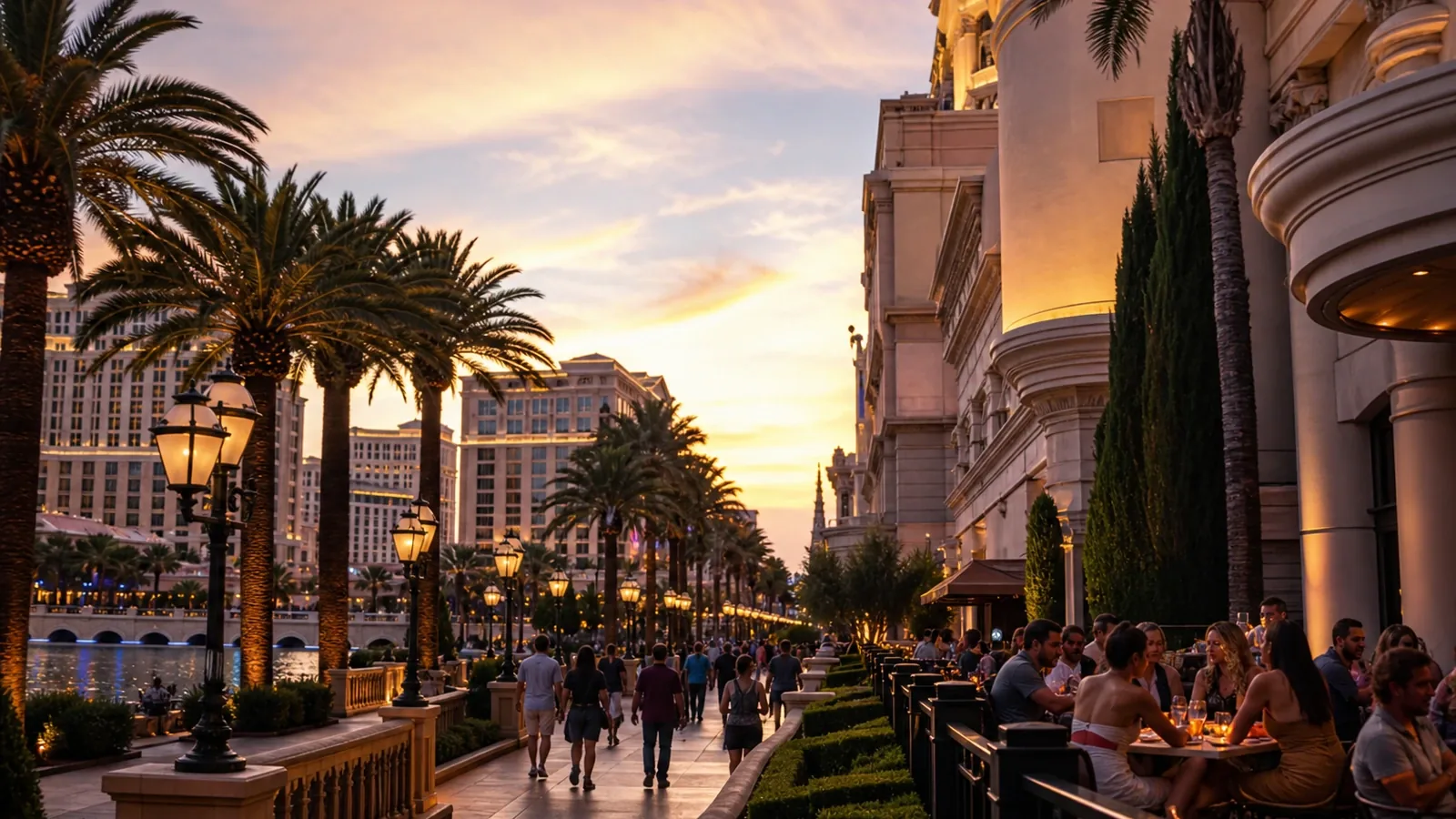
December, January, and February offer a different side of Las Vegas. Days are usually bright, but average highs range from approximately 14°C to 16°C, while nighttime temperatures can fall to 4°C or 5°C.
It is a comfortable season for walking around at midday and particularly suitable for travelers interested in restaurants, casinos, shopping, or shows. Entertainment continues throughout the year, with an extensive program of concerts, comedy, magic, and stage productions.
A common mistake is to associate Nevada only with heat. In winter, warm clothing is necessary, especially when leaving a theater late at night or waiting outside for transportation.
The holiday season turns Las Vegas into an especially intense destination. New Year’s Eve draws enormous crowds, requires parts of the Strip to be closed to traffic, and temporarily changes how people move around the city.
It can be a thrilling experience for anyone seeking a huge collective celebration, but it is less suitable for those who dislike crowds or prefer to make plans spontaneously.
There is no entirely reliable low season. Conventions, boxing matches, concerts, festivals, and games can fill thousands of hotel rooms in any month. The official calendar includes major events and conventions attended by tens of thousands of people.
As a practical rule, it is usually easier to find a quieter atmosphere by traveling during the week and avoiding long weekends, U.S. public holidays, major conventions, music festivals, busy sporting weekends, New Year’s Eve, and large public celebrations.
Rather than booking solely according to the season, it is worth comparing several nearby dates. In Las Vegas, shifting a trip by just a few days can make a considerable difference in prices and availability.
For a first visit: March, April, or October. These months are comfortable for exploring both the Strip and Downtown and for taking at least one excursion.
For pools and nightlife: late May, June, or September. The summer atmosphere is in full swing, although September is still hot.
For saving money: July, August, or certain periods in winter, provided they do not coincide with a major event. Any potential savings come with the trade-off of either extreme heat or cool nighttime temperatures.
For desert excursions: spring and fall. Summer can be dangerous for extended outdoor activities, while winter requires preparation for cold mornings.
For celebrating New Year’s Eve: late December, but only for those who enjoy crowds, book well in advance, and are willing to adapt their travel arrangements.
October offers the most convincing balance: generally warm days without the intensity of summer, pleasant evenings, and good conditions for combining the city with the surrounding desert landscapes.
April comes a close second, especially for travelers who prefer softer light and slightly cooler temperatures.
However, Las Vegas does not fit neatly into seasonal categories. One week in October may be more expensive and crowded than another in July because of a convention or concert. The best approach is to choose the climate you prefer first and then check the calendar of major events.
Choosing the right dates will not turn Las Vegas into a calm or inexpensive city. It simply allows you to experience it at the time that best suits your heat tolerance, budget, and style of travel.
Discover selected experiences in Las Vegas to complete this guide with shows, viewpoints, nightlife, adventure and well-organised day trips.
Activity on TourBookGoBook a Las Vegas Strip helicopter tour with a guaranteed window seat. Fly for 12-15 minutes from €92 in a small group of up to 3 passengers.
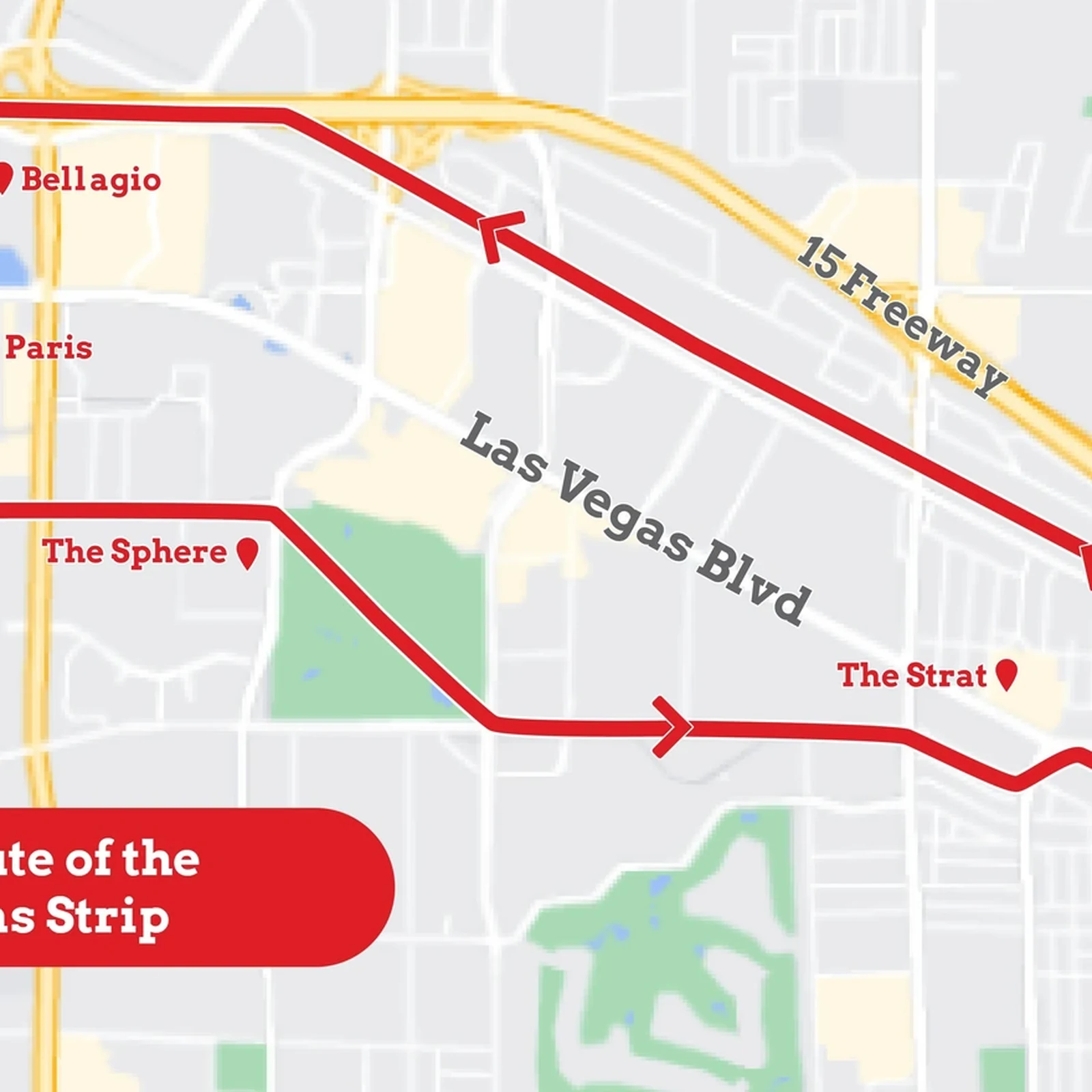 Activity on TourBookGo
Book a Las Vegas Strip night helicopter flight for aerial views of the Sphere, Bellagio, Downtown and other illuminated landmarks. Actual flight time is around 10-12 minutes.
 Activity on TourBookGo
Discover the Las Vegas Night Club Crawl with party bus: around 4 hours, multiple clubs, skip-the-line entry and prices from €44. Check availability on GetYourGuide.