 Activity on TourBookGo
Tower of London and Crown Jewels Ticket
Book your Tower of London and Crown Jewels ticket, explore the fortress at your own pace and visit historic exhibitions. Free cancellation up to 24 hours.
The best time to visit London depends on what you want most: long days, lower prices, fewer crowds or the theatrical glow that appears when the city lights up in the early evening.
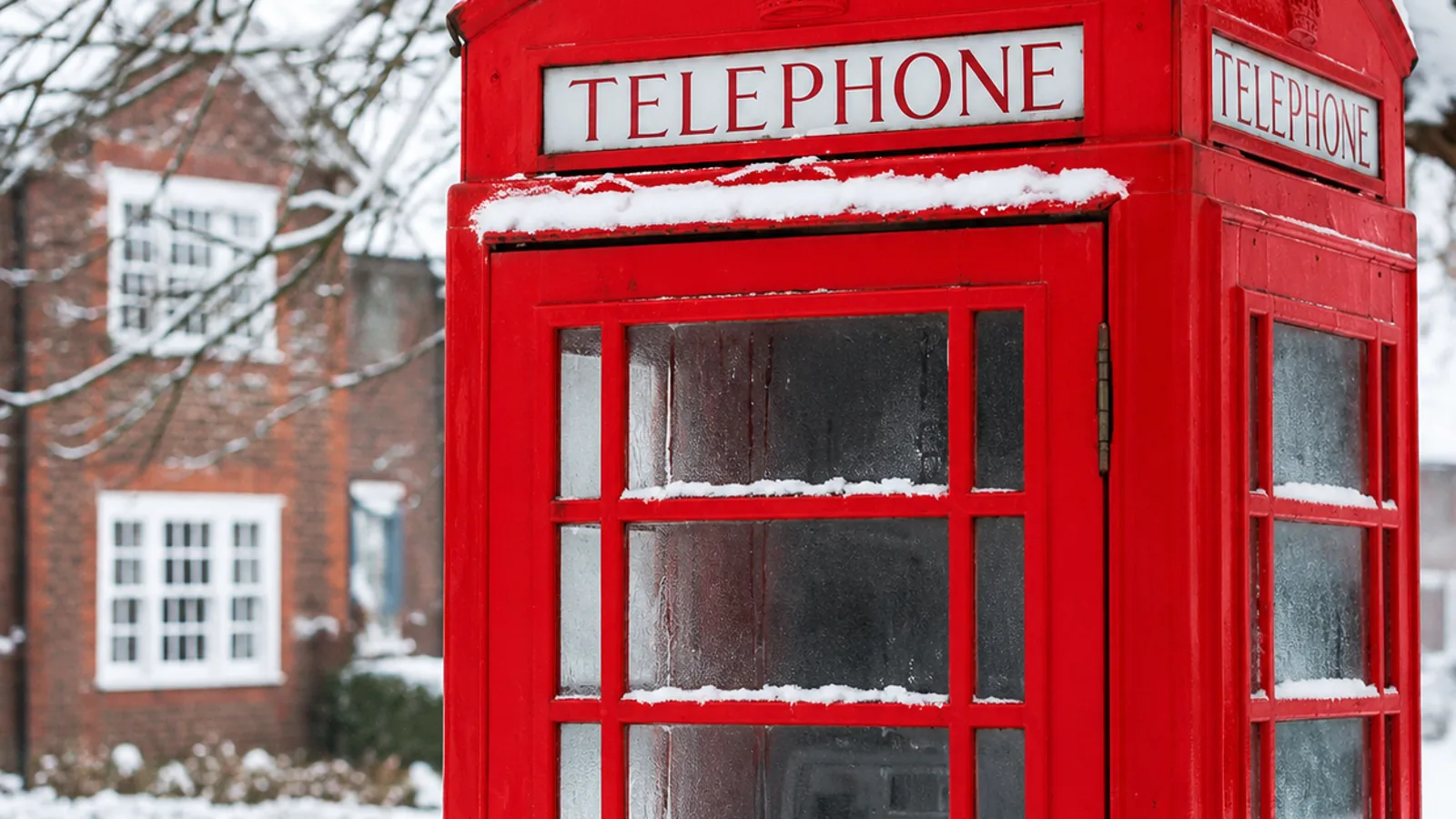
The best time to visit London is not only about the calendar: it is about light, weather, prices and the way you like to explore a city. In spring, London looks freshly washed by the rain, with its parks waking up in soft shades of green. In summer, it opens out onto the Thames, terraces and long walks. In autumn, it becomes more literary, greyer, more intimate. And in winter, although the cold slips across the bridges and the pavements shine early in the day, the city takes on a special theatricality beneath glowing shop windows, Christmas markets and museum afternoons.
Compare locations and options to find a base that suits your trip. Booking.com confirms current availability and pricing.
Find accommodation on BookingFor most travellers, the most balanced months are May, June, September and October. Not because London guarantees sunshine — that would hardly be an honest promise — but because they usually offer the best mix of daylight, temperature, atmosphere and comfort. It is a practical time to walk, book visits with less pressure and enjoy parks, museums and neighbourhoods without the full intensity of high season.
Visit London notes that the city can be visited all year round, but also points out that each season changes the experience considerably: a mild, damp spring; a livelier summer; an autumn with more melancholic tones; and a winter shaped by Christmas.
visitlondon.com
London in spring is one of the most pleasant choices for a first visit. Between March and May, the days grow longer, the parks gain colour, and neighbourhoods such as Notting Hill, Chelsea, Hampstead and Richmond reveal a brighter, more residential side of the city. It is an ideal season for walking, alternating museums with gardens, and discovering London without the weight of the summer crowds.
The less convenient side is the instability. Spring can be wet, and during Easter there may be closures, school holidays and possible changes to transport; it is worth travelling with layers, an umbrella and a flexible itinerary.
visitlondon.com
London in summer has one clear advantage: the city lives more outdoors. Open-air cinemas, festivals, terraces, pubs full at the end of the afternoon and long walks along the Thames all come into their own. June is especially appealing because of the light: Visit London notes that it is the month with the most daylight, with up to around 16.5 hours of light.
visitlondon.com
But July and August are not for everyone. They are high-season months, with more tourists, more expensive hotels and flights, and more visible queues at places such as Westminster, Tower Bridge, Covent Garden and the Tower of London. And although summer is usually warmer, London can occasionally experience intense heat: Visit London states that July is statistically the warmest month and recalls that the city has suffered recent heatwaves.
visitlondon.com
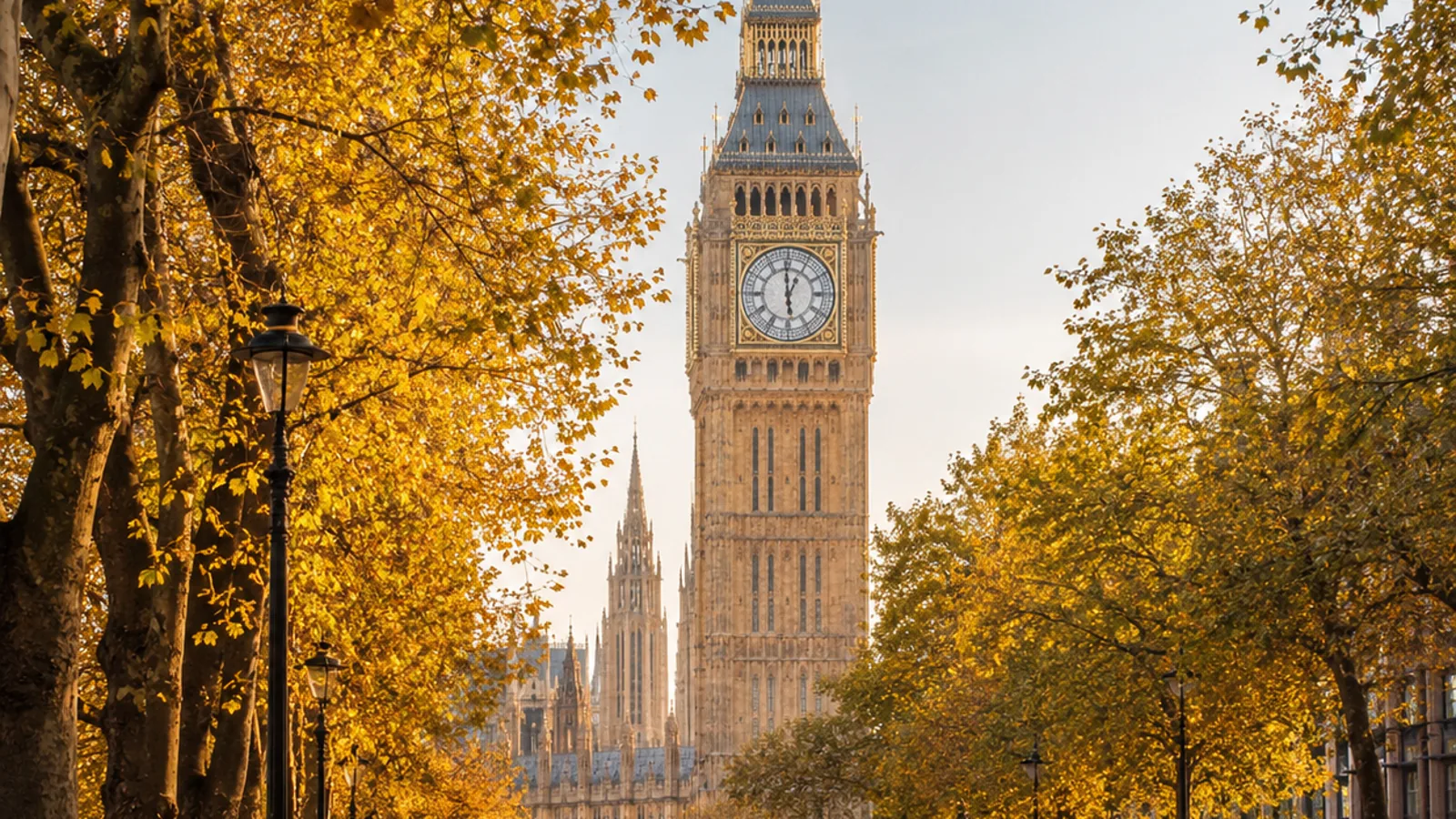
London in autumn, especially in September and October, is highly recommended if you want a city with character, fewer crowds than in summer and a better rhythm for museums, theatre, cafés and neighbourhood walks. Early autumn is usually mild, and from November onwards Christmas lights and decorations begin to appear.
visitlondon.com
It is an especially good time for couples, cultural travellers and people who enjoy a city that is more atmospheric than bright. The drawback is clear: the days get shorter, it can rain, and October coincides with school holidays in some periods, so it is not always as quiet as it may seem.
London in winter is not the most comfortable season, but it can be one of the most evocative. December brings lights, shop windows, markets, ice rinks, shows and a city that knows how to turn early darkness into scenery. Visit London highlights markets, lights, seasonal shopping, shows and festive activities across different parts of the capital.
visitlondon.com
The other side matters: it is cold, the days are short, some attractions close or reduce their opening hours on specific dates, and transport may be affected between Christmas Eve and New Year’s Day. January and February are usually quieter and, apart from school holiday weeks, can offer better accommodation opportunities, although the city feels greyer.
visitlondon.com
London is rarely cheap, but January, February and March are usually the most favourable months for tighter budgets, especially because of colder temperatures, fewer events and lower tourist demand. Visit London identifies this period as generally the cheapest for flights and hotels.
visitlondon.com
Even so, it is important not to save in the wrong place: a very cheap hotel that is far away or poorly connected can cost you a great deal of time. In London, location is not a minor luxury; it is part of the experience.
I would avoid London in the height of summer if you are looking for calm, moderate prices or a more local city. I would also think twice about travelling on very specific Christmas dates if you dislike crowds, high prices and the need to book almost everything in advance. Easter and British school holidays can also put a lot of pressure on tourist areas.
The most honest answer is this: May, June, September and October are the best months for most people. Summer is good if you prioritise long days and outdoor life. Winter is worth it if you are looking for a Christmas atmosphere, museums, theatre and a London that is more scenic than comfortable. January and February are better for saving money, but not always for falling in love with the city at first sight.
London does not need perfect weather to work its magic. Its charm lies elsewhere: in the light over the Thames, in a hidden bookshop, in a warm pub as evening falls, in a free museum when it rains, in that blend of imperial grandeur and everyday life that never quite runs out. The key is not to find an ideal London, but to choose the season that suits the way you travel.
Choose experiences in London that suit your travel season, the weather and the pace you want for each day.
Activity on TourBookGoBook your Tower of London and Crown Jewels ticket, explore the fortress at your own pace and visit historic exhibitions. Free cancellation up to 24 hours.
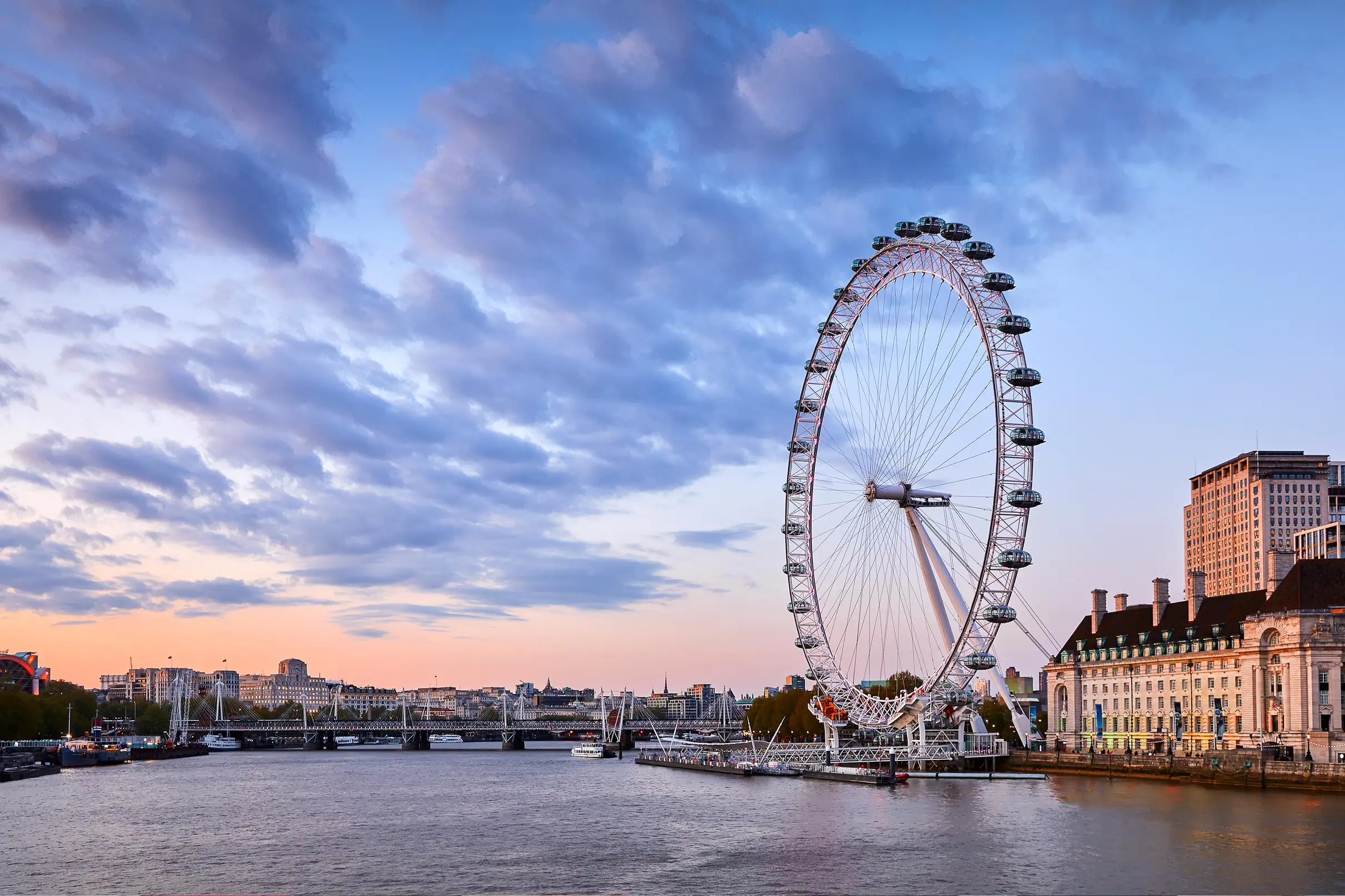 Activity on TourBookGo
Book London Eye tickets London and enjoy 360-degree panoramic views from 135 metres during an experience lasting around 30 minutes.
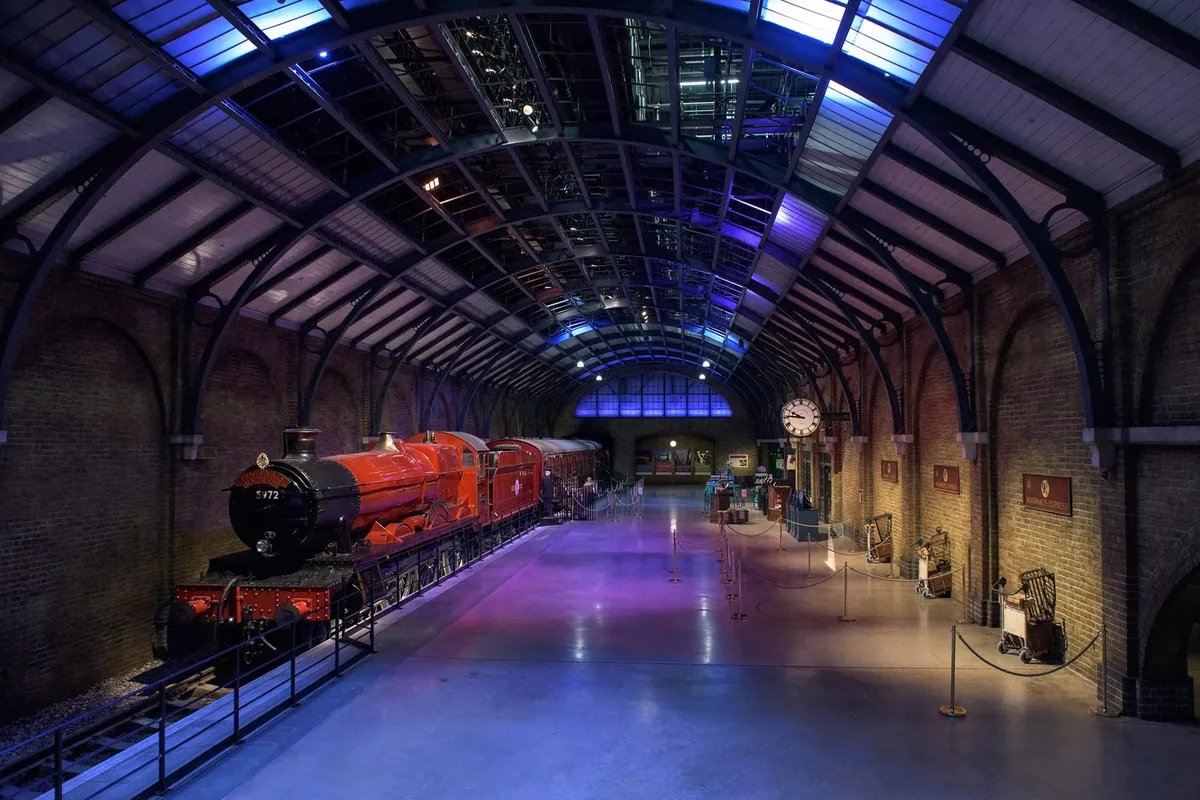 Activity on TourBookGo
Book the Harry Potter Warner Bros Studio Tour London with entry and coach transfers. Check duration, price, meeting point and practical booking tips.