 Activity on TourBookGo
Tower of London and Crown Jewels Ticket
Book your Tower of London and Crown Jewels ticket, explore the fortress at your own pace and visit historic exhibitions. Free cancellation up to 24 hours.
A well-planned London itinerary combines icons, pauses, museums, markets and neighbourhoods so you can explore the city sensibly without trying to see everything.
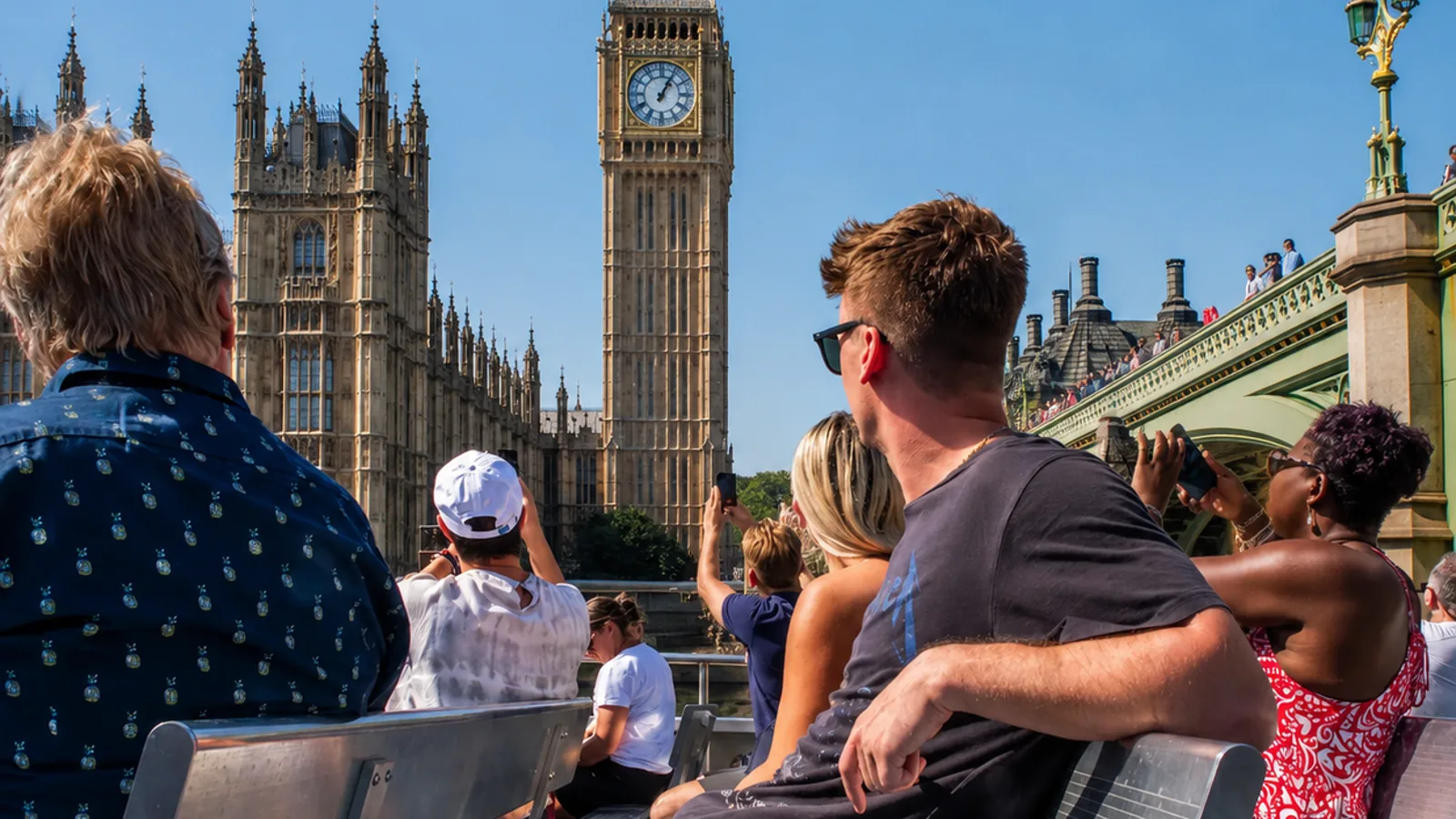
A good London itinerary is not about rushing from monument to monument. You enter the city in layers: first the river, the bridges and the Gothic spires of Westminster; then the museums, the markets and the parks; later, the neighbourhoods where London stops posing for the camera and starts to breathe. Trying to see everything usually ends in tired legs, queues and the strange feeling of having passed through many places without truly inhabiting any of them. The best London route combines icons, pauses and real neighbourhoods. The transport network is vast and very useful for travellers, but distances can be deceptive: the map may make everything look close until your body reminds you that the city is enormous. To move around with sense, group visits by area, alternate the Tube, buses and walks, and use the official Transport for London planning tools. Transport for London
Compare locations and options to find a base that suits your trip. Booking.com confirms current availability and pricing.
Find accommodation on BookingIf you only have one day, do not try to cross the entire city. Stay within its most symbolic axis: Westminster, South Bank, Covent Garden, and Soho.
Start early in Westminster, in front of Parliament, Big Ben, and Westminster Bridge. It is a monumental area, beautiful even under grey skies, but also very busy. The key is to arrive early, stroll along the river without rushing, and accept that this is London showing its most photographed face.
Afterwards, you can visit Westminster Abbey, always checking opening times, as it remains an active church and may close for services or special events. Usual visiting hours are concentrated from Monday to Saturday, while Sunday is mainly reserved for religious services. Westminster Abbey
Cross over to South Bank and walk along the Thames. This side of the river offers one of Europe’s finest urban sequences: street performers, bookstalls under the bridge, skyline views, and a blend of tourists, workers, and Londoners simply passing through. Continue towards Tate Modern and, if the weather is on your side, cross the Millennium Bridge to St Paul’s Cathedral.
In the afternoon, head up towards Covent Garden. It is touristy, yes, and sometimes overly theatrical, but it still has charm if you are not looking for silence. End the day in Soho or Chinatown, where London becomes more nocturnal, narrower, and more human.
With two days, the second should take you a little away from postcard London.
Day 1: Westminster, South Bank, and Covent Garden
Repeat the classic route: Westminster, a walk along the Thames, South Bank, Tate Modern from the outside or inside, St Paul’s, and Covent Garden. Do not fill the day with tickets to too many monuments. If you visit Westminster Abbey, it may not make sense to go inside St Paul’s on the same day, unless religious architecture is a real passion of yours.
Day 2: British Museum, Bloomsbury, and Camden or Notting Hill
Spend the morning at the British Museum. Entry to the permanent collection is free, and the museum usually opens every day, with extended hours on Fridays, although it is worth booking or checking conditions before you go. British Museum
The museum is fascinating, but it can be overwhelming. Do not try to see it all. Choose a few galleries and leave before beauty turns into exhaustion. Then walk through Bloomsbury, a quieter, more literary neighbourhood, with garden squares, bookshops, and sober façades.
In the afternoon, choose according to your style: Camden if you are looking for an alternative atmosphere, canals, and intense markets; Notting Hill if you prefer elegant streets, colourful houses, and a more photogenic walk. Camden can disappoint those expecting untouched authenticity: it is vibrant, but very commercial. Notting Hill, for its part, is beautiful, although some streets feel almost held hostage by the camera.
Three days allow you to see the essentials without spending the whole trip rushing. It is probably the minimum length of time needed to feel London beginning to open up.
Day 1: Monumental London
Westminster, Big Ben, Westminster Abbey, St James’s Park, Buckingham Palace, and a walk towards Trafalgar Square. There is no need to obsess over the Changing of the Guard: it can be packed, and the wait is not always worth it. St James’s Park, on the other hand, offers a delightful pause among squirrels, ponds, and unexpected views.
Day 2: Museums, Covent Garden, and Soho
British Museum in the morning, Covent Garden at midday, and Soho in the late afternoon and evening. If you prefer art to archaeology, swap the British Museum for the National Gallery. London has too many excellent museums to treat them like a to-do list.
Day 3: Tower of London, Tower Bridge, and Borough Market
Start at the Tower of London, one of the places where English history feels at its densest: power, prison, jewels, medieval stone, and legend. The fortress is one of the city’s great historic sites and usually requires several hours if you visit the inside. Historic Royal Palaces
Afterwards, cross or admire Tower Bridge and head down to Borough Market for lunch. It is an attractive market, with good produce and plenty of atmosphere, but it also gets very crowded at peak times. The best experience is usually mid-morning or on less busy days. Finish with a walk towards Shakespeare’s Globe or Tate Modern.
A week in London allows for something far more valuable than accumulating monuments: finding a rhythm.
Day 1: Westminster and South Bank
Follow the classic route without rushing. It is the best way to get your bearings.
Day 2: British Museum, Bloomsbury, and Covent Garden
A museum morning, then an afternoon of cafés, bookshops, squares, and theatre if you feel like it.
Day 3: Tower of London, Tower Bridge, and Borough Market
A historical and gastronomic day that makes perfect sense geographically.
Day 4: Kensington, Hyde Park, and Museums
Dedicate the day to Hyde Park, Kensington Gardens, and the South Kensington museums. Hyde Park is one of central London’s great green lungs, with paths, lawns, and quieter corners towards the north and around the rose garden. The Royal Parks
The Natural History Museum and the Victoria and Albert Museum can take up many hours. The mistake here is trying to explore them all in depth. Choose one as your main visit and leave the others for a brief stroll.
Day 5: Greenwich
Greenwich deserves almost a full day. The journey there already changes the mood: the river, the boats, the wider light. The area brings together the Royal Observatory, Cutty Sark, the National Maritime Museum, and Queen’s House in a historic ensemble of great value. Royal Museums Greenwich
It is an ideal excursion if you want a break from the centre without really leaving London. That said, if it rains heavily, it loses some of its outdoor charm.
Day 6: Camden, Regent’s Canal, and Regent’s Park
Camden works best when combined with a walk along the canal. That way, the day is not reduced to the market alone. Walk towards Regent’s Park if you have the energy: London becomes more serene when its parks appear.
Day 7: Notting Hill, Portobello, Chelsea, or Hampstead
The final day should depend on how tired you are. Notting Hill is lovelier early in the morning. Chelsea is elegant, expensive, and polished. Hampstead is a wonderful option for anyone who wants a more local London, with hills, pubs, Georgian houses, and views from Hampstead Heath.
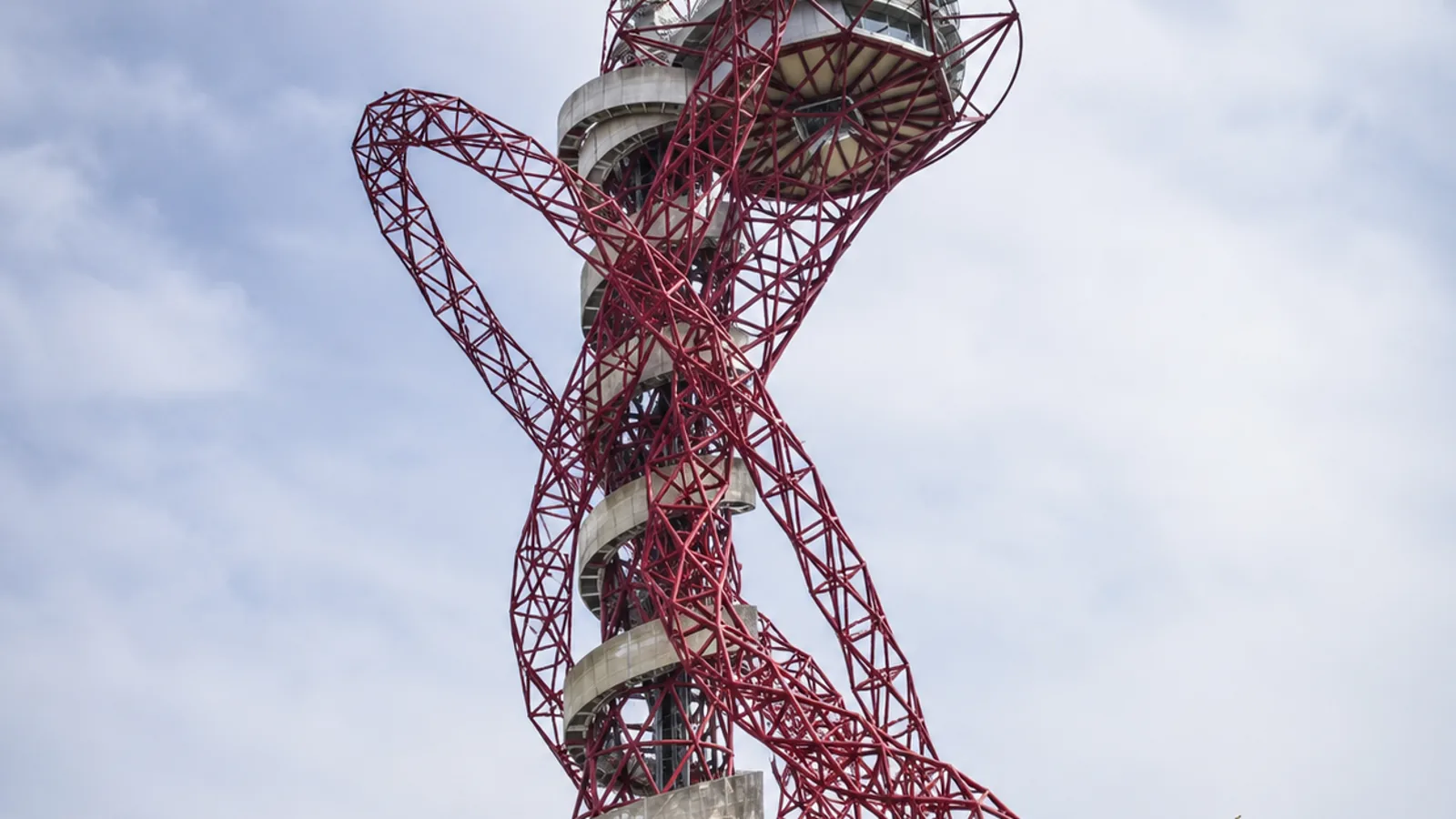
The golden rule is not to cross the city several times a day. Westminster pairs well with South Bank and Covent Garden. The Tower of London fits with Tower Bridge, Borough Market, and Tate Modern. Kensington works with Hyde Park and the museums. Camden can be linked with Regent’s Canal. Greenwich is best treated as its own block.
London punishes badly grouped itineraries. It also punishes uncomfortable shoes, rigid plans, and the idea that a free museum is a quick visit. The city asks for curiosity, but also for renunciation.
London can be expensive, grey, noisy, and exhausting. Some icons are surrounded by crowds, certain shopping areas have lost character, and eating badly is easy if you fall into overly touristy restaurants. The weather changes the experience: with persistent rain, the parks and riverside walks lose some of their magic; in summer, the most famous areas can feel overwhelming.
Even so, when you travel at a reasonable pace, London rewards you. Not because it is a comfortable city, but because it is inexhaustible: a capital where a medieval tomb, a late-night curry, a free museum, a red bus in the rain, and a quiet brick street can all belong to the same day.
The first mistake is booking too many tickets in a single day. The second is staying too far from the centre just to save a little money, because the time lost in transport may cost you dearly in fatigue. The third is visiting only monuments and forgetting the neighbourhoods. The fourth is leaving no space for improvisation.
London is not enjoyed by chasing it. It is enjoyed by organising it by area, walking it with attention, and accepting that something will always be left for another time. That is perhaps one of its most honest forms of beauty.
Complete your London itinerary with selected experiences that fit naturally into one-day or multi-day routes.
Activity on TourBookGoBook your Tower of London and Crown Jewels ticket, explore the fortress at your own pace and visit historic exhibitions. Free cancellation up to 24 hours.
 Activity on TourBookGo
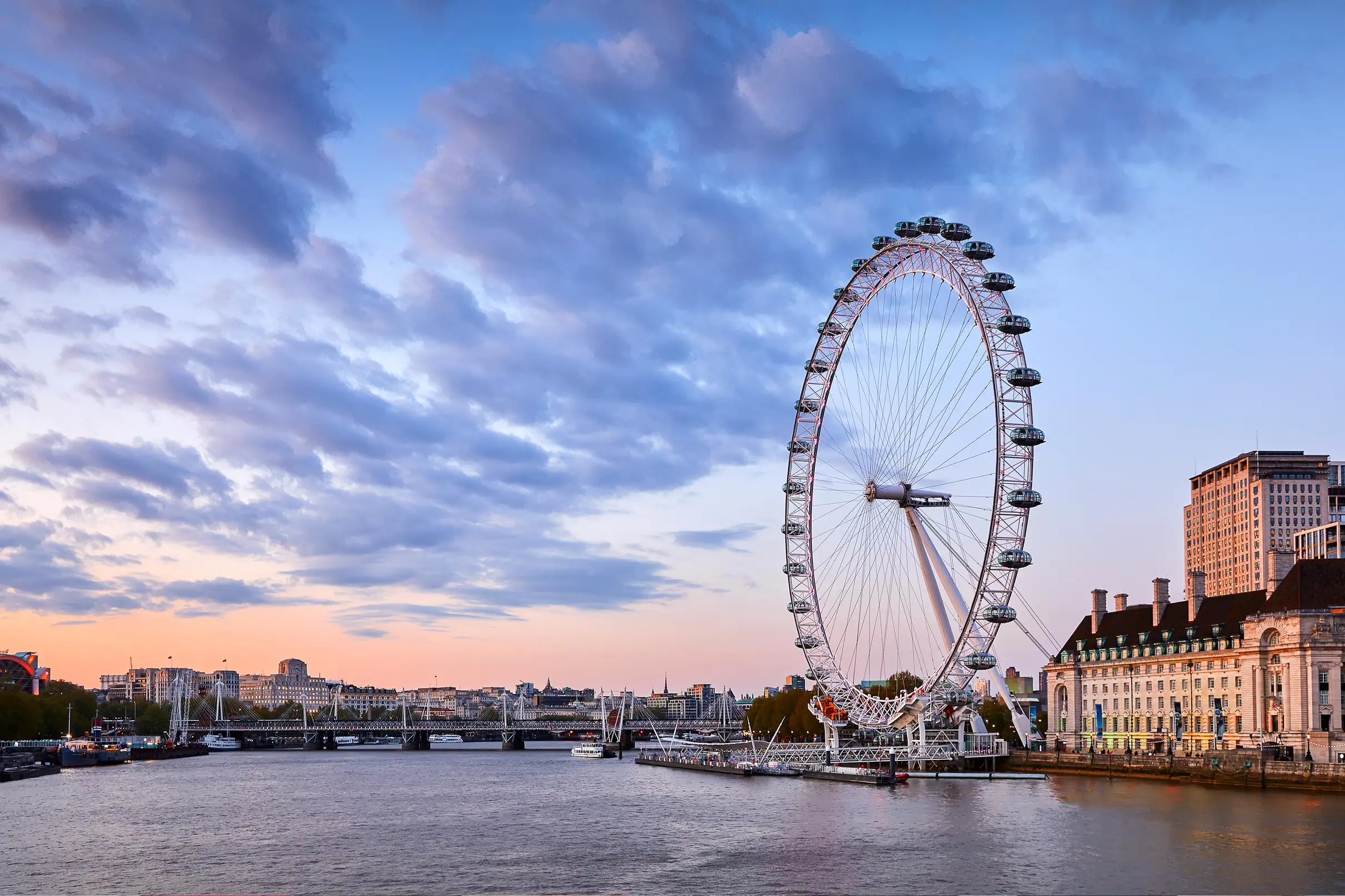
Book London Eye tickets London and enjoy 360-degree panoramic views from 135 metres during an experience lasting around 30 minutes.
 Activity on TourBookGo
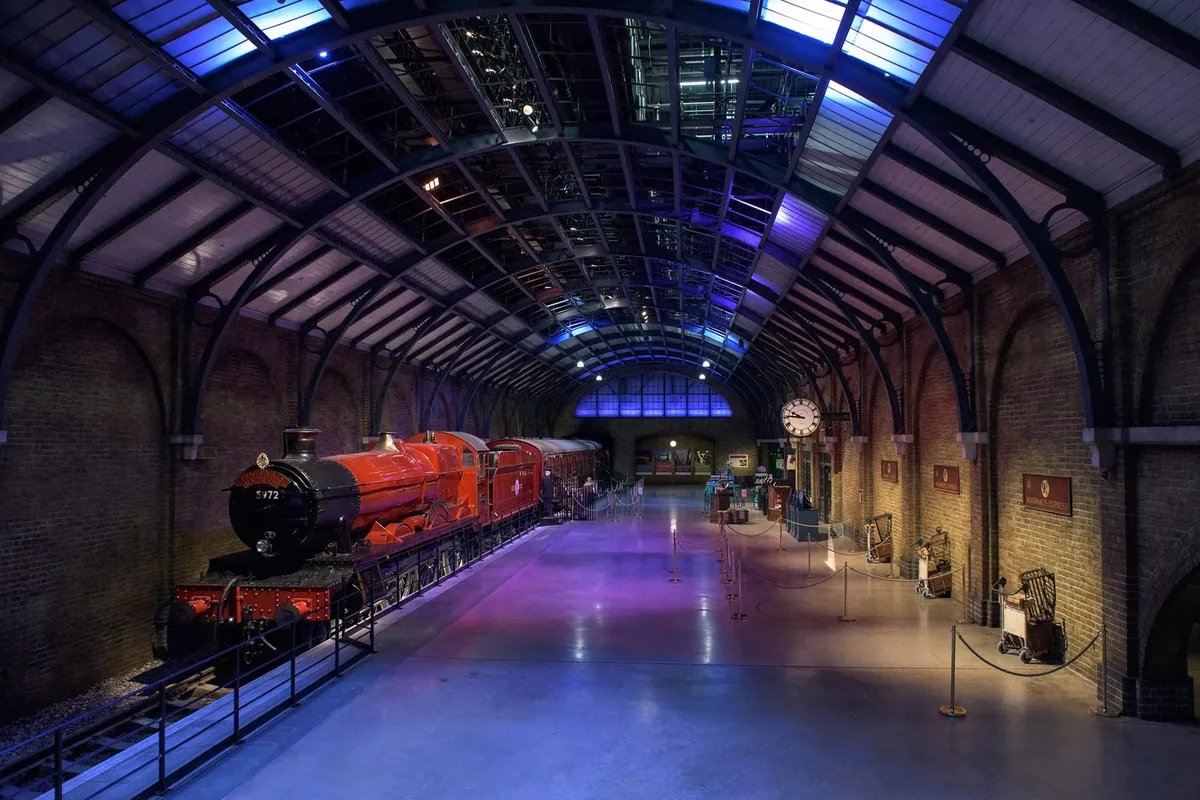
Book the Harry Potter Warner Bros Studio Tour London with entry and coach transfers. Check duration, price, meeting point and practical booking tips.