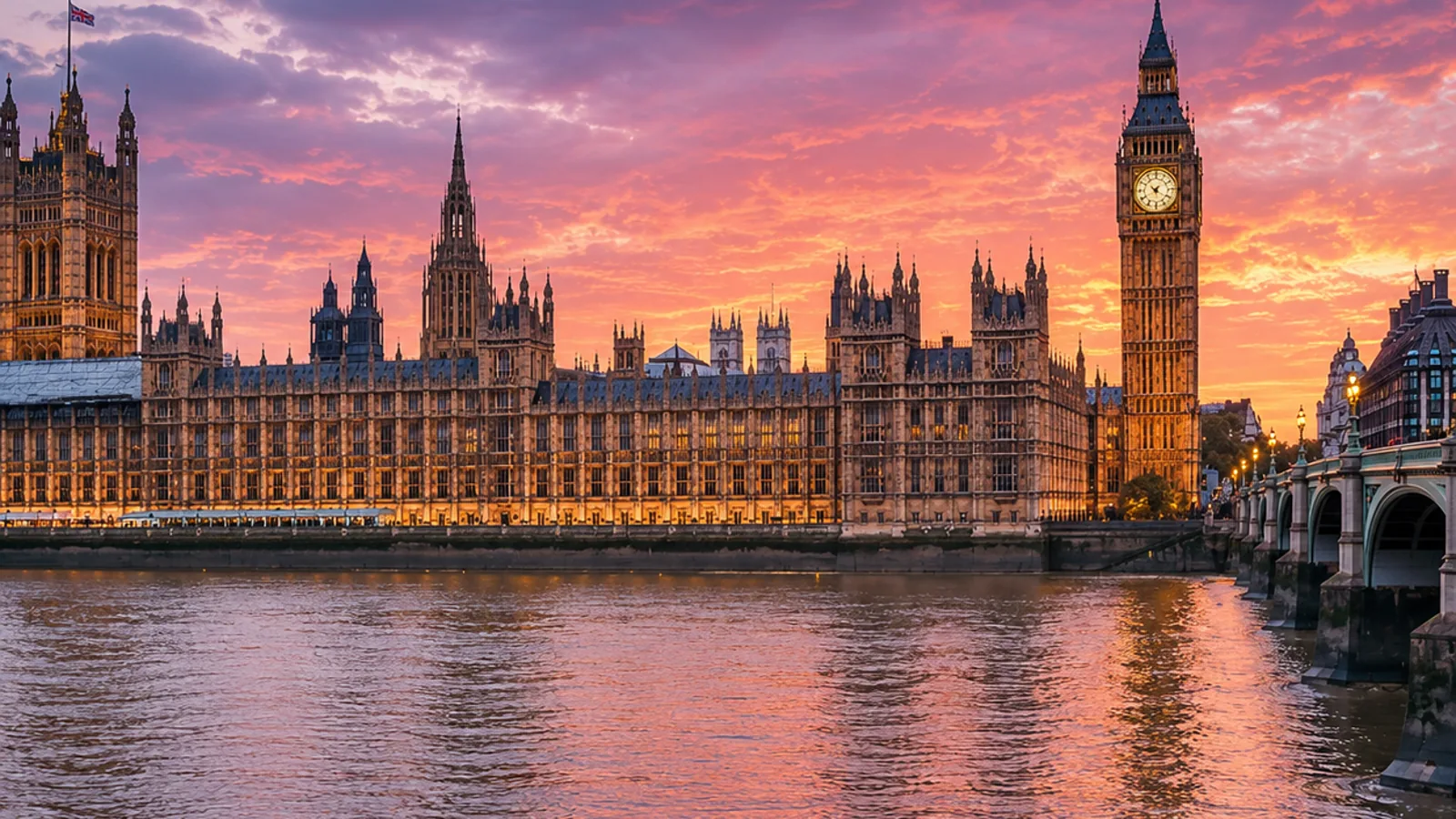


Book your Tower of London and Crown Jewels ticket, explore the fortress at your own pace and visit historic exhibitions. Free cancellation up to 24 hours.
View experienceThe biggest mistake to avoid in London: trying to see everything in one trip
The most common mistake in London is turning every day into a race: Buckingham Palace in the morning, the Tower of London at midday, Camden in the afternoon, Soho at night, and, in between, museums, shopping, and photos on every corner.
On the map, it looks possible. On the street, not so much. London demands time: time to walk along the Thames, to get lost in a park, to step into a bookshop, to let a Georgian façade suddenly appear between red buses and rain-streaked shop windows.
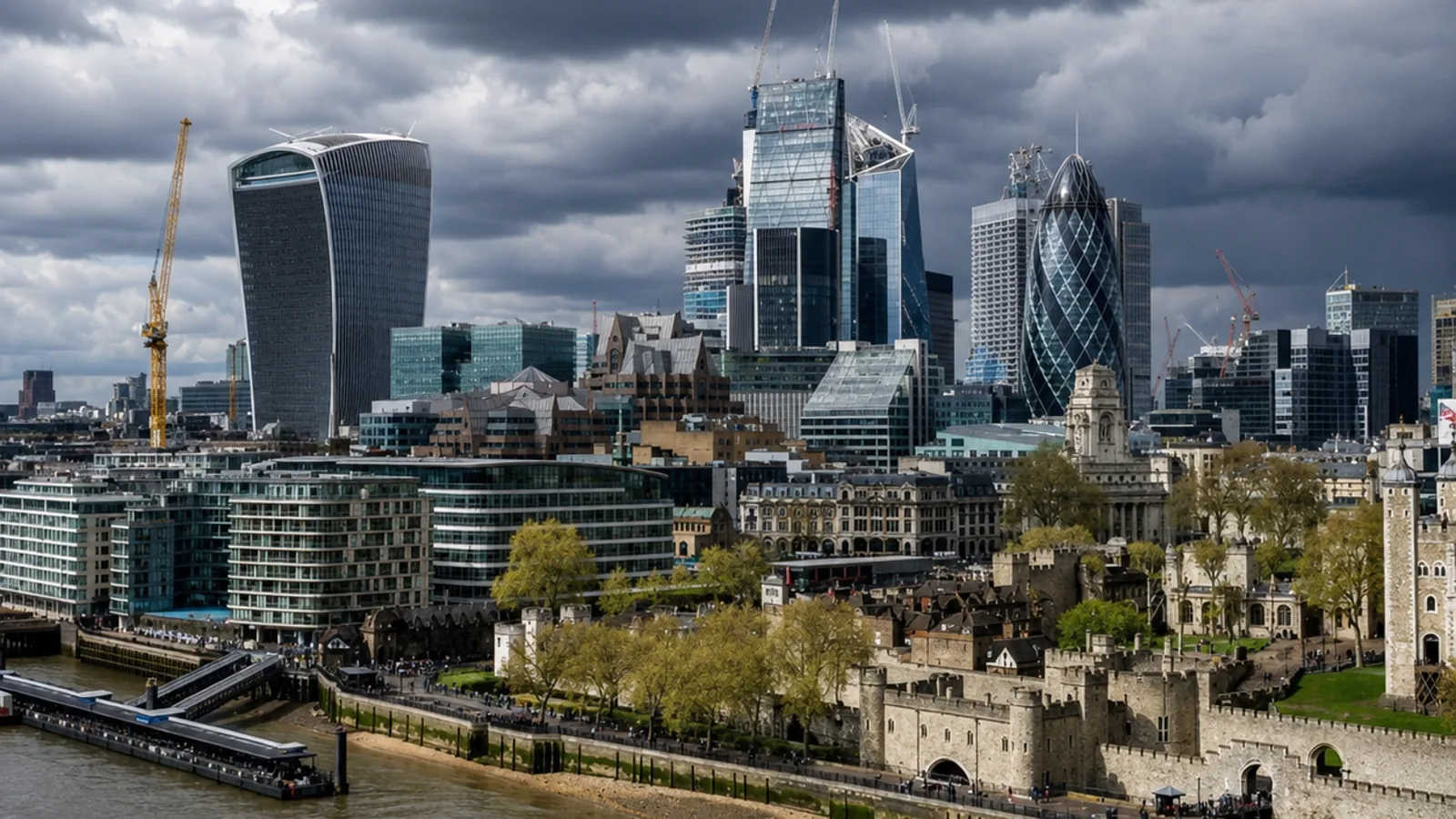
The sensible approach is to choose two or three areas a day and group nearby visits together. Westminster, St James’s, and the South Bank work well together. So do Covent Garden, Soho, and Mayfair. The Tower of London, Tower Bridge, and Borough Market make another day with a logical rhythm.
Choose two or three areas a day and group nearby visits together.
Staying too far out just to save a little
Sleeping on the outskirts can seem like a good idea until every day begins and ends with long journeys, crowded carriages, and mounting fatigue. London has good public transport, but distances take their toll, especially on a short break.
You do not always need to stay in the most expensive areas. Neighbourhoods such as South Kensington, Paddington, Bloomsbury, King’s Cross, Shoreditch, or Waterloo can be practical depending on the kind of trip. The real mistake is choosing a hotel based on price alone, without checking connections, timetables, and the real journey time to the places you want to visit.
The real mistake is choosing a hotel based on price alone.
Not understanding how to pay for transport
Buying single tickets for each journey is usually a poor decision. To get around London, Transport for London allows you to pay with contactless, a mobile phone, or an Oyster card using the “pay as you go” system, tapping in and out where required; there are also daily and weekly spending limits, known as caps, which help ensure you do not keep paying indefinitely for journeys within the system.
The typical mistake is mixing cards, using one to tap in and another to tap out, or failing to check whether every member of the group needs their own payment method. It is also worth remembering that two people must not use the same Oyster card for the same journey.
Use the same payment method to tap in and out, and make sure each traveller has their own.
Forgetting the entry requirements
Since Brexit, travelling to London no longer feels the same for many Europeans. It is worth checking the paperwork before buying flights or making non-refundable bookings. The United Kingdom requires an Electronic Travel Authorisation — ETA — for visitors from countries that do not need a visa for short stays, and the authorisation allows travel for tourism for up to six months; the official process states a cost of £20.
The mistake is not only failing to apply for it, but doing so through unofficial websites that imitate government services and may charge more. For this kind of procedure, caution is worth more than speed.
Check the paperwork before buying flights or making non-refundable bookings.
Underestimating the airports
London does not have “an airport”. It has several, and some are quite far from the centre. Heathrow is not Gatwick, Gatwick is not Stansted, and Stansted does not feel close when you land late, it is raining, and you still have to cross half the city.
Before booking, you need to look at the cost and duration of the transfer, not just the price of the flight. A ticket that appears cheap may stop being so if it forces you to pay for expensive transport, sleep far away, or arrive in the early hours with no margin for error.
Before booking, look at the cost and duration of the airport transfer.
Improvising too much in high season
London can be enjoyed spontaneously, but not everything allows for improvisation. In summer, with school holidays and good weather, the city comes under greater tourist pressure, and the official tourism website recommends booking attractions in advance to avoid queues.
This does not mean locking the trip into a rigid schedule. It means securing the essentials: certain viewpoints, temporary exhibitions, musicals, specific restaurants, or highly sought-after visits. Then leave some gaps free. London needs room to breathe.
Secure the essentials, then leave some gaps free.
Eating only where tourists eat
Another common mistake is being trapped by bland menus around the major attractions. There are areas where the food seems designed for people who will never return: expensive dishes, fast service, and little soul.
London can be a wonderful city to eat in, but you have to look a little. Markets, pubs with thoughtful cooking, Indian restaurants, neighbourhood bakeries, Middle Eastern kitchens, Australian cafés, discreet izakayas, street-food stalls, and small family-run places tell the story of the city better than many restaurants with obvious views.
The key is not to eat in front of the monument every time. Sometimes walking ten minutes away from the main circuit is enough for the price to drop and the food to improve.
Sometimes walking ten minutes away from the main circuit is enough for the price to drop and the food to improve.
Not looking after your phone, wallet, and bag
London is generally an easy city to explore, but it is not wise to travel naively. The Metropolitan Police warns about pickpockets in crowded areas, distraction thefts, and mobile phone robberies, especially where there are lots of people. It also recommends never giving your PIN to anyone, even if someone claims to be a police officer, and avoiding buying theatre or concert tickets from street touts.
The solution is not to travel in fear, but to stay alert. Do not leave your phone on a café terrace table, do not carry your backpack open on the Tube, and do not take out your wallet in the middle of a crowd. London is much more enjoyable when you do not have to spend half an afternoon reporting a theft.
The solution is not to travel in fear, but to stay alert.
Getting into any car that looks like a taxi
In London, black cabs can be hailed on the street when available, but minicabs must be pre-booked through a licensed operator. Transport for London reminds visitors that private hire vehicles must be booked in advance; you should not accept cars that offer rides directly on the street.
This advice matters especially at night, outside bars, stations, or events. If you want a traditional taxi, look for a black cab. If you prefer a private hire vehicle, book through a reliable service and check the licence plate, driver, and booking details.
You should not accept cars that offer rides directly on the street.
Talking to Londoners as if the city were a theme park
London lives off tourism, but it does not exist solely for tourists. On the Tube, on escalators, in a packed café at eight in the morning, or in a pub after work, people are simply living their normal day.
Local interaction improves greatly when certain codes are respected: do not block the way, do not stop abruptly in the middle of a narrow pavement, do not speak loudly in quiet carriages, ask for things with a “please”, and say thank you naturally. British politeness is not always effusive; sometimes it is discreet, quick, almost dry. That does not mean coldness. It means urban rhythm.
In pubs, the usual thing is to order at the bar. On public transport, you should let people off before getting on. On escalators, those who are not walking are expected to stand on the right. They are small details, but they change the way the city receives you.
On escalators, those who are not walking are expected to stand on the right.
Thinking rain ruins the trip
Rain does not ruin London; it is part of its character. What does ruin the day is not having comfortable shoes, a suitable jacket, or an alternative plan. London under grey skies can be beautiful: the brickwork darkens, the parks smell of wet earth, and the taxis shine beneath the traffic lights.
The weather makes flexibility essential. Museums, galleries, covered markets, bookshops, afternoon tea, historic pubs, and short walks between showers can save a day. The traveller who only imagines London in sunshine often becomes frustrated too soon.
Rain does not ruin London; it is part of its character.
Sticking only to monumental London
Big Ben, Westminster Abbey, Tower Bridge, and the British Museum deserve attention, but limiting London to its icons means missing its texture. The city also breathes in Hampstead, Richmond, Greenwich, Columbia Road, Little Venice, Marylebone, Notting Hill early in the morning, and the canals near King’s Cross.
Anyone looking for a comfortable, cheap, and easy city might want to think twice: London can be tiring, demand a budget, and force you to make decisions. But anyone who enjoys complex, multicultural, literary, and slightly contradictory cities will find something hard to forget: a capital that does not reveal itself all at once, but in layers.
Limiting London to its icons means missing its texture.
So how do you avoid getting London wrong?
Travel with less haste. Group neighbourhoods together. Book the essentials. Check entry requirements. Use transport properly. Eat away from the most obvious traps. Look after your belongings without becoming obsessive. And, above all, do not try to tame London in three days.
The city rewards those who accept its size, its weather, its prices, and its blend of splendour and fatigue. London is not always gentle, but it is almost never flat. And that is precisely where its magnetism begins.
Do not try to tame London in three days.