 Activity on TourBookGo
Tower of London and Crown Jewels Ticket
Book your Tower of London and Crown Jewels ticket, explore the fortress at your own pace and visit historic exhibitions. Free cancellation up to 24 hours.
Where to eat in London can be the difference between a memorable food day and a run of high bills, cramped tables, and forgettable dishes. The secret is rarely choosing “the most famous restaurant”; it is understanding how the city eats.
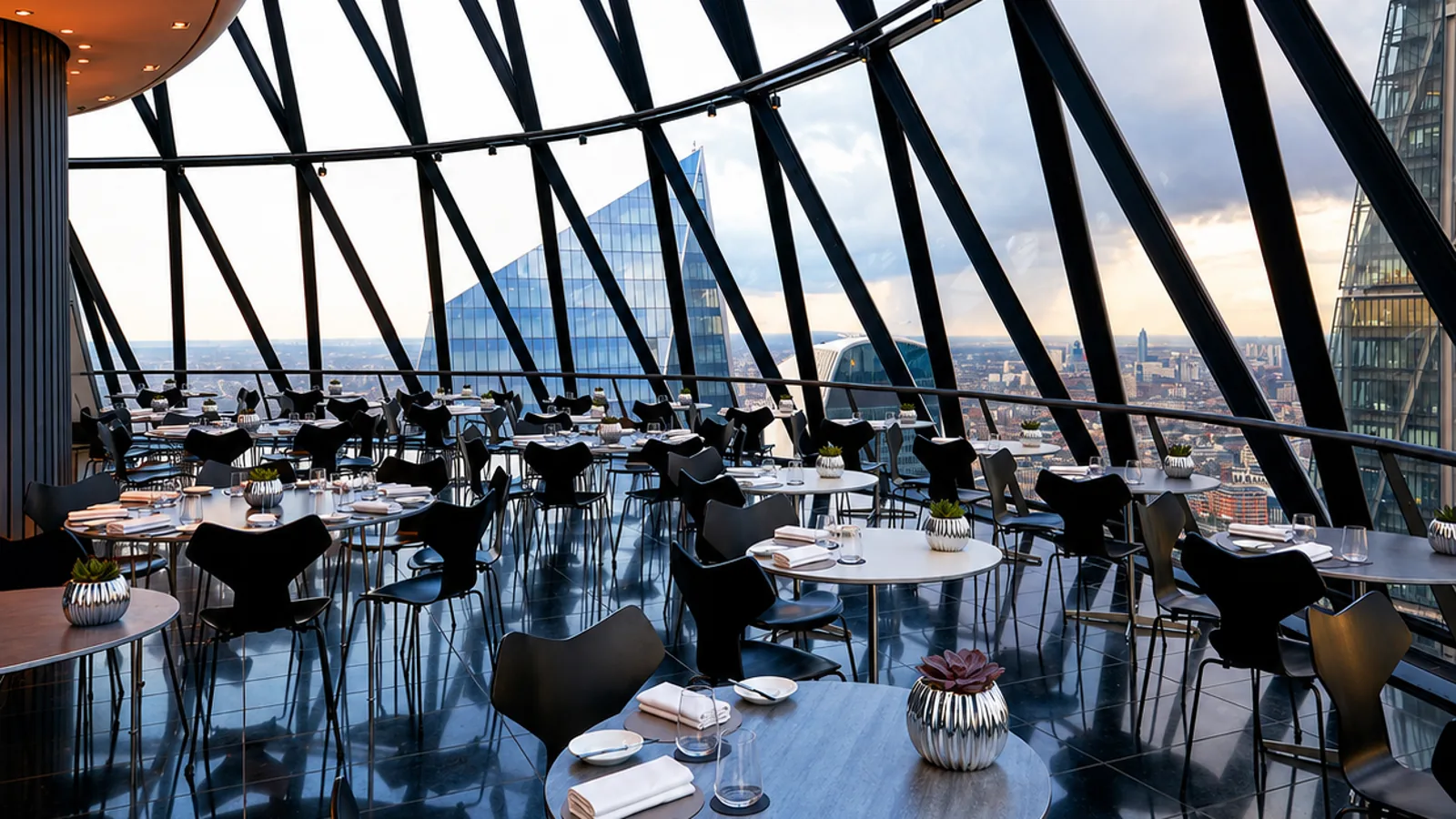
If you are wondering where to eat in London, do not search for one single “London cuisine.” The city is best enjoyed by accepting its mix. A good food day might begin with a serious coffee in Hackney, continue with oysters or British cheese at Borough Market, carry on with dim sum in Chinatown, and end with a Punjabi curry in Southall or a Sunday roast in a pub with dark wood and misted-up windows.
Compare locations and options to find a base that suits your trip. Booking.com confirms current availability and pricing.
Find accommodation on BookingThe first temptation is to look for fish and chips. It can be worth it, but not just anywhere. Avoid overly central places with huge photos by the door and endless tourist menus. Good fish and chips should arrive crisp, hot, with thick-cut chips and juicy fish, not like a tired piece left sitting under a heat lamp.
It is also worth trying a Sunday roast in London, especially in autumn or winter: roast meat, vegetables, golden potatoes, Yorkshire pudding, and gravy. Not every pub does it well, and the best ones usually fill up, so booking is wise. For something quicker, pie and mash still keeps that old working-class London feel, although it may seem heavy if you are expecting a light meal.
But the real richness lies in the diversity: South Asian curries, Turkish food in the north and east of the city, noodles in Chinatown, Middle Eastern flavours, African restaurants, modern grills, artisan bakeries, and markets where the smell of bread, spices, and grilled meat blends with the rumble of the nearby Tube.
Borough Market is probably London’s most famous food market. It sits beside London Bridge, in a historic setting, and brings together British and international food, producers, prepared-food stalls, and specialist shops. It is a useful stop if you want to taste several things without committing to a formal meal.
Is it worth it? Yes, especially if it is your first time in London and you want to see a lively, photogenic market with plenty of variety. But it is worth going in with clear expectations: it can get very crowded, some stalls are expensive, and not everything with a queue is necessarily the best. It is more pleasant mid-morning on a weekday than at peak time on a Saturday.
The best approach is to go before you are desperately hungry, walk around first, and choose two or three small things instead of rushing to the first viral stall. British cheeses, bread, charcuterie, seafood, sweets, coffee, and hot dishes can all work very well if you know how to dodge the crowds.
If you are around Covent Garden, Soho, or the West End theatres, Seven Dials Market is a convenient solution: a central food hall with independent traders, an informal atmosphere, and generous opening hours during the week.
It is not London’s most “local” spot, and it can feel very designed for visitors, but it has one huge advantage: it lets you eat well without booking, without losing too much time, and without ending up in a mediocre restaurant in a tourist area. For families, groups with different tastes, or travellers heading to the theatre, it works especially well.
East London has a different energy: exposed brick, street art, bakeries, cafés, galleries, modern pubs, and markets that change mood depending on the day. Brick Lane is still a classic area for anyone looking for curry, street food, and a multicultural atmosphere. Around the area, you will also find stalls and courtyards serving dishes from different parts of the world, especially lively at weekends.
Here it is worth being careful with restaurants that try to pull you in from the doorway with overly insistent offers. They are not always bad, but often the best plan is to walk, observe where there is a mixed clientele, and avoid being dragged in by the first tourist menu. Shoreditch also concentrates a more contemporary food scene: good bars, grills, modern European cooking, and places with greater culinary ambition.
For many travellers, Southall sits outside the classic circuit. And that is precisely why it can be one of London’s best food experiences. It is an ideal area for Punjabi, Pakistani, South Indian, and Sri Lankan restaurants, with plenty of vegetarian options too.
It is not the most convenient plan if you only have a weekend and want to see museums, Westminster, and the Thames. But if you already know London or care more about eating well than photographing monuments, Southall can give you a memorable afternoon: sweet-shop windows, the smell of spices, freshly made breads, and simple restaurants where the luxury lies more in the flavour than in the décor.
Tooting plays a similar role for anyone looking for South Indian and Sri Lankan food, with dosas, lighter curries, coconut, tamarind, and heat. These are neighbourhoods for curious travellers, not for anyone who needs everything to be five minutes from Piccadilly Circus.
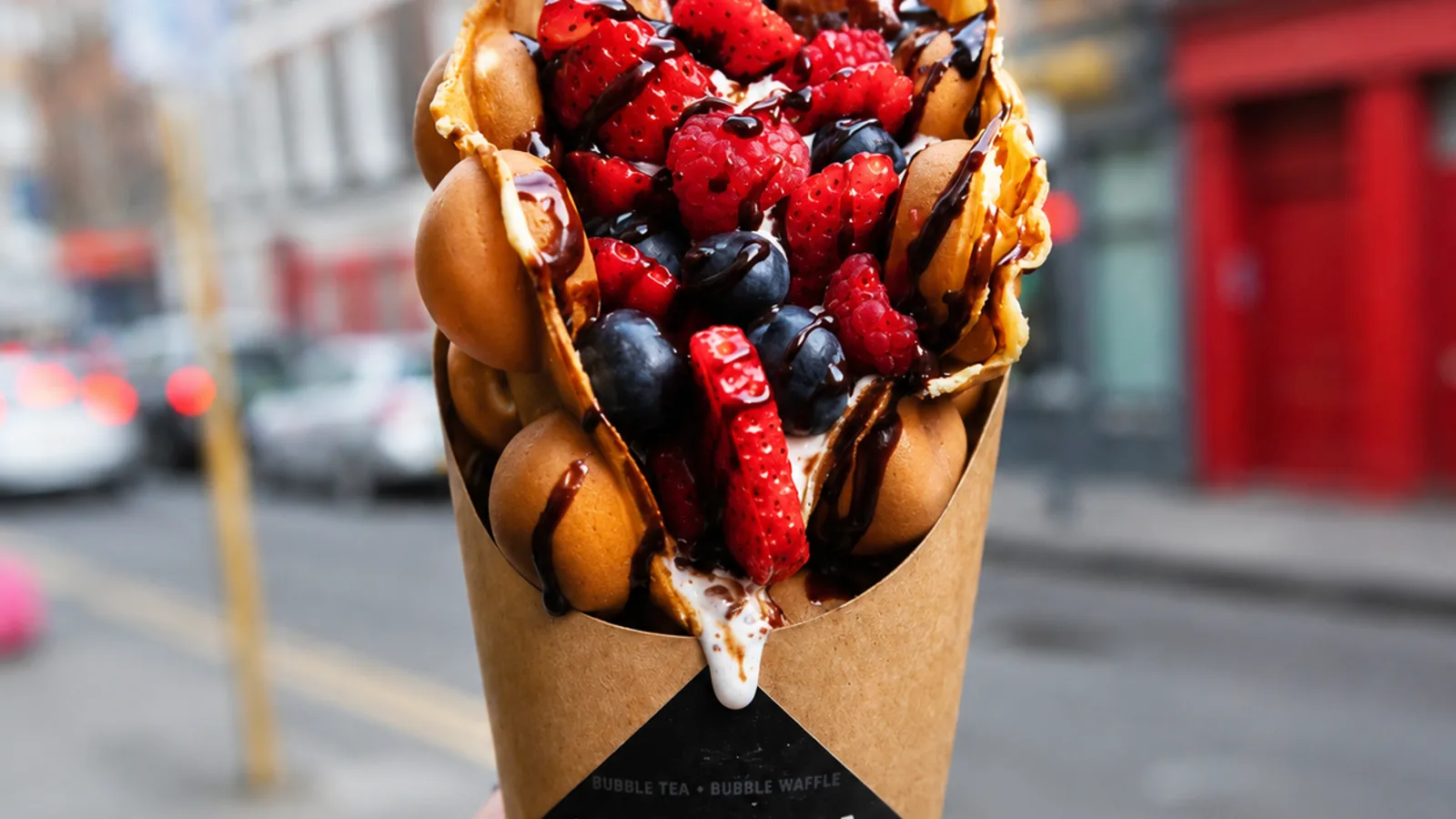
Camden Market has a huge range of street food, sweets, terraces, and informal stalls. It is fun, chaotic, youthful, and very touristy. It can be a good plan if you want to combine a walk, alternative shops, and quick food, but do not always expect London’s best value for money. The look matters a lot, and some dishes are made for the photo.
Mercato Metropolitano, with locations such as Elephant & Castle, Mayfair, and Wood Wharf, works better for those who want variety in a spacious, social setting. Its community-market feel, artisan traders, and shared tables make it easy for groups who cannot agree on one cuisine.
It is a useful option for groups, families, or informal evenings, although it may lose some charm if you are looking for intimacy or very precise cooking.
Eating cheaply in London takes strategy. Markets help, but not all of them are cheap. Some good ideas include looking for weekday lunch deals, street-food stalls away from the most photographed spots, bakeries, decent-quality chains for emergencies, and restaurants in neighbourhoods such as Southall, Tooting, Dalston, Haringey, or parts of Peckham.
Supermarkets can also save the day: not every trip needs three sit-down meals. A picnic by the Thames, in Regent’s Park, or on Hampstead Heath can be more enjoyable than a bad, expensive table on an overcrowded street.
To save money, avoid improvising right next to major attractions at peak times. Near Leicester Square, Oxford Street, Westminster, or the exits of famous museums, there are decent places, but also many traps: long menus, soulless food, and prices inflated by location.
London has a huge, ever-changing restaurant scene. That is why it helps to combine current recommendations, neighbourhood instinct, and common sense: the city moves too quickly to rely only on an old list.
If you want a special dinner, book. Not necessarily the most expensive place, but the one that fits your trip: a neighbourhood trattoria, a contemporary Indian restaurant, a Japanese counter, a gastropub, or a small table in Soho. For a spontaneous meal, it is better to rely on markets and neighbourhoods with plenty of options than to depend on a single famous restaurant.
The first mistake is thinking that everything British is bad and everything international is good. There are excellent pubs and mediocre curries; superb fish and chips and forgettable ramen. The second mistake is always eating where you are sightseeing. London rewards those who move two or three Tube stops away.
The third mistake is chasing viral dishes. Queues exist for many reasons: quality, fashion, location, social media, or simple slowness. A queue is not always a promise. Sometimes it is just a waste of time in the rain.
It is also worth checking opening hours. London eats dinner earlier than Spain, many kitchens close earlier than a Mediterranean traveller might expect, and Sundays can be tricky outside pubs, markets, and very central areas.
London is absolutely worth it for curious travellers, lovers of international food, people who enjoy markets, and anyone who does not need white tablecloths to eat well. It is a splendid city for trying different flavours in just a few days.
It may disappoint those looking for low prices, consistently warm service, generous portions, or a single culinary identity that is easy to sum up. London is expensive, noisy, and sometimes uneven. But when you get it right, it has something that is hard to find in other European capitals: enormous culinary freedom, a real mix of cultures, and the feeling that every neighbourhood cooks in a different language.
The best way to eat in London is not to chase “the best restaurant.” It is to build your own map: a historic market, a pub with a good roast, an Asian dinner outside the centre, a neighbourhood coffee, an improvised sweet treat, and a simple meal that was not on any list. There, among smoke, rain, warm bread, and spices, London begins to taste real.
Discover the culinary side of London through selected experiences featuring markets, tastings, workshops and special dinners.
Activity on TourBookGoBook your Tower of London and Crown Jewels ticket, explore the fortress at your own pace and visit historic exhibitions. Free cancellation up to 24 hours.
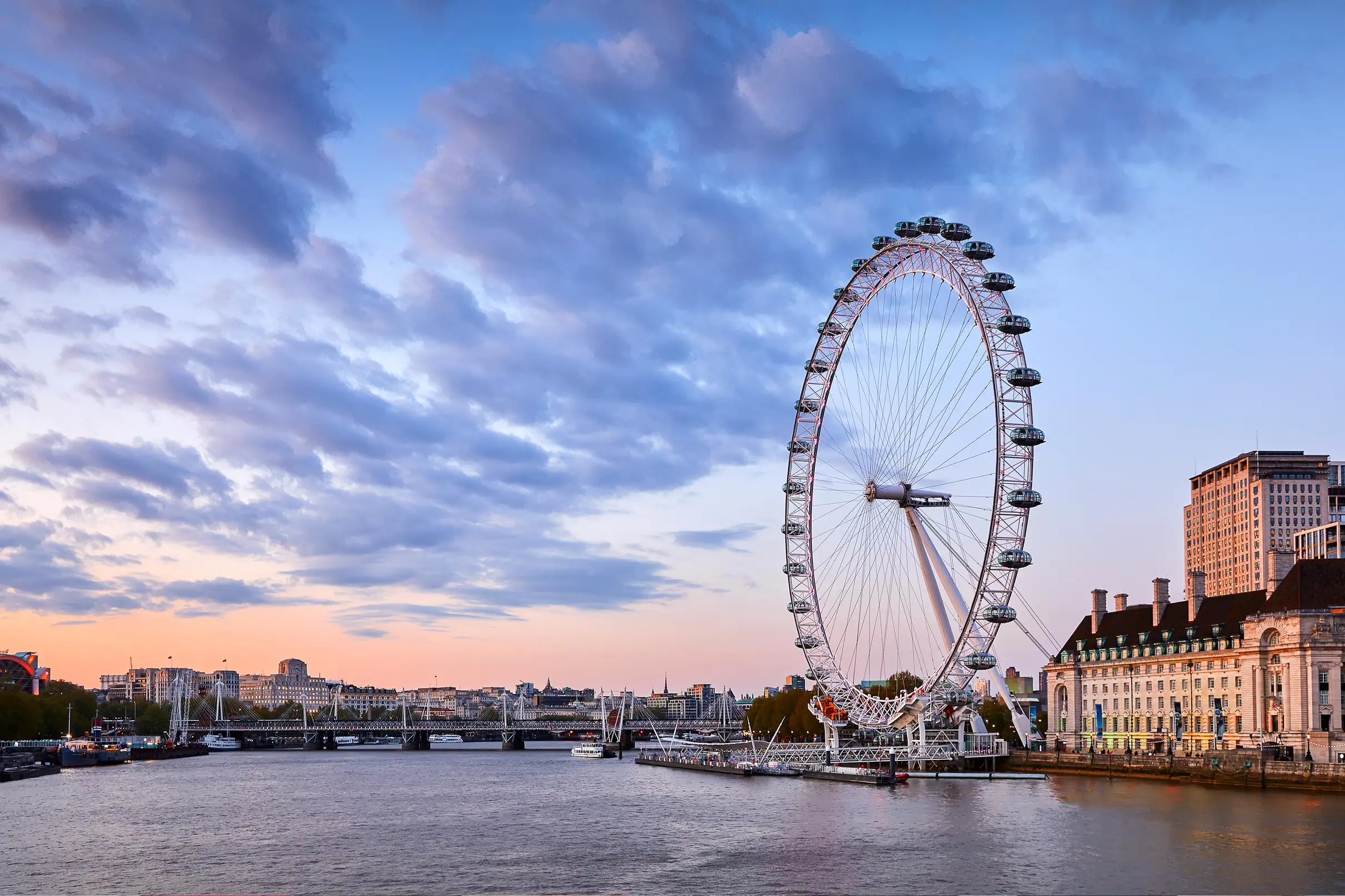 Activity on TourBookGo
Book London Eye tickets London and enjoy 360-degree panoramic views from 135 metres during an experience lasting around 30 minutes.
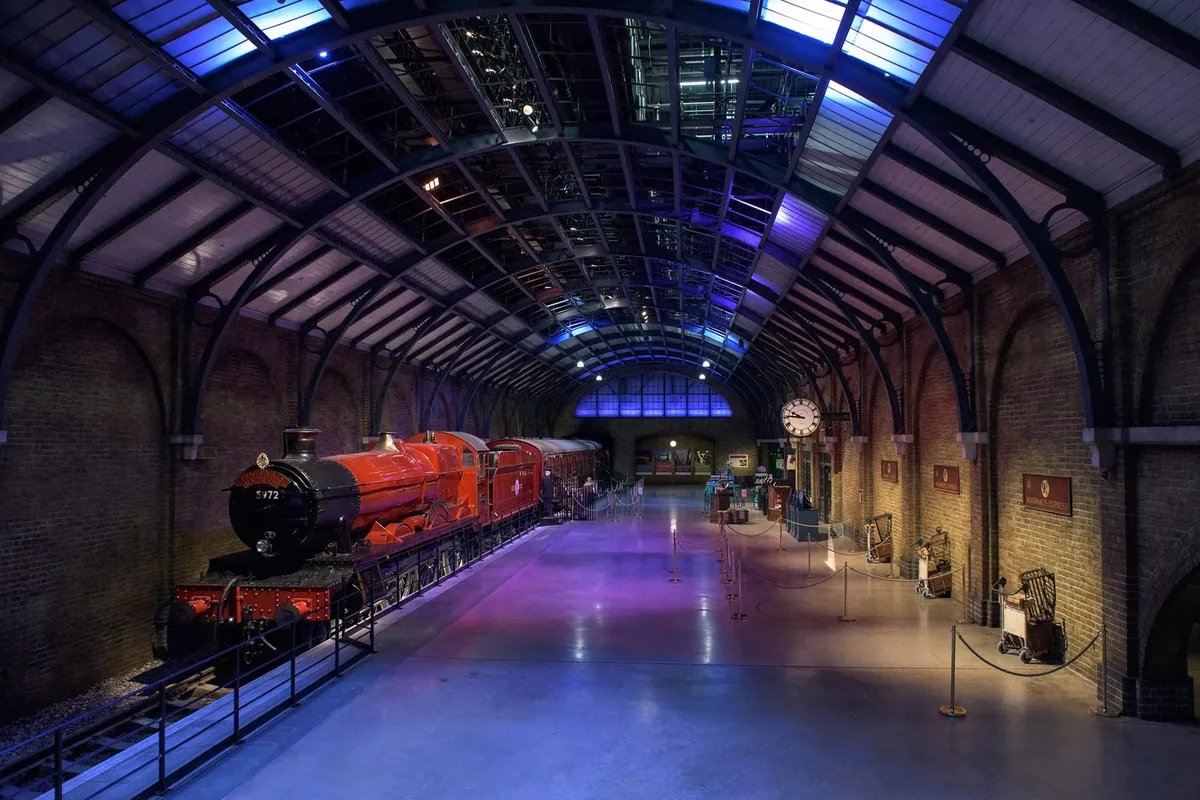 Activity on TourBookGo
Book the Harry Potter Warner Bros Studio Tour London with entry and coach transfers. Check duration, price, meeting point and practical booking tips.