 Activity on TourBookGo
Tower of London and Crown Jewels Ticket
Book your Tower of London and Crown Jewels ticket, explore the fortress at your own pace and visit historic exhibitions. Free cancellation up to 24 hours.
Choosing where to stay in London is no small detail: it can completely change the experience. The city is huge, beautiful, expensive and sometimes exhausting, and a poor location can turn every day into a small underground expedition.
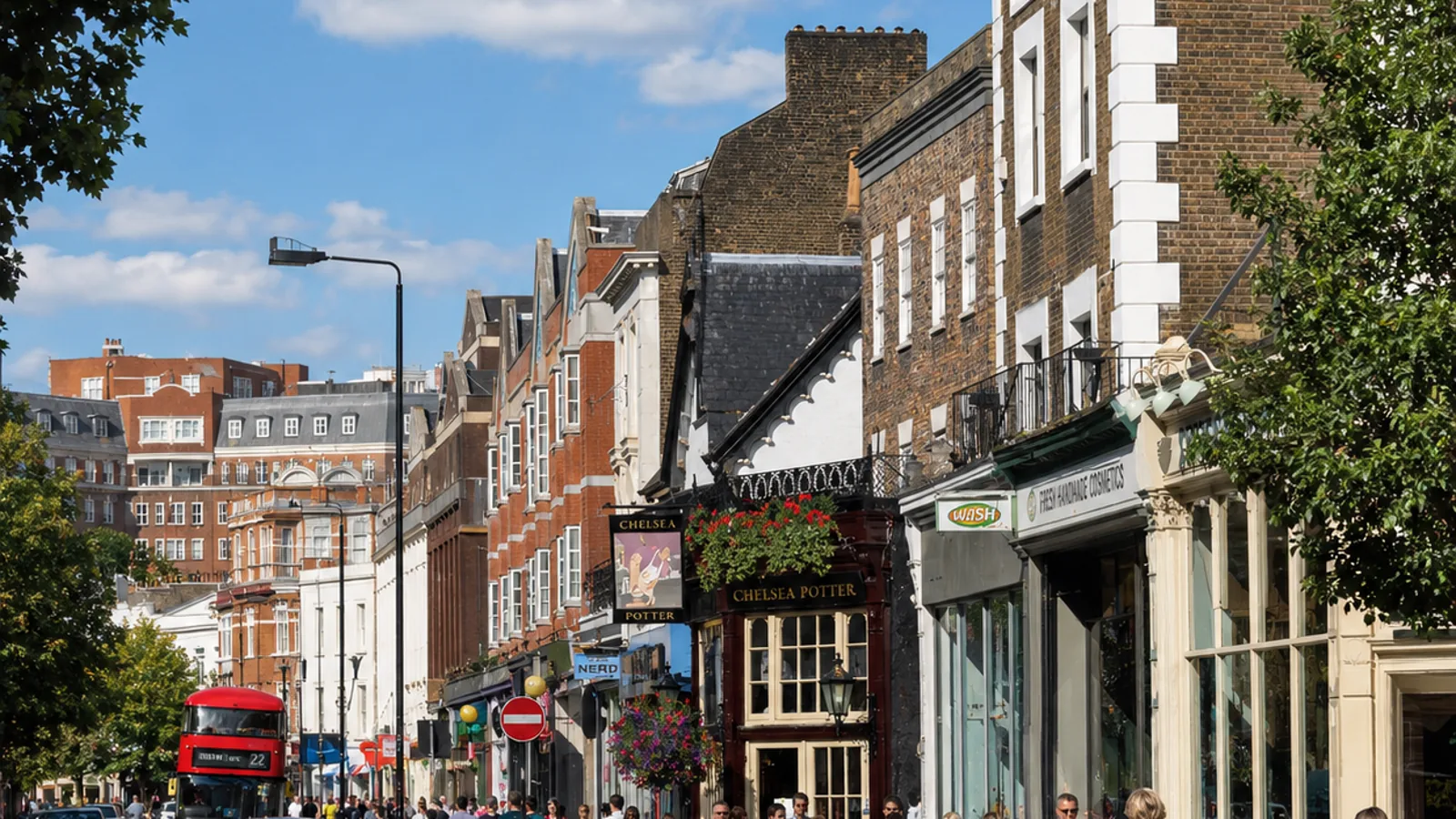
London is best enjoyed when your accommodation matches the rhythm of your trip: museums and parks, theatre and nightlife, markets, shopping, children, romantic breaks or a tight budget. That is why the best areas to stay in London are not always the most famous ones, but the ones that make your days feel easier.
Compare locations and options to find a base that suits your trip. Booking.com confirms current availability and pricing.
Find accommodation on BookingCovent Garden is one of the most convenient areas to stay in London if it is your first visit. You are close to theatres, restaurants, shops, Soho, Trafalgar Square and several of the city’s major sightseeing classics. It is a practical base if you want to step out of the hotel and feel London immediately.
Its main advantage is obvious: you can walk a lot and waste little time. Its less appealing side is just as clear: it is expensive, touristy, noisy and can feel crowded at almost any hour. It is worth it if you only have a few days and want London right on your doorstep. Perhaps less so if you are looking for quiet, reasonable prices or a more local feel.
South Bank has a special glow at sunset, when the Thames reflects the bridges and the city looks like a scene from a film. It is an excellent area for travellers who want to be close to the London Eye, Tate Modern, Borough Market, theatres, riverside walks and well-connected stations.
It is a good choice for couples, families and first-time visitors, although some stretches can feel impersonal at night, especially around large avenues or office buildings. It is worth checking the exact street of the hotel carefully: staying by the river is not the same as staying in a greyer area behind the station.
South Kensington is one of the best areas to stay in London with children, or if you are looking for a more elegant and peaceful experience. Some of the city’s great museums are nearby, along with attractive residential streets, polished cafés and easy access to Hyde Park and Kensington Gardens.
It has a calmer feel than the West End. It is not cheap, but it can be worth it if you value safety, architectural beauty and quieter nights. Its downside is that it does not convey London’s more alternative or nocturnal energy. For anyone looking for late-night pubs, creative markets or a young atmosphere, it may feel a little too proper.
Bloomsbury is a smart choice for central London accommodation without always paying West End prices. It is close to the British Museum, King’s Cross, Russell Square and several useful transport links, yet it retains a university, literary and somewhat quieter atmosphere.
It is ideal for those who want balance: central, practical and not as theatrical as Covent Garden. It may disappoint travellers dreaming of staying in a picture-postcard version of London, or stepping straight out of the hotel into the city’s most famous bustle.
Paddington and Bayswater are often good areas if you are looking for slightly more affordable accommodation without staying too far out. They work well for arriving from Heathrow, getting around by Tube and staying close to Hyde Park, especially if you want London zones 1 and 2 hotels without feeling cut off.
They are not London’s prettiest areas at every turn, and some streets have simple, old-fashioned or inconsistent hotels. It is important to check recent reviews and the exact location carefully. Even so, for practical travellers who would rather spend their money on museums, meals and experiences, they can be a good decision.
Shoreditch is for those who want a more urban London: street art, bars, cafés, independent fashion, informal restaurants and long nights out. It has personality, but it is not the most convenient option for a classic first visit.
It is a good area for young couples, friends, repeat visitors, or lovers of food and nightlife. I would not choose it for families looking for calm, or for anyone who wants to visit the most traditional landmarks on foot. It can also feel noisy and uneven: one street may be charming, while the next feels rather rough around the edges.

Marylebone has a discreet beauty: well-kept façades, elegant shops, quiet restaurants and a superb location near Regent’s Park, Oxford Street and the West End. Mayfair, meanwhile, is pure luxury, with expensive hotels, boutiques and high-end restaurants.
They are good areas if your budget allows and you are looking for comfort, safety and refinement. But they are not the most authentic choice for everyone: they can feel too polished, expensive or removed from everyday London life.
For most travellers, no. London makes much more sense by public transport and on foot. You can pay for many journeys with an Oyster card, contactless card or mobile device, which makes renting a car unnecessary for a normal city visit.
Driving can also be expensive and inconvenient, with charges, restrictions and heavy traffic in several areas. If you choose a well-located hotel near a Tube or train station, you will save time, money and a fair amount of stress.
Rather than avoiding entire neighbourhoods, it is better to avoid mistakes. Staying too far out to save money can cost you in time and tiredness. It is also wise to be wary of cheap hotels “near London” that are actually in poorly connected outskirts.
For a first visit, the most practical option is usually to stay in zones 1 or 2, close to a Tube or train station. A small but well-located room can be worth more than a large hotel 50 minutes from everything.
For a first visit: Covent Garden, South Bank, or Bloomsbury.
For families: South Kensington, Bayswater, or areas close to Hyde Park.
To save money without feeling isolated: Paddington, Bayswater, or Bloomsbury.
For nightlife and creative energy: Shoreditch or Soho, knowing there will be noise.
For an elegant getaway: Marylebone, Kensington, or Mayfair.
For just a few days: the more central, the better. In London, time is part of the budget too.
The best area to stay in London is not always the most famous one, but the one that reduces friction. London can be fascinating, but also expensive, damp, crowded and slow if you choose the wrong base. Covent Garden wins people over with convenience, South Kensington with calm, Bloomsbury with balance, Shoreditch with character and Paddington with practicality.
My advice: do not look only for the prettiest hotel. Look for a nearby station, a pleasant street to return to at night and a location that does not force you to start every morning already tired. London is far more enjoyable when you do not have to fight against it.
Make the most of your stay in London with selected experiences that are easy to combine with the area where you are staying.
Activity on TourBookGoBook your Tower of London and Crown Jewels ticket, explore the fortress at your own pace and visit historic exhibitions. Free cancellation up to 24 hours.
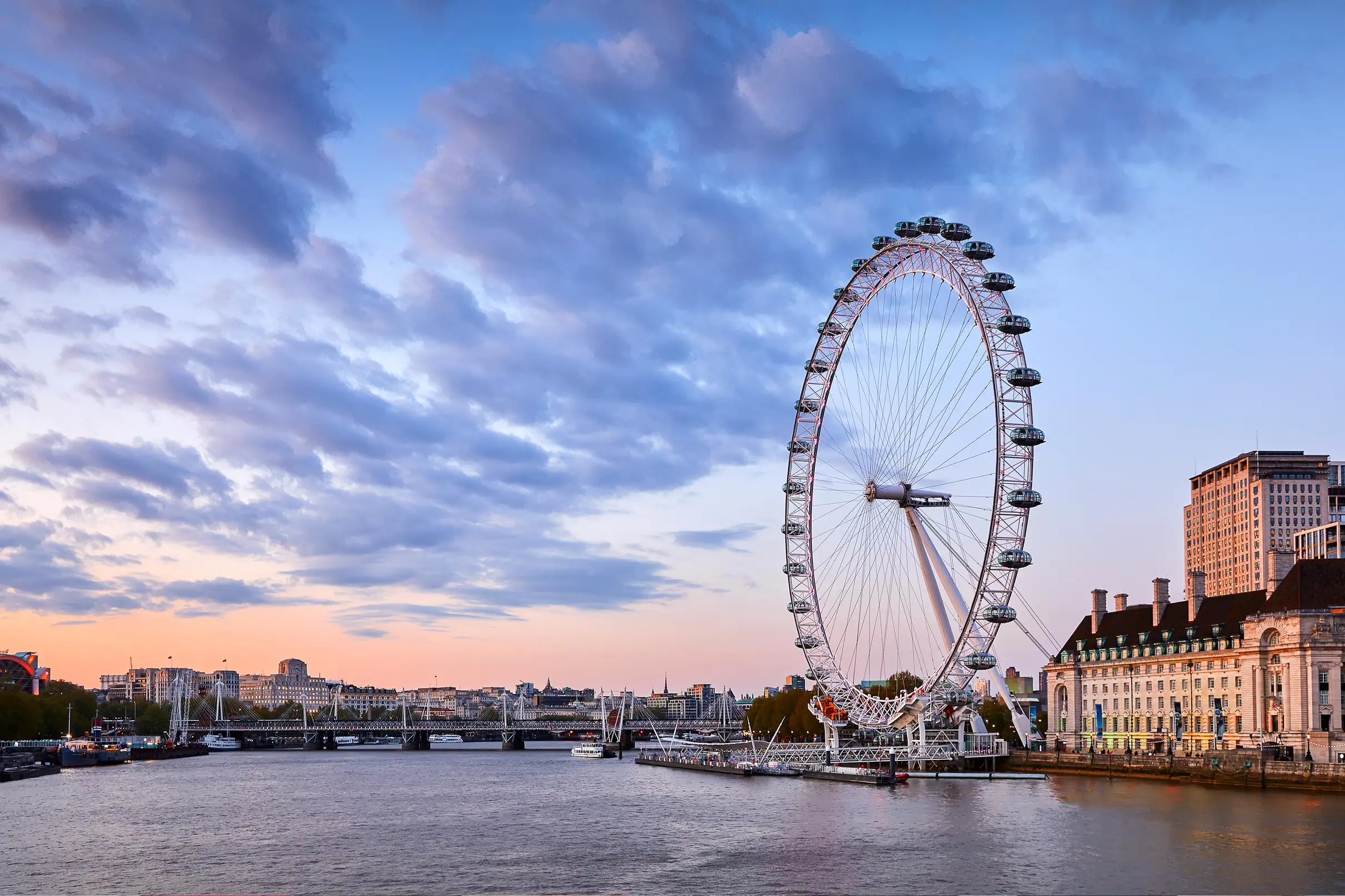 Activity on TourBookGo
Book London Eye tickets London and enjoy 360-degree panoramic views from 135 metres during an experience lasting around 30 minutes.
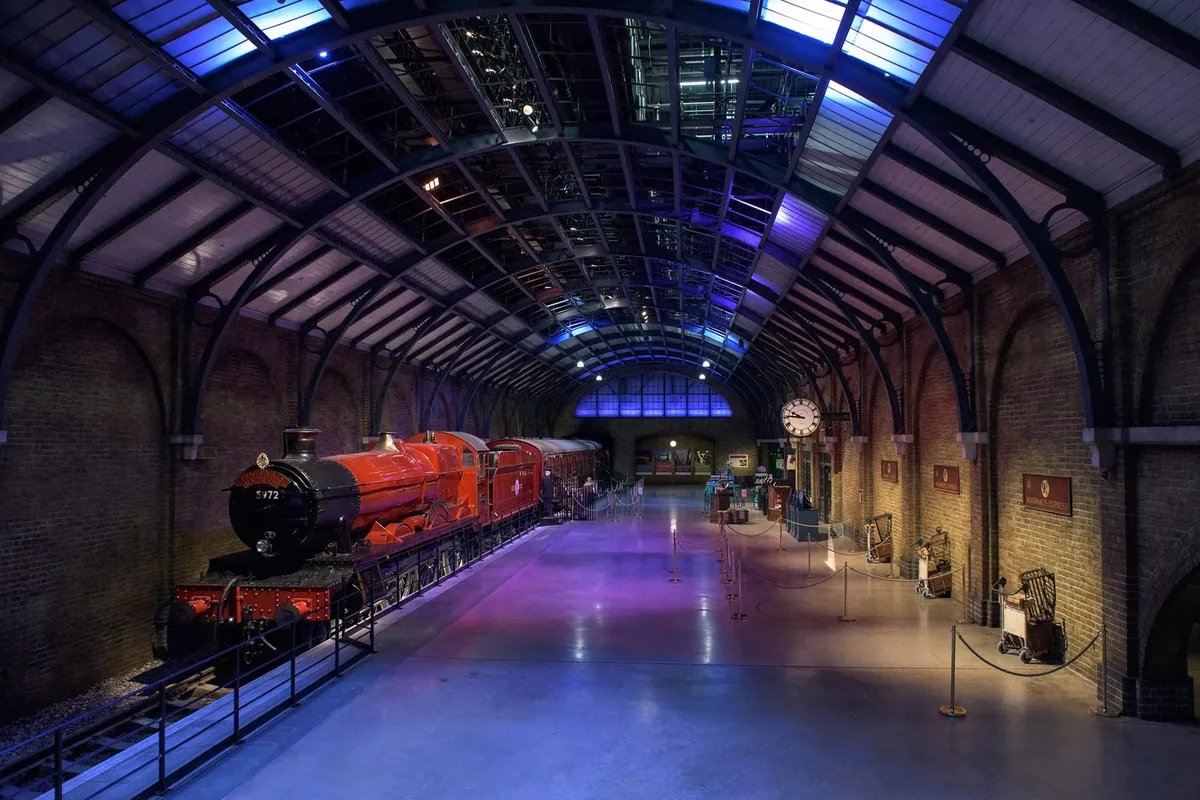 Activity on TourBookGo
Book the Harry Potter Warner Bros Studio Tour London with entry and coach transfers. Check duration, price, meeting point and practical booking tips.