 Activity on TourBookGo
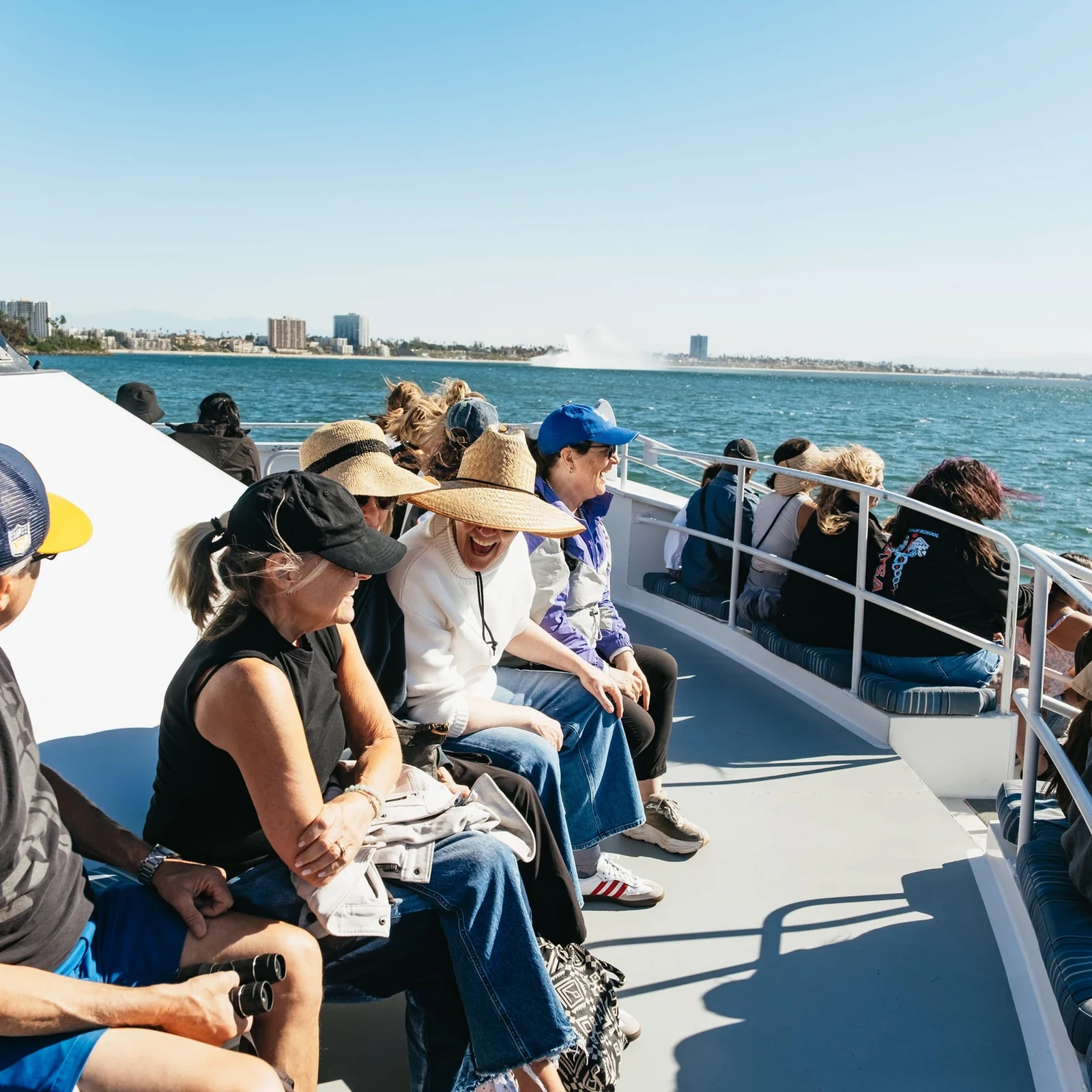
Long Beach Whale and Dolphin Watching Cruise with Naturalists
Explore the Long Beach whale and dolphin watching cruise: 2.5 hours with naturalists, price, reviews, accessibility, and practical booking tips.
Los Angeles is a year-round destination, but April, May, late September, and October usually offer the best balance of pleasant weather, lively atmosphere, and manageable visitor numbers.
The best time to visit Los Angeles depends on the weather, your budget, and the experience you want. Spring is usually the safest choice for a first trip. Fall can feel even brighter and more cinematic, although it brings a greater risk of heatwaves, strong winds, and wildfire smoke.
Compare locations and options to find a base that suits your trip. Booking.com confirms current availability and pricing.
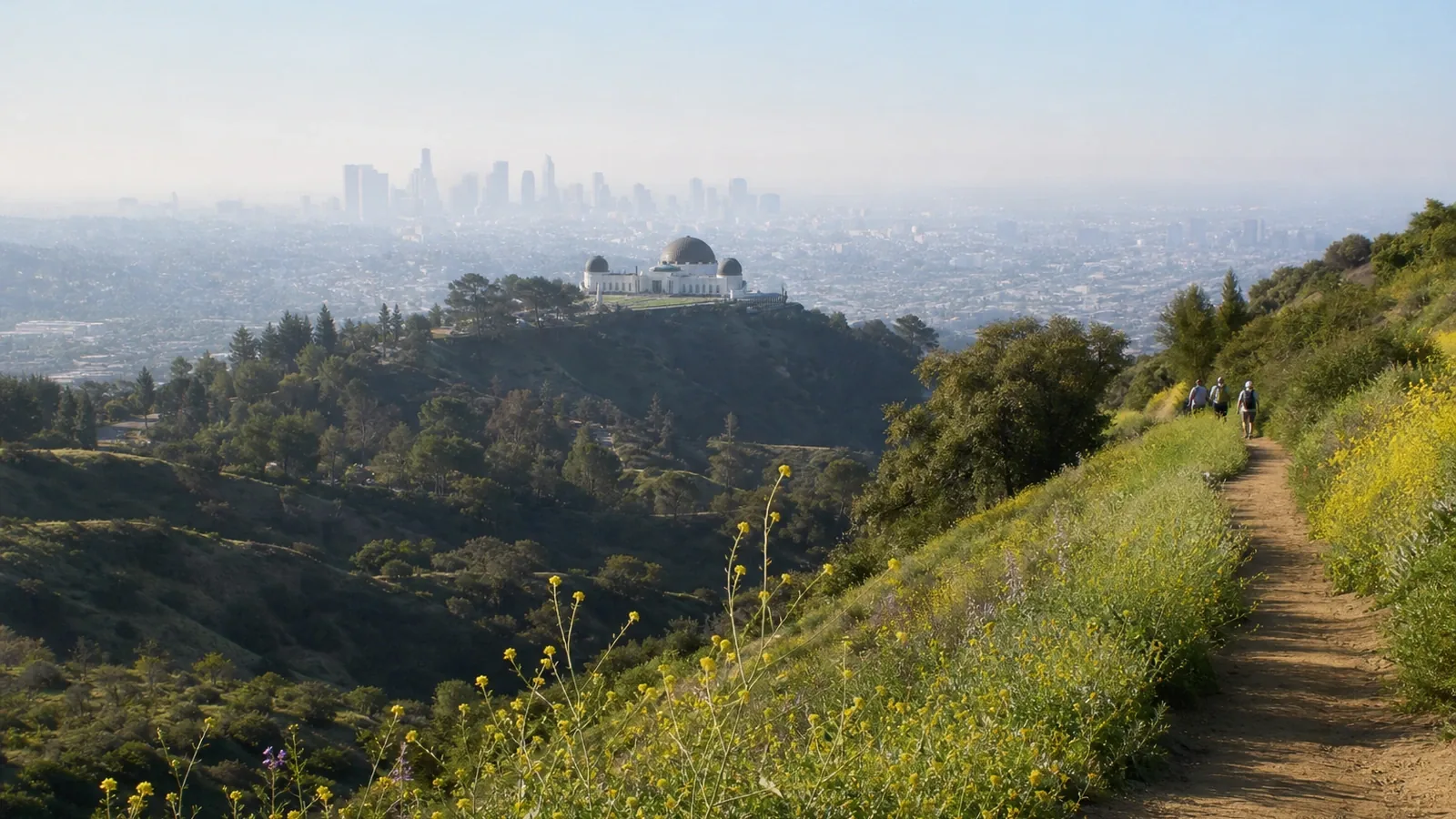
Find accommodation on BookingIn spring, Los Angeles seems to breathe a little more easily. The hills may still retain the green left behind by the winter rains, while the afternoons are ideal for walking through Griffith Park and exploring neighborhoods such as Los Feliz, Silver Lake, or West Hollywood without the fatigue of more intense heat.
From March to early May, California generally enjoys mild temperatures and fewer visitors than in summer. You are also more likely to encounter manageable lines and rates below peak-season highs, although prices always depend on the neighborhood, conventions, and major events taking place that week.
April is particularly well balanced: pleasant days, vegetation that is still vibrant, and good conditions for combining museums, viewpoints, film studios, and the coast. May remains a good choice, but gray mornings may occur near the ocean because of the marine layer.
The downside of visiting Los Angeles in spring is a certain degree of unpredictability. March can still bring rain, and a mild day in Santa Monica may feel considerably warmer in Hollywood, Downtown, or the San Fernando Valley. Los Angeles is made up of microclimates: the Pacific cools the coast, while inland areas retain more heat.
Summer brings long evenings, a packed cultural calendar, and nights spent outdoors. It is a good time for concerts, movies under the stars, theme parks, and beach days. The city’s summer schedule is often filled with festivals, exhibitions, and performances at venues such as the Hollywood Bowl.
However, summer also attracts a large share of family tourism. From June through August, the main attractions become more crowded, and accommodation prices often rise. Traffic never truly disappears in Los Angeles, but routes to beaches, theme parks, and iconic landmarks can feel especially congested during school holidays and weekends.
June also comes with a small catch: the well-known June Gloom. The marine layer can cover the coast in low clouds during the morning, sometimes clearing around midday. Anyone expecting blue skies from breakfast onward may be disappointed, especially in Santa Monica, Venice, or Manhattan Beach. At the same time, it may be considerably hotter just a few miles inland.
July and August are better for travelers who prioritize beach life and a lively summer atmosphere, but less suitable for walking for hours, hiking on exposed trails, or visiting major attractions without a great deal of patience. Inland areas may experience periods of intense heat, while a light layer is often useful by the ocean in the evening.
Early fall often brings some of the most appealing days of the year. The light takes on a golden tone, the evenings remain pleasant, and the coast still retains some of its summer energy. September remains hot and can feel like an extension of August; October, by contrast, is usually more comfortable for combining the beach, the city, and day trips.
For couples, photography enthusiasts, or travelers who want to enjoy outdoor dining, neighborhoods, and sunsets, visiting Los Angeles in late September or October is an excellent alternative to spring.
There is, however, one important warning. Early fall has historically coincided with a particularly sensitive period for wildfires in Southern California: vegetation is dry after the summer, and Santa Ana winds may develop. Smoke, trail closures, or restrictions do not necessarily affect the city center, but they can disrupt trips through canyons, mountains, and coastal roads. County authorities now consider wildfire risk something that requires year-round monitoring.
This does not make October a poor choice. It simply means that official alerts should be checked a few days before hiking or driving through Malibu, the Santa Monica Mountains, or Angeles National Forest.
Winter in Los Angeles rarely resembles winter in a European city. Days can be mild and bright, although evenings are cooler and rain arrives irregularly. The region’s Mediterranean climate concentrates much of its rainfall in the colder months, but wet days alternate with periods of clear skies.
It is an appealing season for museums, food, architecture, and neighborhood exploration. After a storm, the air may be cleaner and the mountains can stand out with unusual clarity. In return, travelers hoping to swim, lie on the beach every day, or enjoy guaranteed sunshine should choose another season.
January and February also fall within awards season, with celebrations connected to film, television, and music. The atmosphere can be exciting, but certain dates increase activity and demand in Hollywood, Beverly Hills, West Hollywood, and Downtown.
Los Angeles does not have one clearly defined low season. Hotel prices can vary significantly depending on a convention, awards ceremony, sports event, festival, or the area in which you choose to stay.
As a general rule, it makes sense to compare weekday rates in winter and early spring, while avoiding Christmas, New Year’s, major awards ceremonies, and large sporting events. Staying in Santa Monica or Beverly Hills almost always follows a different pricing structure from staying in Koreatown, Pasadena, Culver City, or areas farther from the coast.
Traveling in April, May, October, or November may offer a better balance between weather and cost than the height of summer, but it is unwise to assume that every weekend will be affordable.
For a first visit: April and May offer the most reliable balance.
For beaches and a summer atmosphere: July, August, and early September, provided you accept larger crowds and higher prices.
For photography, outdoor dining, and sunsets: late September and October.
For hiking and urban parks: spring, when temperatures are generally more comfortable and the landscape may still retain some greenery.
For museums, food, and cultural life: winter, as long as occasional rain is not a problem.
For traveling with children: spring or fall outside school holidays, especially when theme parks are part of the itinerary.
April is probably the most balanced month for a first visit to Los Angeles. It allows you to walk, drive along the coast, visit viewpoints, and spend time outdoors without relying as heavily on air conditioning or facing the largest summer crowds.
October is the more seductive option: warm light, pleasant afternoons, and a city that seems to return to its everyday rhythm. However, it requires slightly more flexibility in case of heatwaves, strong winds, or wildfire alerts.
Los Angeles rewards travelers who do not expect identical weather in every neighborhood. Sometimes the morning begins gray beside the Pacific while the sun beats down on the Valley. That contradiction is not an accidental flaw: it is part of a vast, ever-changing city that is difficult to reduce to a single season.
Discover selected experiences in Los Angeles to complete this guide with Hollywood, film studios, museums, coastline, nature and well-organised tours.
Activity on TourBookGoExplore the Long Beach whale and dolphin watching cruise: 2.5 hours with naturalists, price, reviews, accessibility, and practical booking tips.
 Activity on TourBookGo
Book Aquarium of the Pacific Long Beach tickets to see 12,000+ animals and 100+ exhibits with flexible admission that skips the ticket-purchase line.
 Activity on TourBookGo
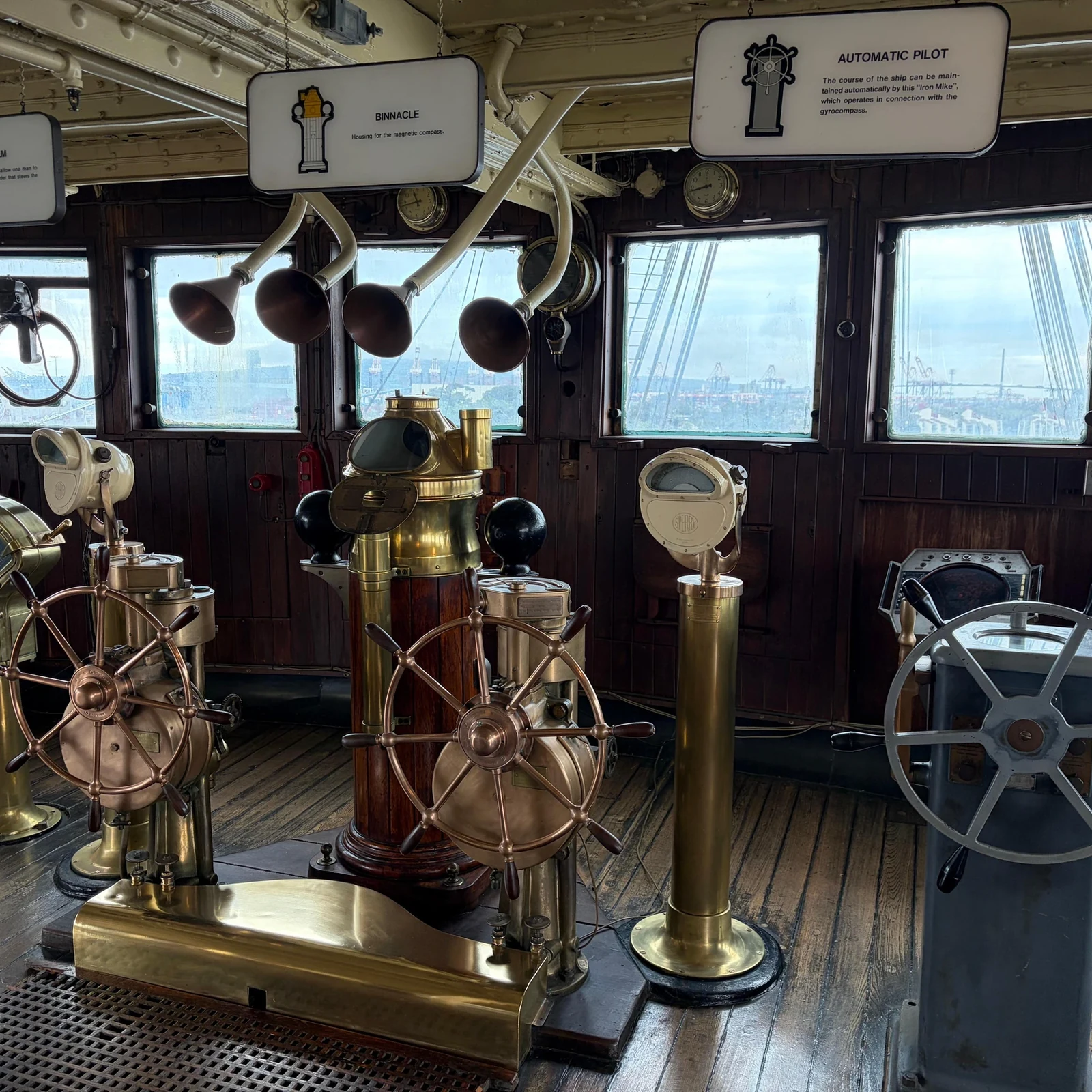
Book Queen Mary Los Angeles tickets from €39. Explore the historic ocean liner, its World War II story and optional guided paranormal tours.