 Activity on TourBookGo
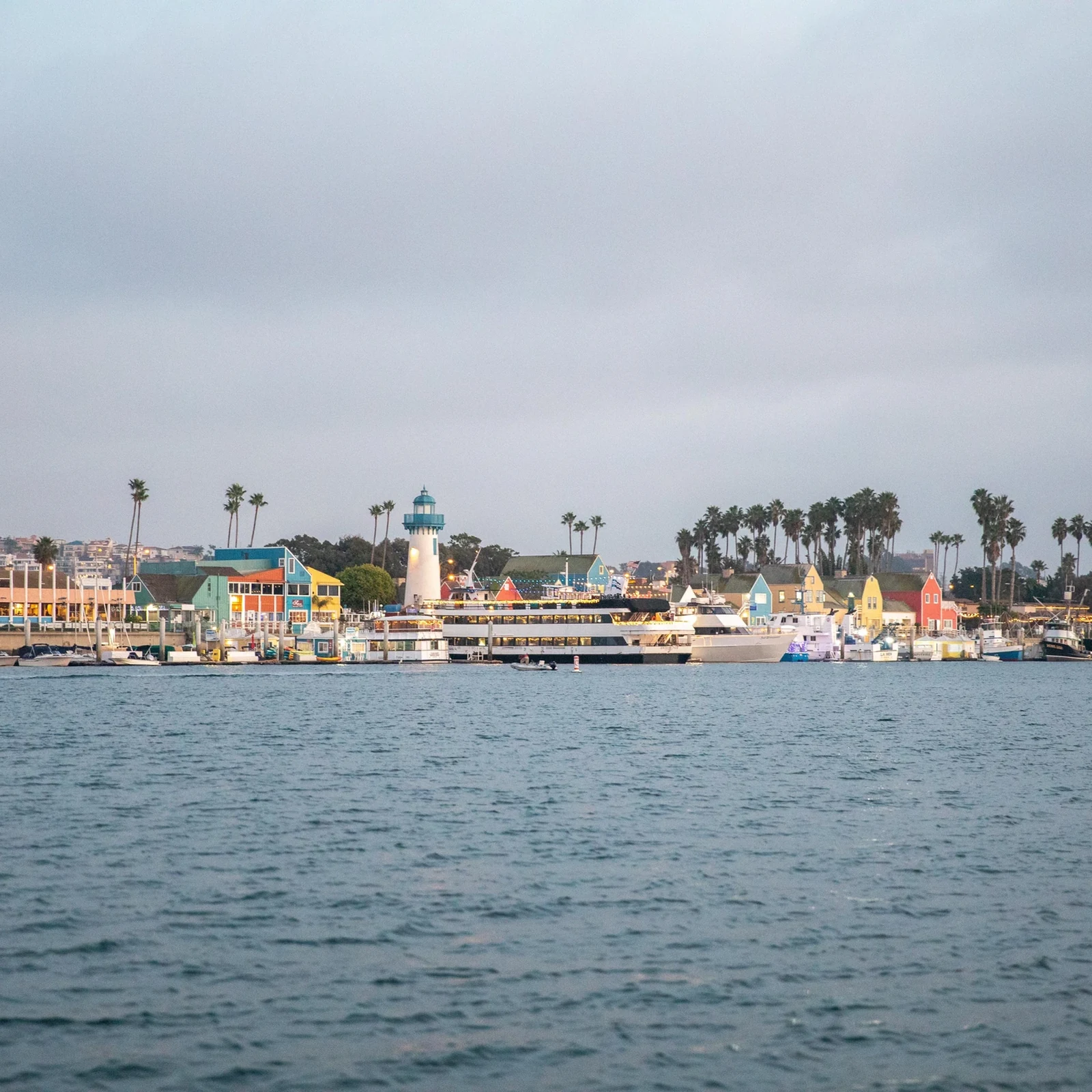
Marina del Rey Cruise with Wine and Cheese
Enjoy a Marina del Rey cruise with wine and cheese: around 2 hours on an electric boat, a charcuterie board and the chance to spot sea lions.
Finding where to eat in Los Angeles means exploring its neighborhoods: flour tortillas in Downtown, smoky grills in Koreatown, rich moles near Olympic Boulevard, udon in Little Tokyo, and Mexican seafood in community markets.
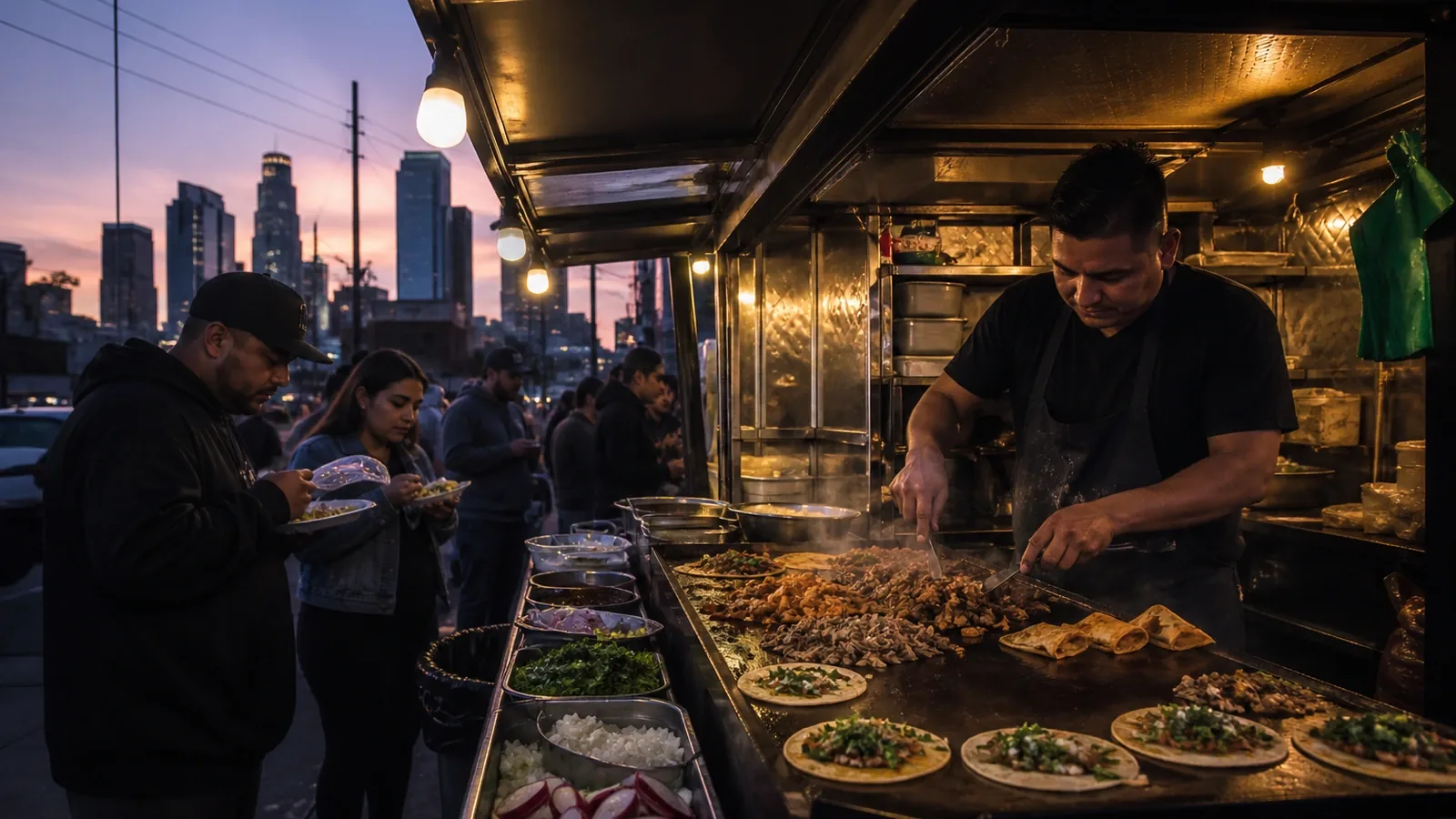
Deciding where to eat in Los Angeles is not about finding one famous restaurant. The city reveals itself neighborhood by neighborhood: flour tortillas in Downtown, charcoal smoke in Koreatown, dark moles near Olympic Boulevard, udon in Little Tokyo, and Mexican seafood beneath the simple lights of a community market. The city’s culinary range is remarkable. The 2026 Michelin selection includes around 166 restaurants across the Los Angeles area, from inexpensive hole-in-the-wall spots to lengthy tasting menus. Yet eating well here depends less on prestige than on careful planning: distances are vast, and crossing the city for a single dish can turn dinner into a battle with traffic.
Compare locations and options to find a base that suits your trip. Booking.com confirms current availability and pricing.
Find accommodation on BookingReducing Los Angeles’s Mexican food scene to tacos would be a mistake. Without leaving the county, you can travel through the cuisines of Sonora, Oaxaca, Yucatán, Baja California, and many other regions.
Sonoratown, in Downtown, is a good introduction to Sonoran cooking. Its house-made flour tortillas are filled with carne asada, chicken, chorizo, and the well-known chivichanga. It is casual, relatively affordable, and often has a line, so come prepared to wait rather than expecting a leisurely meal.
For Oaxacan flavors, Guelaguetza serves tlayudas, pozole, and deeply complex moles. Its mole negro and coloradito are the standout dishes. It is particularly enjoyable with a group, although the bill can quickly rise if you order too many meats, mezcals, and starters.
At Mercado La Paloma, Chichen Itza serves Yucatecan specialties such as cochinita pibil, papadzules, and tamales cooked in banana leaves. In the same market, Holbox explores Mexico’s coastal cuisines through ceviches, aguachiles, fish tacos, and grilled seafood. Holbox retains a surprisingly simple counter-service format for a restaurant that holds a Michelin star in the 2026 guide.
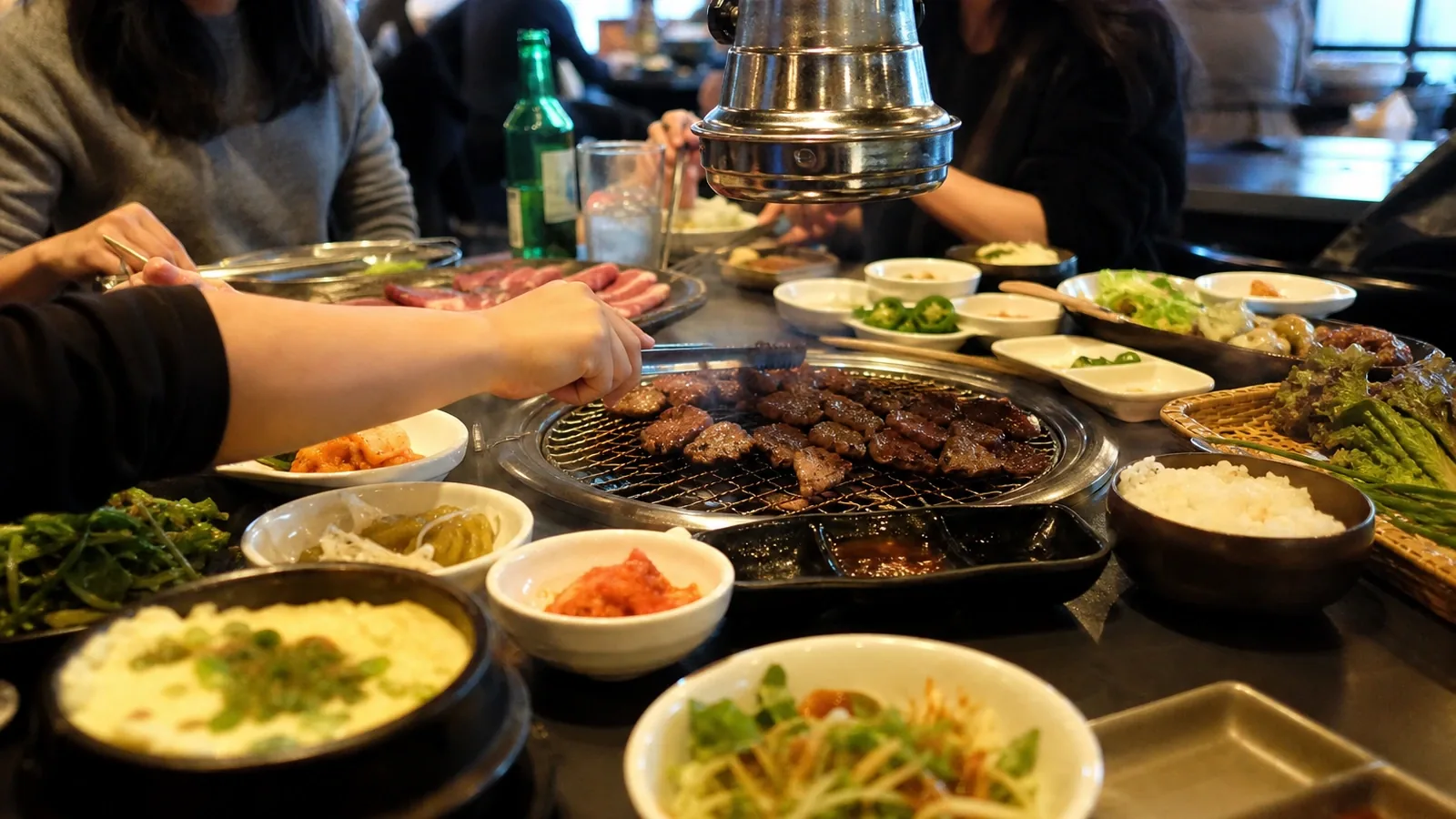
The crackle of meat on the grill, scissors cutting through galbi, and a table covered with small side dishes are all part of Koreatown’s nighttime identity. The neighborhood offers everything from all-you-can-eat barbecue restaurants to places specializing in high-quality cuts.
Parks BBQ is a reliable choice for a special dinner. It serves bulgogi, marinated short ribs, and premium cuts alongside kimchi pancakes and cold noodles. It is not inexpensive and is best enjoyed with a group; its lunch menus often provide a more affordable introduction to the experience.
A common mistake is going to Korean barbecue alone or without much of an appetite. Much of the pleasure comes from sharing different meats, cooking them slowly, and leaving room for the side dishes.
Little Tokyo lets you move from highly formal sushi counters to small ramen, curry, and noodle shops. For a mid-range meal, Marugame Monzo makes udon in full view: the dough is stretched and cut into thick, springy noodles. There may be a wait on weekends, so it is best to arrive early.
Los Angeles omakase menus can be extremely expensive. They are worthwhile for diners who appreciate ingredient quality, ceremonial pacing, and conversation with the chef. They will probably disappoint anyone who prefers the freedom to order à la carte, generous portions, or a quick dinner.
Los Angeles’s culinary history is also written in matzo ball soup, latkes, and enormous pastrami sandwiches. Langer’s, open since 1947, remains a benchmark for the American deli. Its No. 19 sandwich combines hot pastrami, Swiss cheese, coleslaw, and Russian dressing. It is substantial enough that sharing one may be wiser than ordering half the menu alongside it.
Eating cheaply in Los Angeles is still possible, although not necessarily in the city’s most photogenic areas. The best deals are often found at taquerias, bakeries, small family-run restaurants, and markets.
Sonoratown is a good option for tacos and burritos; Chichen Itza offers the chance to try Yucatecan food without the formality of a conventional restaurant; and the stalls at Grand Central Market serve seafood, pupusas, Oaxacan food, sandwiches, prepared fruit, and many other options under one roof. The market is convenient for groups with different tastes, although some stalls no longer charge street-food prices, and the busiest midday hours can be noisy.
A sensible strategy is to reserve your budget for one major dinner and cover the rest with diner breakfasts, markets, tacos, and casual Asian restaurants. In Los Angeles, an elegant dining room does not guarantee a more memorable meal.
This is the easiest market to combine with a visit to Downtown. Its neon signs, counters, and aisles are full of energy, but they also attract large numbers of visitors. Walk around before deciding where to eat: buying from the first visible stall is usually the least interesting way to experience the market.
Less theatrical and more closely connected to the local community, this market brings together Mexican, Thai, and other cuisines in an unpretentious setting. Having Holbox, Chichen Itza, Komal, and other businesses under one roof makes it possible to put together an especially varied shared meal.
The market at Third Street and Fairfax has been operating since 1934 and is home to more than one hundred merchants, shops, and food stalls. Its location next to The Grove makes it highly accessible, but also fairly touristy. It is pleasant for breakfast, a snack, or an easy family meal, although it does not represent the very best of Los Angeles dining on its own.
On Sundays, ROW DTLA hosts this large outdoor market with dozens of vendors. During the summer of 2026, it runs from 10:00 a.m. to 4:00 p.m. and features more than sixty food, dessert, and retail businesses. Admission is free, but the market becomes hot and crowded around midday; arriving early makes for a more relaxed meal.
Travelers who want to build their trip around a major culinary experience will find some of California’s most ambitious tasting menus here. The 2026 Michelin Guide maintains three stars for Providence, while Hayato and Kato are listed with two. These dinners are long, expensive, and usually difficult to book. They make sense when food is a central part of the trip, not when you are simply looking for an elegant restaurant before a show.
Holbox offers a more relaxed alternative: acclaimed cooking, counter service, and dishes that still retain the energy of a market.
Be wary of restaurants whose main advantage is being located opposite a tourist attraction. A terrace on Hollywood Boulevard or beside the Santa Monica promenade may justify part of its price through the view, but it does not guarantee good food.
It is also unwise to plan a day with lunch in Venice, an afternoon snack in the San Gabriel Valley, and dinner in Koreatown. It may look possible on a map, but in practice much of the day can disappear inside the car.
Always check opening hours and reservation requirements shortly before visiting. Small restaurants may close on certain days, sell out of particular dishes, or change their service arrangements. At popular places, a long line does not always mean the wait is worthwhile: Los Angeles has enough alternatives that changing plans is often the better choice.
For a first visit, I would devote one meal to Mercado La Paloma, one shared dinner to Koreatown, and another day to Downtown, combining Grand Central Market with Sonoratown or Little Tokyo. I would add Guelaguetza when traveling with a group and book only one fine-dining experience, and only when the budget and level of culinary interest justify it.
During warm weather, outdoor markets are best enjoyed in the morning. At night, Koreatown gains light, smoke, and energy, while restaurants near the coast offer cooler temperatures, although generally at higher prices.
Visitors in the city between August 14 and 28, 2026, will find a new edition of Dine LA, with prix-fixe menus at hundreds of restaurants. It can be a good opportunity to try more expensive establishments, but it is worth comparing the special menu with the regular à la carte offering before booking.
Los Angeles rewards travelers who abandon the idea of “eating in the center” and start thinking in terms of neighborhoods. Its most compelling food rarely announces itself from a monumental façade: it may arrive wrapped in a warm tortilla, served in a bowl of udon, or sizzling on a grill in the middle of the table.
Discover selected experiences in Los Angeles to complete this guide with Hollywood, film studios, museums, coastline, nature and well-organised tours.
Activity on TourBookGoEnjoy a Marina del Rey cruise with wine and cheese: around 2 hours on an electric boat, a charcuterie board and the chance to spot sea lions.
 Activity on TourBookGo
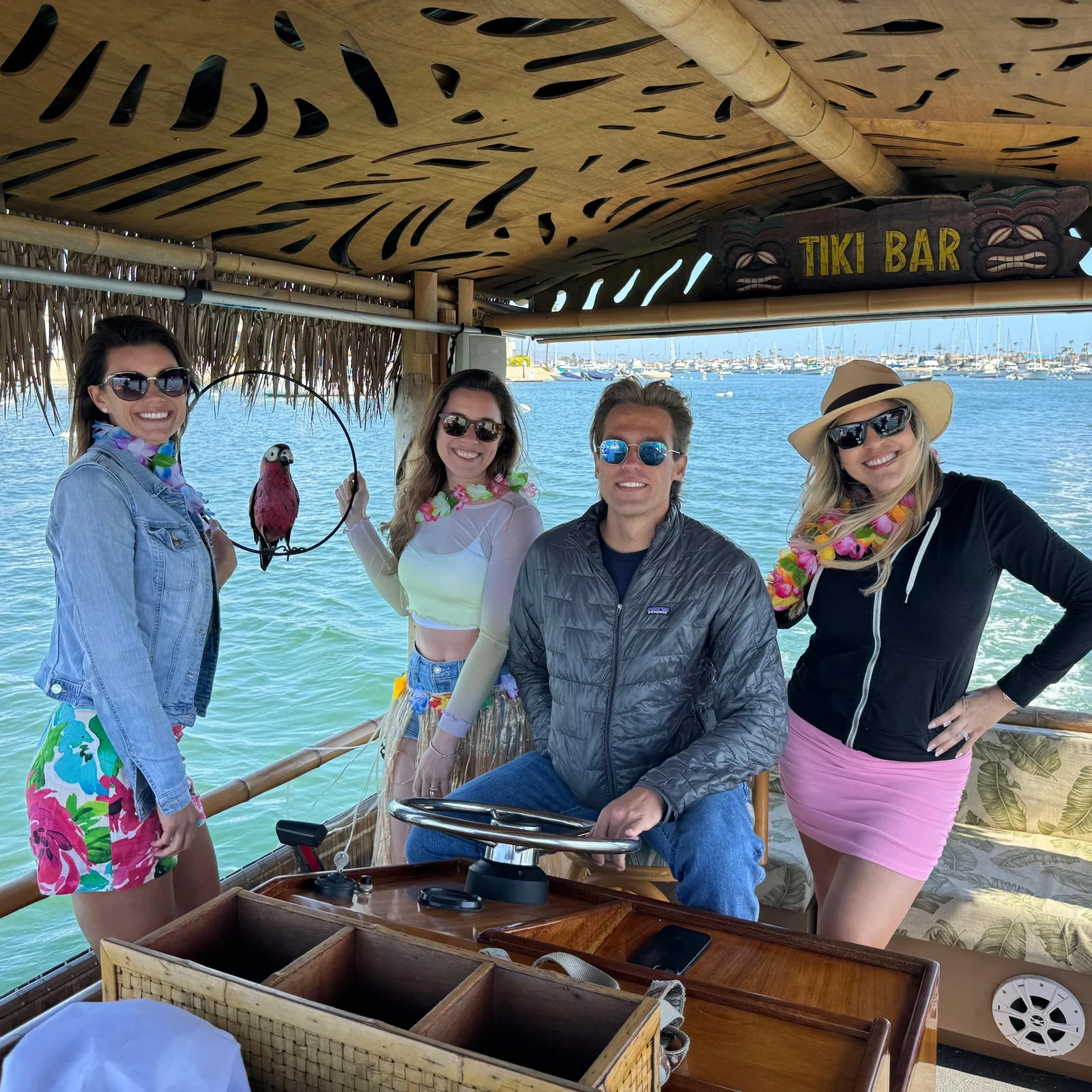
Book a private tiki boat cruise in Long Beach for 2 hours and up to 6 guests, with captain, fuel and a flexible Harbor and coastal route included.
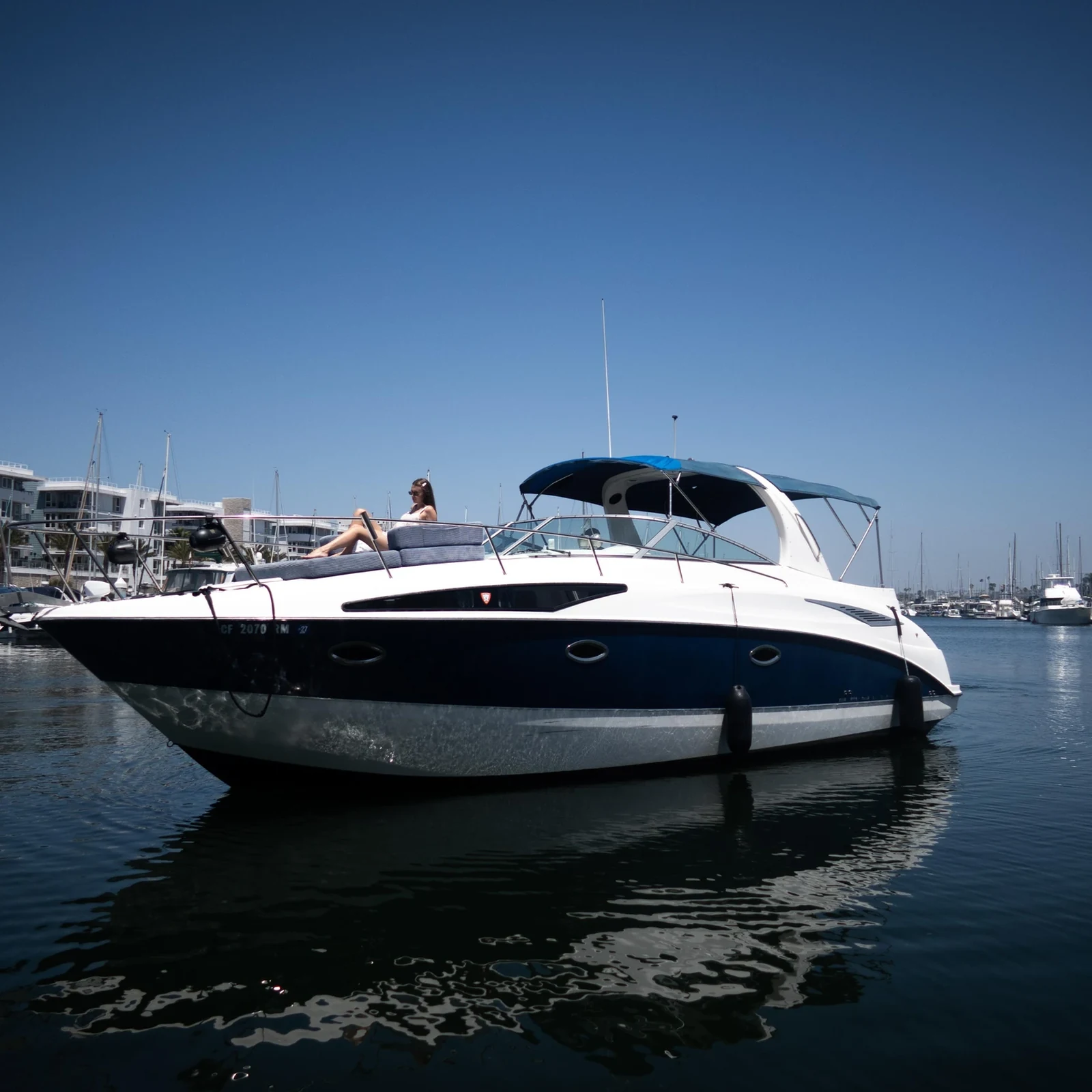 Activity on TourBookGo
Book a private yacht cruise in Marina del Rey for 2 hours and up to 12 guests, with captain, fuel, marina fee, food and drinks included.