 Activity on TourBookGo
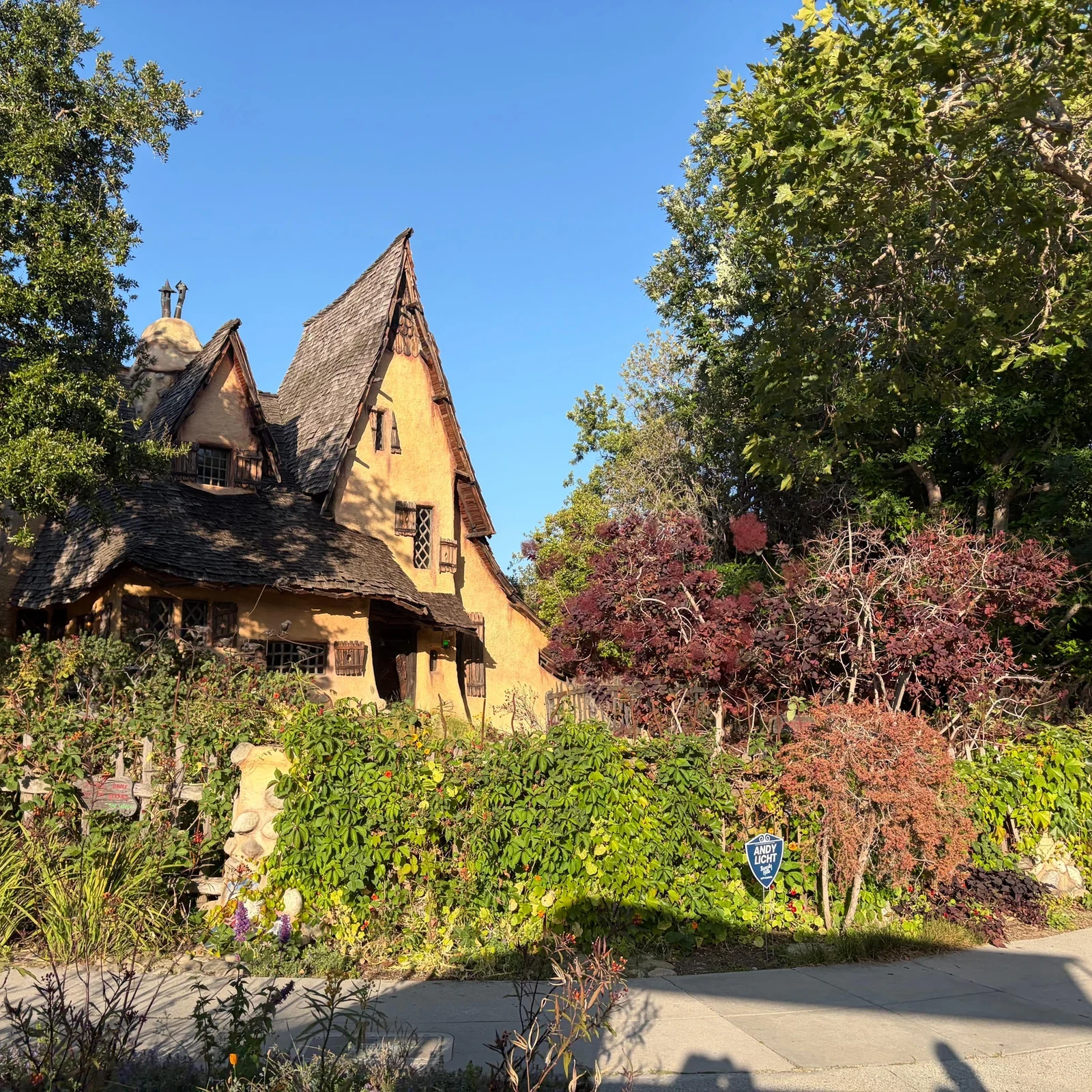
Hollywood Beverly Hills Celebrity Homes Open-Air Bus Tour
Explore the Hollywood Beverly Hills celebrity homes tour by open-air bus, with Rodeo Drive, Hollywood Hills and Hollywood Sign views. From €32, rated 4.6/5.
When deciding where to stay in Los Angeles, start with the kind of trip you want: your neighborhood will shape your travel times, daily plans, and overall experience.
Choosing where to stay in Los Angeles is one of the most important decisions of your trip. It is not simply a matter of comparing hotels: your neighborhood determines how long you will spend getting around, which attractions are nearby, and how your stay will feel. The city stretches across beaches, hills, film studios, wide boulevards, and districts separated by journeys that may look short on a map but feel endless once traffic builds up. Staying far from the places you want to visit can mean spending several hours a day in a car. Before booking Los Angeles accommodation, it is worth deciding which version of the city you want to experience.
Compare locations and options to find a base that suits your trip. Booking.com confirms current availability and pricing.
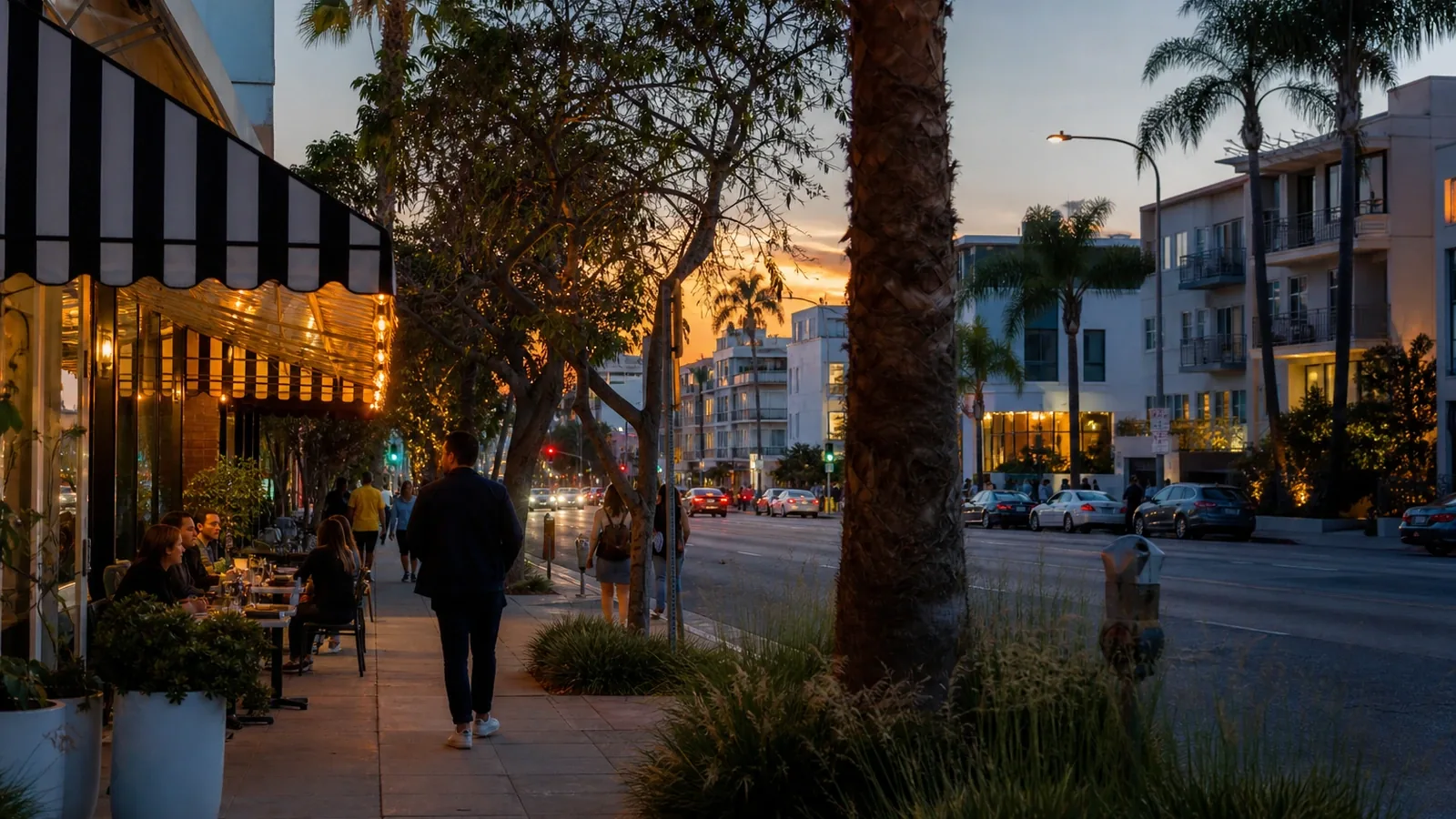
Find accommodation on BookingSanta Monica is one of the most convenient options for first-time visitors who want to combine the city with the ocean. At sunrise, light falls across the low-rise buildings and waterfront promenade; by late afternoon, the Pacific turns copper behind the pier.
The area is relatively walkable, pleasant to explore on foot or by bike, and connected to Downtown by Metro’s E Line. The beach, pier, Third Street Promenade, and numerous restaurants are all close to one another.
Best for: couples, families, travelers without a car, and anyone who prefers to end the day by the sea.
You may be disappointed if: Hollywood, Universal Studios, or Downtown nightlife are your priorities. Journeys inland can take a long time, and accommodation is usually expensive. Coastal mornings can also remain gray until midday, particularly in late spring and early summer.
West Hollywood occupies a fairly strategic position between Beverly Hills, Hollywood, and the shopping districts of Mid-City. Santa Monica Boulevard and the Sunset Strip are lined with restaurants, bars, music venues, and distinctive hotels.
Within the neighborhood, it is possible to walk to dinner or out for drinks, which is unusual in such a sprawling city. Many hotels are close to the nightlife and the main shopping corridors.
Best for: couples, LGBTQ+ travelers, food lovers, shoppers, and nightlife enthusiasts.
You may be disappointed if: you plan to rely almost entirely on trains. West Hollywood does not have a Metro Rail station in the heart of the neighborhood, so you will normally depend on buses, taxis, or ride-hailing services for many journeys.
It is also worth checking the hotel’s exact location. Staying directly on Sunset Boulevard can be lively, but the traffic and noise are not exactly conducive to a good night’s sleep.
The area around The Grove, Fairfax, Museum Row, and Beverly Boulevard is less cinematic than Santa Monica and less hectic than Hollywood, but it works extremely well as a base.
You will be close to museums, restaurants, markets, and neighborhoods such as West Hollywood, Beverly Hills, and Koreatown. It is a good choice for travelers who want to divide their time between the west side and the city center without staying at either extreme.
Best for: travelers interested in museums, food, shopping, and a relatively central location.
You may be disappointed if: you want a beach outside your hotel or a completely walkable neighborhood. Some streets are pleasant, but distances between attractions are still considerable.
Hollywood allows you to stay close to the Walk of Fame, the Chinese Theatre, the Hollywood Bowl, and several B Line stations connecting the area with Downtown and Universal City. For a first visit focused on the major symbols of the film industry, it can be an effective base.
However, the real Hollywood does not always match the postcards. Some streets are noisy, heavily congested, and have a rough urban feel. The most touristy area can seem commercial and rather exhausting after a few hours.
Look for accommodation near Hollywood/Highland, Franklin Village, or the residential streets north of Hollywood Boulevard. Do not book somewhere simply because the hotel has the word “Hollywood” in its name. Always check the exact address and recent reviews of the immediate surroundings.
Best for: travelers without a car who plan to visit Universal Studios, the Hollywood Bowl, and movie-related attractions.
You may be disappointed if: you expect glamour, peace and quiet, or a polished neighborhood experience.
Downtown, commonly known as DTLA, brings together museums, concert halls, markets, stadiums, historic architecture, and some of the city’s main rail connections. Bunker Hill, South Park, Little Tokyo, and the Arts District are the most appealing areas for a tourist stay.
It is especially convenient if you are attending a game, concert, or convention. It also works well for travelers planning to use Metro to reach Santa Monica, Hollywood, Pasadena, or Long Beach.
However, DTLA can change dramatically from one street to the next. You can go from a monumental avenue to an uncomfortable area within just a few blocks. For a first visit, I would avoid booking near Skid Row and carefully check the route between your hotel and the stations you intend to use.
Best for: culture, sporting events, public transportation, and business trips.
You may be disappointed if: you want beaches, a vacation atmosphere, or long evening walks without having to think carefully about your route. Official advice recommends using busy, well-lit streets, especially at night.
Venice has leaning palm trees, murals, skateboarders, outdoor gyms, and a mix of people unlike anywhere else. Staying near Abbot Kinney gives you easy access to restaurants and boutiques, while staying by the boardwalk places the ocean just a few steps away.
Its personality, however, also includes noise, occasional dirt, and visible social issues that may make some travelers uncomfortable. The boardwalk is extremely lively during the day, but certain streets can feel deserted after dark.
Best for: younger travelers, creative types, repeat visitors, and anyone drawn to unconventional surroundings.
You may be disappointed if: you are looking for peace, spotless streets, or a predictable family experience.
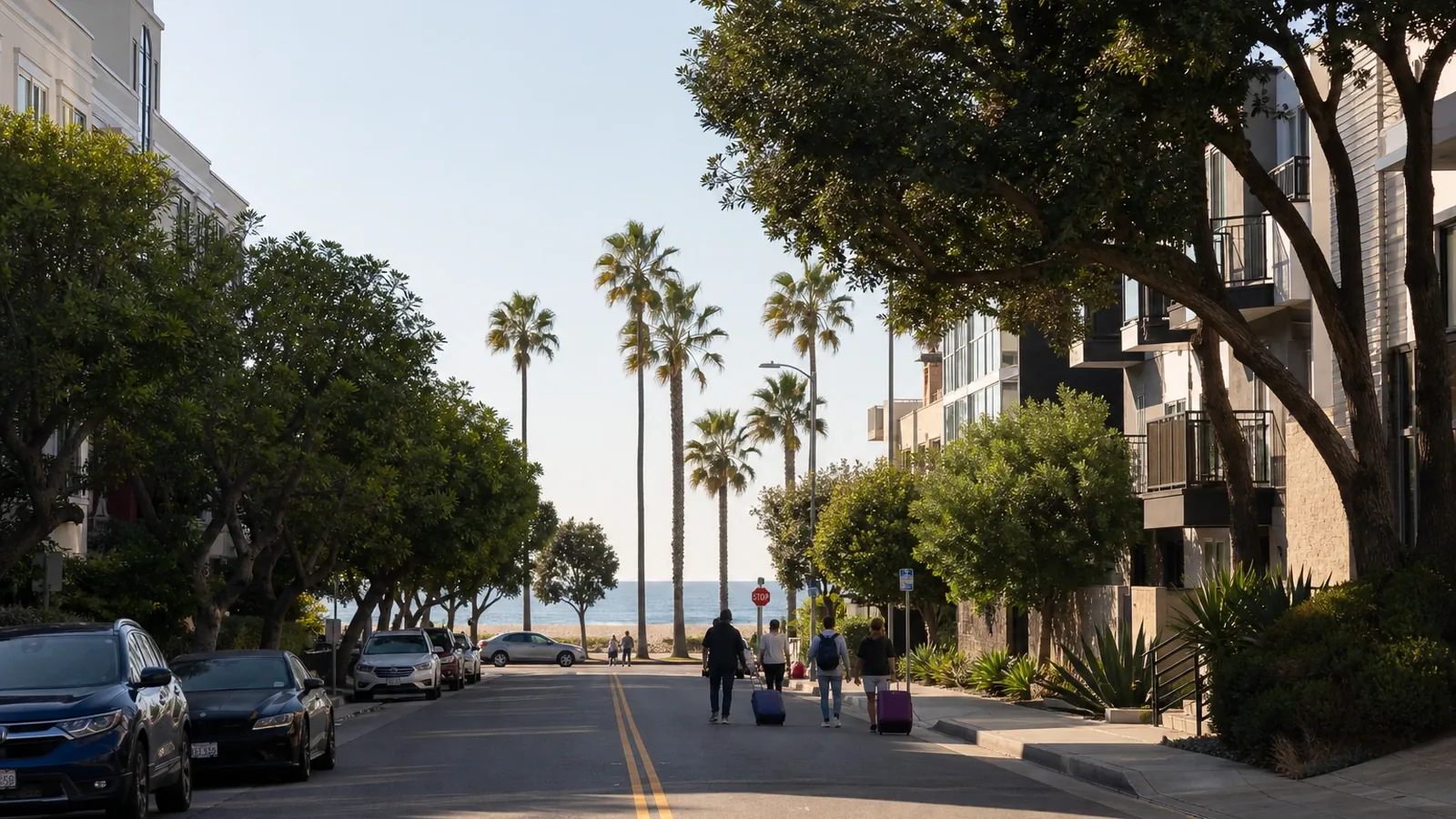
Koreatown is an interesting alternative for finding rooms at lower prices than in Santa Monica or West Hollywood. Its restaurants stay open late, and the D Line makes it easier to reach Downtown and parts of Mid-Wilshire.
It is a dense, urban neighborhood with a strong personality. It does not offer the classic image of palm trees by the sea, but it does provide an intense local atmosphere.
Best for: mid-range budgets, food lovers, and travelers who plan to use public transportation.
You may be disappointed if: you have a car. Parking can be difficult, and some streets are noisy.
Staying on the other side of the hills makes sense when Universal Studios is a priority. Universal City is connected to Hollywood and Downtown by the B Line, while Studio City offers restaurants, quieter streets, and a more residential atmosphere.
Best for: families, Universal Studios visits, and travelers looking for quieter evenings.
You may be disappointed if: you want to spend a lot of time in Santa Monica, Venice, or Beverly Hills. Crossing the hills during rush hour can consume an uncomfortable part of the day.
For a layover, a late arrival, or the final days of a trip by the sea, Manhattan Beach and El Segundo are more pleasant than staying beside the LAX terminals. The coastal area combines restaurants, beaches, and a calmer pace with a convenient location near the airport. The beach cities surrounding LAX are promoted precisely for this combination of coastline and accessibility.
They are not, however, ideal bases for spending several days exploring Hollywood, Downtown, and the studios.
There are no simple boundaries between “good” and “bad” neighborhoods. In Los Angeles, the character of an area can change noticeably within just a few blocks.
I would avoid hotels chosen purely because they are cheap in the immediate surroundings of Skid Row.
I would also avoid industrial areas or freeway junctions with no restaurants or pedestrian activity.
Avoid isolated motels on major boulevards, areas near the airport for an entire sightseeing stay, and neighborhoods far from the places you intend to visit, even when the price seems attractive.
Check the address on a map, look at the walking route to restaurants or stations, and read recent reviews mentioning noise, lighting, parking, and the atmosphere at night.
Traveling without a car is possible, but it depends entirely on your itinerary and where you choose to stay.
You can travel without a car if you base yourself in Santa Monica, Hollywood, or Downtown and use Metro, buses, and ride-hailing services. The rail network connects destinations including Santa Monica, Downtown, Hollywood, Universal City, and LAX through different lines and transfers.
A car is useful when you want to combine Malibu, Griffith Observatory, studios, beaches, residential neighborhoods, and places far from stations within just a few days. In return, you will have to deal with traffic, expensive parking, and the need to leave no luggage or visible belongings in the vehicle, a precaution emphasized in official advice for visitors.
For a well-balanced first visit, West Hollywood or Beverly Grove usually offer the most strategic location.
For beaches and walking, Santa Monica is the most convenient choice.
For Universal Studios and Hollywood, stay near Hollywood/Highland or Universal City.
For museums, concerts, and public transportation, Downtown can work very well, provided you choose the district carefully.
For a quiet family stay, Santa Monica, Manhattan Beach, or Studio City are sensible options.
Los Angeles rewards travelers who accept that they cannot see everything. The best area to stay in Los Angeles is not necessarily the most famous or expensive, but the one that reduces travel time and leaves you with enough energy, at the end of the day, to watch the city lights come on.
Discover selected experiences in Los Angeles to complete this guide with Hollywood, film studios, museums, coastline, nature and well-organised tours.
Activity on TourBookGoExplore the Hollywood Beverly Hills celebrity homes tour by open-air bus, with Rodeo Drive, Hollywood Hills and Hollywood Sign views. From €32, rated 4.6/5.
 Activity on TourBookGo
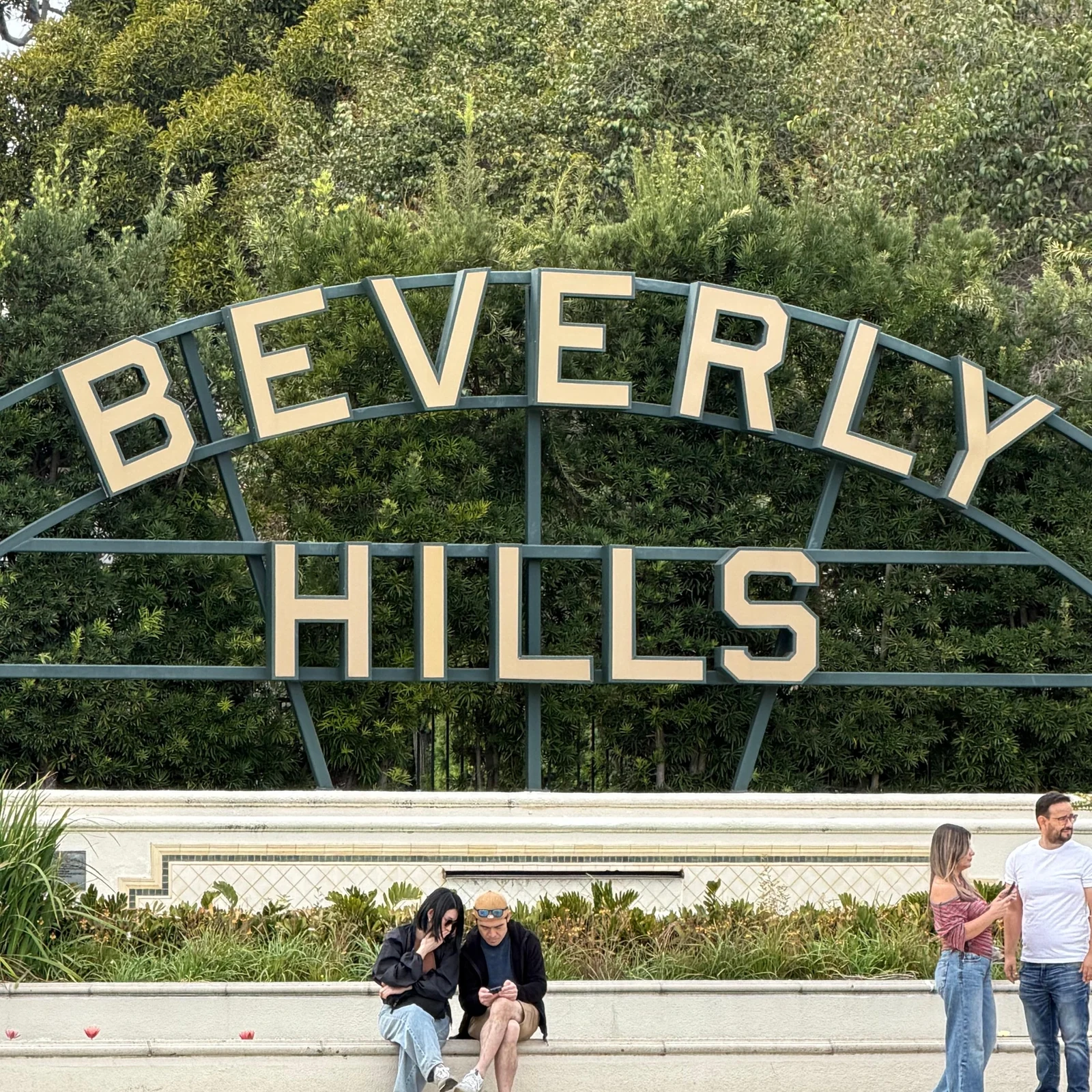
Take a Hollywood and Beverly Hills celebrity homes tour by open-air bus, with movie locations and a Hollywood Sign photo stop in 1.5-2 hours.
 Activity on TourBookGo
Take a private Hollywood crime and scandal tour through 2 hours of true crime, celebrity stories, pop culture and famous filming locations in Los Angeles.