 Activity on TourBookGo
LEGENDS Home of Football museum ticket Madrid
Book your LEGENDS Home of Football museum ticket Madrid on GetYourGuide. Seven floors, original memorabilia, 4D cinema and virtual reality near Puerta del Sol.
The best time to visit Madrid is usually spring and autumn, especially April, May, late September, and October.
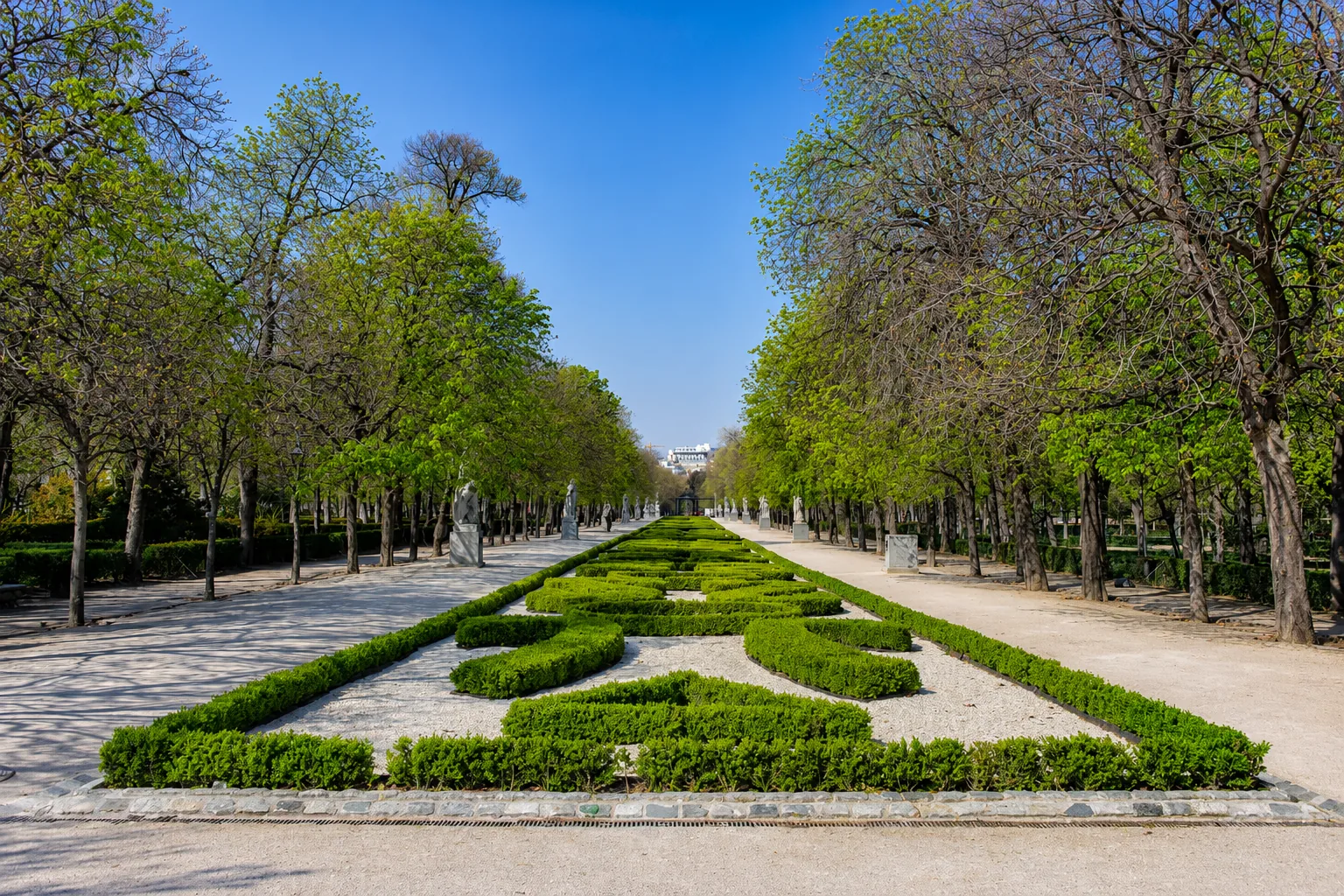
The best time to visit Madrid is usually spring and autumn, especially April, May, late September, and October. That is when the city is at its most enjoyable on foot: terraces are lively but not sweltering, clean light falls across the stone façades, the parks are full of life, and the evenings are still pleasant enough for late dinners without a heavy coat. Madrid is a city of streets, squares, museums, bars, markets, and long walks; that is why the weather can make such a difference to the experience.
Compare locations and options to find a base that suits your trip. Booking.com confirms current availability and pricing.
Find accommodation on BookingMay and October are probably the most balanced months. May has a bright, almost festive energy: El Retiro is green, rooftop terraces come back to life, and the city gets ready for San Isidro, its most traditional local festival. October, by contrast, reveals a more elegant and calmer Madrid: golden afternoons, less heat, excellent cultural plans, and beautiful light in neighbourhoods such as Las Letras, Chamberí, and Salamanca.
April and early June are also good options, although April can bring rainy days and June starts to get hot. September still keeps some of its summer atmosphere, but it can remain quite hot at the beginning of the month.
Yes, summer can be very hot. July and August are not the most comfortable months for a first visit if you want to walk around for hours. Madrid has a dry heat, less sticky than in coastal cities, but intense: at midday the squares seem to empty out, shade becomes precious, and the most sensible plan is usually a museum, a pool, the hotel, or a long leisurely lunch until the sun starts to go down.
Even so, August has one advantage: the city can feel less crowded because many locals go away on holiday. For some travellers, that quieter Madrid has its charm. For others, it may feel a little subdued, with some restaurants or shops closed for the summer break.
Official climate figures from AEMET show Madrid’s typical pattern: very warm summers, cold winters by Spanish standards, and rainfall that is more frequent in the transition months than in the height of summer.
Madrid is not extreme in winter, but it can certainly get cold, especially in the morning and at night. December, January, and February can bring beautiful clear days, with blue skies and dry air, but you should pack a coat. The city is very enjoyable if your trip revolves around museums, food, shopping, theatres, and historic cafés.
December is especially attractive because of the Christmas atmosphere. From late November to early January, the lights, shop windows, and markets transform the city centre, although crowds also increase in areas such as Sol, Gran Vía, Plaza Mayor, and Preciados.
Madrid is not a particularly rainy city, but spring and autumn can bring showers. April, May, October, and November are months when it is worth travelling with a little flexibility: you may get bright, sunny days, or you may have a rainy afternoon. The good news is that Madrid offers plenty of indoor plans: the Prado Museum, Reina Sofía, Thyssen, Royal Palace, gourmet markets, classic cafés, musicals, and shops.
If you are looking for the driest weather, summer usually brings less rain, but the trade-off is the heat. If you want balance, May, early June, late September, and October tend to work better.
Madrid has several high seasons, not just one. The city receives visitors year-round for tourism, business, trade fairs, conferences, football, culture, and weekend breaks.
Holy Week, national long weekends, May, June, September, October, and Christmas usually see higher demand. There are also specific moments when prices rise because of major trade fairs, important football matches, concerts, or events at IFEMA and in the city centre. Madrid’s official tourism calendar brings together cultural events, fairs, and key dates that can affect hotel occupancy.
To find better prices, it is usually worth looking at January after Three Kings’ Day, February, certain days in March, July, and August, while avoiding major events, public-holiday weekends, and especially busy weekends. During the week, it is normally easier to find better accommodation rates than on Fridays and Saturdays.
August can offer more reasonable hotel prices, but it may not always be worth it if you do not handle heat well. January and February are colder, but they can be very interesting months for a cultural trip: fewer queues, more calm, and a city that feels less staged for visitors.
The months with less tourist pressure are usually January, February, and some parts of August. Weekdays outside public-holiday periods and school holidays are also calmer. If you want to visit the Prado, stroll through Madrid de los Austrias, go into markets, or photograph Gran Vía without so many crowds, avoid Saturdays, public holidays, and peak hours.
The best formula for enjoying Madrid without feeling overwhelmed is to travel in February, early March, late October, or November, as long as your trip does not coincide with major conferences or holidays. You will not get Madrid at its most floral, but you will get a more authentic, everyday, breathable version of the city.
San Isidro, around 15 May, is one of Madrid’s great festivals. There are open-air celebrations, music, traditional events, and a popular atmosphere, especially at the Pradera de San Isidro and other spots around the city. It is a wonderful date for anyone who wants to see Madrid at its most traditional, but it also means more people, so it is worth booking accommodation in advance.
Christmas is another very special time: lights, markets, nativity scenes, sweets, shopping, and a city full of life. It is beautiful, yes, but also expensive and crowded in the centre.
In autumn, Madrid’s cultural scene gains momentum with theatre, exhibitions, fairs, concerts, and performing arts programmes. For those travelling for museums, gastronomy, and urban life, October and November can be magnificent months.
If you have to choose one, May is the most vibrant and complete month. If you prefer fewer people and a more serene beauty, October may be even better. For a cheaper trip, January or February are smart choices. For Christmas atmosphere, December has its magic, although it requires patience. For those who struggle with the heat, July and August are the least advisable months.
Madrid is at its best when you can walk without rushing: visit a museum in the morning, have a late lunch, cross El Retiro in golden light, stop for a drink on a terrace, and end the night on a street that still feels awake. That is why the best time is not only the one with the best weather, but the one that lets you experience the city at its own rhythm: spring if you want joy, autumn if you want elegance, winter if you want culture, and summer only if you accept the heat as part of the journey.
Compare car rental prices before finalising your route.
Compare rental carsChoose experiences in Madrid that suit your travel season, the weather and the pace you want for each day.
Activity on TourBookGoBook your LEGENDS Home of Football museum ticket Madrid on GetYourGuide. Seven floors, original memorabilia, 4D cinema and virtual reality near Puerta del Sol.
 Activity on TourBookGo
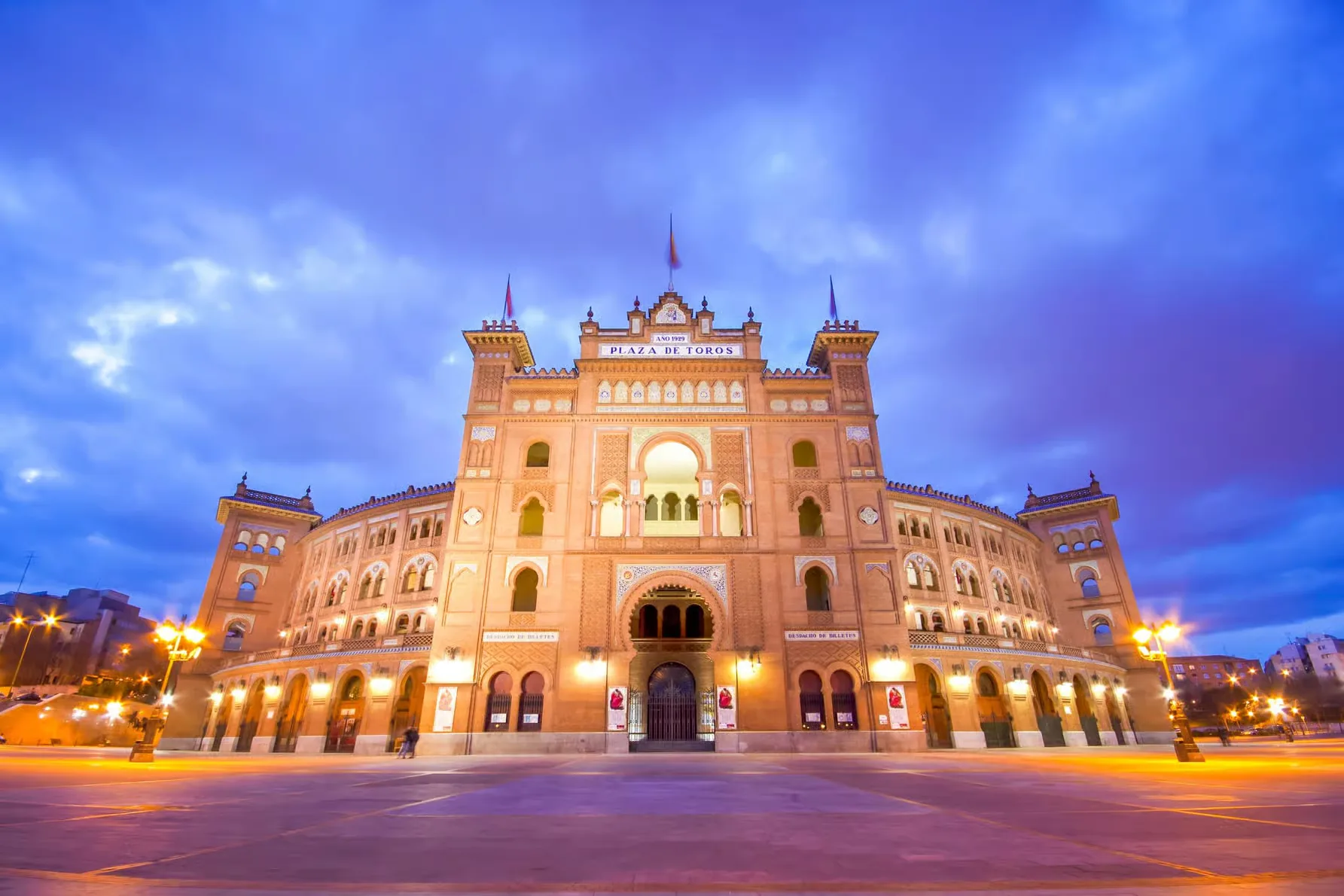
Visit Madrid's Las Ventas Bullring with an audio guide, bullfighting museum and interactive experience. Check availability and updated price.
 Activity on TourBookGo
Book a paella and sangria workshop in Madrid with a local chef. A 3-hour hands-on cooking class with meal, recipes, ingredients and social atmosphere.