 Activity on TourBookGo
Madrid: interactive family experience at Sweet Space Museum
Book tickets for Sweet Space Museum Madrid, an indoor family experience with immersive rooms, colour, play areas and photo-friendly spaces for children and adults.
Madrid does not usually punish travelers with major complications, but it can catch them out with small mistakes that change the flavor of the trip.
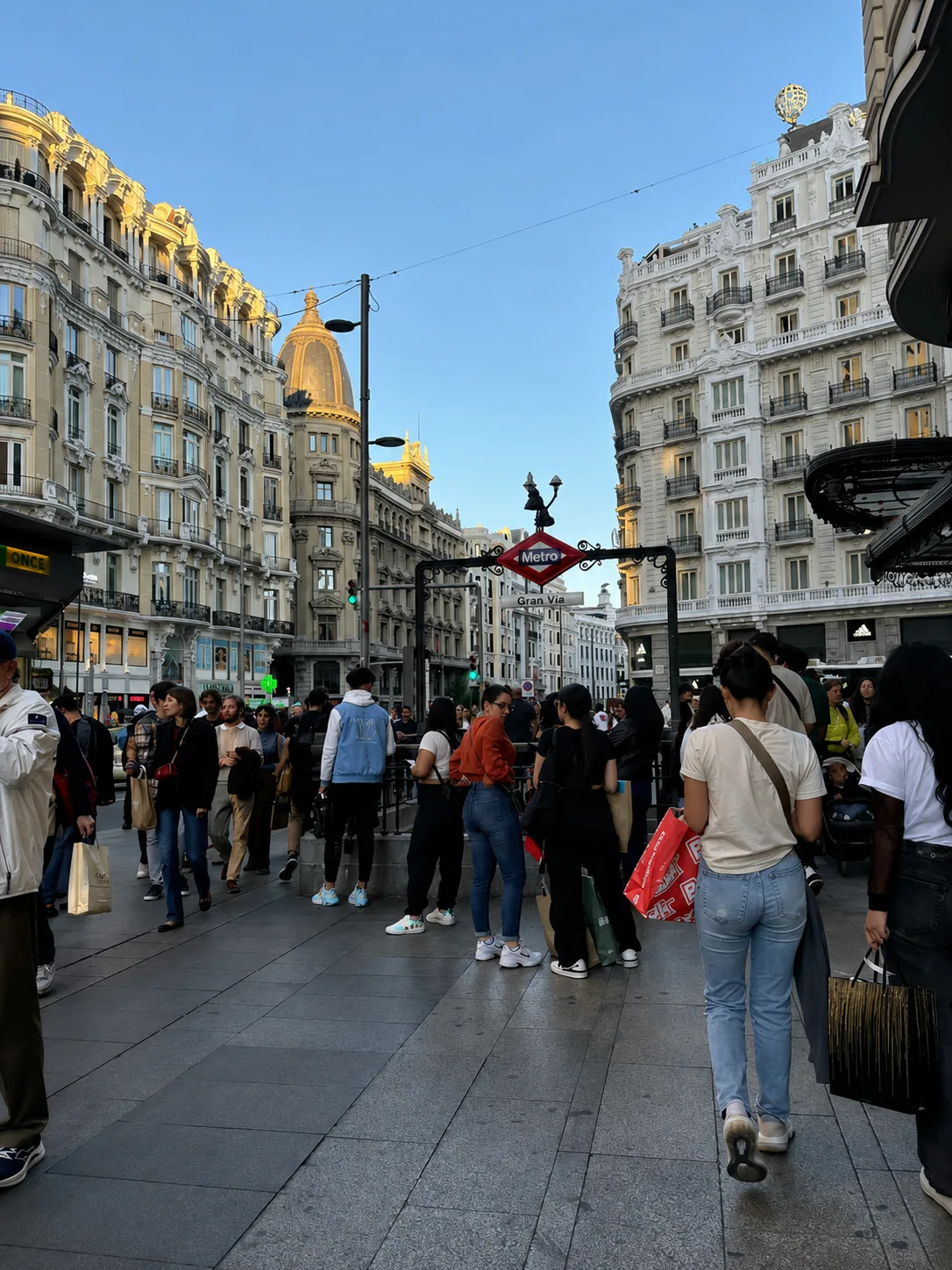
Madrid does not usually punish travelers with major complications, but it can catch them out with small mistakes that change the flavor of the trip. It is a generous city, open late, easy to explore on foot, and full of street life that invites you to go with the flow. Precisely for that reason, it is worth traveling with a certain clarity: not every part of the center is the same, not every restaurant is worth it, not every terrace is a good idea, and not every plan suits every traveler.
Compare locations and options to find a base that suits your trip. Booking.com confirms current availability and pricing.
Find accommodation on BookingSol, Gran Vía, Plaza Mayor, and the Royal Palace offer a powerful first impression of the city, but stopping there means seeing Madrid as an overvisited postcard. The historic center has beauty, yes, but also queues, inflated prices, and, at peak times, a certain sense of tourist-stage scenery.
The mistake is not visiting that area; the mistake is never leaving it. Madrid is better savored when you walk toward Las Letras, Chamberí, Salesas, Retiro, La Latina outside the busiest Sunday hours, or some quieter corners of Lavapiés and Conde Duque. The city does not always dazzle through standalone monuments, but through its mix of cafés, bookshops, squares, markets, weathered façades, and conversations in the street.
Madrid is considered a safe city for visitors, but as in many large European capitals, pickpockets can appear in places with high concentrations of people: the metro, stations, terraces, shopping streets, and tourist areas. Madrid’s official tourism website presents the city as a safe destination, while also reminding visitors of the importance of knowing certain rules and practices that are not permitted; caution remains part of the journey.
The typical mistake is leaving your phone on a terrace table, carrying your wallet in your back pocket, or opening your backpack in a packed metro carriage. There is no need to travel in fear, but there is every reason to stay alert. Madrid is best enjoyed looking around you, not just at your screen.
Madrid has a formidable food scene, from old taverns to contemporary bars, renovated markets, and traditional restaurants where lunch is still enjoyed at a leisurely pace. But it also has restaurants aimed almost exclusively at tourists, with overly long menus, mediocre paellas, soulless sangria, and prices that are not especially kind for what they offer.
It is wise to be wary of overly insistent sales pitches on very busy streets around Plaza Mayor, Sol, or certain stretches of Gran Vía. Eating well in Madrid does not require luxury, but it does require a little discernment: look to see whether there are local customers, read the menu calmly, avoid endless lists of dishes, and do not confuse “typical” with “authentic.”
Madrid eats late, dines late, and lives the late afternoon and evening with a different energy from many European cities. Expecting a good dinner at six o’clock or a full atmosphere early in the day can lead to a rather flat experience.
Lunch usually happens later than in other countries, and dinner reaches its rhythm when many visitors would already be thinking about sleep. This does not mean everything is closed beforehand, but it does mean the city reveals its most natural pulse on local time. Adapting a little helps you understand Madrid better: the mid-morning coffee, the aperitif, the lingering after-lunch conversation, the terrace when the heat drops, and the night that begins without hurry.
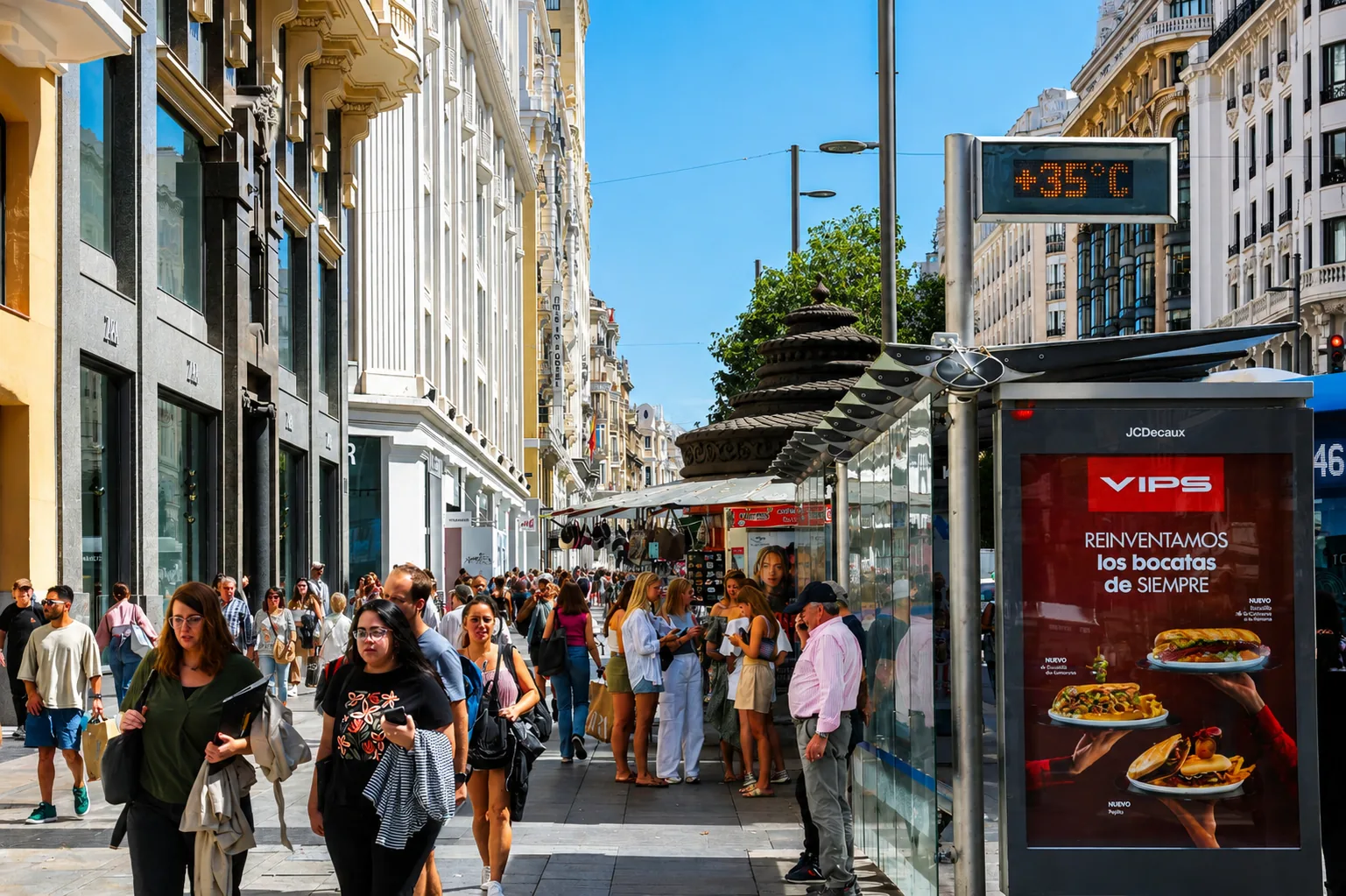
Madrid in July and August can be tough. It has no sea, the asphalt stores heat, and the middle of the day can turn an ambitious route into an endurance test. The mistake is planning the city as if it were spring: museums in the morning, long walks at noon, shopping in the afternoon, and tapas at night with no break.
In summer, it is best to start early, reserve the hottest hours for museums, a siesta, or indoor spaces, and leave parks, terraces, and long walks for sunset. Madrid in the heat is still alive, but it calls for a slower rhythm and less heroism.
Madrid has very useful public transport for travelers, especially the metro and buses. The mistake is always taking taxis for convenience without considering distances, traffic, or connections. Many areas of the center are best enjoyed on foot, and others are well connected without needing a car.
A taxi can be practical at night, with luggage, or for specific journeys, but it is best to use official services, authorized taxi ranks, or reliable apps. As in any big city, before getting in, it is reasonable to check that the vehicle is authorized and that the route makes sense. For getting from the airport to the city center, reviewing the official options before landing helps avoid rushed decisions.
Madrid tempts you to fill the day: the Prado, Reina Sofía, Royal Palace, Retiro, markets, terraces, shopping, rooftop bars, flamenco, tapas, neighborhoods, football, day trips to Toledo or Segovia. The problem is that an overloaded schedule can make the city lose its greatest charm: the feeling of actually living it.
Madrid is not enjoyed only by ticking places off a list. It is enjoyed by sitting in a square, stepping into a tavern without hurry, crossing Retiro at sunset, or letting a side street change your plan. A packed itinerary can work for someone with only one day, but with two or three days, it is worth leaving gaps. The city rewards curiosity more than anxiety.
Madrid has an intense nightlife, but it is not a theme park where you can make noise at any hour. In neighborhoods such as Malasaña, La Latina, Lavapiés, Chueca, and Huertas, bars, residents, visitors, and workers with early starts all coexist. The City Council runs campaigns to promote nightlife that is compatible with residents’ rest, a clear sign that balance matters.
The mistake is going out as if the street belonged to no one. Shouting under balconies, drinking in public spaces, blocking doorways, or treating squares as a private extension of the bar understandably causes resentment. Madrid is tolerant, but not indifferent.
Madrid receives huge numbers of visitors, and in general the way people interact tends to be direct, open, and quite natural. It is not unusual for a waiter to be in a hurry, for someone to answer quickly, or for the urban pace to feel a little brusque at first. That does not mean people are unfriendly; often, it is simply the speed of a big city.
Certain attitudes are best avoided: expecting everything to operate in the tourist’s language, blocking the pavement as a group, taking photos inside shops or markets without asking permission, haggling where it is not appropriate, entering packed bars expecting immediate attention, or constantly comparing Madrid with another city. In markets and restaurants, the most sensible approach is to observe first, order clearly, and respect the queue. In taxis and services, basic courtesy works better than permanent suspicion.
Relating well to Madrid does not require solemnity. It is enough to say hello, say please, say thank you, avoid raising your voice more than necessary, and understand that the city has not been set up solely for visitors. When you travel this way, Madrid usually responds with unceremonious hospitality: directions in the middle of the street, a recommendation at the bar, a brief conversation that ends up becoming part of the memory.
Madrid has museums, shows, stadiums, temporary exhibitions, and guided tours with schedules and conditions that can change. The mistake is improvising during high season, long weekends, Easter Week, Christmas, or busy weekends, especially at highly sought-after places.
There is no need to turn the trip into a spreadsheet, but it is sensible to book the essentials when a plan really matters to you. It is also wise to be wary of informal ticket sellers, offers that seem too good to be true, or supposed priority access outside reliable channels. In a city as visited as Madrid, improvisation works for tapas; for major museums or shows, not always.
Sitting on a Madrid terrace can be one of the pleasures of the trip: the golden light, the clinking of glasses, the façades glowing at dusk. But not every terrace is worth it. Some rely more on their location than on quality, others are in overpriced areas, and others are uncomfortable because of traffic, noise, or tables packed too close together.
Before sitting down, check the menu, see whether there is a terrace surcharge, and consider whether the place has real charm or simply a good position. Sometimes the best experience is inside, at the bar, where Madrid appears less theatrical and more true to itself.
Toledo, Segovia, Ávila, El Escorial, and Aranjuez are wonderful excursions, but filling every day with trips can reduce Madrid to little more than a hotel and dinner. That would be a shame. The capital needs time to reveal its layers: artistic Madrid, traditional Madrid, bourgeois Madrid, working-class Madrid, nocturnal Madrid, green Madrid, gastronomic Madrid.
If you only have a few days, choose one day trip at most. If you have a week, balance things better. Madrid deserves more than just sleeping there.
The key is not to travel rigidly, but with a certain urban intelligence. Keep important belongings safely stored, book what really matters to you, avoid restaurants that are too obvious, respect residents’ rest, adapt to local schedules, and do not try to see the whole city in a race.
Madrid does not ask travelers to be experts. It only asks for attention, respect, and a willingness to experience it without turning it into a shop window. Those who understand this discover a city less perfect than luminous, less monumental than human, less gentle than it may first appear, and far more memorable than its postcards promise.
Compare car rental options to move around more freely during your trip.
Compare rental carsPlan your visit to Madrid more effectively with selected experiences that simplify the logistics and help you make the most of your time.
Activity on TourBookGoBook tickets for Sweet Space Museum Madrid, an indoor family experience with immersive rooms, colour, play areas and photo-friendly spaces for children and adults.
 Activity on TourBookGo
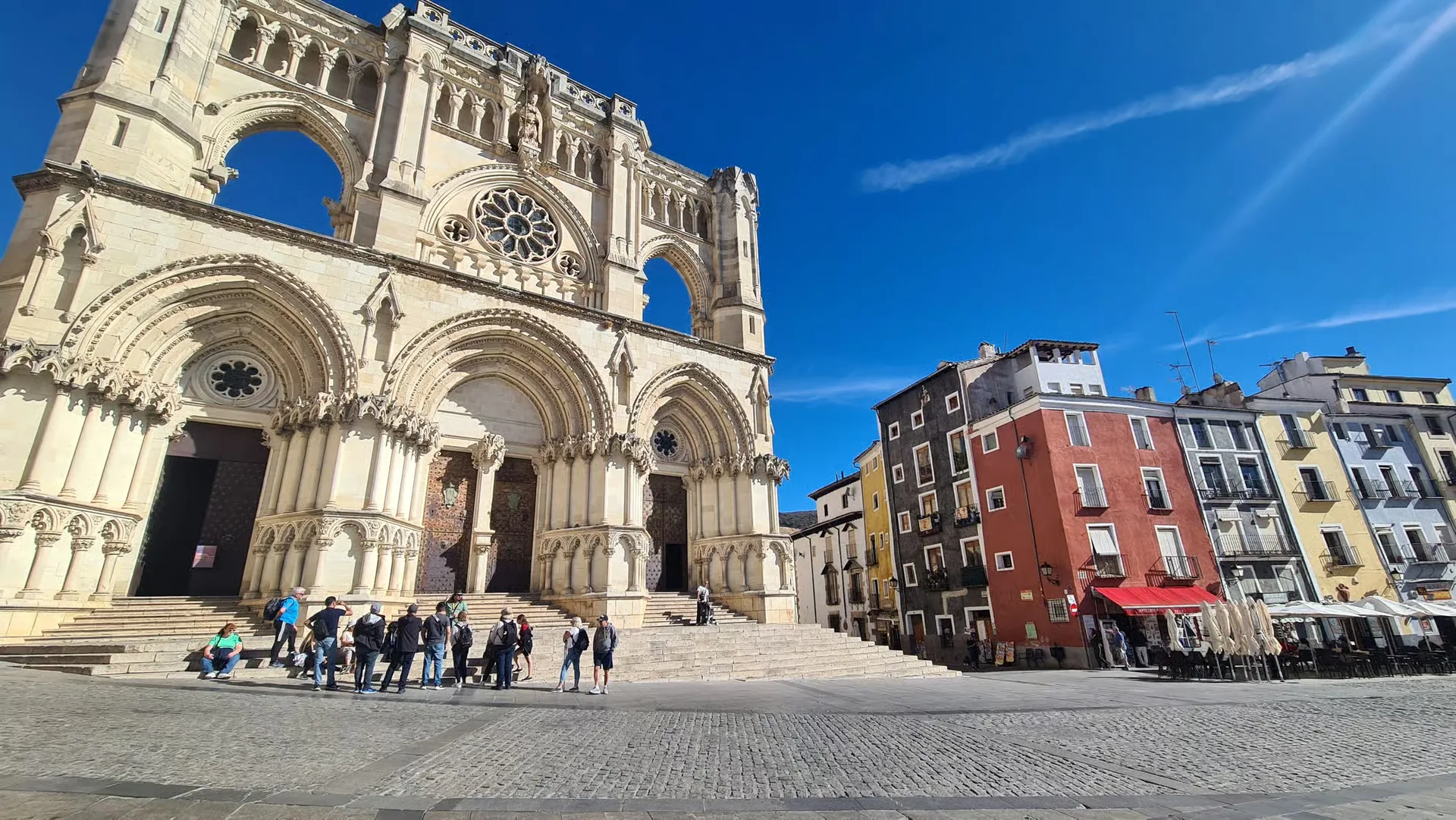
Full-day trip from Madrid to Cuenca, the Enchanted City and the Devil's Window with transport, certified guide and admission included.
 Activity on TourBookGo
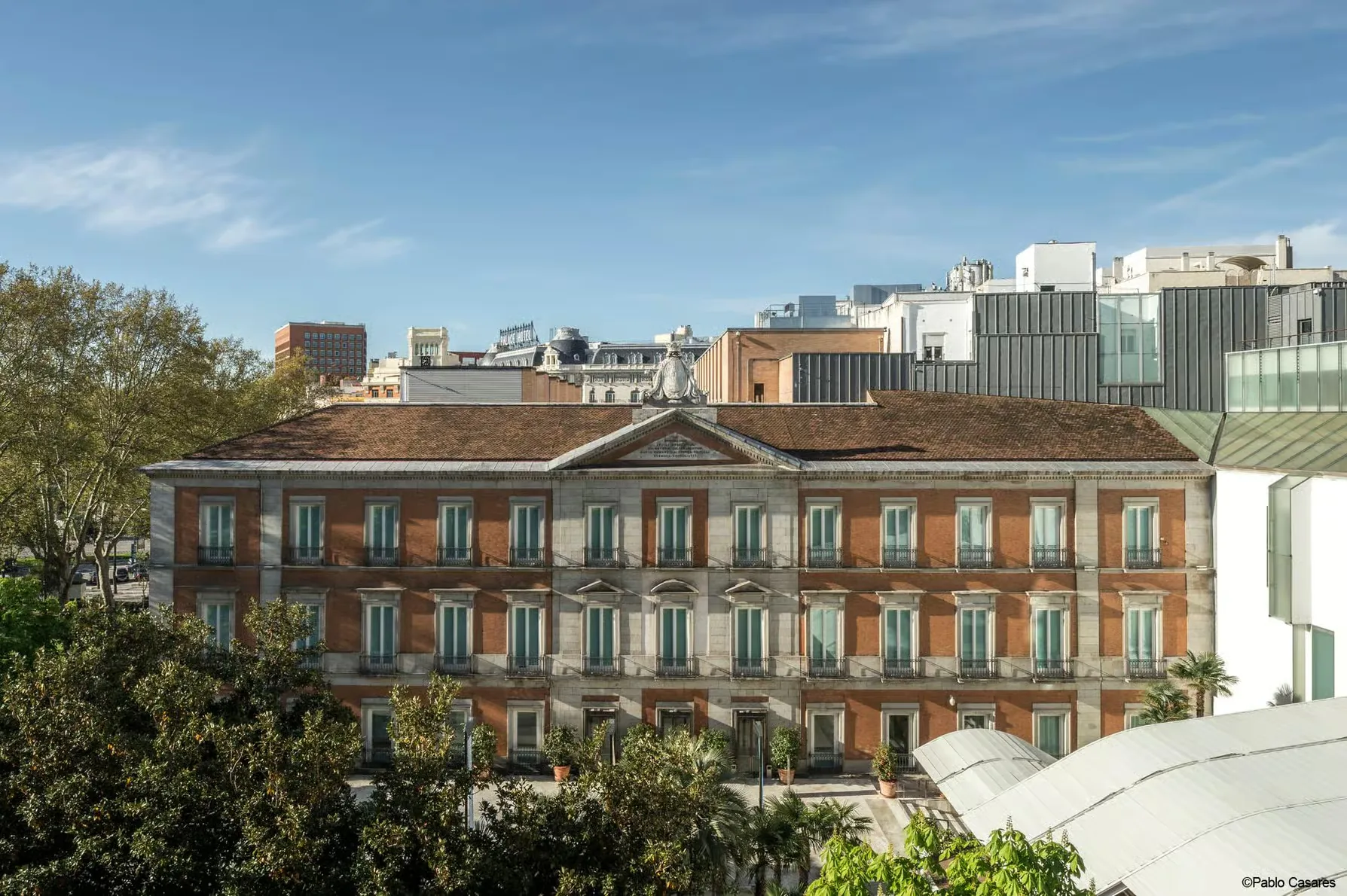
Book your ticket for Madrid’s Museo Nacional Thyssen-Bornemisza and explore art from the Renaissance to the late 20th century, with entry without visiting the ticket office.