
Book a 2-hour guided tour of Santiago Bernabeu Stadium and the Real Madrid Museum, with a guide, ticket-office queue skip and selected stadium areas subject to availability.
View experienceGeneral safety in Madrid
Madrid is a city best enjoyed on foot. By day, areas such as Barrio de las Letras, Retiro, Salamanca, Chamberí, La Latina, Malasaña, and Chueca are pleasant and busy. At night, many areas remain lively, especially around Gran Vía, Sol, Huertas, Chueca, and Malasaña.
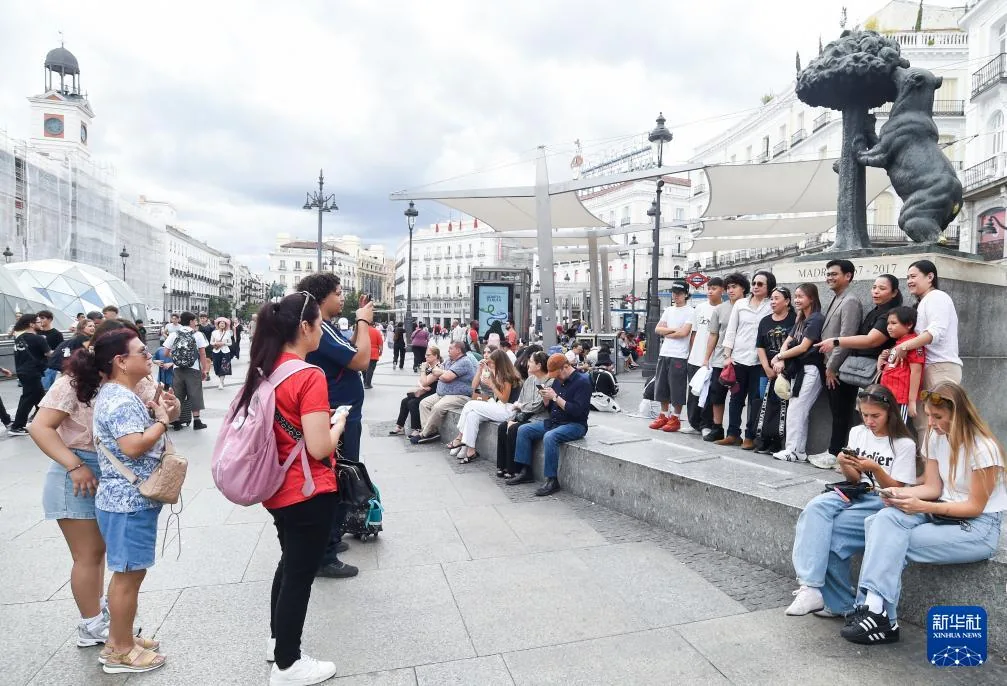
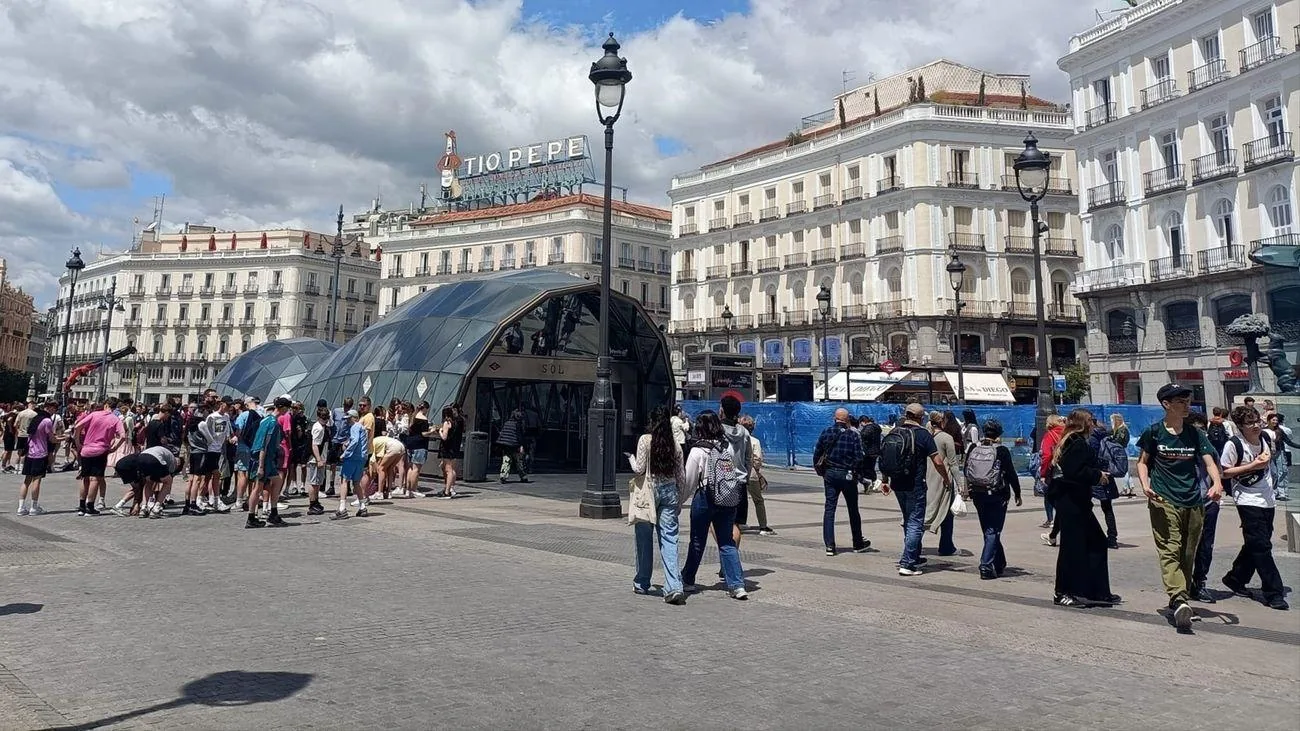
The overall feeling is positive: full terraces, well-lit streets, a metro system that runs until late, and a city used to tourism. Even so, the centre attracts large crowds, and where there are crowds, there are also quick hands. Puerta del Sol, Gran Vía, Plaza Mayor, Callao, El Rastro, Atocha, busy metro stations, and touristy terraces are all places where it is worth keeping your bag closed and your phone under control.
Areas where you should be more careful
There is no need to visit Madrid in fear, but you should stay alert. The areas that call for more caution are not necessarily “dangerous”; they are often simply very busy or prone to distraction.
In Sol, Gran Vía, and Callao, the risk comes from the sheer number of people: groups, crowds, street performers, shopping, terraces, and metro entrances. In and around Plaza Mayor, it is wise to check menus, prices, and bills carefully before sitting down at places that are heavily geared towards tourists. At El Rastro, especially on Sundays, the experience is very Madrilenian, but the crowds make it advisable to keep your valuables in front of your body. At Atocha, Chamartín, Méndez Álvaro, and the airport, traveller fatigue often makes people less careful.
This does not mean avoiding these areas. It means enjoying them with the same common sense you would use in Rome, Paris, Lisbon, or Barcelona.
Common scams and situations
The most common scam in Madrid is usually not sophisticated: one person distracts you while another steals from you. It can happen on a terrace if you leave your phone on the table, on the metro if you wear your backpack on your back, in a queue if you keep your wallet in your back pocket, or in a café if you hang your bag over the back of a chair.
It is also wise to be wary of overly pushy offers, tickets resold on the street, unofficial taxis, people approaching you with odd excuses, or requests to sign petitions in very touristy areas. For museum tickets, shows, or popular visits, the sensible option is to buy through official channels. For taxis, the safest choice is to use official vehicles or well-known apps.
Madrid at night
Madrid at night has a special energy: glowing bars, streets filled with conversation, and squares where people stay longer than planned. It is not a city that shuts down early, and that offers a certain sense of reassurance. Even so, late at night it is best to avoid deserted streets, empty parks, and long walks if you do not know the area well.
In nightlife districts such as Malasaña, Chueca, Huertas, and La Latina, the atmosphere is usually lively and diverse, but alcohol changes the picture: more carelessness, more pickpockets, and the occasional argument. The best approach is to return by taxi, ride-hailing service, or public transport when possible, not to accept drinks from strangers, and not to lose sight of your bag, jacket, or phone.
Women travelling alone
Madrid is a reasonably comfortable city for women travelling alone. There is plenty of movement, a good transport network, many well-lit central areas, and a cultural scene that makes it easy to make plans independently. Chueca, Salamanca, Chamberí, Retiro, Las Letras, and well-connected central areas are usually pleasant options for accommodation.
That said, basic caution still matters: avoid walking alone late at night down empty streets, keep an eye on your drink in bars, book a car through an app if returning late, and stay somewhere with good transport connections. There is no need to experience the city defensively, but it is not wise to be overly trusting either.
Families with children
For families, Madrid is safe and fairly easy to navigate. Retiro Park, Madrid Río, the museums, food markets, theatres, and central neighbourhoods make it possible to combine culture with downtime. The biggest challenge is usually not safety, but fatigue: long distances, summer heat, metro stations with stairs, and large crowds in the centre.
With young children, it is best to avoid the busiest times in Sol, Gran Vía, or El Rastro, agree on meeting points, and stay especially alert in stations and crowded museums.
What to do if you are robbed or have a problem
If you are pickpocketed, the priority is to file a police report, cancel your cards, and block your phone as soon as possible. Madrid has SATE, a Foreign Tourist Assistance Service designed to help with reports and formalities after incidents that require a visit to a police station.
The general emergency number in Spain is 112. For lost items, theft without violence, or minor incidents, the usual step is to go to a police station or the relevant tourist assistance service. Keeping a digital copy of your passport and not carrying all your documents and cards in the same place can save you a lot of trouble.
Practical tips for staying safe
Keep your phone and wallet in inside pockets or closed bags, not in your back pocket. On the metro, wear your backpack in front of you at busy times. On terraces, do not leave your phone on the table or hang your bag over the back of your chair. In touristy restaurants, check prices before ordering. For taxis, use official vehicles or well-known apps. In stations and at the airport, pay extra attention precisely when you are buying tickets, looking at maps, or handling luggage.
The key in Madrid is not to distrust everyone, but to reduce moments of vulnerability. The city is open, direct, talkative, and generally welcoming; most Madrileños will help if you ask politely and respectfully. A “please,” a “thank you,” and not blocking pavements, bar counters, or metro entrances will do more for smooth coexistence than any etiquette manual.
So, is Madrid safe?
Yes, Madrid is safe for most travellers, including women travelling alone, families, and people visiting Spain for the first time. But it is not a city where you should wander distractedly with your phone in your hand and your backpack open in the middle of Gran Vía. Its main risk is theft, not serious danger.
Anyone travelling with common sense will find a bright, intense, and hospitable capital: a city of long coffees, vast museums, lively squares, and nights that stretch on without asking permission. Madrid does not demand fear; it demands attention. And with that small dose of discipline, it is a city to enjoy enormously.