 Activity on TourBookGo
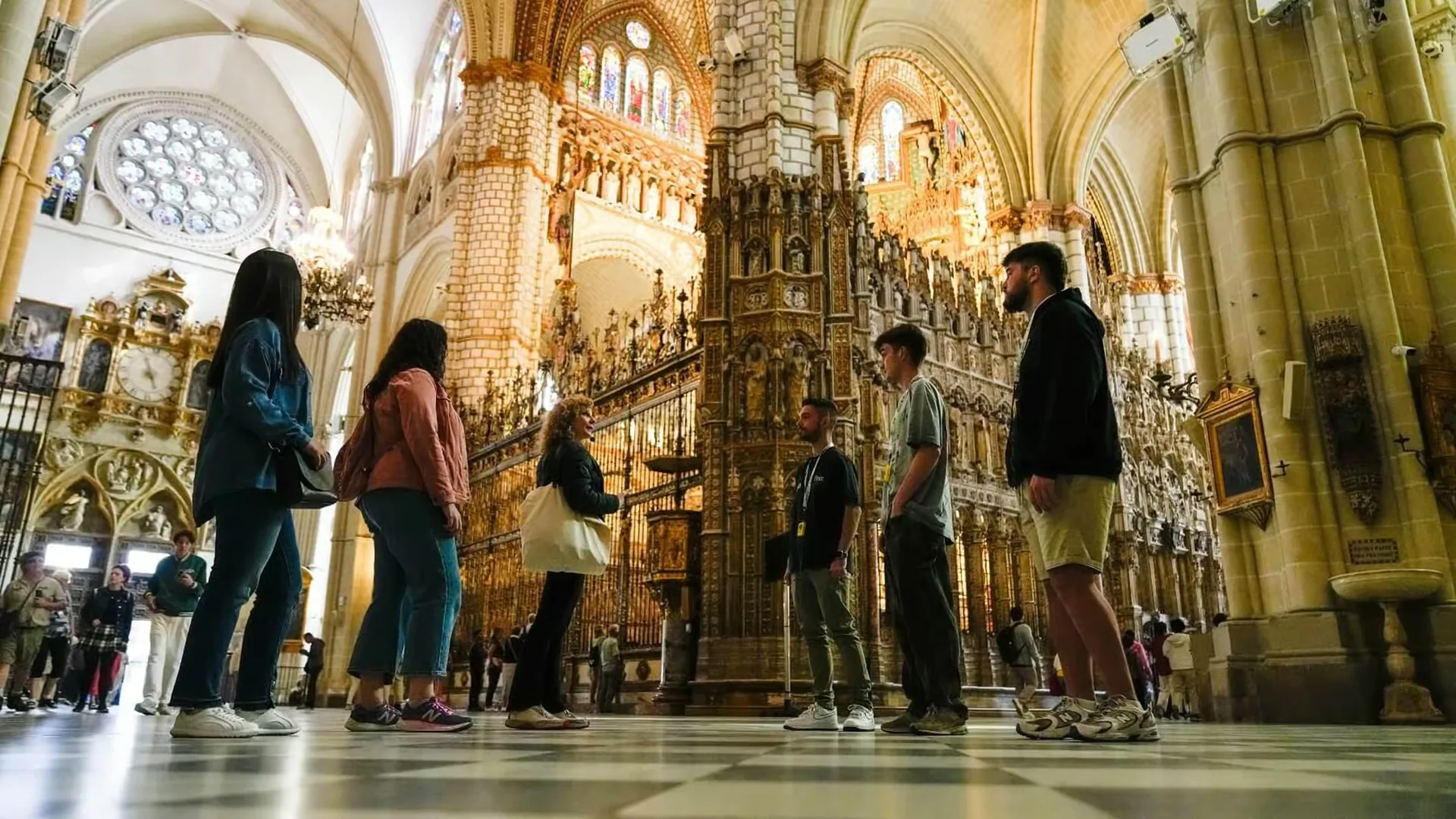
From Madrid: guided tour of Toledo and its main monuments
8-hour Toledo day trip from Madrid with guide, coach transport and entry to the cathedral, Santo Tomé, Santa María la Blanca and San Juan de los Reyes.
Eating in Madrid means sitting down in a city that does not boast too loudly about having its own cuisine, even though it does. It does not present it with the solemnity of other gastronomic capitals; it serves it at the bar, on white tablecloths, in century-old taverns, in municipal markets, on neighbourhood terraces, or in contemporary dining rooms where a croquette can sit alongside ceviche, a softly set tortilla, or a high-end tasting menu.
Madrid is not a cheap city to eat in if you never move beyond Sol, Plaza Mayor, and Gran Vía. Nor is it necessarily expensive if you know how to step away from the most obvious route. Its best food is spread across the traditional, the popular, the international, and the creative: a mix that perfectly reflects the character of a city made up of people who have arrived from everywhere.
Compare locations and options to find a base that suits your trip. Booking.com confirms current availability and pricing.
Find accommodation on BookingThe most Madrid of all dishes, the one that smells of winter, long lunches, and home cooking, is cocido madrileño. It is neither light nor quick: chickpeas, meats, vegetables, and broth served in separate courses. It is well worth trying if you are travelling with a real appetite and no rush.
Then there are callos a la madrileña, rich, intense, and gelatinous; grilled pig’s ear, very much a bar-and-beer dish; soldaditos de Pavía, old-school battered cod strips; huevos rotos, garlic prawns, patatas bravas, and the eternal calamari sandwich, especially associated with the Plaza Mayor area. Regional gastronomy and markets are an important part of Madrid’s tourist offering, both in the city itself and across the wider region.
For something sweet, Madrid calls for churros with hot chocolate, barquillos, rosquillas de San Isidro if you happen to visit at the right time of year, and the kind of classic bakery pastries that appear in old shop windows, next to cafés where you can still hear the clink of a teaspoon against a cup.
For a first visit, the best approach is to combine three different Madrids: the tavern Madrid, the market Madrid, and the Madrid of contemporary restaurants.
In the historic centre, around La Latina, Austrias, Huertas, and Las Letras, you will find plenty of taverns serving vermouth, shared plates, croquettes, tortilla, ensaladilla, and stews. It is a convenient area for travellers, but it is worth checking the menu before sitting down: if everything is translated into too many languages, photos dominate the menu, and the waiter is trying too hard to pull you in from the doorway, keep walking.
Chamberí is a safer bet for eating well without feeling as if you are inside a tourist set. It has classic bars, traditional dining houses, modern restaurants, and a more local clientele. Retiro and Ibiza work very well for tapas with a Madrid atmosphere, especially around streets full of lively bars. Salamanca concentrates elegant restaurants and carefully sourced produce, although prices rise accordingly. Lavapiés and Antón Martín are ideal for world cuisines, informal spots, and a more mixed, multicultural Madrid.
For fine dining, Madrid is having a particularly strong moment: the Michelin Guide includes a wide selection of restaurants in the city and surrounding area, while Guía Repsol maintains an up-to-date selection of Madrid restaurants and new openings.
Madrid still allows you to eat cheaply, but not always in the most obvious areas. To keep your budget under control, look for weekday lunch menus, neighbourhood bars, and less touristy municipal markets.
Areas such as Lavapiés, Argüelles, Tetuán, Usera, Vallehermoso, Antón Martín, and Prosperidad can offer better prices than the Sol–Plaza Mayor–Gran Vía axis. In simple bars, you can eat honestly and well with sandwiches, shared raciones, combination plates, or a daily set menu. It may not always be a memorable experience, but it can be very Madrid: bar noise, paper napkins, well-poured beers, and dishes with little unnecessary decoration.
The most common mistake is thinking that “tapas” means eating dinner for free. In Madrid, some drinks come with a small snack, but it is not always enough for a meal. Madrid’s food culture is more about sharing raciones than about generous free tapas.
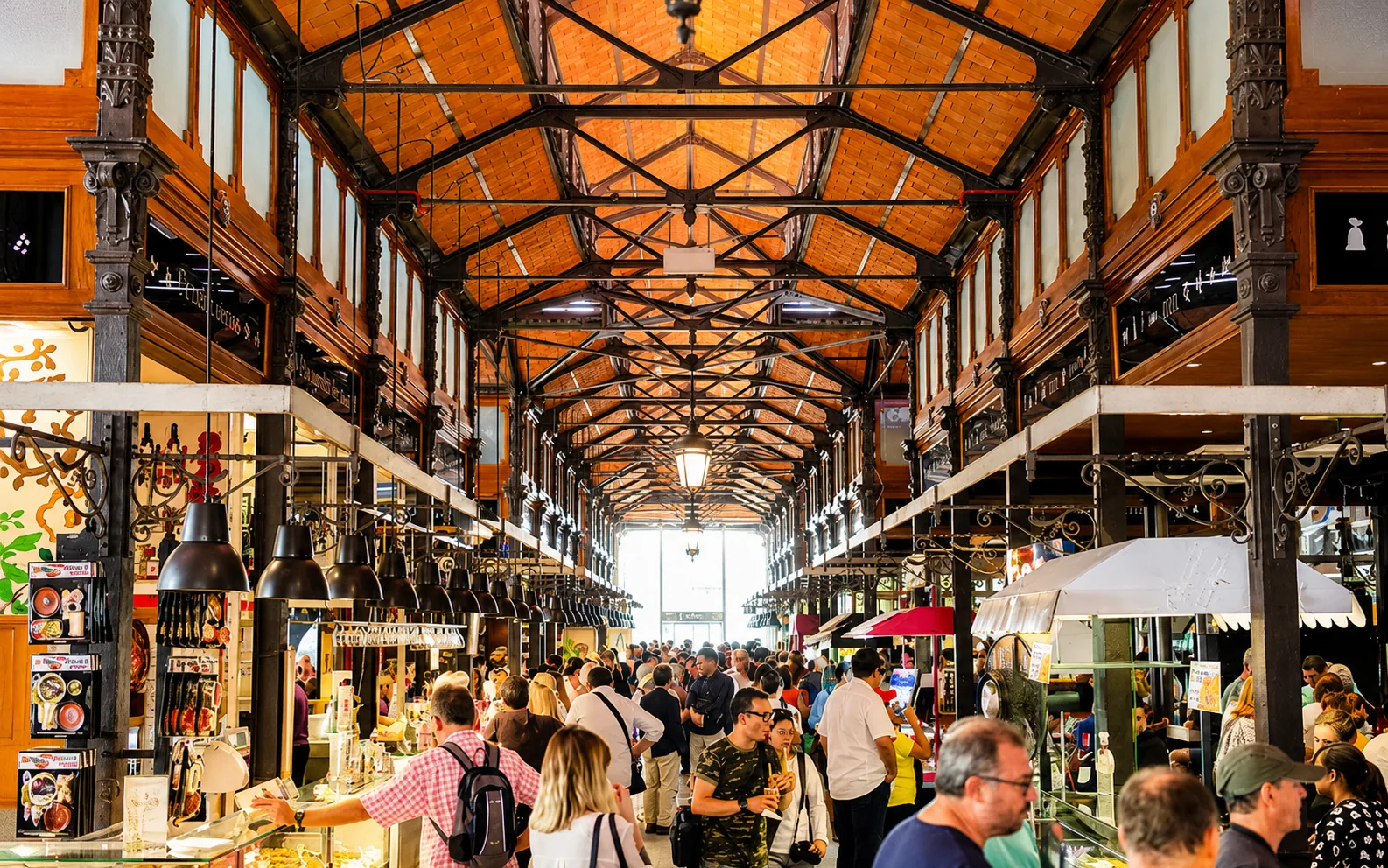
Markets are one of the best ways to understand Madrid’s appetite. Mercado de San Miguel is beautiful, central, and convenient, but it is also very touristy and more expensive than others. It may be worth visiting to see it, have a quick drink, or try a few bites, but not so much if you are looking for a calmer sense of authenticity.
More interesting places to eat with a less staged feel include Mercado de Antón Martín, Mercado de Vallehermoso, Mercado de San Fernando, Mercado de la Paz, and Mercado de Chamberí. Madrid’s official tourism website highlights a broad network of gastronomic and municipal markets, ranging from gourmet spaces to traditional neighbourhood markets.
In these places, Madrid becomes more everyday: fishmongers, greengrocers, small bars, international cooking, vermouth, cheeses, tortillas, wines by the glass, and tables shared by neighbours, students, office workers, and curious travellers.
Rather than following a fixed list, in Madrid it is better to choose by type of experience. For traditional cooking, look for casas de comidas and taverns with short menus, daily stews, and a local crowd. For a special meal, consult recognised selections such as Michelin or Repsol, which cover everything from fine dining restaurants to more informal venues and new openings. Michelin includes Madrid restaurants such as Deessa, Coque, DSTAgE, and Paco Roncero, among others, in its official selection; Guía Repsol also highlights Madrid venues with Soles and regularly updated gastronomic recommendations.
If you want something traditional, prioritise cocido, callos, tortilla, croquettes, refined offal dishes, or rice dishes in restaurants with history. If you are looking for contemporary Madrid, the city offers Japanese, Latin American, Italian, fusion cooking, product-led counters, and tasting menus. That variety is a virtue, but it can also be tiring: not every fashionable place cooks better than a simple tavern.
The Plaza Mayor area is famous for its calamari sandwich, but not every place is equal. Some bars are perfectly fine; others are clearly designed for quick tourist turnover. Around Sol, Gran Vía, and the nearby streets, be wary of overly long menus, frozen paellas used as bait, industrial sangria, and menus overloaded with photographs.
That does not mean the centre is a bad place to eat. It means you need to choose more carefully. Sometimes walking ten minutes towards Las Letras, La Latina, Chueca, Conde Duque, or Chamberí is enough to find a more honest meal.
For a first food-focused visit to Madrid, I would order at least one of the following: cocido madrileño, a calamari sandwich, tortilla de patata, croquettes, ensaladilla rusa, callos, patatas bravas, pig’s ear, draught vermouth, churros with chocolate, and some seasonal ración.
There is no need to try everything in a single trip. Madrid is best enjoyed in layers: a market morning, a proper sit-down lunch, an afternoon vermouth, an evening of tapas, and one final sweet stop before heading back to the hotel.
Book ahead for popular restaurants, especially from Thursday to Saturday. Eat dinner a little later if you want to experience the local rhythm: Madrid does not wind down early. Avoid sitting down somewhere just because it is close to a monument. Look for local customers, a coherent menu, and clear prices.
Madrid eats with energy, without too much ceremony, but with great pleasure. It can be chaotic, noisy, and uneven; it can also be generous, flavourful, and deeply alive. Anyone looking for gastronomic silence may find it tiring. Anyone who enjoys bars, markets, long lunches, and a mix of accents will find a city where there always seems to be room for one more table.
Compare prices and book your rental car with DiscoverCars.
Compare rental carsDiscover the culinary side of Madrid through selected experiences featuring markets, tastings, workshops and special dinners.
Activity on TourBookGo8-hour Toledo day trip from Madrid with guide, coach transport and entry to the cathedral, Santo Tomé, Santa María la Blanca and San Juan de los Reyes.
 Activity on TourBookGo
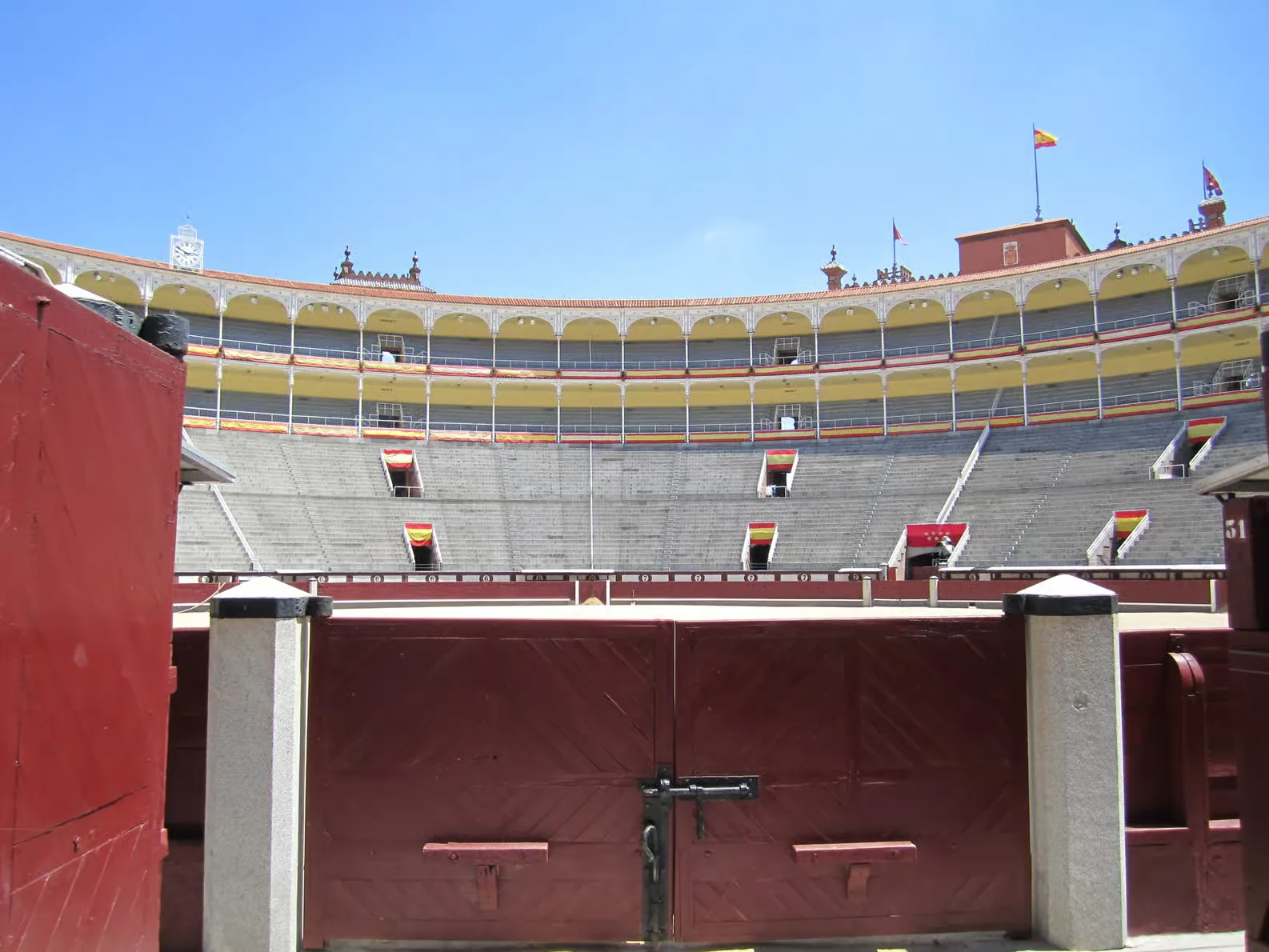
Book a private VIP tour of Las Ventas Bullring in Madrid with an official guide, bullfighting museum entry, skip-the-line access and a virtual bullfighting game.
 Activity on TourBookGo
Book your Atlantis Aquarium Madrid ticket in Xanadu and discover 20 aquariums, marine species and interactive family-friendly activities.