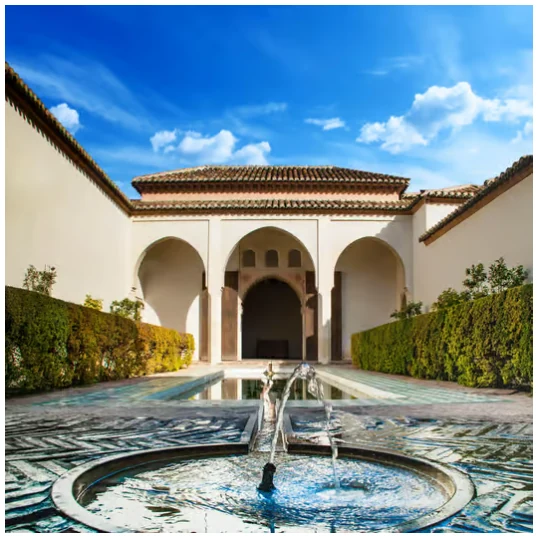
 Activity on TourBookGo
Guided tour of Málaga Alcazaba and Roman Theatre with admission included
Book a guided tour of Málaga Alcazaba and Roman Theatre in 1.5 hours, with admission included, a professional guide and organized group access.
The best time to travel to Malaga depends on the pace you want: bright spring, beach-filled summer, softer autumn or a calm winter escape.
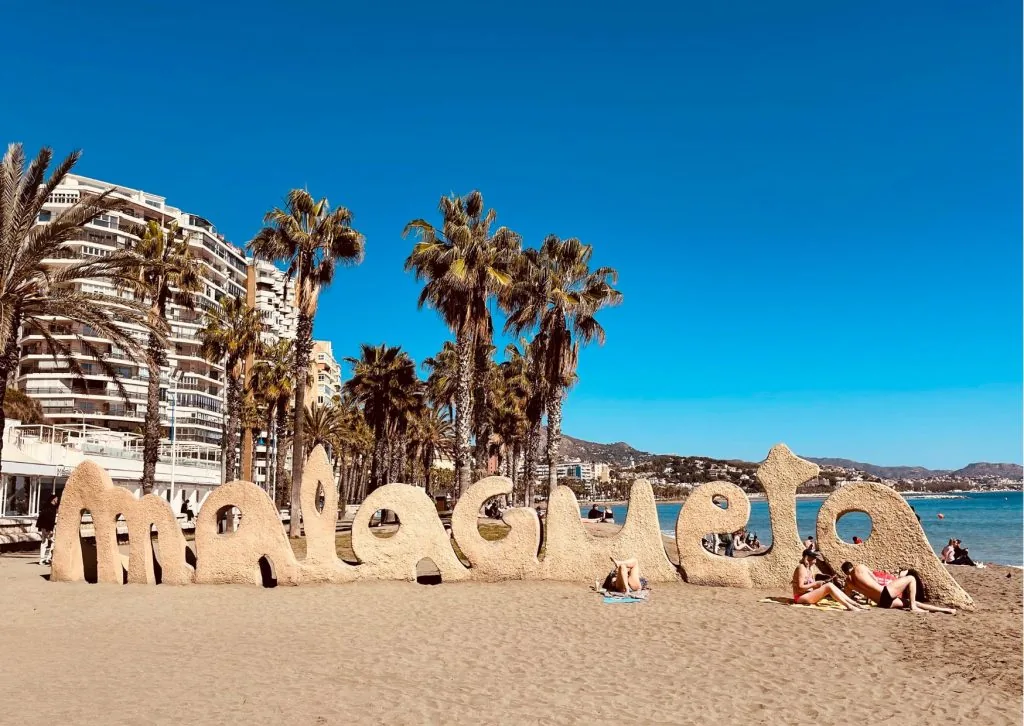
The best time to travel to Malaga is not the same for every traveller. The city changes its skin with the light: in spring it feels freshly washed, with mild air drifting in from the sea; in summer it becomes bright, noisy and full; in autumn it regains a golden calm; and in winter it invites you to wander without rushing, with sunny terraces and less tourist pressure. In general terms, the best months to visit Malaga are spring —April, May and the first half of June— and autumn —September and October—. These are months with pleasant temperatures, good light, street life and less overwhelm than in the height of summer. But the honest answer depends a lot on the kind of trip you are looking for: beach, culture, gastronomy, museums, Holy Week, the fair, trips around the province or simply a few days of Mediterranean sun.
Compare locations and options to find a base that suits your trip. Booking.com confirms current availability and pricing.
Find accommodation on BookingMálaga has one of those climates that explains part of its success: mild winters, many bright days and dry summers, although increasingly hot ones. According to AEMET’s normal climate values for Málaga Airport, July and August have average temperatures of around 25.5 ºC and 26 ºC, with average highs of about 30.5 ºC and 30.8 ºC respectively. AEMET
That does not mean summer is always unbearable, because the proximity of the sea softens some days, but it is worth accepting one important thing: Málaga in July and August can be intense. There are more people, more noise, higher prices and less room for improvisation. The historic centre keeps its beauty, but at midday it can feel heavy to walk among hot stone, crowded terraces and narrow streets.
In winter, the city is much kinder for walking. January, February and March have mild averages for a European city —AEMET records, for example, 12.1 ºC in January, 12.9 ºC in February and 14.7 ºC in March—, although these are also months when it can rain more than in summer. AEMET
Malaga in spring feels beautifully balanced. The sun warms without punishing, the squares are alive, the sea begins to recover its colour and the evenings invite you to linger over dinner without the thick humidity of summer. For visiting the Alcazaba, climbing up to Gibralfaro, exploring Soho, going into museums or walking as far as Pedregalejo, these months are usually the most rewarding.
April and May are especially recommendable for a first trip. The city keeps its local energy, the days stretch out and you still do not feel that high-season occupancy that completely transforms the rhythm of the centre. It is not a cheap time around key dates, but outside long weekends and Holy Week it can offer a very good balance between weather, atmosphere and comfort.
The obvious exception is Holy Week in Malaga. The city lives it with enormous intensity: it is a religious, social and cultural celebration that fills the streets with processions, music, incense, occupied balconies and closed routes. Málaga’s official tourism website describes it as an annual celebration with 45 processions. visita.malaga.eu For some travellers it will be a moving experience; for others, an inconvenient week because of the crowds, higher prices and difficulties getting around.
Travelling to Málaga in summer makes sense if you are looking for beaches, long nights and atmosphere. The city becomes more expansive: packed beach bars, espetos at sunset, seafront promenades scented with salt and embers, terraces open until late and a constant sense of movement.
August has a special appeal thanks to the Malaga Fair, one of the major events in the local calendar. The fair is celebrated with concerts, flamenco, activities and atmosphere both in the centre and at the fairground; the official 2025 edition, for example, was announced for 16 to 23 August. visita.malaga.eu The fair also commemorates the city’s incorporation into the Crown of Castile by the Catholic Monarchs in August 1487. visita.malaga.eu
That said, August is not for everyone. If you want quiet museums, silent streets and restaurants without reservations, it is not your month. Accommodation is usually more expensive, urban beaches can be very crowded and the heat forces you to organise the day wisely: visits early, rest during the central hours and life once evening falls.
Malaga in September is one of the most complete choices. The sea still keeps a pleasant temperature, the heat begins to ease and the city breathes a little after the August peak. There is still plenty of life, but with less of a feeling of saturation. For anyone who wants to combine beach, culture and gastronomy, September is usually a very sensible choice.
Malaga in October is quieter and more urban. It may not be the ideal month if your absolute priority is lying on the beach every day, but it is magnificent for walking, visiting museums, taking trips around the province or enjoying the city without the summer pulse. The light becomes lower, the façades take on warm tones and Málaga regains a more serene elegance.
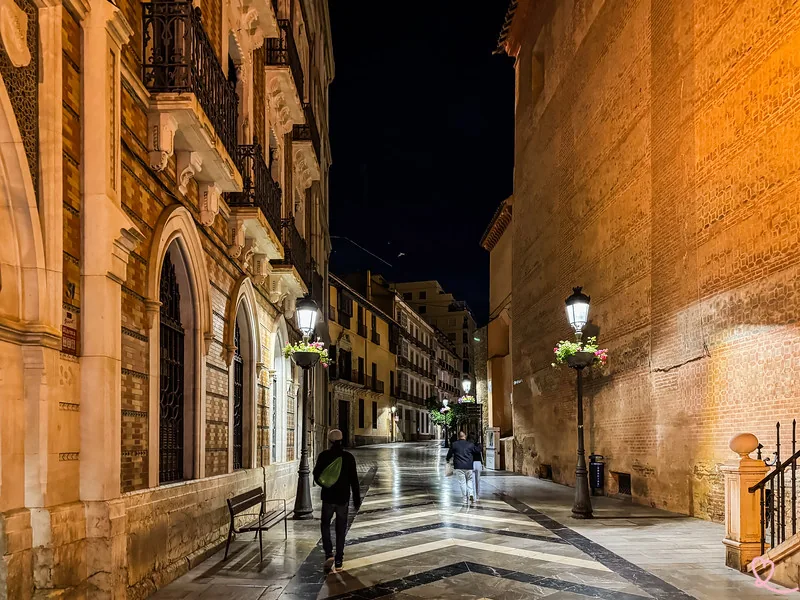
Malaga in winter can surprise anyone arriving from colder places. It is not unusual to see lively terraces in the sun, people strolling around the port and visitors exploring the centre without a heavy coat. It is an excellent time for a cultural trip: museums, gastronomy, shopping, walks along La Malagueta, nearby excursions and quiet afternoons.
But it should not be idealised. Winter is not swimming season for most people, some days can be grey or windy and rain, although it does not dominate the experience, appears more often than in summer. If you are looking for a beach atmosphere, warm nights and intense coastal life, it may feel underwhelming. If you are looking for light, calm and an easy escape, it can work very well.
If you cannot stand heat or crowds, avoid July and August, especially at weekends, during the fair and on long weekends. Málaga is still beautiful, but it becomes less comfortable.
If you want moderate prices, avoid Holy Week, the August Fair and major events. On those dates, the city can offer a memorable experience, but it requires booking in advance and accepting more noise, more people and less spontaneity.
If you are travelling mainly for the beach, the weakest months are December, January and February. You will be able to walk by the sea, eat fish and enjoy the light, but you will not have the summery Málaga you may be imagining.
For a first trip, May and September are probably the most well-rounded months. May has the charm of Mediterranean spring: long days, mild temperatures and a city that is still manageable. September keeps the flavour of summer, but with less tourist pressure.
April is ideal if you are interested in culture and do not mind the weather being a little more variable. October is excellent for relaxed travellers, lovers of walking, eating well and looking at the city without rushing. I would only choose August if you want to experience the fair, enjoy the nightlife or prioritise the beach over comfort.
Málaga is very much worth visiting when you choose the right moment. It is not just a matter of sun: it is a matter of rhythm. The city is best enjoyed when you can listen to it, not just pass through it among the crowds.
Choose experiences in Malaga that suit your travel season, the weather and the pace you want for each day.
Activity on TourBookGoBook a guided tour of Málaga Alcazaba and Roman Theatre in 1.5 hours, with admission included, a professional guide and organized group access.
 Activity on TourBookGo
Book a catamaran cruise in Málaga with sunset option, chill-out music, cava and net seating depending on the selected option. From 13 EUR.
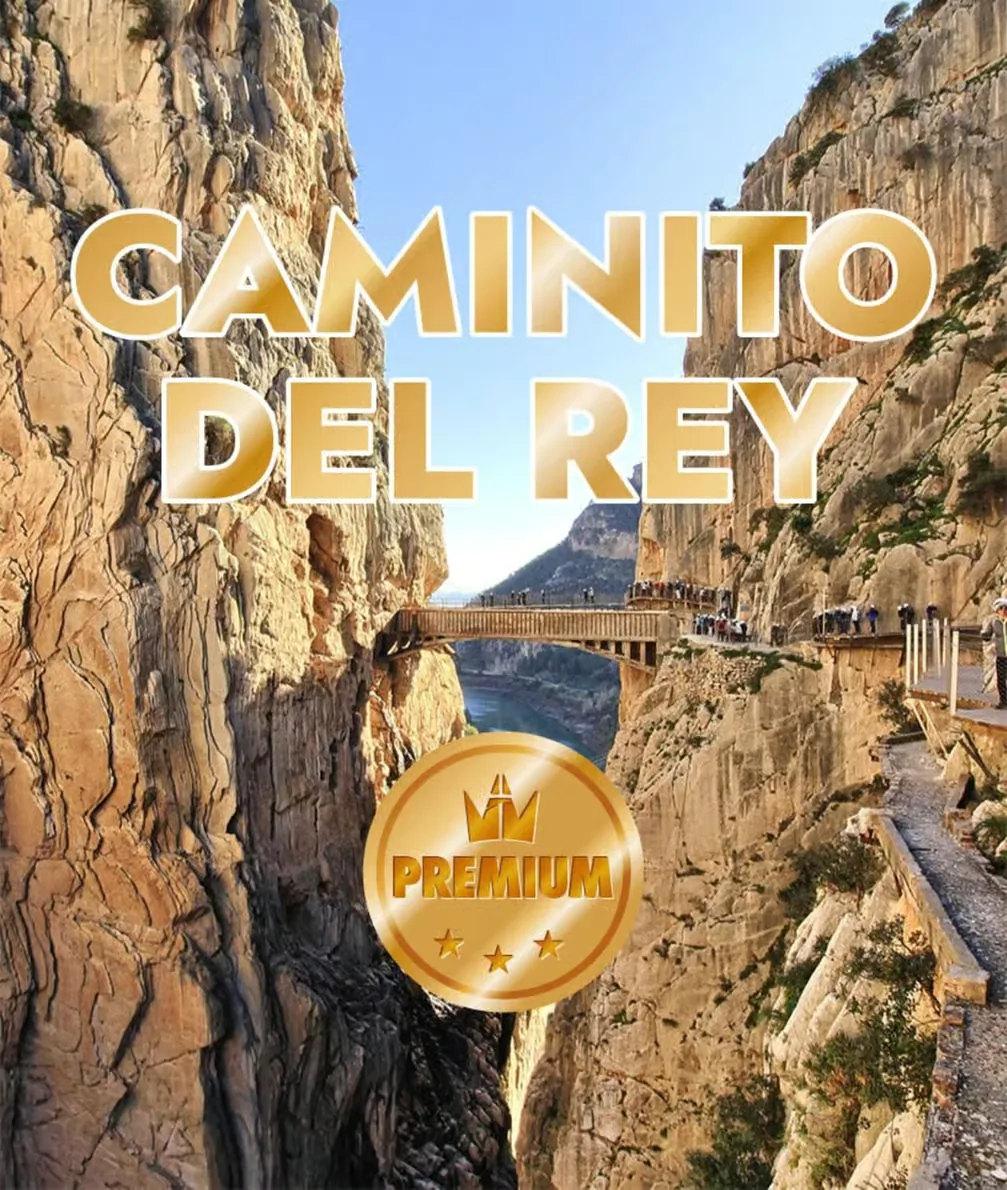 Activity on TourBookGo
Book the Caminito del Rey from Málaga with round-trip transport, official ticket, certified local guide, tastings, and free cancellation up to 24 hours before.