 Activity on TourBookGo
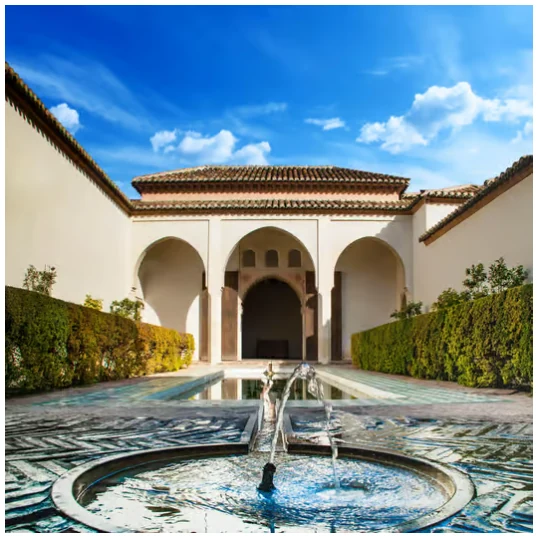
Guided tour of Málaga Alcazaba and Roman Theatre with admission included
Book a guided tour of Málaga Alcazaba and Roman Theatre in 1.5 hours, with admission included, a professional guide and organized group access.
Is Málaga safe to visit? Yes, it is a comfortable and reasonably safe destination, but it should not be idealised. The most common problems for travellers are usually petty theft, distraction, pickpockets and poorly watched belongings in tourist areas.
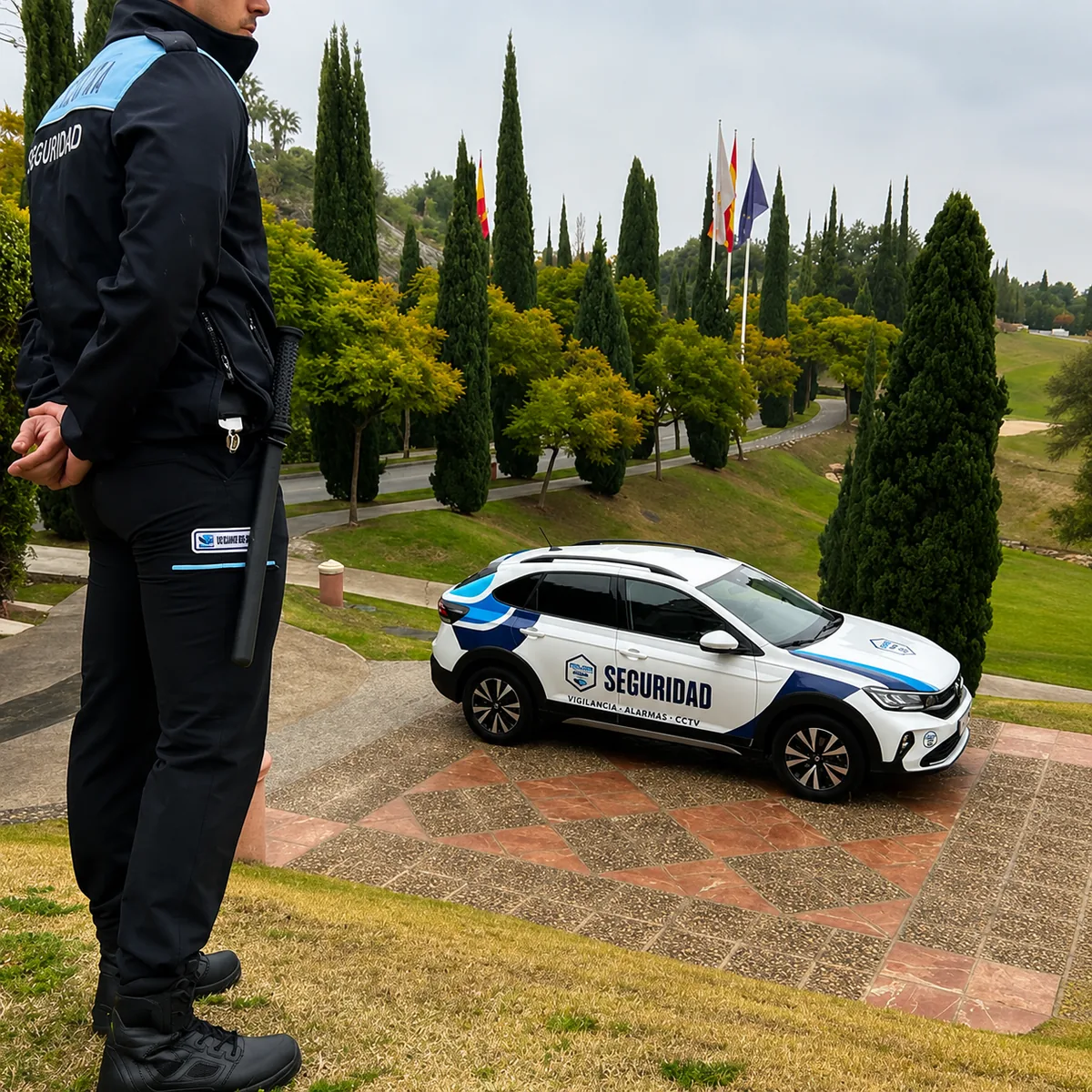
Málaga often greets visitors with an easy, welcoming feel: clean light on its façades, terraces open late, families strolling by the port, students in the historic centre, and a Mediterranean rhythm that encourages you to let your guard down. If you are wondering whether Málaga is safe to visit, the realistic answer is yes, as long as you enjoy the city with basic awareness. Overall, Málaga is a comfortable and reasonably safe destination to visit. It is not a city you experience with fear, nor does it require constant tension. But it should not be idealised either. The most common problems for travellers are usually not serious or violent, but petty theft, lapses in attention, pickpockets in crowded areas, poorly watched bags on café terraces, or belongings left on the sand while you go for a swim. Official travel advice for Spain places particular emphasis on theft, distraction theft and theft from cars, especially in tourist areas, stations, public transport and urban or beach destinations.
Compare locations and options to find a base that suits your trip. Booking.com confirms current availability and pricing.
Find accommodation on BookingMálaga’s city centre, Calle Larios, the Cathedral, the Alcazaba, the port area, Muelle Uno, La Malagueta and Atarazanas Market concentrate much of the city’s tourist life. They are bright, busy places and, in general, pleasant to walk around. The presence of people until late helps visitors avoid feeling isolated.
The risk is less about dramatic darkness than everyday distraction: an open backpack on a crowded street, a phone left on a terrace table, a wallet in a back pocket, a bag hanging from a chair while you look at the menu. The National Police recommend keeping belongings in sight at all times, protecting bags and wallets on public transport and in crowds, taking only the essentials to the beach and not leaving valuables visible inside the car.
Málaga does not require you to travel in fear, but it does call for the gentle alertness that separates a careful traveller from an unsuspecting tourist.
There is no clear dividing line between “safe areas” and “dangerous areas” for the average visitor. Travellers moving around the historic centre, the port area, Pedregalejo, La Malagueta, Soho, El Palo or the main museums will usually find an active and accessible atmosphere.
Where you should be more alert is in places with a high concentration of tourists: shopping streets, markets, stations, beaches in high season, transport stops, busy terraces and events. Not because these places are threatening, but because crowds make theft easier.
At night, the centre remains fairly lively, but caution takes a different form: avoid lonely or poorly lit streets when returning to your accommodation, especially if you have been drinking, and do not turn a late-night walk into an improvised exploration of unfamiliar areas. The National Police advise avoiding, as far as possible, isolated or poorly lit places.
Pickpockets in Málaga rarely present themselves as an obvious threat. They work through distraction: a question, a shove, fake help, a stain on your clothes, an offer that seems too convenient or a street game that looks harmless. The National Police warn travellers to be wary of suspicious “help” and not to take part in gambling games or accept supposed bargains in the street, as these are often scams or tricks.
It is also worth being aware of a less common but important scam: fake police officers asking to see your wallet. British authorities remind travellers that genuine police officers may ask for identification, but they will not ask to inspect wallets or bags; even plain-clothes officers carry official identification.
The rule is simple: if someone pressures you to take out money, open your wallet, show your cards or move to a less visible place, stop. Ask for identification, stay in a public area and, if something feels wrong, seek help.
Málaga can be a good city for women travelling alone, especially if the accommodation is well located and you avoid relying on long late-night journeys through unfamiliar areas. During the day, and for much of the evening, the centre is usually busy enough to walk around comfortably.
The less pleasant side appears in the same situations as in other tourist cities: nightlife, alcohol, unwanted persistence, late journeys back and poorly lit streets. There is no need to experience the trip with suspicion, but it is sensible to plan your return to your accommodation, not accept drinks from strangers, share your location if you go out at night and use a taxi or ride-hailing service when tiredness, the time or the area make walking feel less appealing.
Official travel advice for Spain notes that reports of sexual assault affecting visitors have been received, especially involving young people, students or those on exchange stays; this is not a reason to avoid Málaga, but it is a reason to treat the night with respect rather than naïvety.
For families, Málaga is usually comfortable: relatively manageable distances, seafront promenades, museums, urban beaches, ice cream shops, squares and a street life that allows you to travel without feeling everything depends on having a car. The centre can be very pleasant with children, although in high season it becomes crowded and hot.
The main inconvenience is not insecurity, but congestion: pushchairs in crowds, intense summer heat, packed beaches, tightly spaced terraces and tired children at the end of the day. At the beach, do not leave backpacks, phones or documents unattended when the whole family goes into the water. The police recommendation to take only the essentials to the beach or pool is especially useful for families.
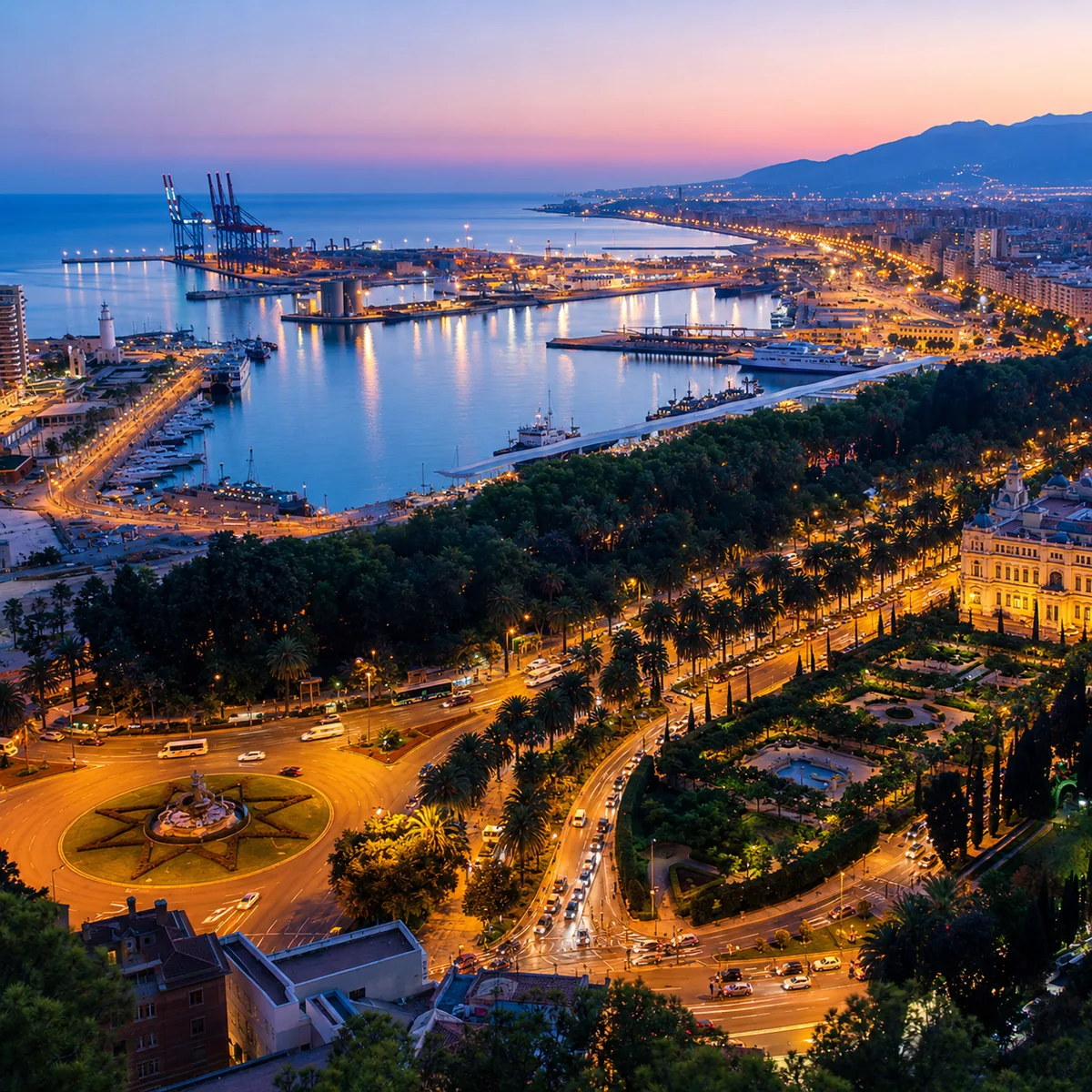
Málaga has a lively nightlife, more elegant in some corners, noisier in others. Having a late dinner, walking through the centre afterwards or having a drink near the port can be a natural part of the trip. Problems begin when unfamiliarity with the area, alcohol, visible phones, open bags and walking back through empty streets all come together.
There is no need to give up Málaga’s nightlife, but it is wise to go out with some strategy: carry only one card, a little cash, a digital copy of your documents and a charged phone. If you go out partying, return with someone whenever possible. And if an atmosphere becomes too pushy, confusing or aggressive, leaving early is a sign of intelligence, not fear.
If you rent a car to explore the province, remember that theft from vehicles is one of the risks highlighted for Spain. Do not leave suitcases, cameras, bags or shopping visible, not even during a short stop. The boot should not look like a safe either: put things away before you arrive at the car park, not in full view of everyone.
For those visiting Málaga city only, a car can be more of a burden than a help. Parking in the centre is not always easy, and getting around on foot, by public transport or by taxi is usually more practical. A car starts to make sense if you want to explore villages, coves, inland routes or the Axarquía.
If you are robbed, do not waste time chasing or confronting anyone. Cancel your cards, block your phone if necessary and report the incident. The National Police give 091 as the number to contact the police in Spain, and they also operate SATE, the Foreign Tourist Assistance Service, with offices including one in Málaga.
For general emergencies, the European number is 112. Málaga’s municipal tourist information also lists useful numbers such as National Police 091, Guardia Civil 062 and Local Police 092.
The first mistake is thinking that “because Málaga seems calm, nothing will happen”. That overconfidence is theft’s best ally.
The second is carrying too much with you: passport, several cards, all your cash, camera, phone, headphones and shopping in a single backpack. It is better to divide things up, simplify and leave important items somewhere safe.
The third is letting your guard down on terraces. A phone on the table, a bag on the back of a chair and a backpack at your feet are small gestures that can prove costly in a tourist city.
The fourth is posting too much real-time information on social media about where you are staying or how long you will be away. The National Police recommend not posting holiday plans on social media.
Yes, Málaga is worth visiting for anyone looking for an easy, cultural, luminous Mediterranean city with a good urban lifestyle. It is a good choice for couples, families, solo travellers and weekend breaks. Its safety, understood realistically, should not be an obstacle.
But it is not a postcard setting without risks. In summer there are more people, more heat, more lapses in attention and more opportunities for petty theft. During Holy Week, fairs, long weekends and busy weekends, the city becomes more intense. Travellers carrying expensive items, a loaded car or the habit of leaving belongings unattended are more likely to have an unpleasant experience.
Málaga is best enjoyed lightly: few belongings on you, an alert eye, well-chosen accommodation and common sense. That way, the city can reveal its most beautiful side: the golden glow of its afternoons, the murmur of its terraces, the smell of sardine skewers by the sea and that blend of history, beach and local life that needs no exaggeration to be attractive.
Enjoy Malaga through selected, well-organised experiences that help you explore the city with greater peace of mind.
Activity on TourBookGoBook a guided tour of Málaga Alcazaba and Roman Theatre in 1.5 hours, with admission included, a professional guide and organized group access.
 Activity on TourBookGo
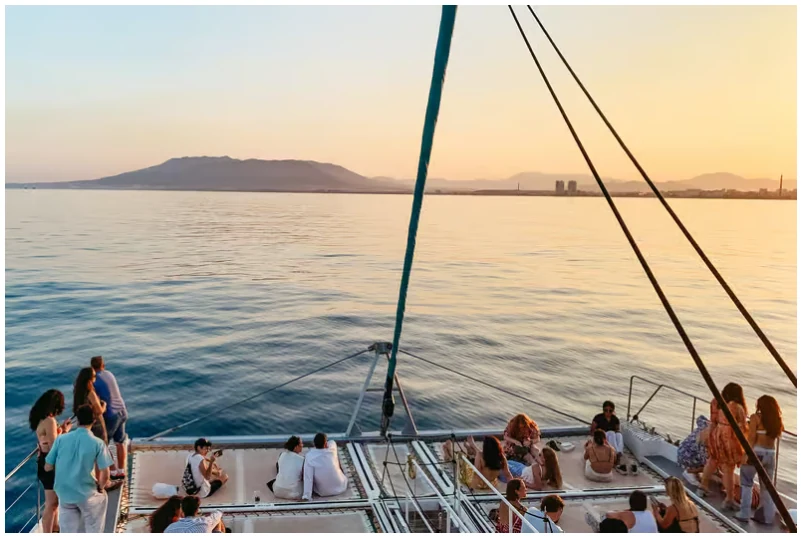
Book a catamaran cruise in Málaga with sunset option, chill-out music, cava and net seating depending on the selected option. From 13 EUR.
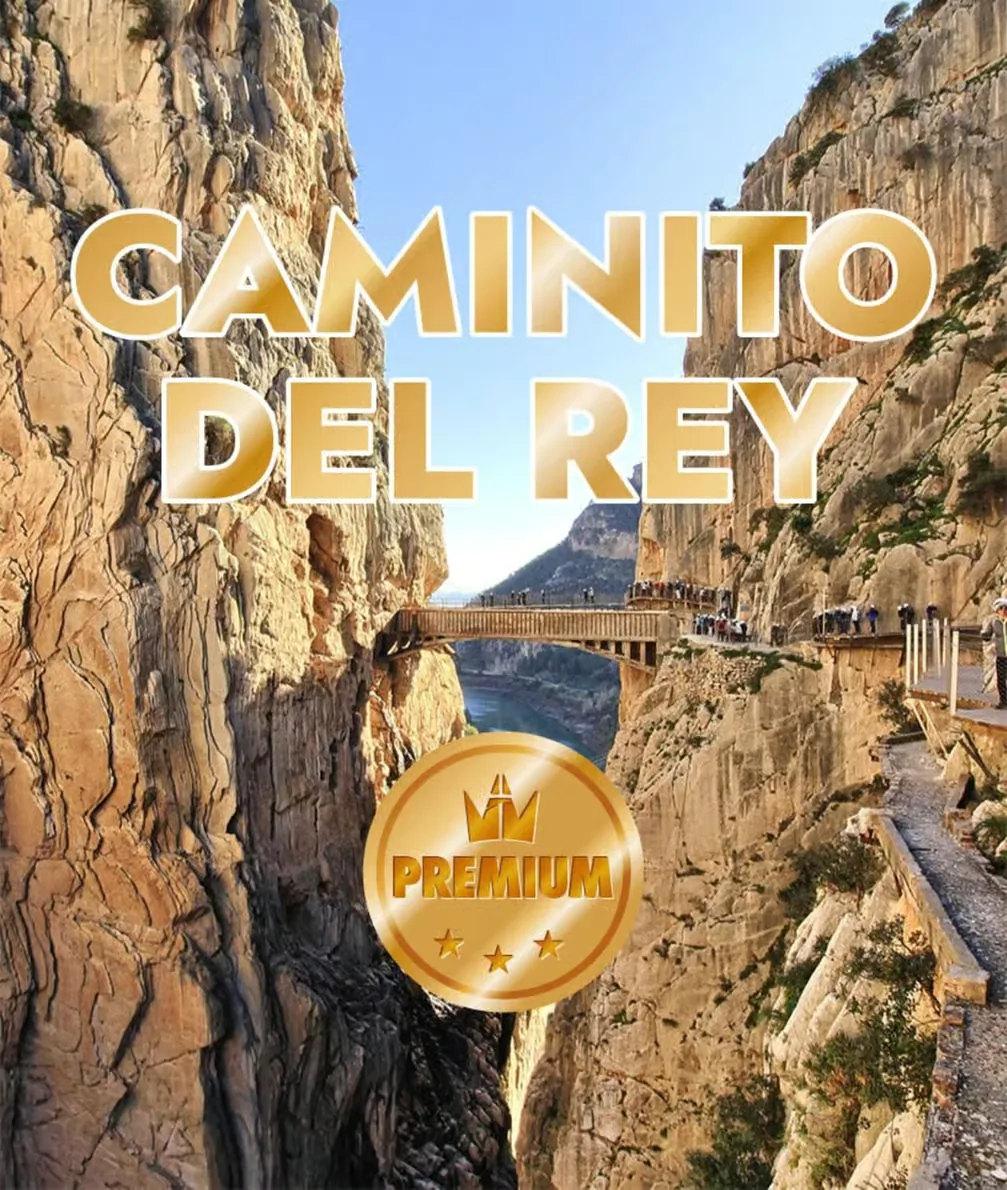 Activity on TourBookGo
Book the Caminito del Rey from Málaga with round-trip transport, official ticket, certified local guide, tastings, and free cancellation up to 24 hours before.