 Activity on TourBookGo
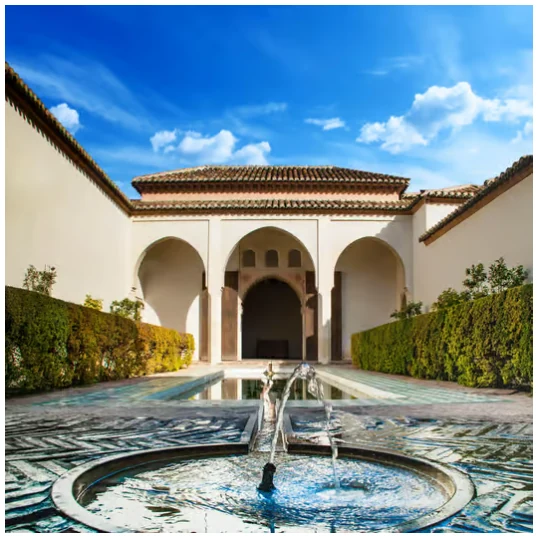
Guided tour of Málaga Alcazaba and Roman Theatre with admission included
Book a guided tour of Málaga Alcazaba and Roman Theatre in 1.5 hours, with admission included, a professional guide and organized group access.
This Malaga itinerary combines history, museums, food and the sea without long journeys, with realistic routes for enjoying the city even when the centre feels busy in high season.

A good Malaga itinerary is best enjoyed by walking slowly, but not aimlessly. The city is bright and open to the sea, with honey-coloured façades, cool patios, the smell of grilled sardines by the beach and an urban life that does not fade when evening falls. Its great advantage is that it lets you combine history, museums, gastronomy and beach time without long journeys. Its increasingly obvious drawback is the tourist pressure on the centre: in high season, some streets feel more like a stage set than a lived-in city.
Compare locations and options to find a base that suits your trip. Booking.com confirms current availability and pricing.
Find accommodation on BookingWith only one day, it is best not to try to see everything. The ideal route starts early on Calle Alcazabilla, where Málaga reveals several layers of its history within just a few metres: the Roman Theatre, the Alcazaba and the silhouette of Gibralfaro Castle rising above the hill. The Alcazaba and Gibralfaro have different opening hours depending on the season, so it is worth checking them before planning your morning.
Afterwards, walk down towards Málaga Cathedral, popularly known as “La Manquita” because of its unfinished tower, and wander through the streets of the old town: Calle San Agustín, Plaza del Obispo, Calle Larios and Plaza de la Constitución. There is no need to turn the day into a race between monuments; Málaga is also enjoyed in its patches of shade, on its terraces and in the white gleam that lingers on its façades at midday.
In the afternoon, choose between two plans: visit the Museo Picasso Málaga, located in the Buenavista Palace and focused on the work of the city-born artist, or walk towards the port, the Palmeral de las Sorpresas, Muelle Uno and La Malagueta. The Centre Pompidou Málaga is located in the Cubo building, between piers 1 and 2, making it an easy stop if you want to add contemporary art without moving away from the seafront promenade.
Recommended route for 1 day: morning, Alcazaba, Roman Theatre and Cathedral. Midday, tapas or Atarazanas Market, if it fits your schedule. Afternoon, Museo Picasso or a walk around the port. Sunset, climb up to Gibralfaro or stroll along La Malagueta.
This itinerary is well worth it for a first visit, but it may disappoint you if you expect a quiet, empty Málaga. On long weekends, in summer and at weekends, the centre can feel overcrowded.
With two days, Málaga begins to breathe a little more. The first day can follow the classic route: Alcazaba, Cathedral, historic centre, Museo Picasso and port. The second should be devoted to a less rushed Málaga.
Start at Atarazanas Market, especially if you are interested in seeing everyday city life among stalls of fish, fruit, olives and neighbourhood voices. Then walk towards Soho, an area of street art, cafés and small galleries that offers a more contemporary image of the city.
In the afternoon, you can choose between the Museo Carmen Thyssen, if Andalusian and Spanish painting appeals to you, or the Centre Pompidou, if you prefer modern and contemporary art by the port. Málaga promotes itself as a city of museums, and its cultural offering is extensive; the municipal tourism website itself highlights numerous museum and exhibition spaces.
Recommended route for 2 days: Day 1, Monumental Málaga: Alcazaba, Cathedral, Picasso, port and La Malagueta. Day 2, Atarazanas, Soho, museum of your choice, seafront promenade and an unhurried dinner.
Two days are a well-balanced length of time for travellers who want to get to know Málaga without exhausting themselves. Even so, do not expect wild beaches: La Malagueta is convenient and urban, but it is not the most beautiful stretch of coast in the province.
Three days allow the trip to become more than just an urban visit. You can devote the third day to Pedregalejo and El Palo, former fishing neighbourhoods where the sea is experienced in a more local way, although they also attract plenty of tourists. It is a good place to eat fish, walk beside the boats and see a Málaga that is less monumental and more sea-salted.
Another option is to take a day trip. If you like nature and are not afraid of heights, the Caminito del Rey is one of the best-known excursions from Málaga, with walkways over the Gaitanes Gorge. It requires planning, booking and checking the latest conditions, because it is not the kind of walk you can simply improvise. The Andalusian Regional Government presents it as a standout route in the province, linked to the landscape of the gorge.
If you prefer white villages and inland scenery, Ronda is easier for a full-day excursion, although it is also very popular. For coastline and photogenic charm, Nerja and Frigiliana work well, especially outside the hottest days.
Recommended route for 3 days: Day 1, historic centre, Alcazaba, Cathedral and port. Day 2, museums, Soho, Atarazanas and urban beach. Day 3, Pedregalejo and El Palo, or an excursion to the Caminito del Rey, Ronda, Nerja or Frigiliana.
Three days are ideal for anyone who wants to see Málaga in a little more depth. They are less suitable for those looking only for a beach break: in that case, it may be better to stay closer to coves or coastal villages.
A week in Málaga allows you to build a fuller trip, but it means not staying only in the centre. The province is diverse: tourist coast, white villages, mountain ranges, gorges, wines, urban beaches and corners where the pace slows right down.
A logical route would be to spend the first two days in the city, a third day in Pedregalejo and El Palo, and the rest on well-chosen excursions. To get around, the Cercanías suburban train can be useful for the airport, Torremolinos, Benalmádena or Fuengirola on line C1, while C2 connects Málaga Centro-Alameda with Álora. For places such as Ronda, Nerja, Frigiliana or some inland villages, it may be more practical to combine bus, organised tour or car depending on your plans.
Recommended route for 7 days: Day 1, Historic Málaga: Alcazaba, Roman Theatre, Cathedral and centre. Day 2, Museo Picasso, Atarazanas, Soho, Muelle Uno and La Malagueta. Day 3, Pedregalejo, El Palo and the seafront promenade. Day 4, Caminito del Rey or the Guadalhorce Valley. Day 5, Ronda. Day 6, Nerja and Frigiliana. Day 7, flexible day: beach, museums you missed, relaxed shopping or a second walk through the centre at dawn.
This week works best if you alternate intense days with gentler ones. One of the most common mistakes is trying to see the whole province from Málaga without taking distances, heat or tiredness into account. In summer, inland excursions can be tough at midday; in winter, by contrast, the city is more pleasant for walking, although daylight hours are shorter.

For a first visit to Málaga: stay in or near the centre. Visit the Alcazaba, Cathedral, Museo Picasso, Atarazanas, port and Gibralfaro. It is the most obvious Málaga, yes, but also the one that best explains the city.
For couples: combine the historic centre, a museum, sunset at Gibralfaro and dinner in an area less obvious than the busiest street. Pedregalejo can work very well if you want the sea without the tourist pulse of the centre.
For families: it is best not to overload the days. Port, beach, short walks, a museum adapted to the children’s interests and frequent breaks. The climb to Gibralfaro can be tiring in hot weather.
For culture lovers: Málaga offers more than some people expect. The Museo Picasso, Carmen Thyssen, Centre Pompidou and Museo de Málaga can fill several days. The risk is overloading yourself with museums and forgetting the street, which is also part of the trip.
For beach seekers: Málaga city will not always be the best base if the beach is your absolute priority. La Malagueta is practical, but urban. For a more coastal experience, it is worth looking at other parts of the province.
The first mistake is visiting Málaga as if it were merely a quick stop for sun and tapas. It has history, art and neighbourhoods with personality, but you have to give them time. The second is concentrating everything around Calle Larios and its surroundings: they are beautiful, but also the most exposed to overcrowding. The third is improvising popular excursions without checking bookings, transport or access conditions.
It is also worth being mindful of your relationship with the city. Málaga is not just a backdrop for visitors: it is a place where people live, with real problems involving housing, overcrowding and the transformation of traditional commerce. Travelling well here means stepping outside the most obvious circuit, spending respectfully and not turning every corner into a rushed photo opportunity.
One day is enough for a beautiful but incomplete impression. Two days are suitable for an urban getaway. Three days allow you to add the sea or an excursion. A week is perfect if you want to discover the province without changing base every night.
Málaga is worth visiting when you do not demand that it be only beach, only museums or only an Andalusian postcard. Its charm lies precisely in the mix: the ancient stone of the Alcazaba, the blue of the port, sardine skewers smoking at sunset, the clean winter light and that somewhat contradictory energy of a city that has become highly desired, perhaps too much so, but which still preserves moments of truth when you step just a few paces away from the crowd.
Ideas to complete your Malaga itinerary with the city, the sea, characterful neighbourhoods and nearby day trips.
Activity on TourBookGoBook a guided tour of Málaga Alcazaba and Roman Theatre in 1.5 hours, with admission included, a professional guide and organized group access.
 Activity on TourBookGo
Book a catamaran cruise in Málaga with sunset option, chill-out music, cava and net seating depending on the selected option. From 13 EUR.
 Activity on TourBookGo
Book the Caminito del Rey from Málaga with round-trip transport, official ticket, certified local guide, tastings, and free cancellation up to 24 hours before.