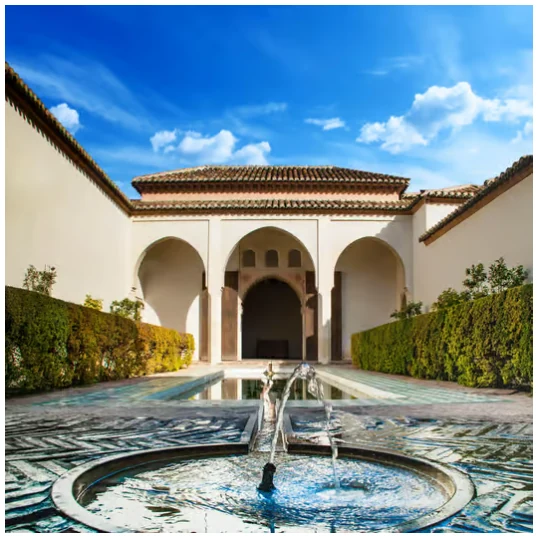
 Activity on TourBookGo
Guided tour of Málaga Alcazaba and Roman Theatre with admission included
Book a guided tour of Málaga Alcazaba and Roman Theatre in 1.5 hours, with admission included, a professional guide and organized group access.
Things to do in Malaga go far beyond beach and tapas: there is Roman Malaga, Andalusian Malaga, museum-filled Malaga, seafaring Malaga and a Malaga that is becoming increasingly touristy.
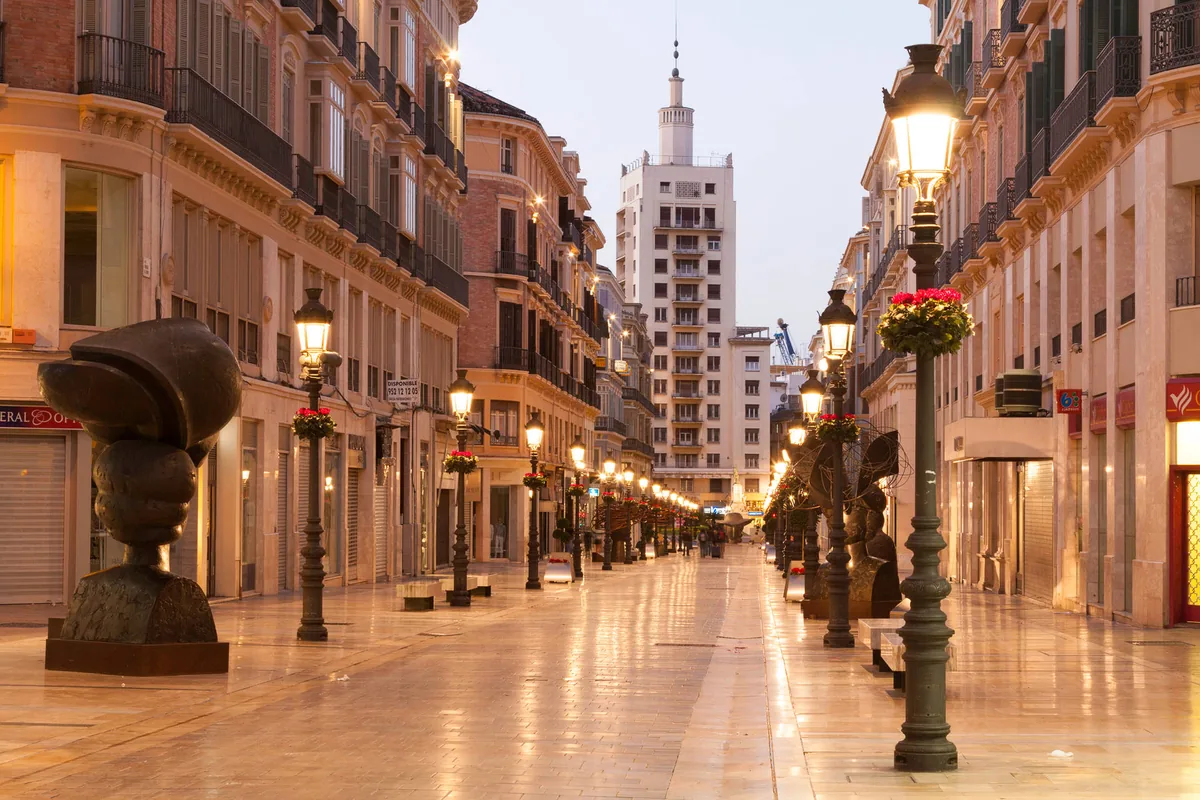
When looking for things to do in Malaga, start beyond the postcard view. Malaga arrives with an easy kind of light: pale façades, palm trees, ancient stone, the smell of grilled fish, and that Mediterranean appearing at the end of the streets like a promise. But the city deserves more than a quick visit for beach and tapas. There is Roman Malaga, Andalusian Malaga, museum-filled Malaga, seafaring Malaga, and a Malaga that is becoming increasingly touristy, with all the good and awkward sides that entails.
Compare locations and options to find a base that suits your trip. Booking.com confirms current availability and pricing.
Find accommodation on BookingStart in the historic centre, but do not turn it into a race from monument to monument. Calle Larios has a commercial elegance; the nearby squares, cafés, churches and old façades reveal a more intimate Malaga.
The main historical scene is around the Roman Theatre, the Alcazaba and Gibralfaro Castle. The Alcazaba and Gibralfaro have their own official portal from Malaga City Council, with visitor information, maps, audio guides and ticket sales.
Alcazaba and Gibralfaro Castle
The visit is worth it for the blend of walls, gardens, views over the port and that feeling of a city built in layers.
Gibralfaro is especially beautiful at sunset. The walk up is rewarding, but it can be tough in the heat. In summer, it is best to avoid the middle of the day.
Malaga has changed a great deal thanks to its museums. The Museo Picasso Malaga is the most symbolic visit: it is housed in the Buenavista Palace and connects the city with the artist who was born here; its official website publishes up-to-date opening times and exhibitions.
museopicassomalaga.org
The Carmen Thyssen Museum works best for those who enjoy Spanish and Andalusian painting. The Centre Pompidou, by the port, brings a more contemporary Malaga. Do not try to see them all in one day: two well-chosen museums will leave a better memory than a rushed cultural itinerary.
Muelle Uno and the Palmeral de las Sorpresas are pleasant places for a stroll, a drink and a glimpse of Malaga’s more modern side. It is a comfortable, clean and photogenic area, although it can feel somewhat designed for visitors.
La Malagueta is neither a wild beach nor the most beautiful in Andalusia. Its value lies in being next to the centre and allowing for an easy swim, a meal by the sea or a walk without any logistical effort. For a more seafaring experience, Pedregalejo and El Palo usually have more character: boats, beach bars, sardine skewers and neighbourhood life. On weekends and in summer, they get quite busy.
Atarazanas Market is a tasty and visually striking visit. The City Council describes it as one of Malaga’s main municipal markets and notes that it was declared a Site of Cultural Interest in 1979.
mercadosmunicipalesyviapublica.malaga.eu
When eating out, look for sardine skewers, Malaga-style fried fish, anchovies, ajoblanco, porra antequerana and sweet wines from the area. The usual mistake is sitting down at the first terrace in the centre with an endless menu and photos that look too glossy. See where locals eat, compare prices and move a little away from the most obvious streets.
If you have several days, Malaga is a good base. The Caminito del Rey is the star excursion for those looking for nature and moderate thrills; its official website highlights practical rules such as arriving in advance, wearing suitable footwear and the minimum access age of 8.
caminitodelrey.info
Antequera and El Torcal, Ronda, Nerja and Frigiliana are also worth considering. But not everything fits into a short trip. For two days, stay in Malaga. For four or five, one well-chosen excursion can greatly enrich the experience.
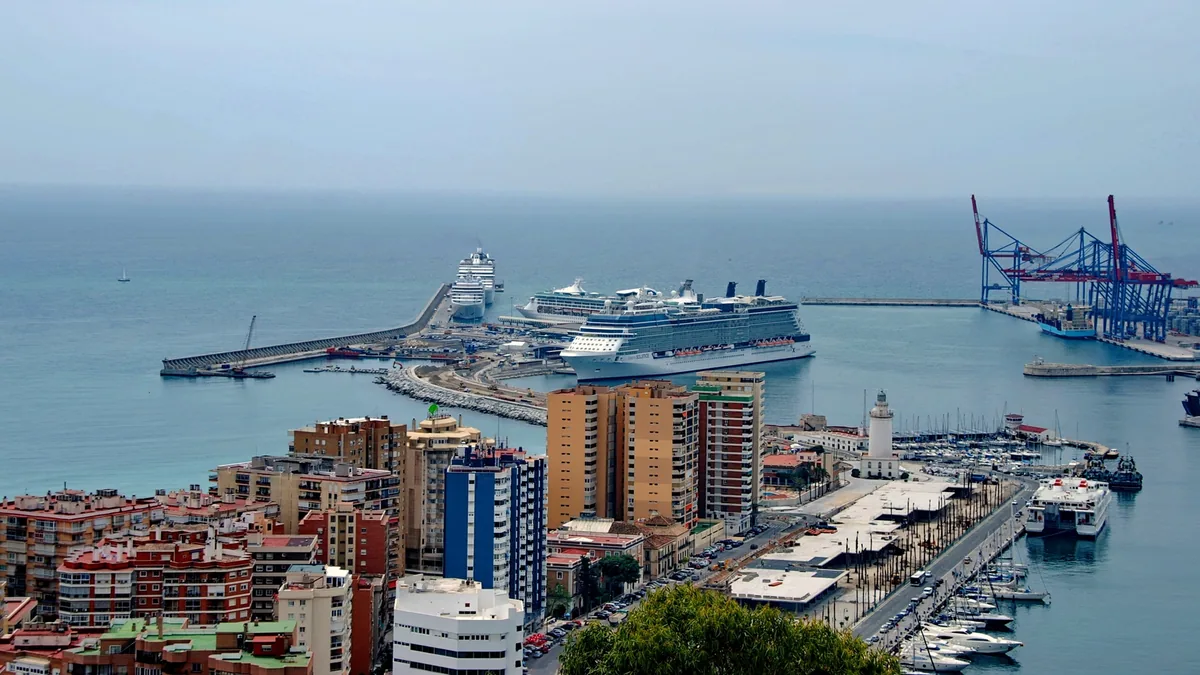
When it rains, Malaga does not shut down. The museums can easily save the day. You can also explore Atarazanas, look for traditional taverns, visit churches in the centre or spend more time in cafés, shops and streets with arcades. The city loses some of its postcard shine, but gains an unexpected intimacy.
Walking through the centre, strolling around the port, heading towards La Malagueta, climbing up to viewpoints, wandering through Soho or going to Pedregalejo are plans that do not require a ticket. It is also worth checking possible free-entry times for museums or monuments, as they may change depending on the season or visiting conditions.
With children, Malaga works well as long as you do not overdo museums and monuments. The beach, the port, easy walks and frequent stops help a great deal, especially in summer.
As a couple, Malaga offers beautiful sunsets, dinners by the sea and charming hotels. It is not a quiet city in the tourist areas, but it knows how to create lovely moments.
At night, the centre offers bars and terraces, although some streets can feel noisy and overcrowded. For a quieter evening, it is better to move away from the most touristy axis or have dinner by the sea.
Malaga may disappoint anyone expecting untouched beaches, low prices right in the centre or a city without tourism. In high season there are queues, heat, packed terraces and expensive accommodation. The city has gained cultural energy and services, but in certain areas it has also lost some of its spontaneity.
Walk through the centre without rushing, go up to the Alcazaba and Gibralfaro, choose one museum, eat fish by the sea, step inside Atarazanas, stroll around the port and keep an afternoon for Pedregalejo or El Palo. If you have more days, add a day trip.
Malaga does not need exaggeration. Its charm lies in the mix: ancient stone, Mediterranean light, sweet wine, museums, seafaring neighbourhoods and an urban joy that sometimes turns into crowds, but almost always preserves something genuine.
Find selected experiences in Malaga that combine essential sights, local activities and distinctive plans.
Activity on TourBookGoBook a guided tour of Málaga Alcazaba and Roman Theatre in 1.5 hours, with admission included, a professional guide and organized group access.
 Activity on TourBookGo
Book a catamaran cruise in Málaga with sunset option, chill-out music, cava and net seating depending on the selected option. From 13 EUR.
 Activity on TourBookGo
Book the Caminito del Rey from Málaga with round-trip transport, official ticket, certified local guide, tastings, and free cancellation up to 24 hours before.