
Why Málaga is worth visiting
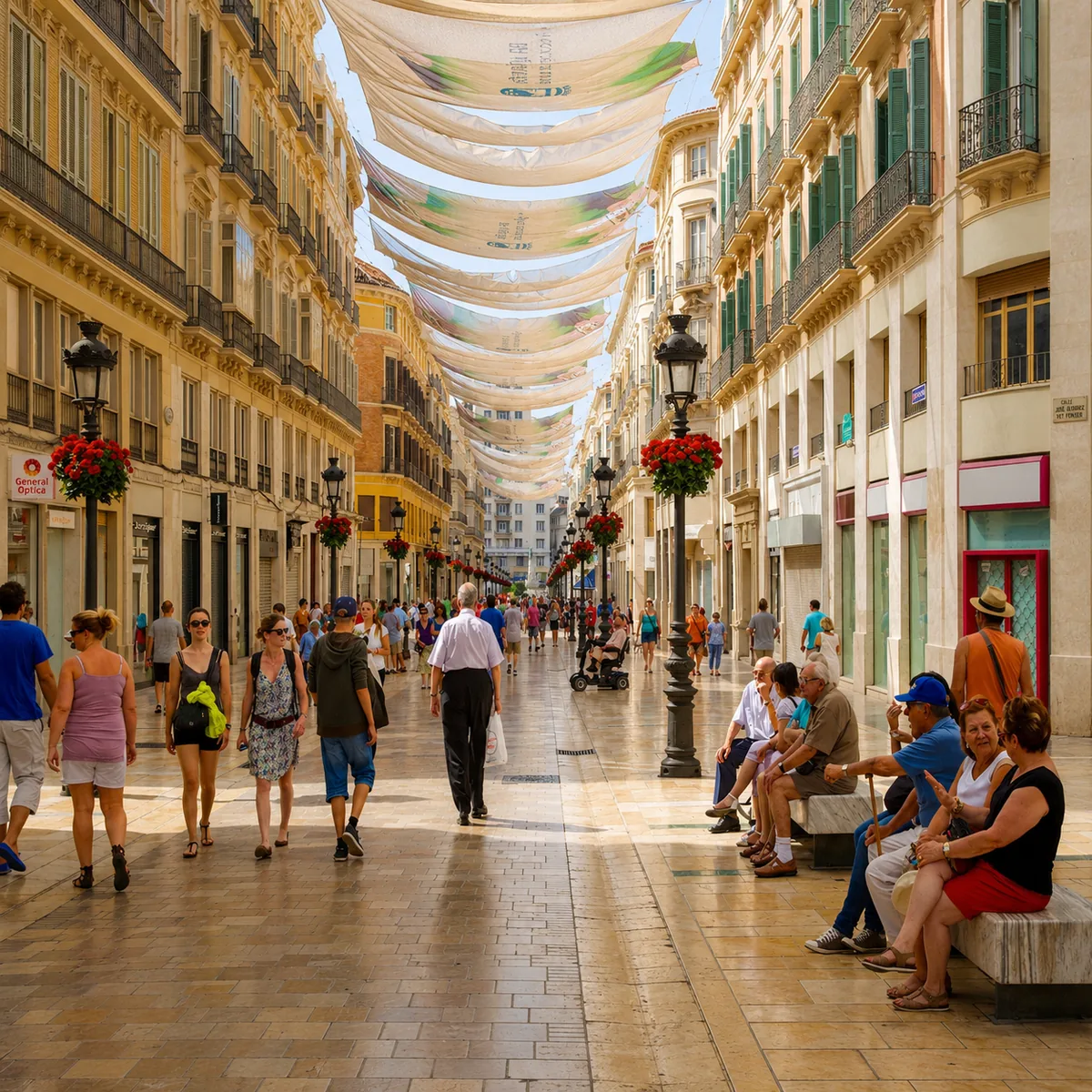
The best thing about Málaga is that it is easy. It is easy to get to, easy to walk around, easy to eat well in and easy to enjoy without overcomplicating things. The historic centre brings together, within a short distance, the Cathedral, the Alcazaba, the Roman Theatre, shopping streets, old taverns, terraces and museums. The Picasso Museum Málaga is right in the centre, close to the Cathedral, the Alcazaba and the Roman Theatre, which makes it possible to plan a cultural visit without major journeys.
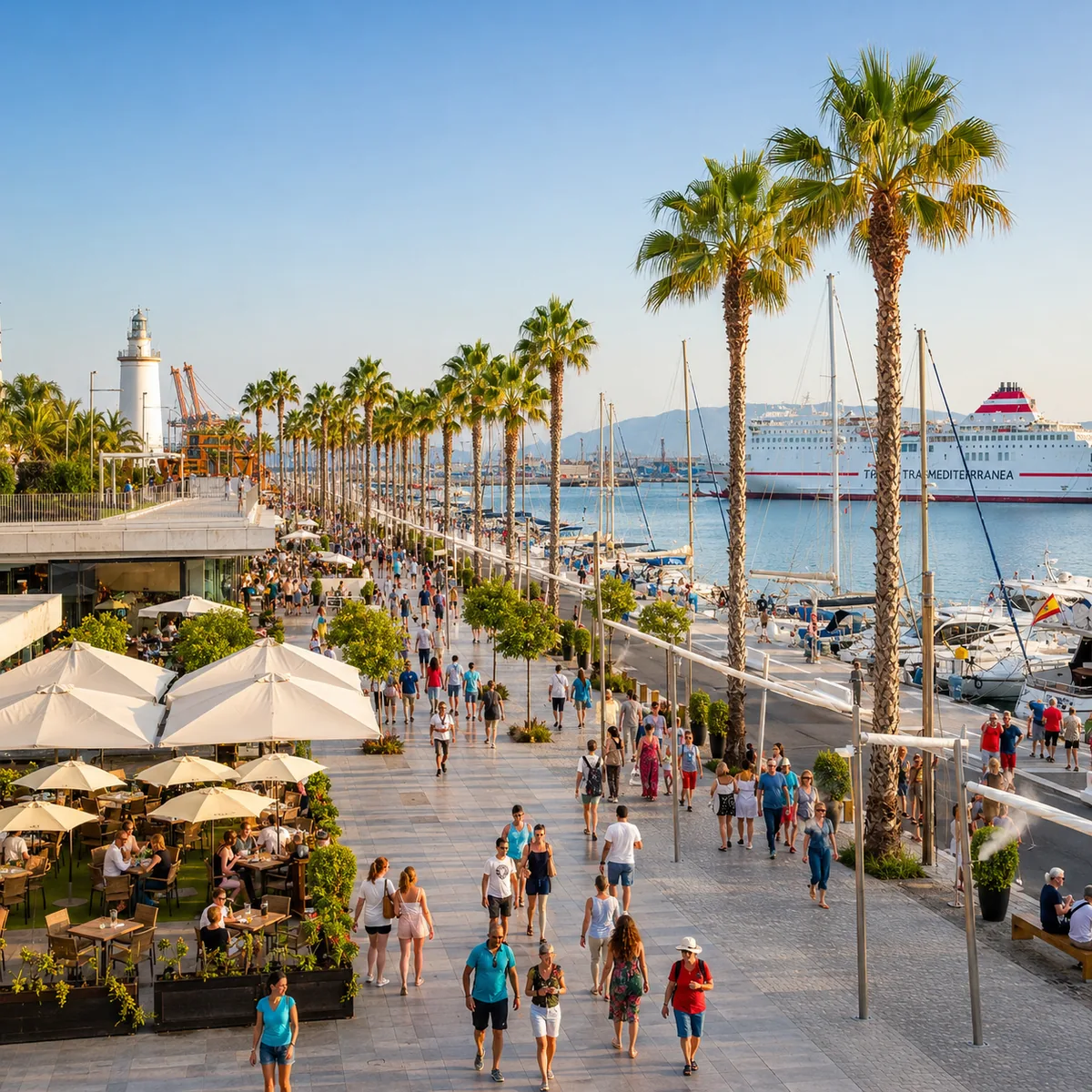
It also has something many coastal cities lose: a life of its own. Málaga does not exist only for tourists. In the markets, in neighbourhood bars, on the walks towards Pedregalejo or El Palo, a more everyday city appears, with the smell of grilled fish, long conversations and afternoons that stretch out beside the sea.
What might disappoint you about Málaga
Málaga is not the best destination if you are looking for wild beaches, secluded coves or absolute silence. Its urban beaches are pleasant and practical, but they do not have the spectacular feel of other, more natural corners of Andalusia. La Malagueta, for example, is convenient because it is close to the centre, although in high season it can feel crowded, hot and too urban.
It is also worth knowing that the Málaga historic centre has become very touristy. In the most central areas, there are plenty of terraces aimed at visitors, tourist apartments and higher prices. The city still has character, but you need to move a little away from the most obvious streets to find a Málaga that feels less dressed up for the camera.
Who Málaga is worth it for
Málaga is very much worth it for travellers who want to combine culture, gastronomy, beach and good weather without relying too much on a car. It is ideal for a two- or three-day getaway, for couples looking for a friendly, walkable city, for those who enjoy museums and for travellers who want to use the city as a base for exploring the Costa del Sol or some of the inland villages.
It also works well for a first visit to Andalusia if you are looking for something more relaxed than Seville or Granada. Málaga has history, but it does not overwhelm you; it has beaches, but it does not force you to spend the whole day on them; it has atmosphere, but still allows you to find quiet moments if you choose the right area and time of day.
Who Málaga may be less worthwhile for
Málaga may not be the best choice if you dream of an intense, monumental Andalusia, because Granada, Córdoba and Seville offer a much stronger historical weight. Nor is it the best option for those seeking pure nature or a remote beach experience. In that case, it may be better to stay outside the capital or combine Málaga with Nerja, the Axarquía, the Caminito del Rey or the province’s white villages.
If you travel in the middle of August and do not cope well with heat, crowds and high prices, Málaga can feel more demanding. Summer has energy, long nights and a festive atmosphere, but also crowded beaches, busier restaurants and heat that can shape the rhythm of your trip.
How much time to spend in Málaga
To get to know Málaga without rushing, two full days are enough for the historic centre, the Alcazaba, a museum or two, the port, the beach and a meal by the sea. With three days, the experience improves: you can walk towards Pedregalejo, visit more museums, take your time going up to Gibralfaro or do a nearby excursion.
For a week, Málaga works better as a base than as the only destination. The city is enjoyable, but the trip becomes much richer if you combine it with Ronda, Antequera, Nerja, Frigiliana, the Caminito del Rey or some inland villages.
Is Málaga expensive?
Málaga is no longer the cheap city many people remember. In the most touristy areas, eating out, sleeping and going out can be expensive, especially in high season, during Easter Week, the fair, long weekends and weekends in general. Even so, it is still possible to keep the budget under control if you choose accommodation outside the historic centre, eat in less obvious neighbourhoods and avoid improvising in the most photogenic places.
The smartest thing is to book in advance if you are travelling on popular dates and not assume that “because it’s Andalusia” everything will be cheap. Málaga has become a highly desirable city, and it shows.
Do you need a car to visit Málaga?
To visit the city of Málaga, you do not need a car. In fact, it can be a nuisance if you are staying in the centre. The historic centre is easy to explore on foot, and the airport is connected to the city by the C1 Cercanías train line, which stops at stations such as Aeropuerto, María Zambrano and Málaga Centro Alameda.
A car can be useful if you want to explore villages, less urban beaches or inland areas. For a getaway focused only on the city, it is better to walk, use public transport and reserve the car only for specific excursions.
The best length of stay depending on the type of traveller
A short weekend break is enough to feel the pulse of Málaga: the centre, the Alcazaba, the port, the beach and a fish dinner. Three days allow for a more elegant, less rushed visit. Five or seven days are worth it if the plan includes the province, nature or nearby villages.
Those looking only for a beach holiday may prefer to stay in another part of the Costa del Sol. Those looking for a bright, cultural city with the sea just a few steps away will probably find Málaga a very rewarding choice.
Honest verdict
Yes, Málaga is worth visiting, but not because it is a perfect city or because it has the most beautiful beach in the Mediterranean. It is worth it for its balance: history without excessive solemnity, sea without isolation, popular gastronomy, museums, light, local life and an ease of travel that you appreciate from the very first day.
The key is not to ask it to be something it is not. Málaga is not a secret cove or a monumental city on Granada’s level. It is an open, warm, comfortable and increasingly sophisticated city, although also busier and more expensive than before. If you travel with that mindset, without false expectations, Málaga is very likely to leave you with a luminous memory: the murmur of the port, the smell of grilled sardines, the golden stone of the Alcazaba and that very Malagueño way of making the afternoon seem to last a little longer.
