 Activity on TourBookGo
Mallorca quad tour from Palma
Guided quad tour from Palma through quiet roads, forest areas, Randa mountain scenery and optional summer snorkeling.
Getting around Mallorca depends a lot on the kind of trip you have in mind. The island may look small on the map, but it can be deceptive: between a hidden cove, a village in the Serra de Tramuntana and a beach in the southeast, you may find slow roads, bends, summer traffic and difficult parking.
It is not a complicated destination, but it is worth planning well so you can combine Palma on foot, Mallorca public transport, occasional taxis and, when it makes sense, renting a car in Mallorca.
Compare locations and options to find a base that suits your trip. Booking.com confirms current availability and pricing.
Find accommodation on BookingIt depends. If you are staying in Palma, taking the occasional day trip and moving around well-connected areas, you do not need a car every day. Palma is very easy to explore on foot, has urban buses, and from the city you can reach places such as Sóller, Inca, Manacor, some beaches and several tourist resorts by public transport.
That said, if you want to discover coves, mountain villages, viewpoints, lighthouses or less touristy areas, a car can completely change the trip. Mallorca has beautiful corners that do not always fit neatly into bus timetables: Cala Deià, Sa Calobra, Cap de Formentor, some coves in the southeast, the Serra de Tramuntana and certain inland villages are much better enjoyed with freedom.
A car is especially worthwhile if you want to do a route around the island, stay outside Palma or combine beaches, villages and nature. It is less useful if your plan is simply to relax in a beach area and not move around much.
Yes, and it has improved quite a lot. Mallorca has intercity buses, trains and a metro service. Public transport connects Palma with many important areas of the island, although it does not always reach the most isolated coves conveniently.
TIB intercity buses connect Palma with towns and tourist areas. There are also trains to places such as Inca, Sa Pobla and Manacor, as well as the famous Sóller train, which is more of a tourist experience than a practical way to get around on a daily basis.
In 2026, journeys on the TIB bus, train and metro network are free with the Intermodal Card or Tarjeta Única. This free travel may also apply to Palma EMT journeys with those cards. Even so, occasional visitors should always check the payment conditions before travelling, as fares and systems may vary depending on the type of card and route.
Palma Airport is very close to the city, so getting to your accommodation is usually straightforward.
If you are staying in Palma, the most practical option is usually the A1 urban bus, which connects the airport with the city centre. If you are heading towards S’Arenal or Playa de Palma, the A2 line is usually a convenient option.
If you are going to other tourist areas of Mallorca, there are also connections from the airport to several holiday resorts across the island, in addition to Palma’s urban bus lines.
A taxi is convenient if you arrive late, are travelling with children, have a lot of luggage or your hotel is poorly connected. There is an official taxi rank at the airport.
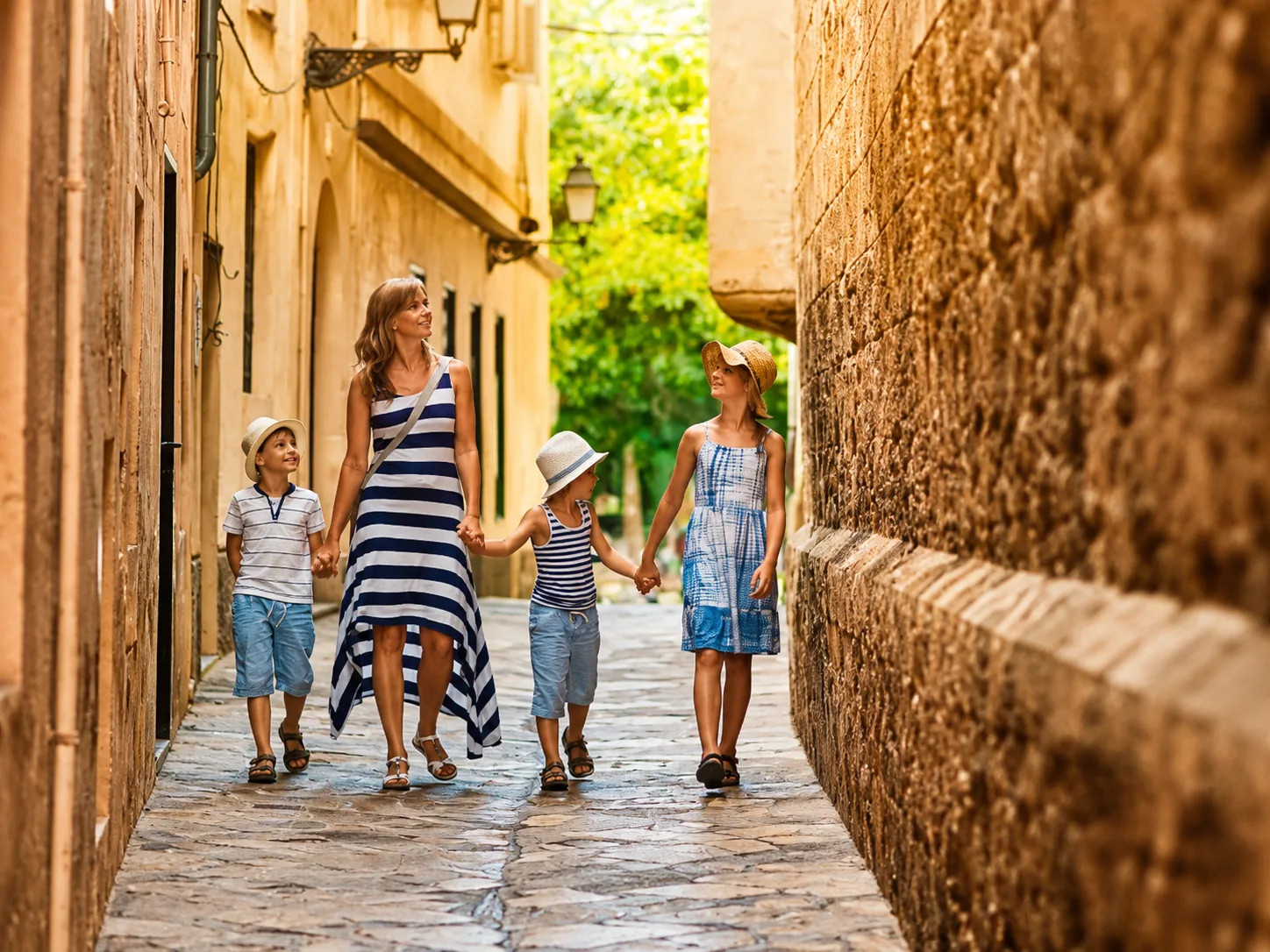
In Palma, yes. In fact, it is the best way to enjoy the city. The old town, the Cathedral, Parc de la Mar, La Lonja, Santa Catalina and many shopping areas are much better explored on foot than by car. Palma has Mediterranean light, hidden courtyards, stone alleyways, terraces and façades that are best discovered slowly.
In beach areas, you can also walk quite a lot if you choose your accommodation well. Playa de Palma, Port de Pollença, Alcúdia, Cala Millor, Port de Sóller and Santa Ponça allow you to move around on foot within the resort itself.
What you cannot comfortably do is explore the whole island on foot. Mallorca requires a car, bus, train or organised excursions to move from one area to another.
In Palma, not really. Parking in the centre can be expensive, slow and frustrating, especially in high season. If you are staying in Palma with a car, it is important to choose a hotel with parking or stay in an area where parking is not a nightmare.
In villages and coves, parking depends a lot on the time of year. In winter or spring, it is usually manageable. In July and August, some famous beaches fill up early and you can waste a lot of time driving around. It is one of the classic traveller mistakes: leaving late for a well-known cove and expecting to park next to the water.
In areas such as Formentor, Sa Calobra or some small coves, it is worth checking restrictions, schedules and transport options before you go, as in high season there may be access limits or heavy traffic pressure.
Taxis in Mallorca are useful, but you should not rely on them for the whole trip if you want to explore the island. For short airport transfers, nights out or occasional journeys, they work well. For long routes between coves, villages and viewpoints, they can become expensive.
If you plan to move around a lot, it usually makes more sense to rent a car for a few days. If you only need to get from the airport to your hotel and take one organised excursion, taxis may be enough as a backup.
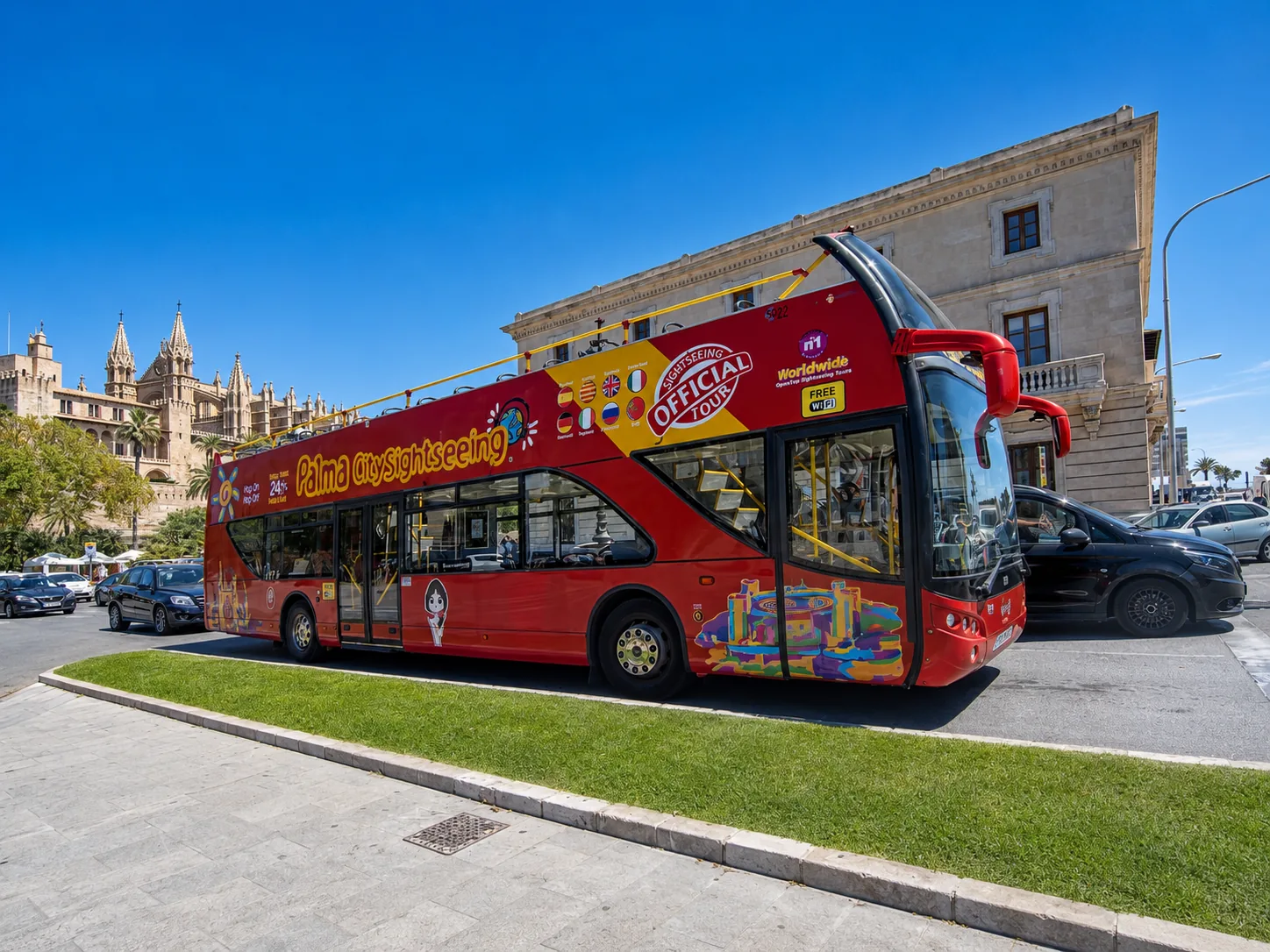
The Serra de Tramuntana seems close, but its roads are slow. Valldemossa, Deià, Sóller, Fornalutx, Sa Calobra and Pollença are not measured only in kilometres: they are measured in bends, viewpoints and traffic. They are beautiful places, but it is best not to squeeze too many into the same day.
The east of the island, with areas such as Cala d’Or, Porto Cristo, Cala Millor and Cala Ratjada, is also far from Palma if you plan to go back and forth constantly. If your trip focuses on those beaches, it may make sense to stay there for at least part of your holiday.
The north, with Alcúdia, Port de Pollença, Cap de Formentor and the Formentor peninsula, deserves time of its own. Trying to see it all from Palma in a single day is possible, but it can feel rushed.
From the airport to Palma, it is a short journey, usually around 15 or 20 minutes by car if there is not much traffic. To Playa de Palma or S’Arenal, it is even less.
From Palma to Sóller by car, allow around 35 to 45 minutes. To Valldemossa, around 25 to 35 minutes. To Alcúdia, about 45 minutes or a little more. To Cala d’Or, around one hour. To Cala Ratjada, just over an hour. To Sa Calobra, although it may not look that far, the journey can take more than an hour and a half because of the mountain road.
These times can vary a lot in summer. A simple journey may take longer because of traffic, roadworks, the search for parking or congested access roads.
If it is your first time in Mallorca and you want to see a bit of everything, the best option is usually to combine different forms of transport. You can spend a few days in Palma without a car, enjoying the city on foot and using public transport, then rent a car for two or three days to explore coves, villages and mountains.
If you are travelling as a couple and looking for beautiful coves, sunsets and charming villages, a car is highly recommended. It lets you leave early, improvise and escape overly crowded areas.
If you are travelling with children, a car provides comfort, but it also requires patience with parking. In that case, staying near an easy beach may be better than changing coves every day.
If you are travelling alone and want to save money, public transport can work well if you are happy to follow timetables and focus on connected areas.
If you are looking for nightlife or parties, you may not need a car every day. It is better to stay in a lively area and use taxis or buses for occasional trips, avoiding driving at night.
The first mistake is renting a car for the whole stay if you are sleeping right in the centre of Palma. It can end up being more of a burden than an advantage.
The second is trusting the distances on the map too much. Mallorca is not huge, but some roads are slow and everything takes longer in summer.
The third is leaving late for famous coves. In high season, the difference between arriving early and arriving at midday can mean finding a beautiful spot or spending the morning looking for parking.
The fourth is trying to see everything in just a few days. Mallorca is best enjoyed by areas: one day Tramuntana, another the north, another the southeast, another Palma. Constantly jumping from one end of the island to the other is tiring and takes away from the charm.
The best way to get around Mallorca is not to choose only a car or only public transport, but to adapt your transport to the trip. Palma calls for walking. Hidden coves call for a car. Some specific excursions can be done by bus, train or organised tour. And taxis are useful as an occasional solution, not as the basis for exploring the island.
Mallorca rewards travellers who do not rush. The island has roads that pass through olive groves, golden-stone villages, bends scented with pine, beaches that appear at the end of a narrow track and mountains that fall into the sea. Getting around well does not mean seeing everything, but choosing a route that makes sense and leaving space for the island to breathe.
Book a car for your Mallorca routes, coves and villages.
Compare rental carsComplete this transport guide with experiences in Mallorca that fit easily into your journeys and routes around the city.
Activity on TourBookGoGuided quad tour from Palma through quiet roads, forest areas, Randa mountain scenery and optional summer snorkeling.
 Activity on TourBookGo
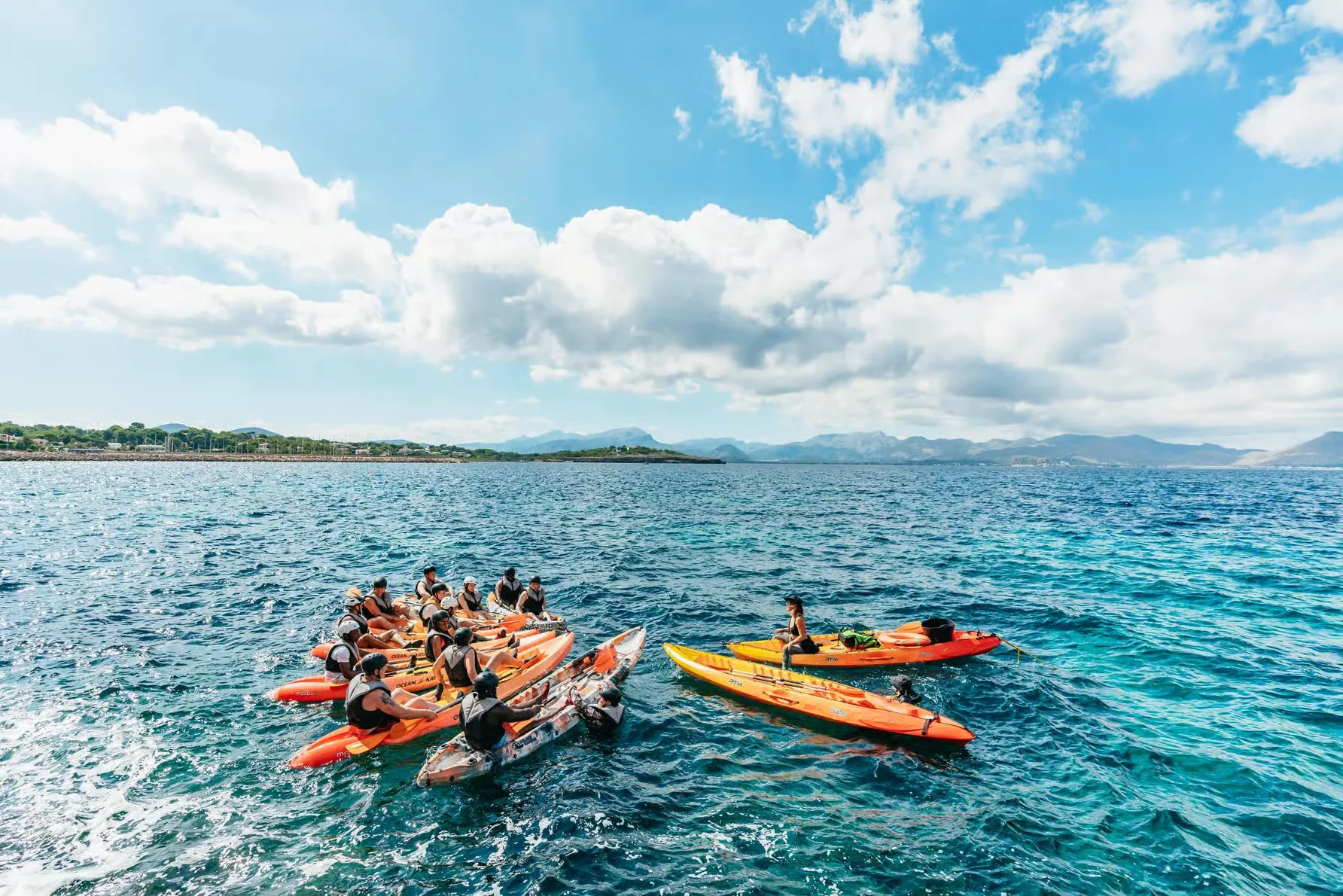
Water adventure in northern Mallorca with kayaking, sea cave, snorkeling, optional cliff jump, picnic and GoPro photos.
 Activity on TourBookGo
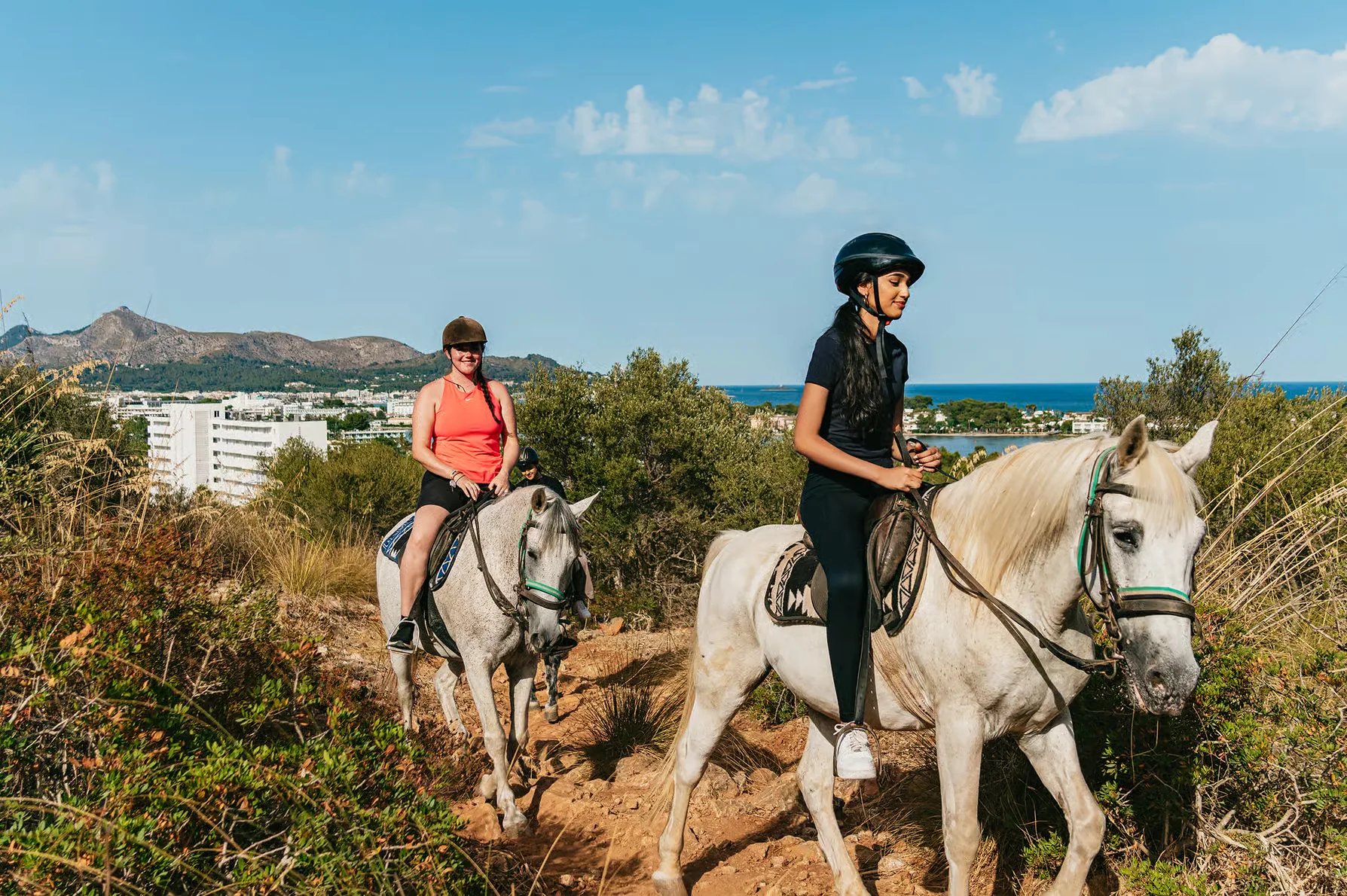
Guided horse riding from Ranxo Ses Roques, beginner-friendly, with 1 or 2-hour options and food depending on the package.