 Activity on TourBookGo
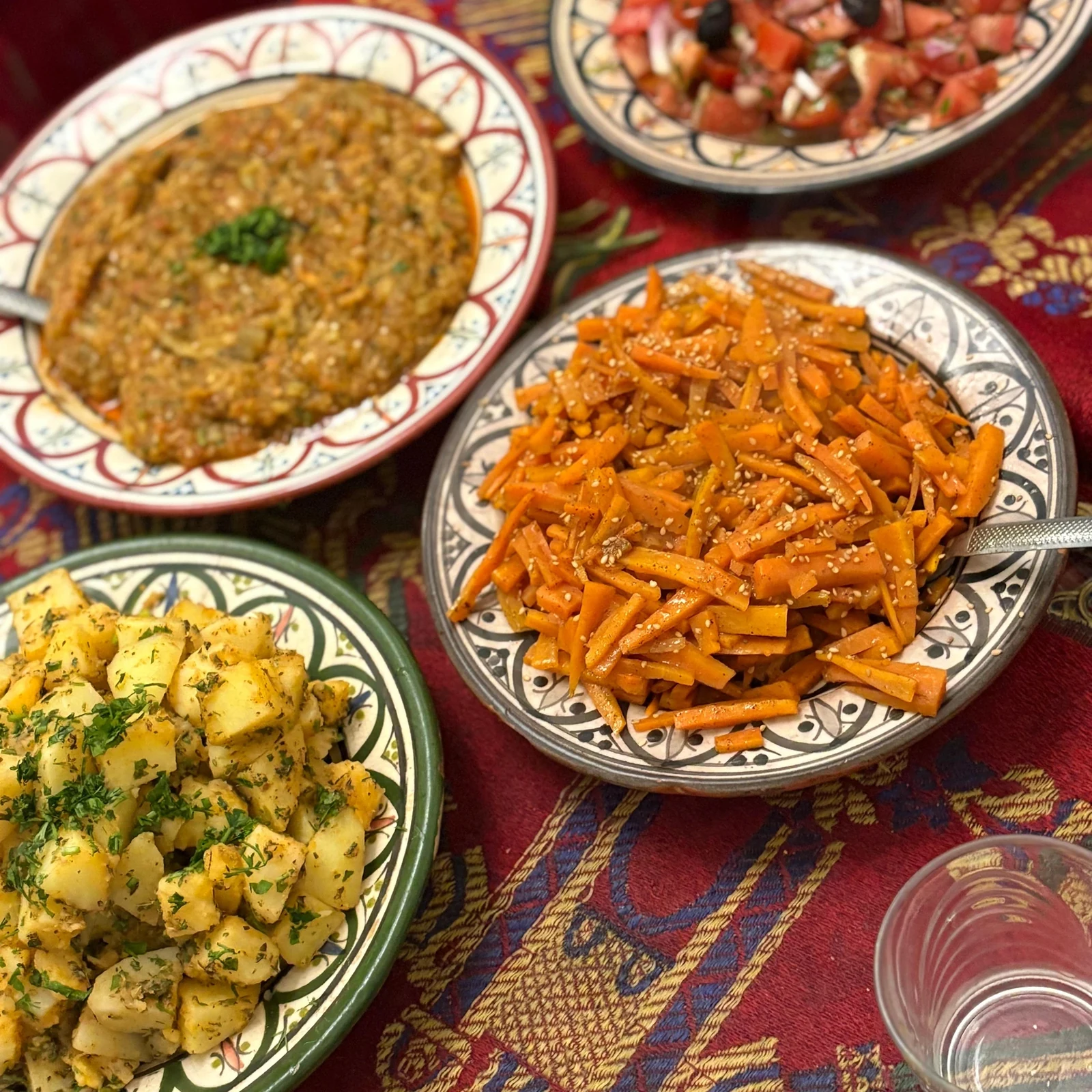
Moroccan cooking class in Marrakech with a local market visit
Book a Moroccan cooking class in Marrakech with a local market visit, Khmisa Workshops chefs, food included, and recipes sent by email.
Visiting Marrakech is worth it, but not for everyone and not at any time of year. It is an intense, beautiful, contradictory city that can seduce and exhaust in the same day.
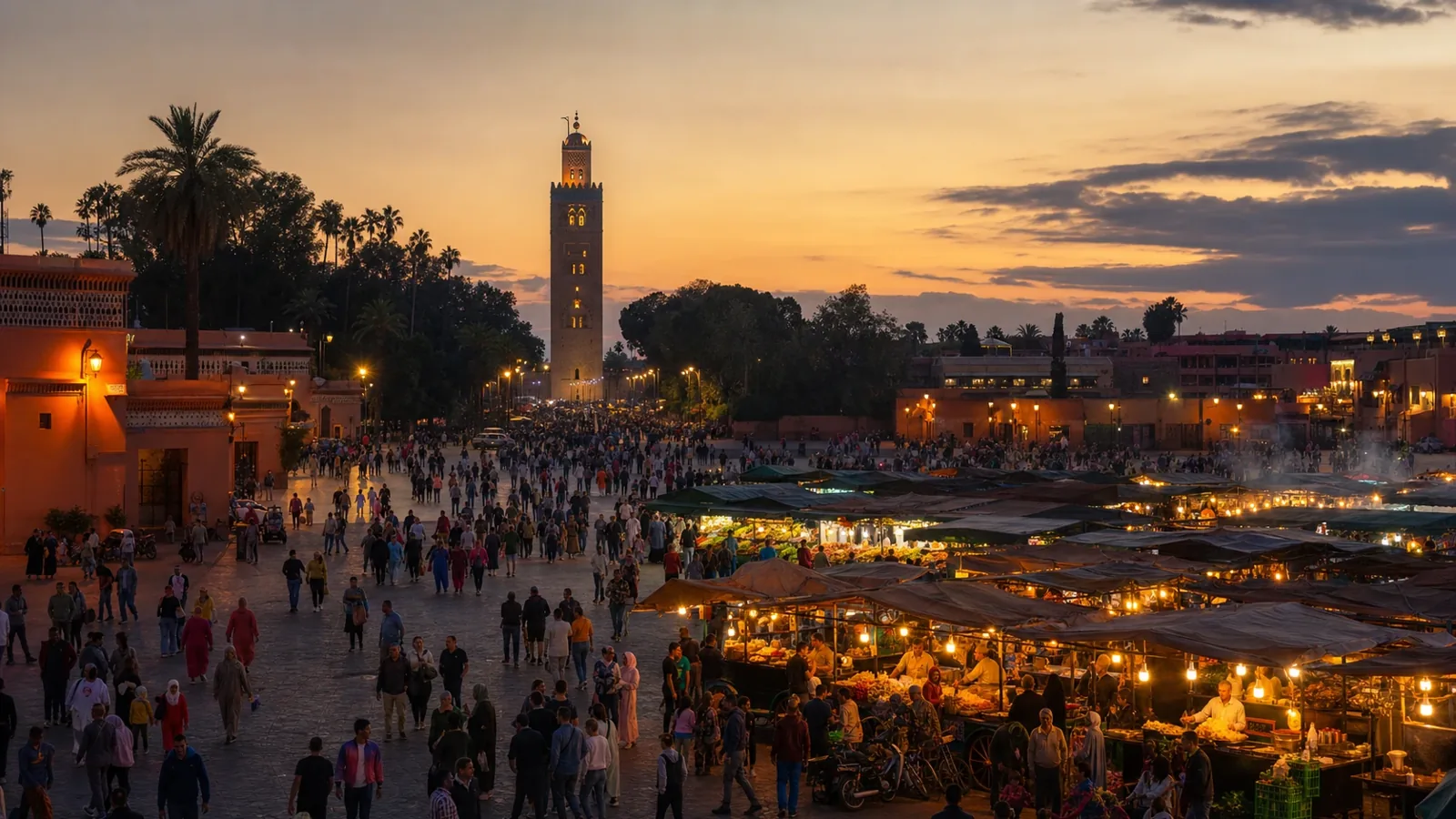
Visiting Marrakech is worth it if you want an intense, visual and genuinely different cultural escape, but it helps to arrive with realistic expectations. The city blends dimly lit courtyards, tiles that shimmer like water, the scent of spices, motorbikes cutting through narrow alleyways, calls to prayer, bargaining, quiet gardens and squares where sunset seems to set the earth alight. The Marrakech medina is part of the UNESCO World Heritage List, with historic monuments such as the Koutoubia Mosque, the ramparts, monumental gates and gardens that explain its cultural importance in the western Islamic world. Jemaa el-Fna, moreover, is recognised by UNESCO as a cultural space of intangible heritage: more than a square, it is a living stage of voices, food, music, trade and spectacle. But Marrakech can also be exhausting. There is noise, heat, commercial pressure, traffic in pedestrian areas and a constant sense of stimulation. Anyone who idealises it as a frictionless exotic backdrop may leave disappointed. Anyone who arrives with curiosity, patience and a sense of humour will probably remember it for years.
Compare locations and options to find a base that suits your trip. Booking.com confirms current availability and pricing.
Find accommodation on BookingThe best of Marrakech is not found only in a list of monuments. It lies in the contrast. In the morning, the city can be golden dust on pink walls; at midday, a cool shadow in the courtyard of a riad; at dusk, grill smoke, orange juice, drums, bicycles, disoriented tourists and local families crossing Jemaa el-Fna.
It also has a highly recognisable architectural beauty: inner courtyards, carved wood, plasterwork, fountains, zellige tiles, heavy doors and terraces from which the city looks like an ochre carpet stretching towards the Atlas Mountains. The image of the ochre city makes sense in the Marrakech medina, its historic palaces, Jemaa el-Fna square and the Majorelle Garden.
Marrakech is especially worthwhile if you are drawn to architecture, markets, photography, craftsmanship, charming riads, Moroccan cuisine and the kind of city that cannot be fully understood in the first hour.
Marrakech usually works very well for travellers looking for an intense cultural escape, couples who want to stay in a beautiful riad, food lovers, photographers, curious travellers and people who enjoy walking without too rigid a plan.
It is also a good gateway to Morocco. From the city, you can combine very different experiences: the medina, gardens, a hammam, excursions to the Atlas Mountains, the Agafay Desert or Berber villages. There is no need to turn the trip into a race; in fact, Marrakech is best enjoyed when it is allowed to breathe.
It is not the ideal city for anyone seeking total rest, constant silence or a comfortable and predictable experience. The medina can feel labyrinthine, vendors can be persistent and some travellers feel worn down by the continuous attention.
Nor is it the easiest destination for people with reduced mobility: many streets are uneven, there are steps, motorbikes, carts and narrow stretches. With young children it can be fascinating, but also demanding, especially because of the heat, crowds and informal traffic inside the medina.
If your idea of travel is to switch off without negotiating anything, without finding your way around, without hearing noise and without improvising, Marrakech may feel more like a test than a pleasure.
For a first visit, two or three full days are enough to capture the essence without becoming overwhelmed: the medina, Jemaa el-Fna, a palace or two, gardens, a good hammam, sunset terraces and time to get pleasantly lost.
With four or five days, the experience improves if you add an excursion outside the city. The Atlas Mountains or Agafay help you understand that Marrakech is not only its medina; it is also a gateway to dry landscapes, mountains, villages and quieter horizons.
A full week in Marrakech alone can feel long if you do not alternate between neighbourhoods, breaks and trips out. The city rewards slowness, but punishes overexposure.
Marrakech can be cheap, moderate or very expensive, depending on how you travel. There is simple food, budget accommodation and affordable things to do, but also luxury riads, highly designed restaurants, photogenic rooftops and experiences aimed at high-spending tourism.
The common mistake is to assume everything will be cheap because you are in Morocco. In the most touristy areas, prices can rise considerably, and bargaining is part of the experience. It is worth comparing, asking before you consume, agreeing prices when necessary and not buying from the first stall simply out of excitement.
Marrakech is worth it if you understand the value of paying for beauty, hospitality and location, but not if you expect everything to be a bargain.
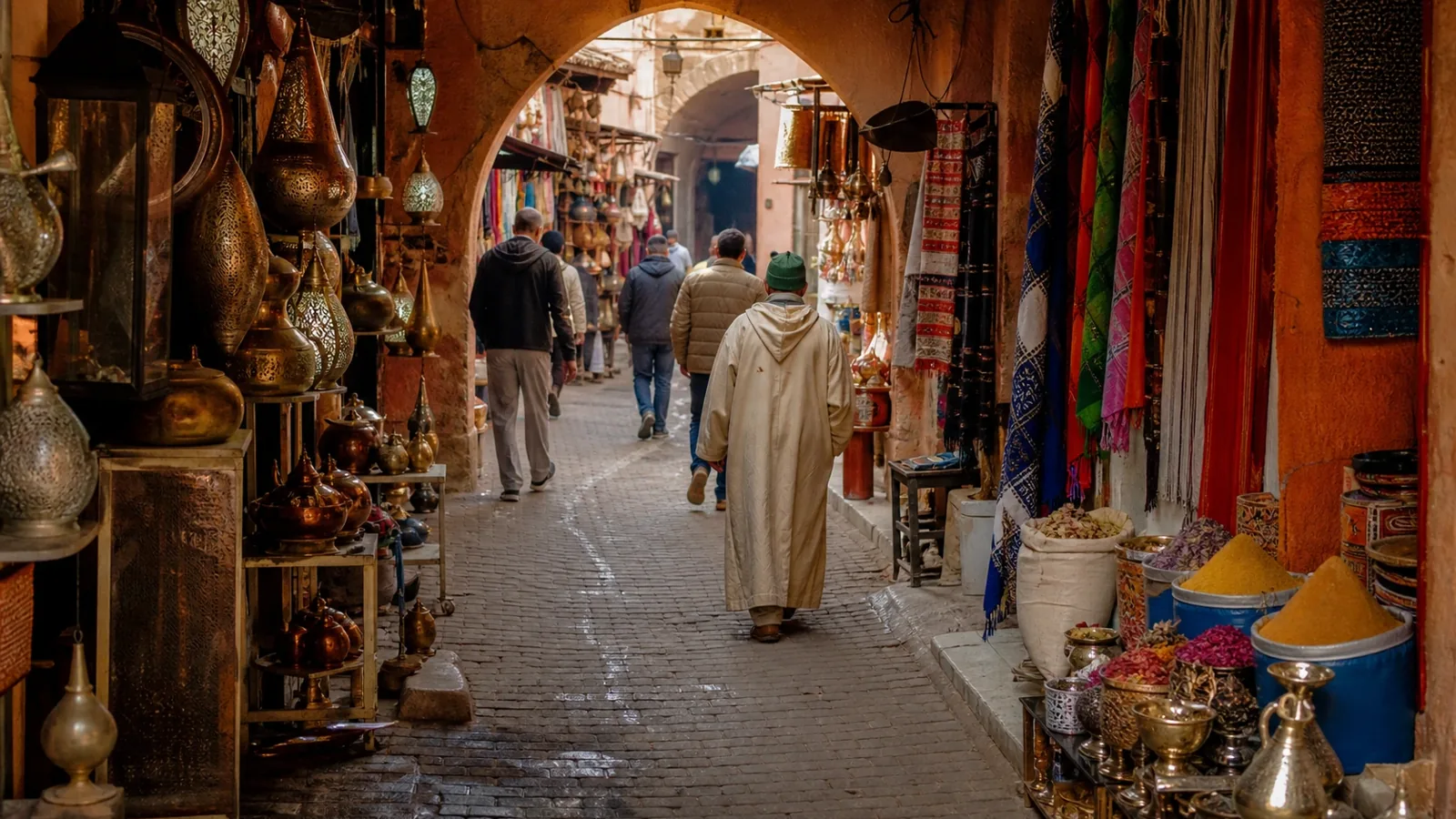
Spring and autumn are usually the most pleasant seasons for walking, sitting on terraces and visiting the medina without suffering too much from the heat. Summer can be very tough: Marrakech is an inland city, dry, bright and hot, with summer temperatures that can make exploring for hours uncomfortable. In winter, the days can be pleasant, but the nights and early mornings may feel cold, especially in traditional accommodation.
The heat does not ruin Marrakech, but it transforms it. In July and August, it is best experienced early in the morning and at sunset, with long pauses at midday. Anyone travelling in high season should also accept more visitors, higher demand and less spontaneity when it comes to the most sought-after accommodation.
The feeling of being in a very touristy city in certain areas may disappoint. Part of the medina lives intensely from visitors, and it shows: adapted menus, repetitive shops, persistent offers, almost staged routes and a certain theatricalisation of tradition.
The use of animals in shows or photographs in the square may also feel uncomfortable. Not all travellers are at ease with these practices, and it is entirely legitimate to avoid them.
In general terms, safety should not be approached with paranoia, but with awareness. In tourist areas and historic districts, it is wise to watch bags, phones and valuables, avoid isolated streets at night and move with the same common sense you would use in any very visited destination.
The first mistake is trying to see everything too quickly. Marrakech becomes kinder when you alternate the intensity of the street with courtyards, gardens, quiet cafés and pauses.
The second is following strangers who promise to take you “the right way” or to a “special” shop. Sometimes it is simply hospitality; at other times, it is a commission. It is better to get your bearings calmly, use maps, ask at your accommodation and hire official guides if you want a deeper explanation.
The third is photographing people without permission. Marrakech is visually powerful, but it is not a stage set. Asking permission, accepting a no and understanding that some photos involve a tip helps avoid misunderstandings.
The fourth is staying far from what you really want to visit. Sleeping inside the medina has charm, but it can be difficult with luggage and taxis. Staying in Gueliz or more modern areas can be more comfortable, though less atmospheric. The best option depends on the type of traveller, not on a universal rule.
Marrakech is worth visiting if you are looking for a city with character, imperfect beauty and an energy that cannot be tamed. It is not a gentle place. It is not always comfortable. At times it seduces, and at times it exhausts. But few cities so close to Europe offer such an immediate sense of change: a different light, different rhythms, different aromas, a different relationship between the street and daily life.
Do not go expecting constant calm or untouched authenticity. Go expecting a real city, touristy and ancient at the same time, luminous and dusty, elegant and chaotic. Marrakech does not need to please everyone in order to be memorable. That is precisely where its strength lies.
Discover what makes Marrakech special through selected experiences that reveal its culture, history and local life.
Activity on TourBookGoBook a Moroccan cooking class in Marrakech with a local market visit, Khmisa Workshops chefs, food included, and recipes sent by email.
 Activity on TourBookGo
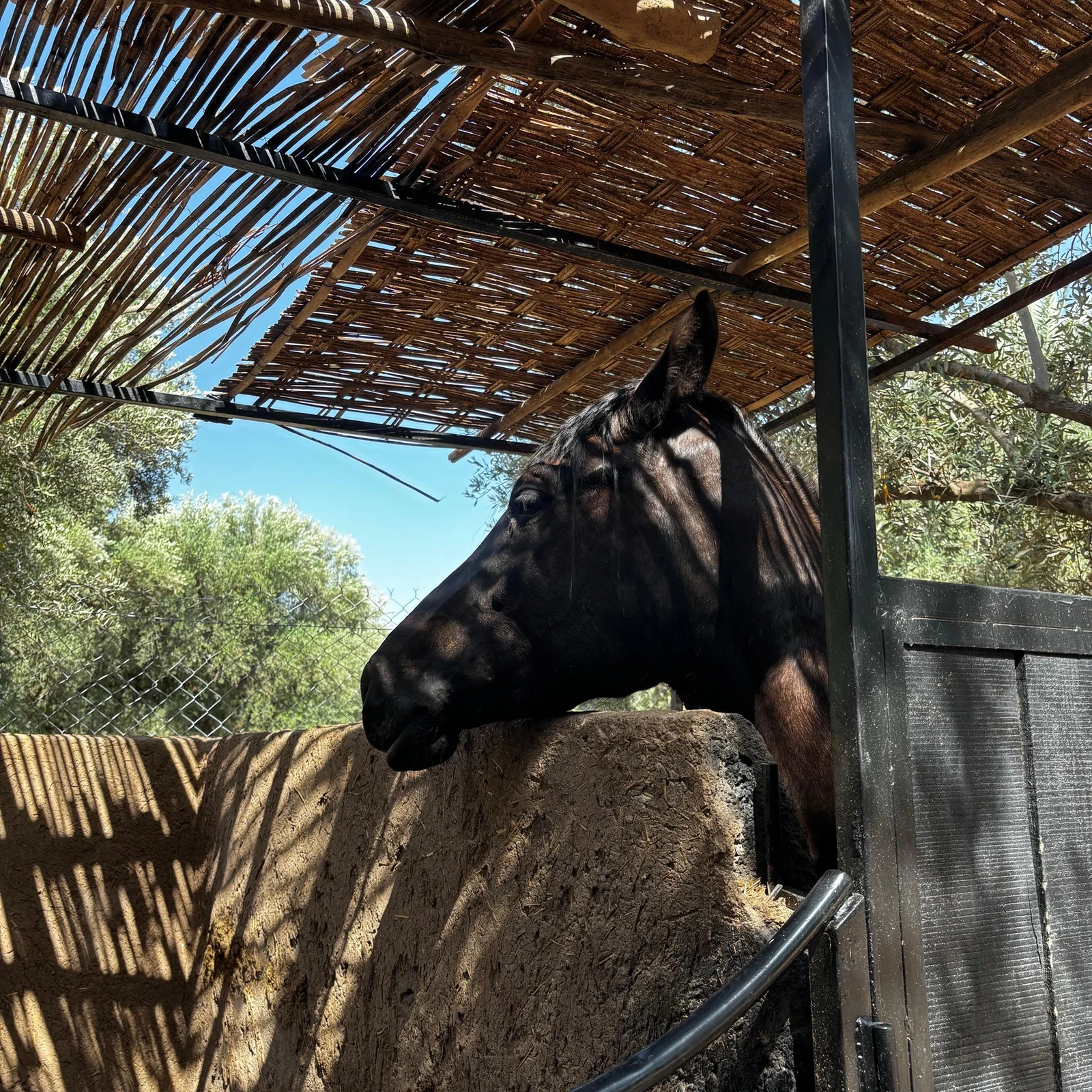
Book a horseback ride Palmeraie Marrakech with a private guide, hotel transfers and a mint tea break. 3-hour horse riding activity from €28.
 Activity on TourBookGo
Book an Agafay Desert trip from Marrakech with pickup, quad biking, camel ride, Moroccan dinner and a sunset fire show under the stars.