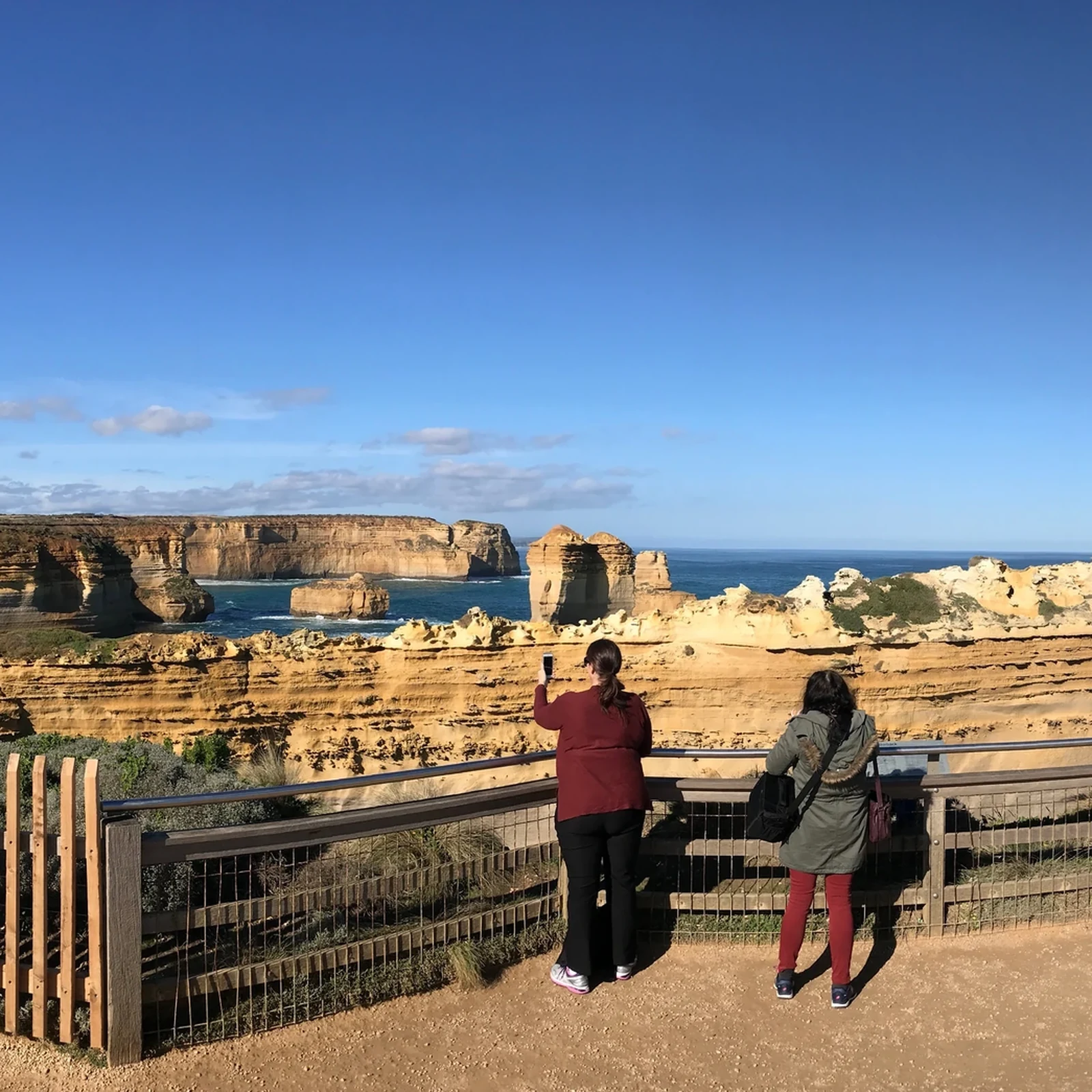
 Activity on TourBookGo
Great Ocean Road Boutique Reverse Tour from Melbourne
Full-day Great Ocean Road tour from Melbourne for up to 11 travellers, with Twelve Apostles, rainforest, wildlife opportunities and a multilingual audio guide.
One of the biggest mistakes to avoid in Melbourne is expecting a single landmark to define the city. Melbourne wins you over gradually: in a café tucked between buildings, on a tram rolling past Victorian streets, among market stalls or in a neighbourhood whose character changes before the skyline does.

Knowing the main mistakes to avoid in Melbourne can make a real difference to your trip. Understanding Melbourne public transport, the Free Tram Zone, its changeable weather and when you actually need a rental car will help you explore the city with fewer surprises and more time to enjoy it.
Compare locations and options to find a base that suits your trip. Booking.com confirms current availability and pricing.
Find accommodation on BookingThe CBD is a good place to start. Flinders Street, Federation Square, the arcades, Chinatown, Queen Victoria Market and the maze of laneways can easily fill many hours of walking. But staying exclusively in the centre is one of the mistakes to avoid in Melbourne if you want a fuller sense of the city.
Some of Melbourne's personality emerges once you travel a few tram stops farther out: Fitzroy and Collingwood have a more creative energy; Carlton retains a strong Italian heritage; South Yarra and Prahran reveal another side of urban life; and St Kilda takes the city all the way to Port Phillip Bay.
Melbourne works best when you alternate between its central streets and its neighbourhoods. Travellers who spend their entire trip chasing attractions risk leaving wondering why so many people speak so enthusiastically about a city that, seen that way, can appear less spectacular than some of Australia's other major metropolises.
Misunderstanding the Free Tram Zone is one of the most common practical mistakes when visiting Melbourne.
Melbourne has a Free Tram Zone covering much of the city centre and Docklands. As long as your entire journey remains within that zone, you do not need to use myki. But free travel ends at clearly defined boundaries: if your journey starts or finishes outside them, you need to use the appropriate ticketing system.
The problem arises when travellers see trams everywhere and assume they are free throughout Melbourne.
It is worth checking the map before boarding, especially when travelling to outer neighbourhoods. Saving thirty seconds by not checking can lead to a much less pleasant situation if you travel without a valid fare.
And you do not need to take a tram for every journey. Central Melbourne is very walkable, and exploring it on foot is precisely how you discover what faster journeys hide: courtyards, shopping arcades, historic façades and laneways that were never part of the plan.
A car can be extremely useful for exploring certain parts of Victoria. For discovering central Melbourne, however, it often creates more hassle than freedom.
The city has an extensive network of trams, trains and buses, making Melbourne public transport a convenient option for most city-centre journeys.
There is also one particular feature that can be especially confusing for first-time drivers: hook turns. At certain signposted intersections, particularly where trams operate, right turns are made from the left lane so that vehicles do not block the tracks. This is not a tourist curiosity but an actual road rule.
If you have never driven on the left and are only spending a few days in Melbourne, picking up your rental car after your city stay is usually a far more relaxed option.
In many major cities, you land, look for the railway symbol and continue straight into the centre. When travelling to Melbourne, it is best not to assume that will be the case.
As of 2026, Melbourne Airport lists express buses, taxis, rental cars and rideshare services among its connections to the CBD; rail access remains a project under development.
It is not a major problem if you know in advance. It can be confusing after a long flight when you discover that the transfer you had imagined does not yet exist.
Planning how you will reach your accommodation before landing means you will not begin your time in Melbourne searching for alternatives while hauling your luggage around.
Few jokes about Melbourne are repeated as often as those about its changeable weather, but there is a useful travel tip behind the cliché.
Summers can bring spells of hot weather; June and July are the coldest months, and conditions vary considerably throughout the year. Official tourism information recommends taking that variability into account when planning a visit.
The solution is not to pack for four seasons, but to dress in layers.
A light jacket, something waterproof and sun protection can be more useful than blindly trusting the temperature forecast when you wake up. And in winter, Melbourne can feel considerably colder than some travellers expect from Australia.
It is also worth abandoning the idea that the entire country exists in permanent summer. Melbourne has distinct seasons, and each one changes the atmosphere of its parks, outdoor terraces, beaches and day trips.
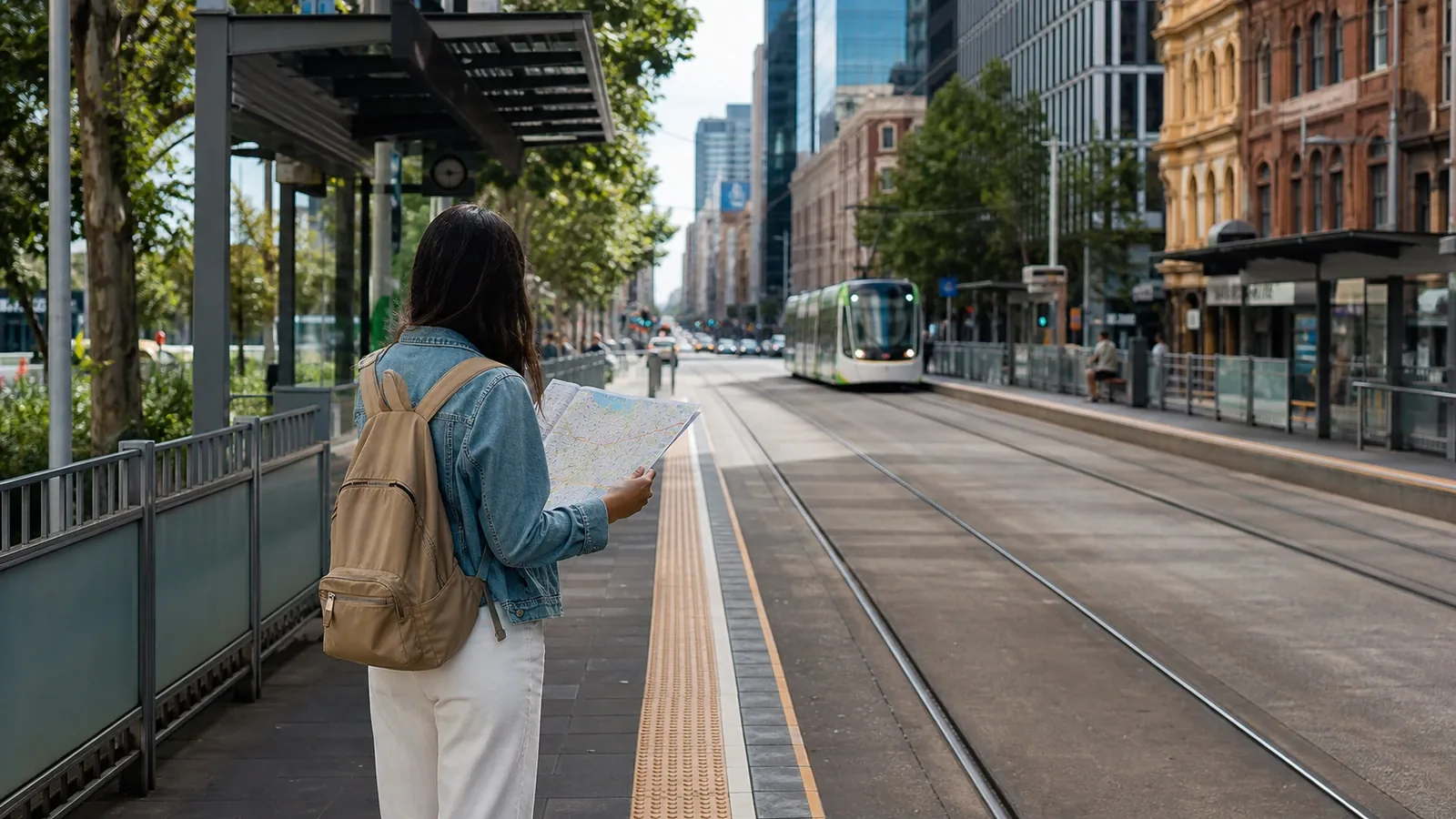
The Great Ocean Road appears on countless Victoria itineraries for good reason, but treating it as though it were a short excursion just outside Melbourne is misleading.
The route begins roughly an hour and a half from central Melbourne and continues for hundreds of kilometres along Victoria's western coastline.
Yes, it is possible to visit some of its best-known sights on a long day trip. What you should not imagine is that you can drive there, cover half the coast, return, have a leisurely dinner in Melbourne and feel as though you have properly enjoyed everything.
The more stops you add, the more time you end up spending inside the car.
If you only have a few days, choosing between exploring Melbourne at a relaxed pace and dedicating an entire day to the Great Ocean Road has no universal answer. But trying to do both in a rush is usually the worst combination.
Hosier Lane, Flinders Street Station and the Brighton Bathing Boxes can all be part of your trip. The mistake is using Instagram as your complete map of Melbourne.
Melbourne has a less photogenic and perhaps more interesting appeal: long breakfasts, bookshops, small bars, markets, galleries, Victorian architecture mixed with contemporary buildings, and neighbourhoods where communities from all over the world live side by side.
That diversity is not a minor detail. Contemporary Australian society is deeply multicultural, and that mix is especially noticeable in cities such as Melbourne, from its food to its festivals and everyday life.
Travelling only between famous photo spots can produce recognisable pictures while, paradoxically, leaving much of the city out of the experience.
Trying to imitate an Australian accent, dropping mate into every sentence or showing off your knowledge of ten local slang expressions rarely makes conversation easier. Being natural works better.
Melbourne is a multicultural city, so there is no single type of “Melburnian” either. You might speak to someone whose family has lived in Victoria for generations and, five minutes later, walk into a restaurant whose family story began in Italy, Greece, Vietnam, China, India or another corner of the world.
Interactions tend to be relatively informal. Being polite, waiting your turn and speaking normally will get you much further than trying to perform a cinematic version of Australia.
The same goes for tipping: it is not a social obligation in the way it is in countries such as the United States. Tipping is not compulsory in Australia and is left to the customer's discretion.
If you want to connect with the city, ask questions. Ask about a coffee, an Australian rules football team, a neighbourhood restaurant or which area is worth spending an afternoon in. An ordinary conversation can lead you to a far more interesting Melbourne than any pre-made list.
This may be one of the hardest mistakes to avoid in Melbourne because it is easy to underestimate how gradually the city reveals itself.
Melbourne can disappoint travellers who need a constant succession of spectacular monuments. Its charms are more urban, culinary and everyday. Some cities impress you within the first hour; Melbourne often gets better on the third day.
Two days allow you to explore the centre. Three or four begin to reveal its neighbourhoods. With a little more time, the city can also serve as a base for discovering other parts of Victoria.
Travellers looking for tropical beaches, grand historic monuments or dramatic natural scenery immediately outside their hotel may find other Australian destinations better suited to them. Those who enjoy walking without too much of a rush, stopping in cafés, eating well and observing how a city lives are more likely to understand its reputation.
In the end, the biggest mistake is expecting Melbourne to be something else. It does not need to compete with Sydney or behave like an Australian postcard. Its appeal lies precisely in its rhythm: less immediate, more everyday and considerably more interesting when you give it time.
Discover selected experiences in Melbourne, from city tours and food experiences to nature, wildlife and day trips across Victoria.
Activity on TourBookGoFull-day Great Ocean Road tour from Melbourne for up to 11 travellers, with Twelve Apostles, rainforest, wildlife opportunities and a multilingual audio guide.
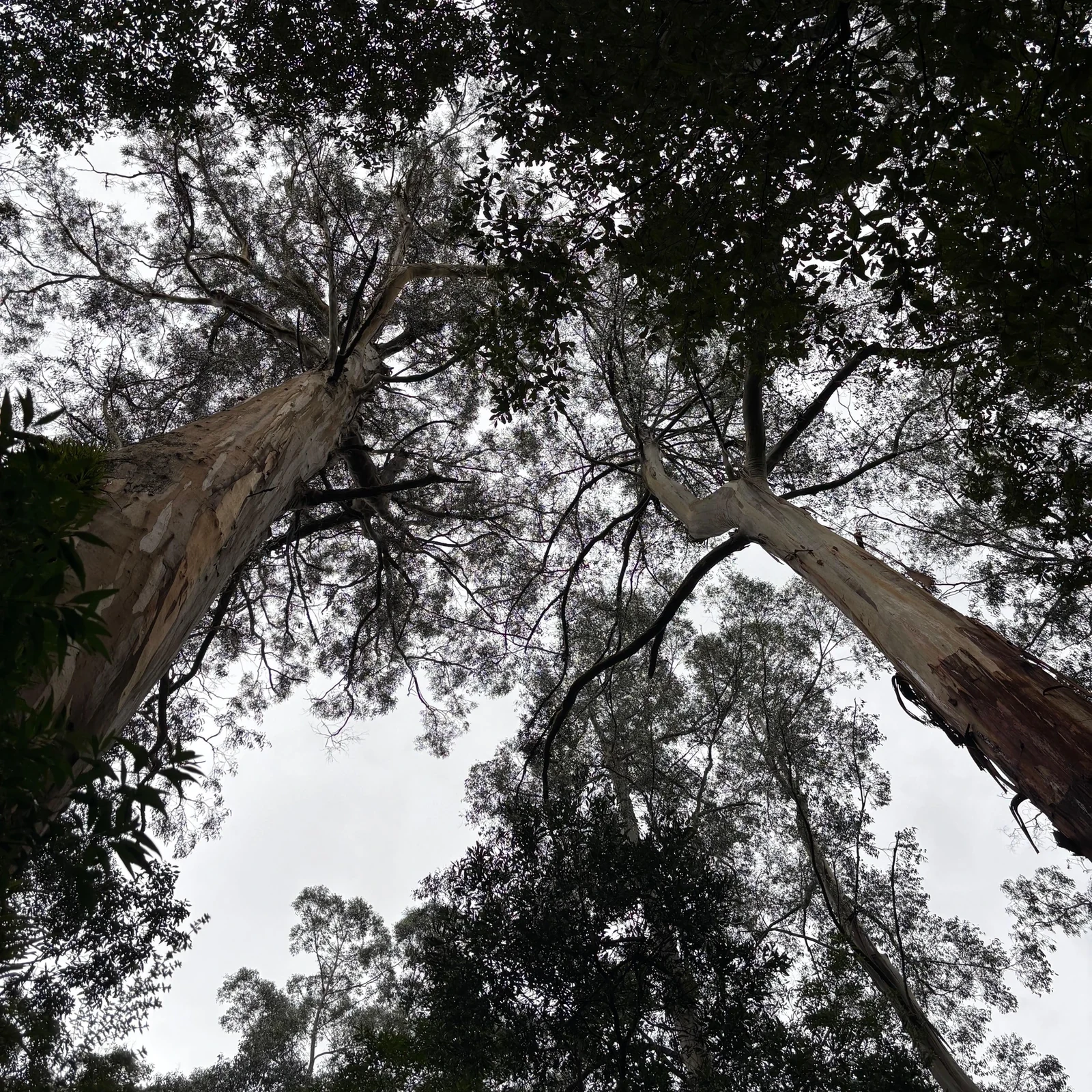 Activity on TourBookGo
13.5-hour Great Ocean Road tour from Melbourne with the 12 Apostles, Loch Ard Gorge, forest walk and wildlife spotting. Check price and availability.
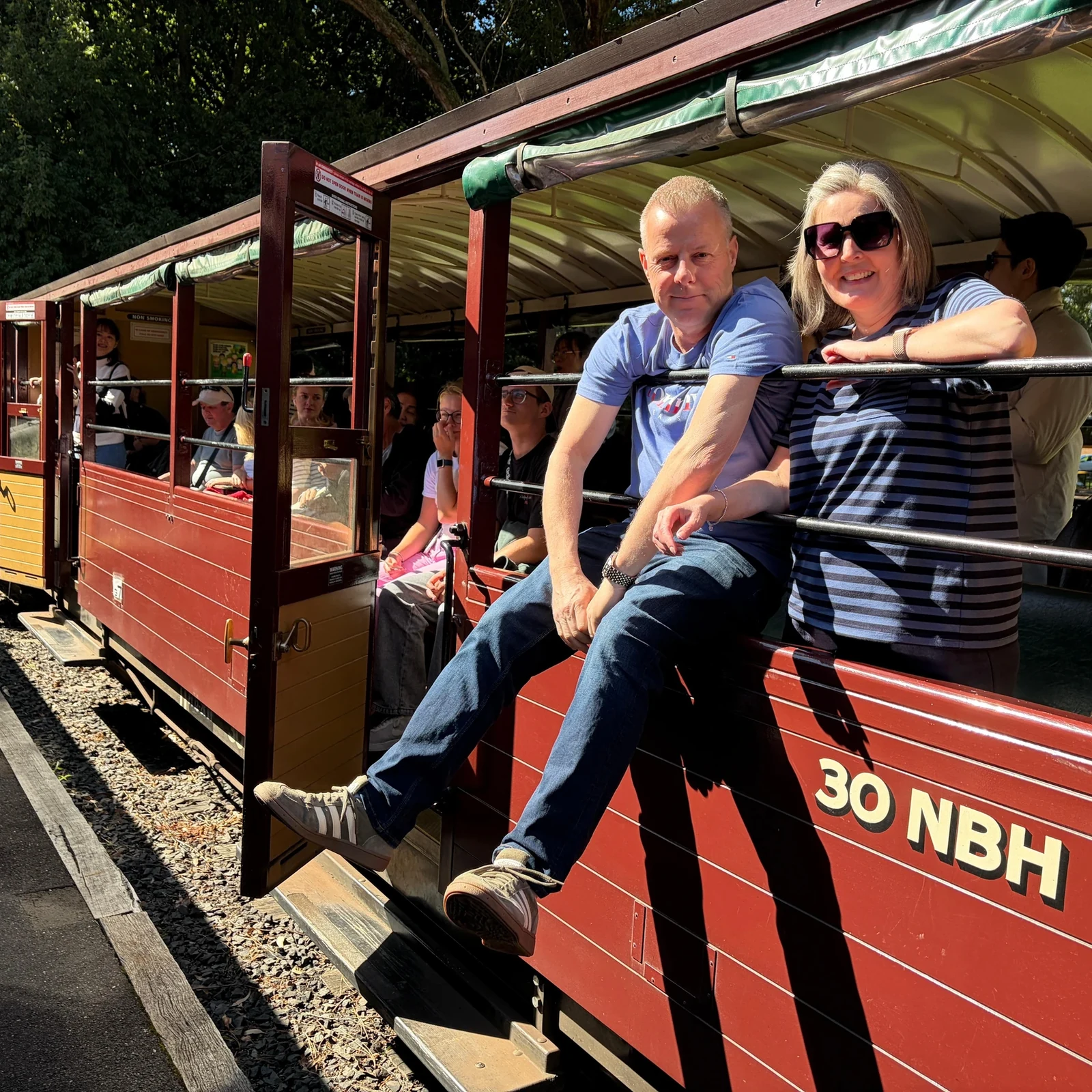 Activity on TourBookGo
Combine Puffing Billy, the Dandenong Ranges, Phillip Island and the Penguin Parade on an organised 12-hour day trip from Melbourne. From €130.