 Activity on TourBookGo
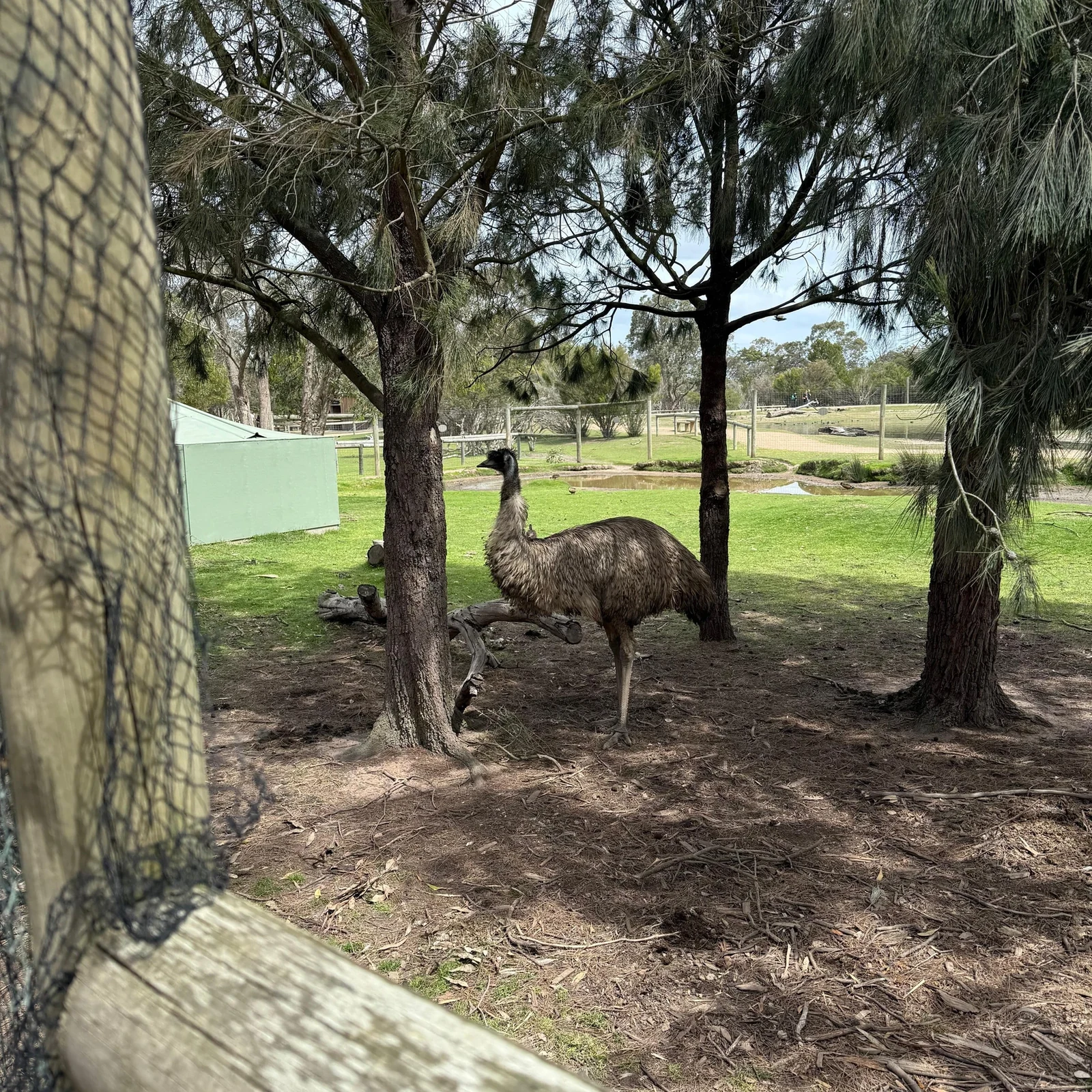
Phillip Island Day Trip from Melbourne with Penguin Parade and Australian Wildlife
Around 12-hour Phillip Island day trip from Melbourne with Moonlit Sanctuary, Australian wildlife and Penguin Parade. From €103 per person.
Melbourne safety is usually less of a concern than first-time visitors expect. The city centre is easy to explore on foot, trams run along lively streets and, even after dark, much of Melbourne keeps its everyday rhythm of restaurants, theatres, pubs and people heading home. Melbourne is generally safe for tourists, although the usual precautions of any major city still make sense.
Melbourne safety is generally good for visitors, but that does not mean the city is free of problems. Victoria Police provides specific advice on theft, uncomfortable situations in public spaces, incidents after dark and safety on public transport. The City of Melbourne also runs programmes aimed at improving safety at night, particularly for women and trans and gender-diverse people. The most useful way to think about Melbourne is simple: it is not a city you need to explore in fear, but it is not somewhere to switch off your common sense completely either. In practical terms, Melbourne is safe to visit for most travellers. If you stay in a reasonably central area, use public transport or standard transport services and take the usual precautions you would in any large city, you can explore Melbourne with considerable peace of mind. The problems most worth preventing are usually everyday ones: leaving your phone unattended on a table, losing sight of your backpack, walking alone down a completely deserted street in the early hours or waiting for a long time at an isolated station. Victoria Police recommends keeping belongings under control, staying aware of your surroundings and choosing well-lit streets and places where other people are around, especially at night. Melbourne also has a lively nightlife. Alcohol, large crowds and the hours after bars close can noticeably change the atmosphere of the same street. That does not make the city centre dangerous, but it is a good reason to be more alert as the streets begin to empty.
Compare locations and options to find a base that suits your trip. Booking.com confirms current availability and pricing.
Find accommodation on BookingFor travellers, it is more useful to think about risky situations than to memorise a list of supposedly dangerous neighbourhoods in Melbourne.
The CBD, Southbank, Carlton, Fitzroy, Richmond, St Kilda and other areas popular with visitors can feel very different depending on the street and the time of day. A busy avenue at ten in the evening may have a completely different atmosphere several hours later. Areas around stations, nightlife districts and virtually deserted side streets deserve extra attention late at night.
Victoria Police advises anyone walking at night to choose well-lit, busy routes and avoid isolated stops or stations whenever possible.
If you are returning to your accommodation late, saving a few minutes by taking a shortcut through an unfamiliar area is rarely worth it. The busier route is usually the more sensible choice.
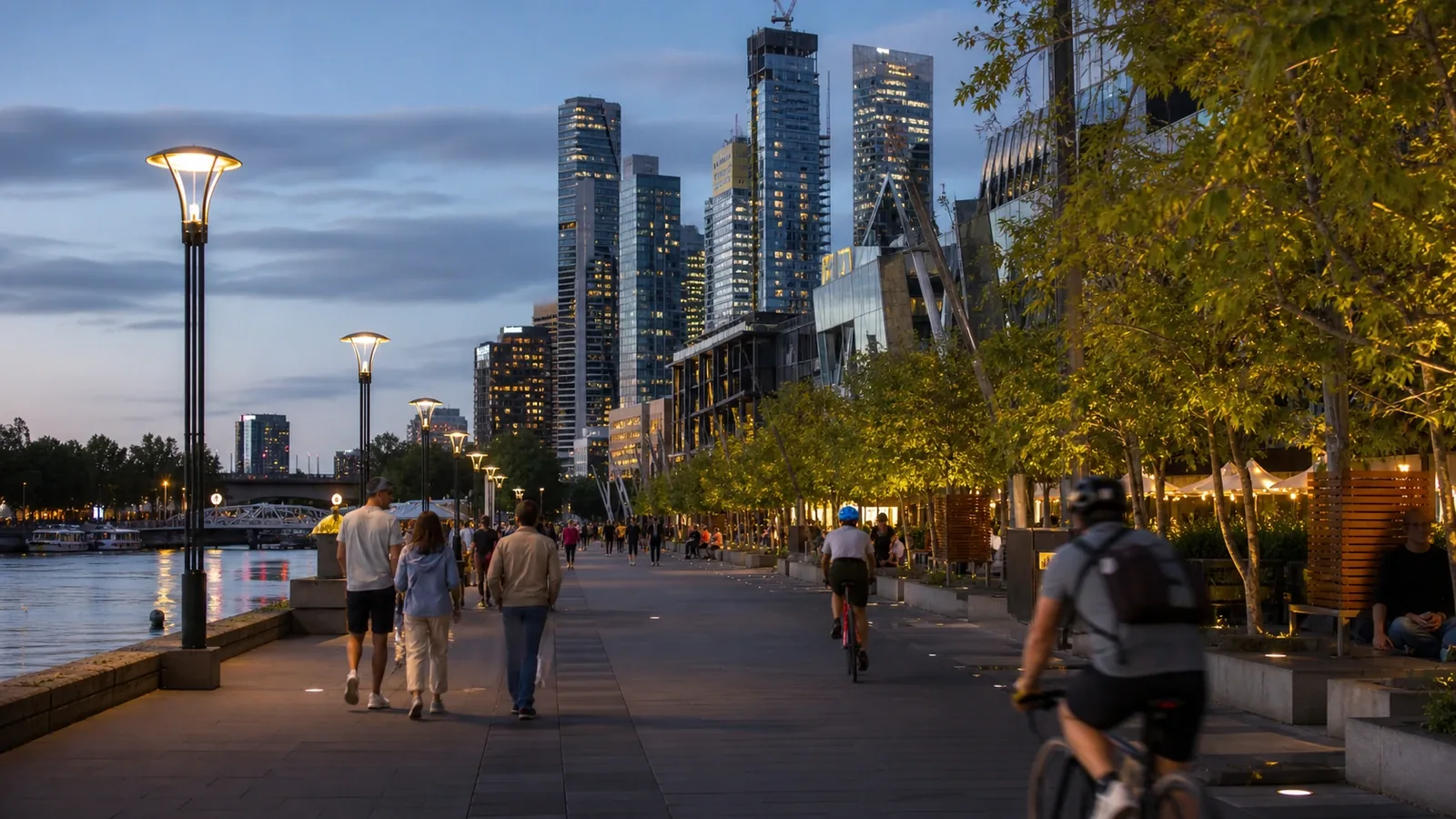
Much of the city centre remains lively after dinner, and exploring Melbourne at night can be one of the most enjoyable parts of a visit: lights reflecting on the Yarra, Victorian façades, restaurants still full and trams gliding between the buildings.
Extra caution becomes more important once that activity fades and the streets begin to empty.
If a street is deserted, poorly lit or simply does not feel right, change your route. Victoria Police recommends staying alert, avoiding shutting yourself off from your surroundings with headphones and heading towards a shop or another busy place if someone appears to be following you or makes you feel unsafe.
On Fridays and Saturdays, Melbourne also operates overnight train, tram and bus services through the Night Network, making it easier to return after a night out without walking long distances in the early hours.
Melbourne’s extensive public transport network is one of the city’s major advantages and makes getting around straightforward for visitors.
Victoria Police recommends waiting in well-lit areas, avoiding isolated parts of stations and, when travelling late, choosing carriages with more passengers or sitting near the driver on trams and buses. Protective Services Officers —PSOs— also operate across the rail network to support public transport safety in Melbourne.
The most common mistake is probably not getting on the wrong tram, but letting your guard down because the journey feels routine. An open backpack on your back or a phone left unattended near the door are still poor choices in Melbourne, just as they are in any other large city.
Melbourne works well for solo travel: many neighbourhoods are easy to explore on foot, public transport is plentiful and city life continues well beyond the end of the working day.
However, it would be unrealistic to suggest that everyone experiences Melbourne at night in exactly the same way. The City of Melbourne explicitly acknowledges issues related to harassment and sexual violence after dark and runs safety initiatives aimed, among others, at women and trans and gender-diverse people.
For solo female travellers in Melbourne, sensible precautions are much the same as in other major cities: keep an eye on your drink, avoid improvised transport, choose busy streets when returning late and move elsewhere if a situation starts to feel uncomfortable.
There is no need to turn every night out into a security operation. Staying aware and keeping yourself in a position to leave an uncomfortable situation is usually enough.
In general, Melbourne is comfortable for families, but one practical detail can surprise visitors travelling with young children: taxis in Victoria are not required to provide child restraints. Rideshare vehicles are subject to the rules that apply to private vehicles. It is therefore worth checking child-seat or booster-seat requirements before travelling rather than trying to sort them out in a rush after arriving at the airport.
On public transport, the usual advice for pushchairs is straightforward: keep them secured and take extra care when getting on and off trains, trams and buses.
There is no need to explore Melbourne constantly worrying about pickpockets, but you should still avoid leaving your wallet, camera or phone unattended. Victoria Police provides specific advice on preventing the theft of personal belongings in public places.
When it comes to scams, one particularly useful precaution starts before you even arrive in Melbourne. Scamwatch warns about fraud in which criminals impersonate property owners or holiday accommodation providers. Booking through verified channels and being wary of unusual payment requests or offers that seem too good to be true can prevent a much bigger problem than most street incidents.
Melbourne is famous for its changeable weather, but some conditions go beyond simple inconvenience. On days of extreme heat, Victoria’s health authorities recommend following forecasts and weather warnings and limiting exposure when temperatures become dangerous.
If you are planning trips beyond the city centre and into other parts of Victoria, it is also worth monitoring bushfire risk during the warmer months and at the beginning of spring. In 2026, Emergency Victoria warned of the possibility of an earlier bushfire season because of forecast dry conditions.
This is a far more relevant risk for trips into rural or forested areas than for an afternoon spent among museums and cafés in the CBD, but it is still worth checking alerts before leaving the city.
In an emergency in Victoria, call 000. For police matters that do not require an urgent response, Victoria Police also operates the Police Assistance Line on 131 444.
Beyond phone numbers, the most useful rule is simple: if a situation does not feel right, leave early. Change carriages, go into a shop, take another street or ask for help.
Yes. Melbourne safety is generally good enough for most tourists to feel comfortable without taking extraordinary precautions. The city centre, popular neighbourhoods and extensive transport network make Melbourne easy to explore.
However, its reputation as a pleasant, easy-going city should not be confused with complete immunity from theft, harassment, difficult nights or uncomfortable situations. Melbourne is still a major metropolis.
The best approach lies somewhere in the middle: walk without fear, but stay aware of your surroundings; enjoy the nightlife, but know how you are getting back; wander through laneways filled with street art, but not down a completely deserted one at three in the morning.
Travelling with peace of mind does not mean ignoring risks. It means understanding them well enough to make sensible decisions without letting them control your trip.
Discover selected experiences in Melbourne, from city tours and food experiences to nature, wildlife and day trips across Victoria.
Activity on TourBookGoAround 12-hour Phillip Island day trip from Melbourne with Moonlit Sanctuary, Australian wildlife and Penguin Parade. From €103 per person.
 Activity on TourBookGo
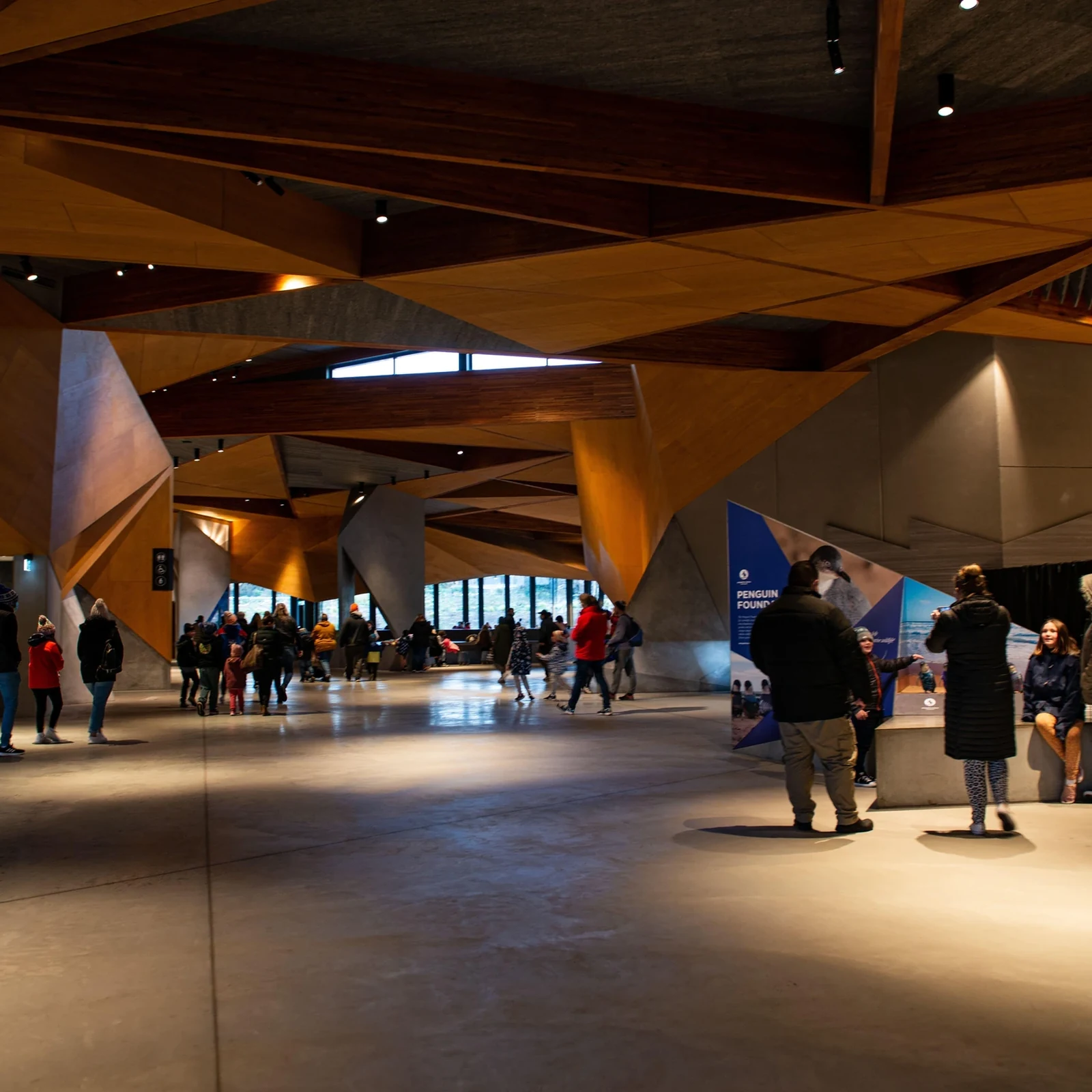
Explore Phillip Island from Melbourne on a 9.5-hour trip with koalas, The Nobbies and the famous Penguin Parade at sunset.
 Activity on TourBookGo
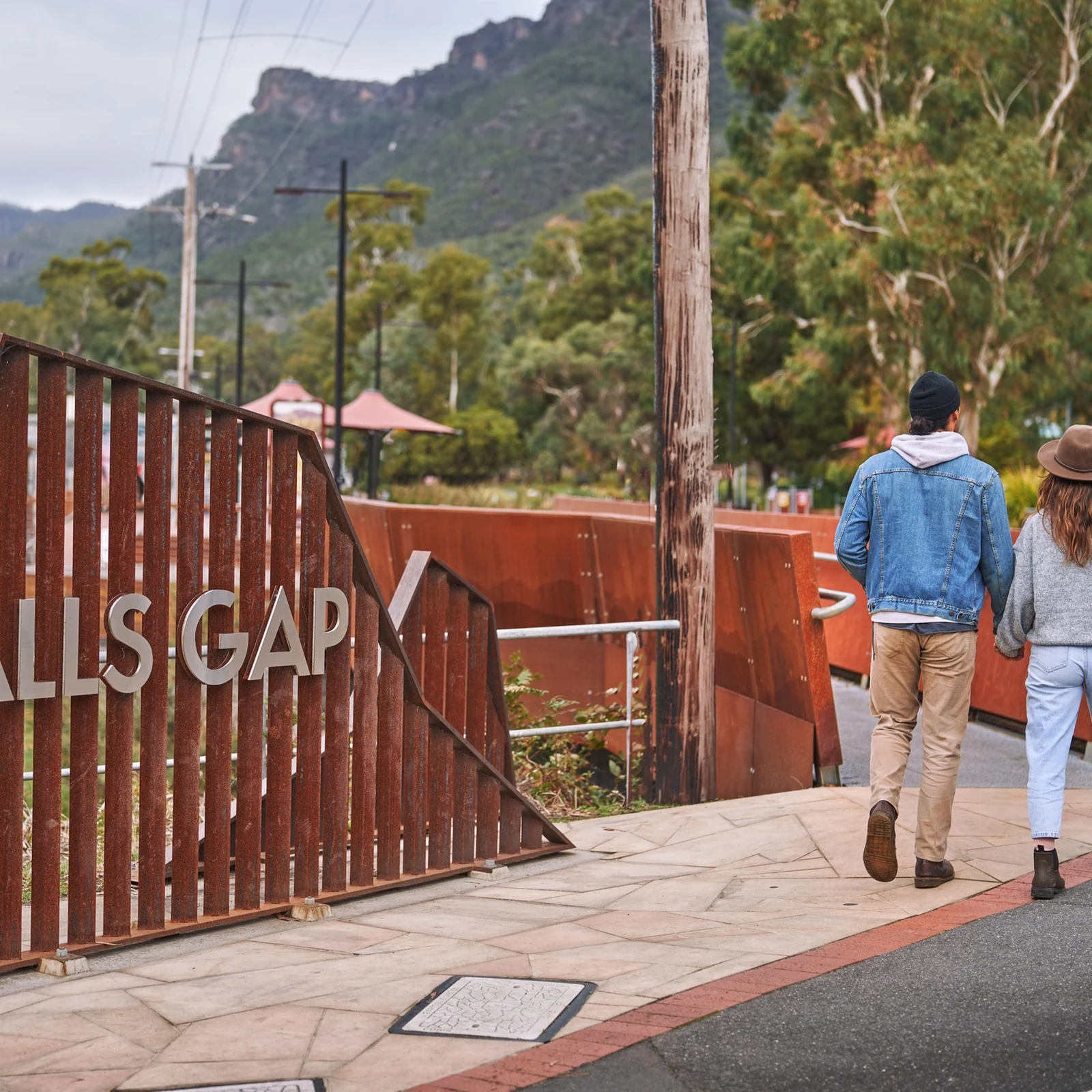
Take a 12.5-hour Grampians National Park tour from Melbourne with small-group transport, lookouts, MacKenzie Falls, walks and Australian wildlife.