 Activity on TourBookGo
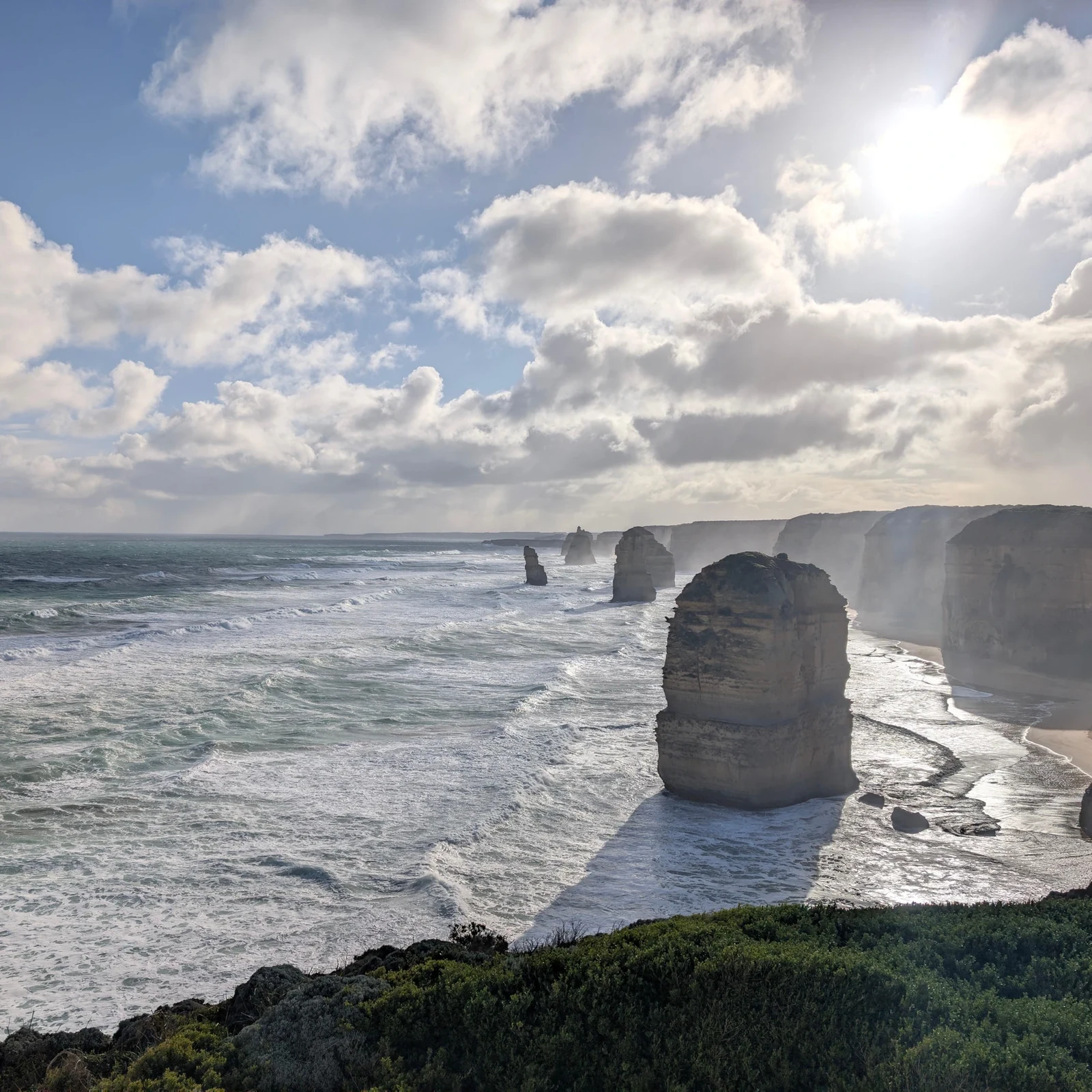
Great Ocean Road from Melbourne: Twelve Apostles, koalas and coast
Around 12 hours on the Great Ocean Road from Melbourne with Twelve Apostles, Loch Ard Gorge, London Bridge, Lorne, Apollo Bay and koala spotting.
Planning a Melbourne travel budget becomes much easier once you know where the money really goes. Melbourne is not a cheap city, but you do not need to spend constantly to enjoy it: accommodation and eating out can be expensive, while much of its urban life — city-centre trams, galleries, architecture, markets, gardens and walkable neighbourhoods — can be enjoyed for very little. In August 2026, there is also an unusual advantage: public transport across Victoria is temporarily 50% cheaper until 1 January 2027. The daily cap for a full-fare passenger is A$5.70, while tram journeys within the city centre’s Free Tram Zone remain free. Transport Victoria +1 So when working out how much a trip to Melbourne costs, transport is rarely the deciding factor. Your budget mainly comes down to two choices: where you stay and how often you want to sit down at one of the city’s excellent cafés or restaurants.
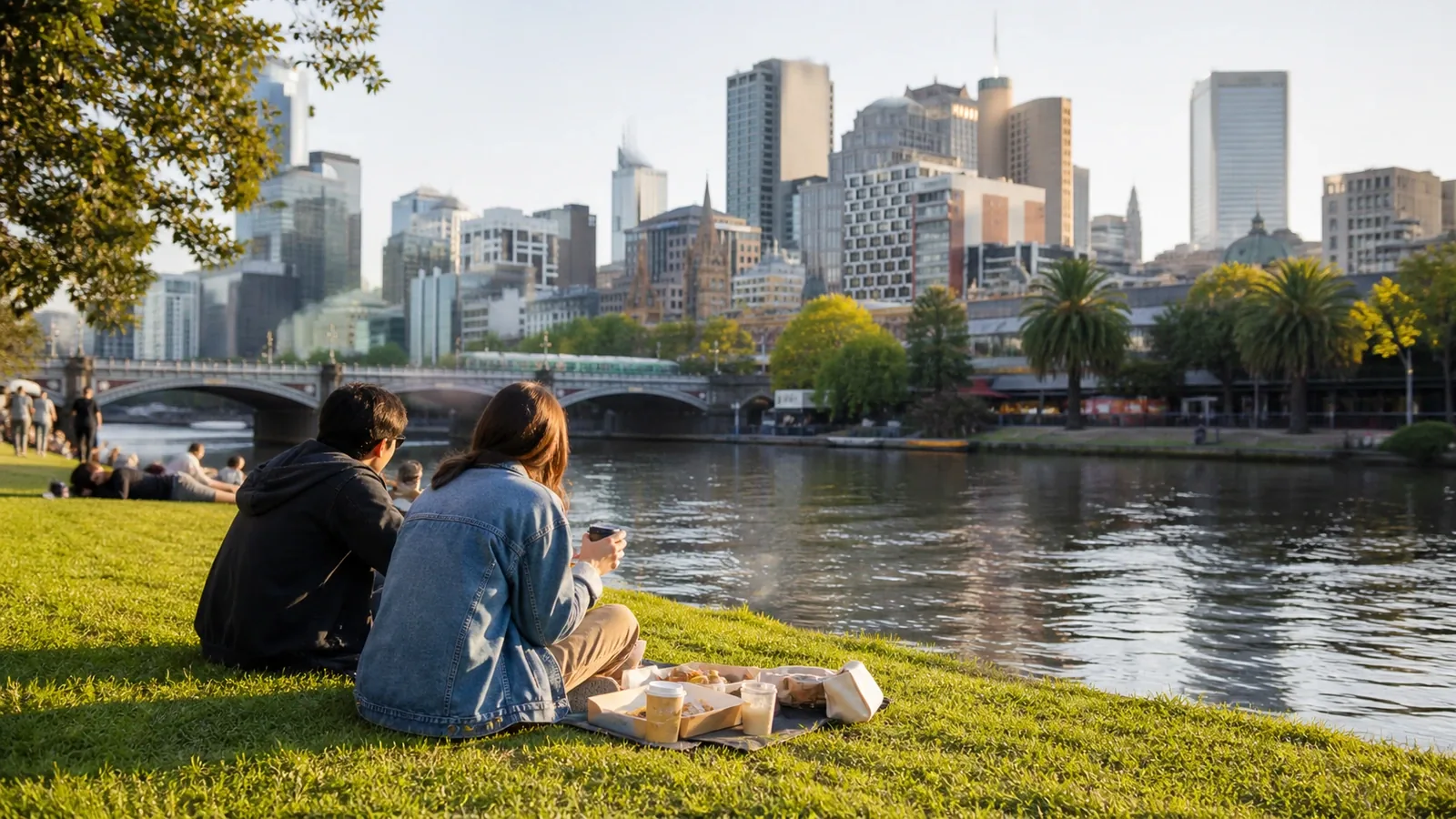
The following figures provide a practical Melbourne budget per day, per person, in Australian dollars and excluding international flights. For couples, the assumption is that they share a room; for solo travellers, accommodation takes up a considerably larger share of the budget. Travel style | Per day | 3 days | 5 days | 7 days Budget | A$100–160 | A$300–480 | A$500–800 | A$700–1,120 Comfortable, sharing a room | A$170–300 | A$510–900 | A$850–1,500 | A$1,190–2,100 Comfortable, travelling solo | A$240–400 | A$720–1,200 | A$1,200–2,000 | A$1,680–2,800 High-end trip | from A$450 | from A$1,350 | from A$2,250 | from A$3,150 These are not fixed prices, but sensible ranges for planning Melbourne travel costs. A quiet winter weekend and dates that coincide with a major event can feel like two completely different cities when it comes time to book accommodation.
Compare locations and options to find a base that suits your trip. Booking.com confirms current availability and pricing.
Find accommodation on BookingAccommodation is usually the biggest expense when calculating how much a trip to Melbourne costs. Rates vary considerably depending on the dates and location, but current searches show everything from budget accommodation and hostels to central rooms that can easily cost more than A$150–250 per night. In recent samples of CBD hotels, rooms for two adults were available from around A$157 to more than A$240 per night, while hostels offer considerably cheaper alternatives.
Booking +1
To budget realistically, backpackers should allow a reasonable amount for a dorm bed; couples can split the cost of a mid-range room and get fairly good value for money; solo travellers wanting a private bathroom and a central location will feel the cost much more.
There is also a common false economy here: staying too far away to save a small amount. Melbourne has good public transport, but losing an hour every day commuting is not exactly free in travel terms either. Carlton, North Melbourne, Southbank, Fitzroy and other well-connected areas can offer better compromises than simply chasing the cheapest room on the map.
Food is part of Melbourne’s identity, but enjoying its dining scene every day can quickly push up the bill. As a rough guide, price data collected in August 2026 puts an inexpensive meal at around A$25, a coffee at roughly A$5.70 and a three-course meal for two at a mid-range restaurant at about A$115, excluding drinks.
numbeo.com
A budget-conscious traveller can manage on around A$35–55 per day by combining supermarkets, bakeries, markets and the occasional simple meal out. With A$65–100 a day, there is room for good coffee, casual lunches and enjoyable dinners. Beyond that, Melbourne does not have a particularly low ceiling: fine dining, cocktails and alcohol can turn an otherwise ordinary evening into one of the biggest expenses of the day.
Saving money here should not mean missing out on local food. It is smarter to choose where spending is worthwhile: perhaps a good brunch or one special dinner, then balance it out with casual Asian food, market meals or breakfast prepared at your accommodation.
Public transport is currently one of the most budget-friendly parts of Melbourne travel costs. Until the end of 2026, the daily cap for a full-fare adult is A$5.70 thanks to the temporary 50% reduction. In addition, trams are free within the Free Tram Zone — covering much of the CBD and places such as Federation Square, Flinders Street and Queen Victoria Market.
Transport Victoria +1
The mistake is assuming that all trams in Melbourne are free. Free travel ends once you leave the central zone.
It is also worth keeping airport transport separate from your city transport budget. SkyBus services between Melbourne Airport and Southern Cross currently cost from A$25.90 one way or A$43.40 return for an adult, and they are not included in the general public transport discount.
skybus.com.au +1
Melbourne lets you do something that not every major city does: fill entire days with culture without buying one ticket after another. The National Gallery of Victoria keeps many collections and exhibitions free to enter, while the official tourism website also highlights a range of free experiences, including parts of ACMI and numerous urban attractions.
Visit Victoria home +1
When you want to add paid attractions, budget around A$20–50 per day for activities, although you will not necessarily spend that amount every day. General admission to Melbourne Museum, for example, currently costs A$18 for an adult.
Museums Victoria
The advantage is that Melbourne does not require you to string together expensive landmarks to feel that you have made the most of your trip. Walking through its laneways, stepping into a gallery, exploring Fitzroy, watching the city from the Yarra or spending a morning browsing market stalls are just as much part of the experience as any ticketed attraction.
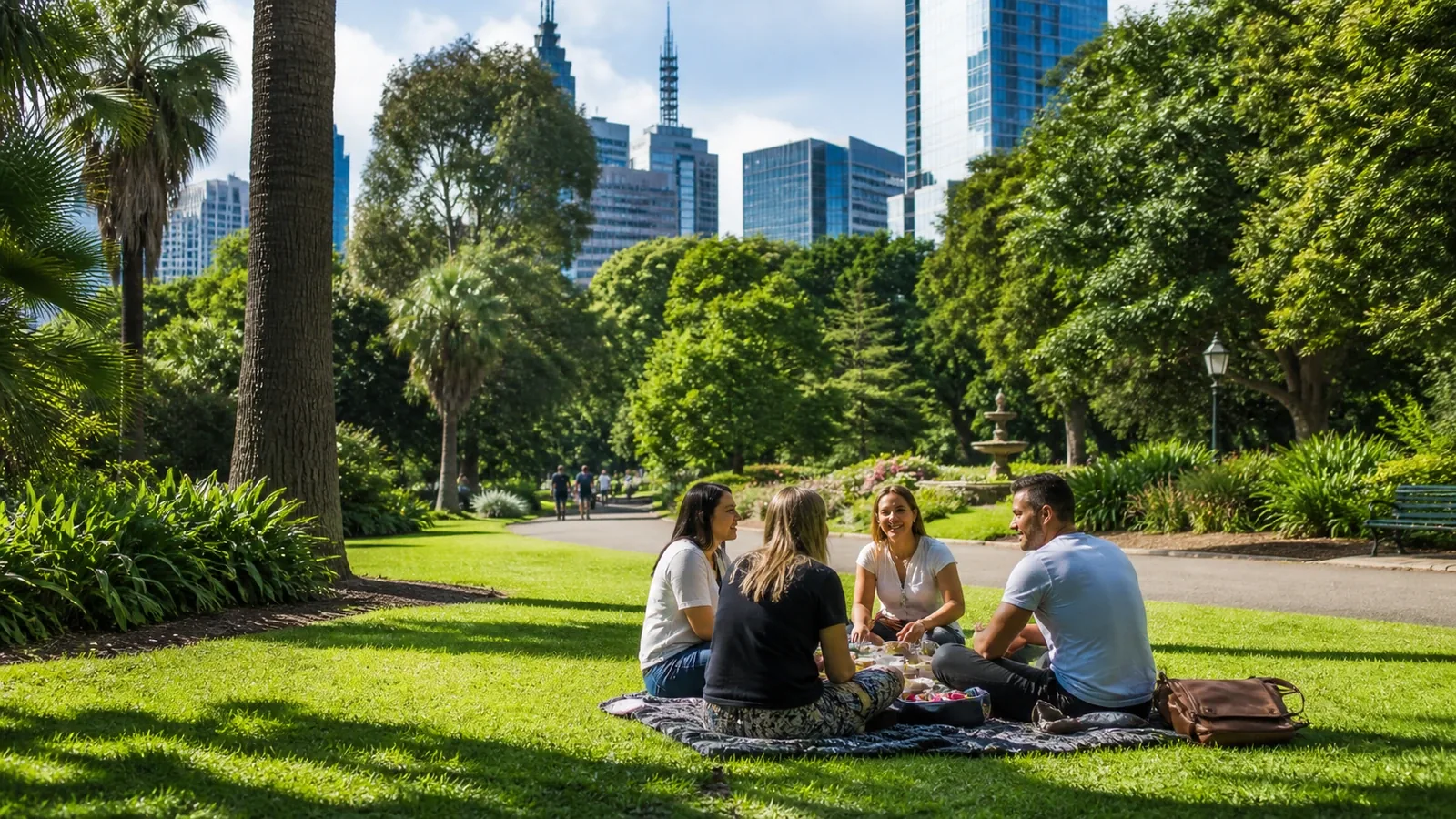
The most effective approach to Melbourne budget travel is to spend where the city genuinely excels and save where your money adds little to the experience. Accommodation with a kitchen can cut costs considerably; staying close to the centre reduces travel time; free galleries allow you to save your money for an experience you genuinely care about; and limiting alcohol can have a surprisingly large impact on your daily spending.
It is also worth resisting the temptation to turn Melbourne’s coffee culture into five coffees a day. The city smells of espresso from early in the morning and it is difficult not to get carried away, but a string of small purchases can end up costing more than a good dinner.
For three days, A$300–480 per person can work with a very restrained travel style, while a comfortable experience is closer to A$500–900 per person when sharing a room.
For five days, A$500–800 is a reasonable budget for a frugal trip. A couple wanting comfortable accommodation, eating out fairly regularly and paying for a few attractions should instead think in terms of A$850–1,500 per person.
For a week, travelling on around A$700–1,120 is still possible with a hostel, controlled food spending and plenty of free activities. Anyone who prefers a hotel, good restaurants and the freedom to be spontaneous should consider roughly A$1,200–2,100 per person when sharing accommodation, and considerably more when travelling alone.
Yes, especially compared with destinations where accommodation and eating out cost much less. Daily coffees, dinners and a private room can make your money disappear with almost elegant subtlety.
But Melbourne has one major advantage: you can control your spending without turning the trip into a constant series of sacrifices. You can walk, visit excellent cultural spaces, cross the city centre by tram and explore characterful neighbourhoods virtually for free. That partly offsets accommodation and dining prices that can otherwise feel steep.
Anyone needing a genuinely low-cost holiday will find easier destinations. Travellers with a mid-range budget who choose their indulgences carefully can enjoy Melbourne without feeling as though every corner comes with a ticket booth. And perhaps that is the smartest way to experience the city: spend less on collecting attractions and save your money for what Melbourne does particularly well — a good meal, a well-located room and enough time to let the city reveal itself somewhere between a tram, a laneway and the aroma of freshly brewed coffee.
Discover selected experiences in Melbourne, from city tours and food experiences to nature, wildlife and day trips across Victoria.
Activity on TourBookGoAround 12 hours on the Great Ocean Road from Melbourne with Twelve Apostles, Loch Ard Gorge, London Bridge, Lorne, Apollo Bay and koala spotting.
 Activity on TourBookGo
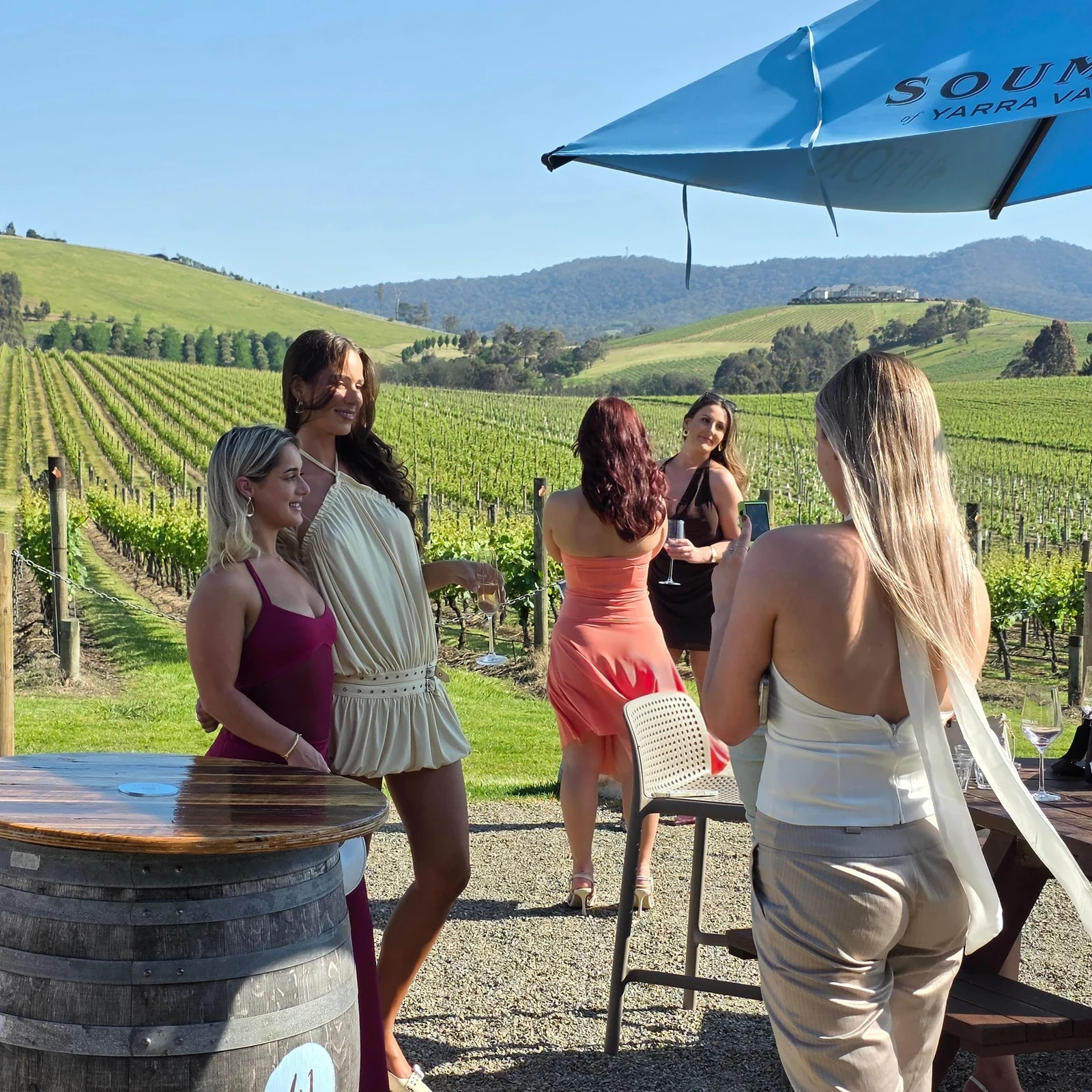
Explore Yarra Valley on a 5-hour small-group tour from Melbourne with three wineries, 16+ wines, a local guide and return transport.
 Activity on TourBookGo
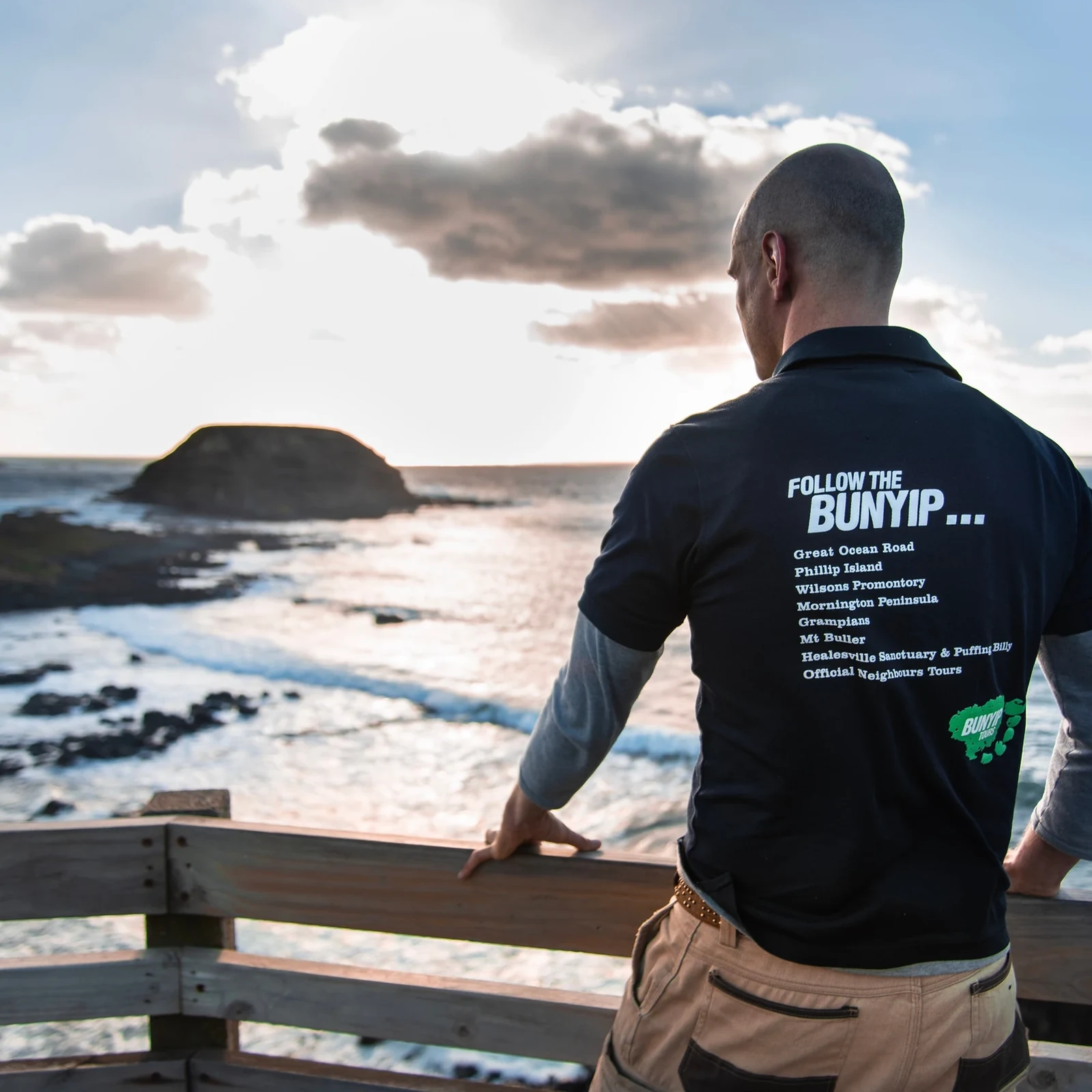
Around 9-hour afternoon tour from Melbourne to Phillip Island with The Nobbies, wildlife viewing and standard Penguin Parade admission to see little penguins at sunset.