 Activity on TourBookGo
Melbourne Mixology Class with Cocktails and Snacks
Learn bartender techniques in a hands-on mixology class in Melbourne lasting around 2 hours. Includes 2 cocktails, shared grazing food and instruction in English.
Yes, Melbourne is worth visiting, especially if you enjoy neighbourhoods, coffee, food, art and everyday city life more than simply ticking off famous landmarks.
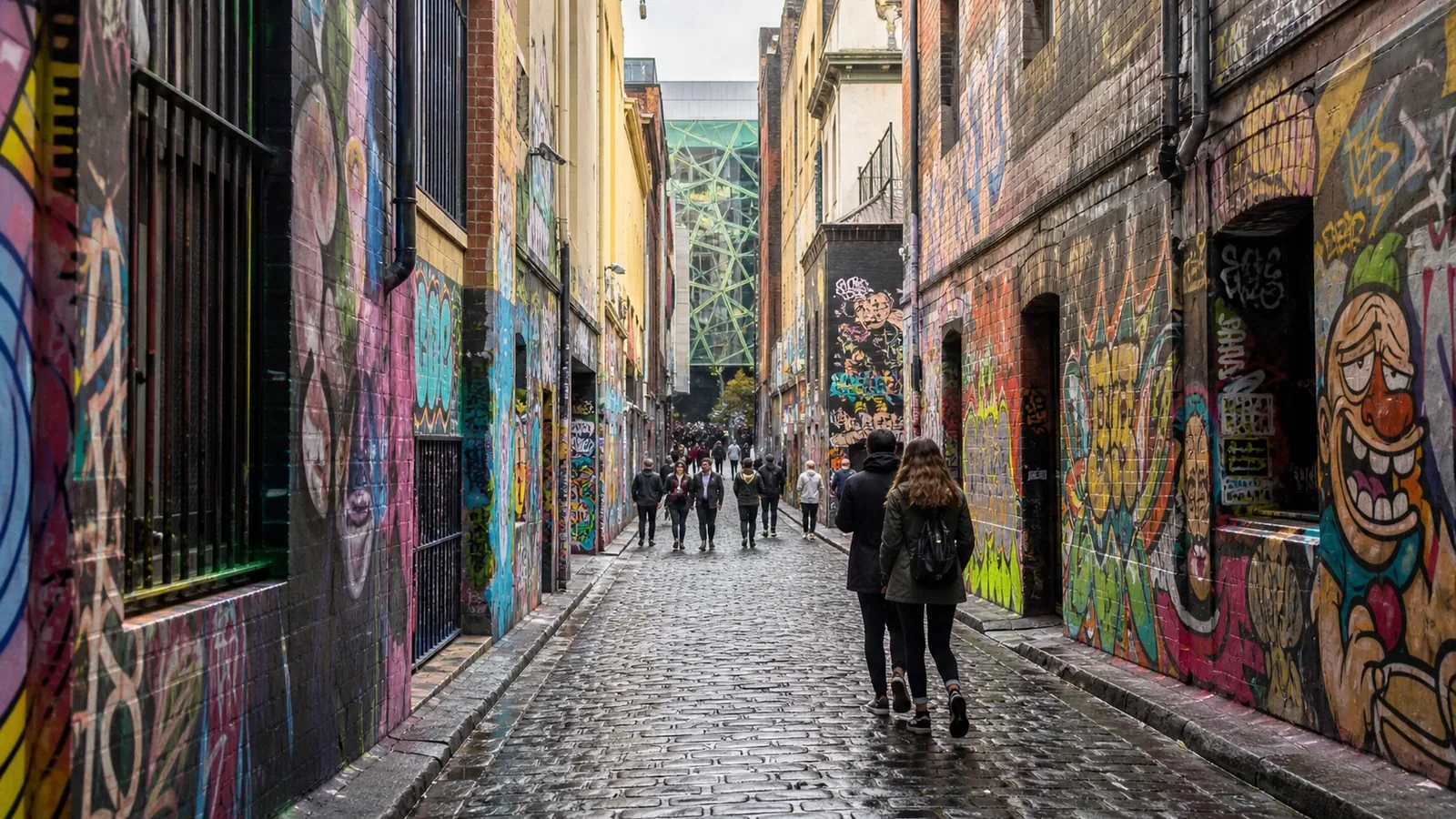
If you are wondering whether Melbourne is worth visiting, it helps to know that the city rarely wins you over with one dramatic first impression. It does not have a harbour as theatrical as Sydney’s or a single landmark that can sum up the entire city in one photograph. Its appeal reveals itself more gradually: when you turn into a laneway covered in street art, catch the aroma of coffee drifting from a tiny café counter, wander through a late-morning market or reach a neighbourhood where restaurants, bookshops, pubs and old Victorian façades seem to coexist effortlessly. Yes, Melbourne is worth visiting, particularly for travellers who enjoy experiencing cities rather than simply ticking off famous sights. What makes Melbourne special is its combination of food, coffee culture, art, music, distinctive neighbourhoods and an exceptionally active cultural and sporting calendar. Victoria’s official tourism board highlights these same qualities—laneways, culinary diversity, live music, exhibitions and major events—as defining aspects of the city.
Compare locations and options to find a base that suits your trip. Booking.com confirms current availability and pricing.
Find accommodation on BookingMelbourne is a city you discover layer by layer, and that is a large part of its appeal.
The city centre—the CBD—mixes contemporary buildings with historic shopping arcades, tram-lined streets and small laneways filled with cafés, bars, restaurants and murals. Some of these laneways are now enormously popular and can be crowded with visitors, but they remain a recognisable part of Melbourne’s urban identity.
Then there are the Melbourne neighbourhoods, which are essential to understanding the city beyond the CBD.
Fitzroy and Collingwood have a more alternative personality; Carlton retains a strong Italian influence; St Kilda brings the city closer to the sea; while Brunswick, South Melbourne and other inner suburbs reveal a Melbourne that is less monumental and far more everyday. The variety between these districts is one reason why spending only a few hours in the city centre tends to give an incomplete picture of Melbourne.
And then there is the food, one of the strongest reasons to travel to Melbourne.
Melbourne’s culinary diversity is closely linked to the different communities that have shaped the city. There is no need to turn every meal into a fine-dining experience: part of the charm lies precisely in being able to move from a tiny café to a market, a trattoria, an Asian restaurant or a neighbourhood pub all within the same day.
That depends on what you mean by beautiful.
If you are looking for sweeping views, spectacular beaches close to the city centre or landmarks that make an immediate impression, Melbourne may initially disappoint. Its skyline is interesting, but much of its appeal is found at street level.
Melbourne works best when you stop looking for “the main attraction”.
It is a city for walking without too much urgency, wandering through markets, crossing the Yarra River, stopping at a gallery, taking a tram to another neighbourhood and making time for something as apparently trivial as having a really good breakfast.
That lack of monumentality is precisely its weakness for some travellers—and its greatest strength for others.
Food and Coffee Lovers They are probably the people most likely to understand Melbourne. The city’s food and coffee culture is part of everyday life, from its markets to restaurants and small venues scattered throughout its neighbourhoods.
Travellers Interested in Art and Culture Galleries, exhibitions, architecture, design, live music and street art provide more than enough to fill several days.
Sports Fans Melbourne embraces certain sporting events with an intensity that is hard to ignore. Depending on when you visit, attending a match or being in the city during one of its major events can completely transform the atmosphere.
Travellers Who Enjoy Exploring Neighbourhoods This is probably Melbourne’s ideal audience. The city rewards curious travellers more than collectors of landmarks.
Couples and Travellers Looking for a Relaxed City Break Restaurants, cafés, markets, riverside walks and neighbourhoods full of small independent venues make it easy to plan interesting days without constantly chasing attractions.
Melbourne may be a less obvious choice if your absolute priority is:
enjoying tropical beaches or spectacular natural scenery without leaving the city;
finding a city dominated by major historic monuments;
travelling on a particularly tight budget;
having sunshine and warm temperatures virtually guaranteed;
visiting Australia for only a few days and having to choose just one city.
In that last case, choosing Melbourne or Sydney depends far more on your travel style than on which city is “better”.
Sydney tends to make a stronger immediate visual impression. Melbourne offers a more gradual, culinary and cultural urban experience.
Melbourne is not a city I would recommend choosing primarily with the aim of saving money.
Accommodation, restaurants, drinks and certain experiences can quickly push up your budget. However, Melbourne also allows you to spend many enjoyable hours simply walking through neighbourhoods, markets, parks and city-centre streets.
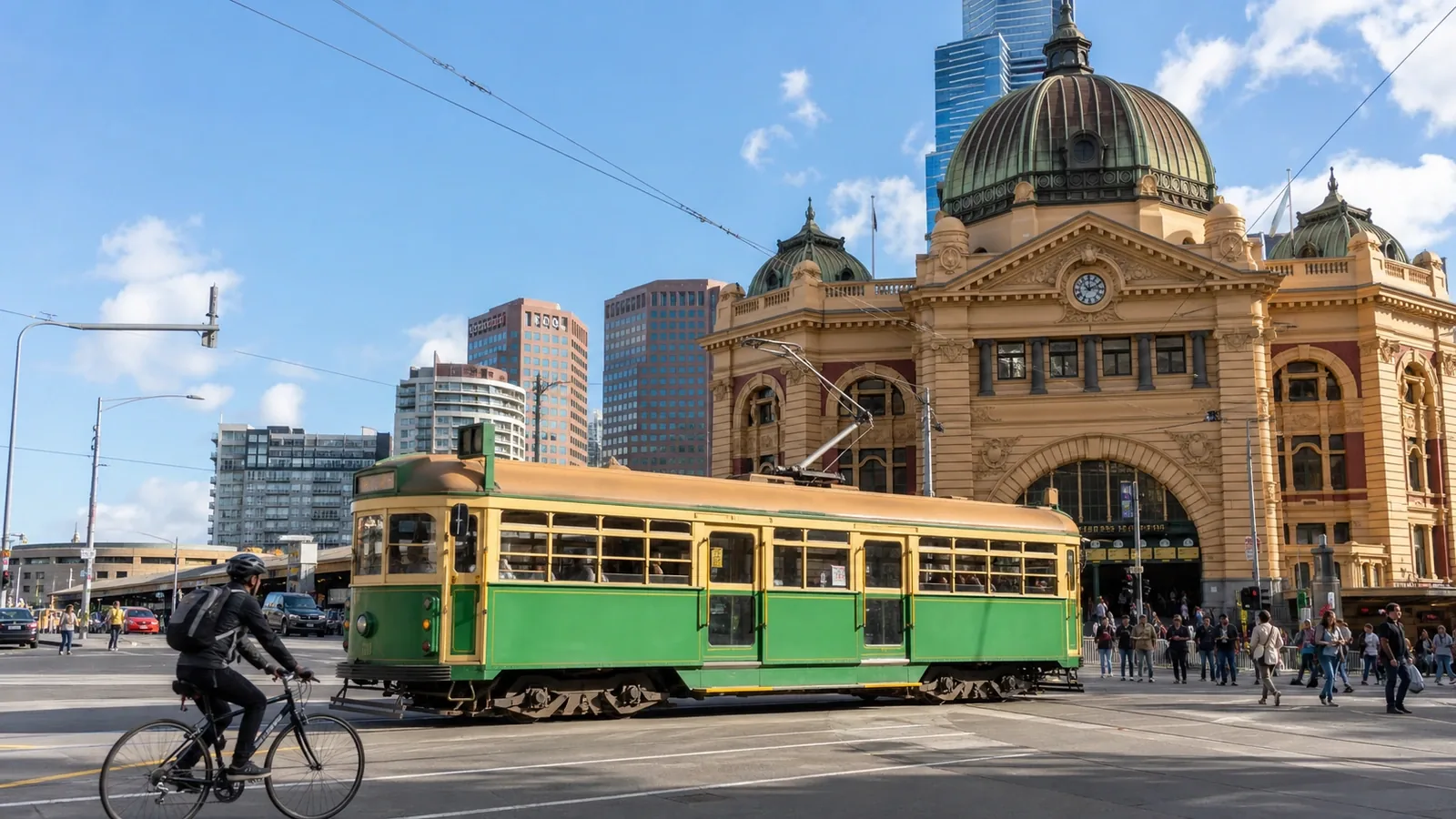
Getting around the central area is also relatively convenient: there is a Free Tram Zone covering part of the city centre and Docklands, while the wider metropolitan network combines trams, trains and buses for longer journeys.
The mistake would be to assume that this means you can travel around all of Melbourne for free by tram: free travel is limited to a specific area.
If you only want to see the main urban sights, three days can work.
With four or five days, the experience improves considerably because you have enough time to leave the CBD, explore several Melbourne neighbourhoods and enjoy the city without turning every day into a race.
With a week, Melbourne can also be used as a base for exploring parts of Victoria.
And that is where the city gains a lot of extra points.
Popular day trips from Melbourne include the Yarra Valley, Phillip Island and the Great Ocean Road. The latter deserves particular consideration: although it is often treated as a day trip, Victoria’s tourism board recommends spending at least one night if you want to explore it at a more relaxed pace.
Yes.
Melbourne has fairly distinct seasons and a climate that is less predictable than some travellers imagine when they think of Australia.
Summer brings long days and plenty of outdoor activity, although periods of intense heat can occur. Autumn is often very comfortable for enjoying city life. Winter is cool and brings out another side of Melbourne, with galleries, cafés, pubs and restaurants taking centre stage. Spring can be particularly changeable.
Official climate records confirm a considerable difference between the warmer months and winter, so travelling with the assumption that Australia means year-round heat would be a mistake.
The first impression.
Some travellers arrive expecting a succession of major attractions and instead find a pleasant city centre that initially seems relatively unspectacular.
Melbourne can also disappoint those who build their entire visit around a couple of famous laneways. Some street-art spots have gone from local secrets to extremely busy tourist stops.
And the weather can disrupt plans even when the day seemed to be starting differently.
Melbourne requires a certain degree of flexibility.
If the entire trip involves flying from Europe just to spend two or three days in Melbourne, it is difficult to justify such a long journey.
But as part of a broader trip around Australia, or when combined with several days exploring Victoria, the answer changes considerably.
The city also provides an interesting counterpoint to the Australia of beaches, wildlife and vast landscapes. Here, the main attraction is something else: urban life.
Yes, especially if you value atmosphere, food and neighbourhoods more than major monuments.
Melbourne deserves several days to eat well, discover neighbourhoods, wander into galleries, listen to music, walk among old and modern façades and allow the city to reveal its personality little by little.
Not everything is impressive. Not everything is cheap. The weather can be unpredictable, and some famous places are far from being hidden gems.
But when Melbourne suits the way you like to travel, something curious happens: you may not remember one single spectacular image.
You will remember a succession of moments.
A tram passing through the rain. The smell of freshly ground coffee. A narrow street covered in paint. The bustle of Queen Victoria Market. A dinner that lasts longer than expected.
And perhaps that, more than any landmark, is where Melbourne ultimately justifies the journey.
Discover selected experiences in Melbourne, from city tours and food experiences to nature, wildlife and day trips across Victoria.
Activity on TourBookGoLearn bartender techniques in a hands-on mixology class in Melbourne lasting around 2 hours. Includes 2 cocktails, shared grazing food and instruction in English.
 Activity on TourBookGo
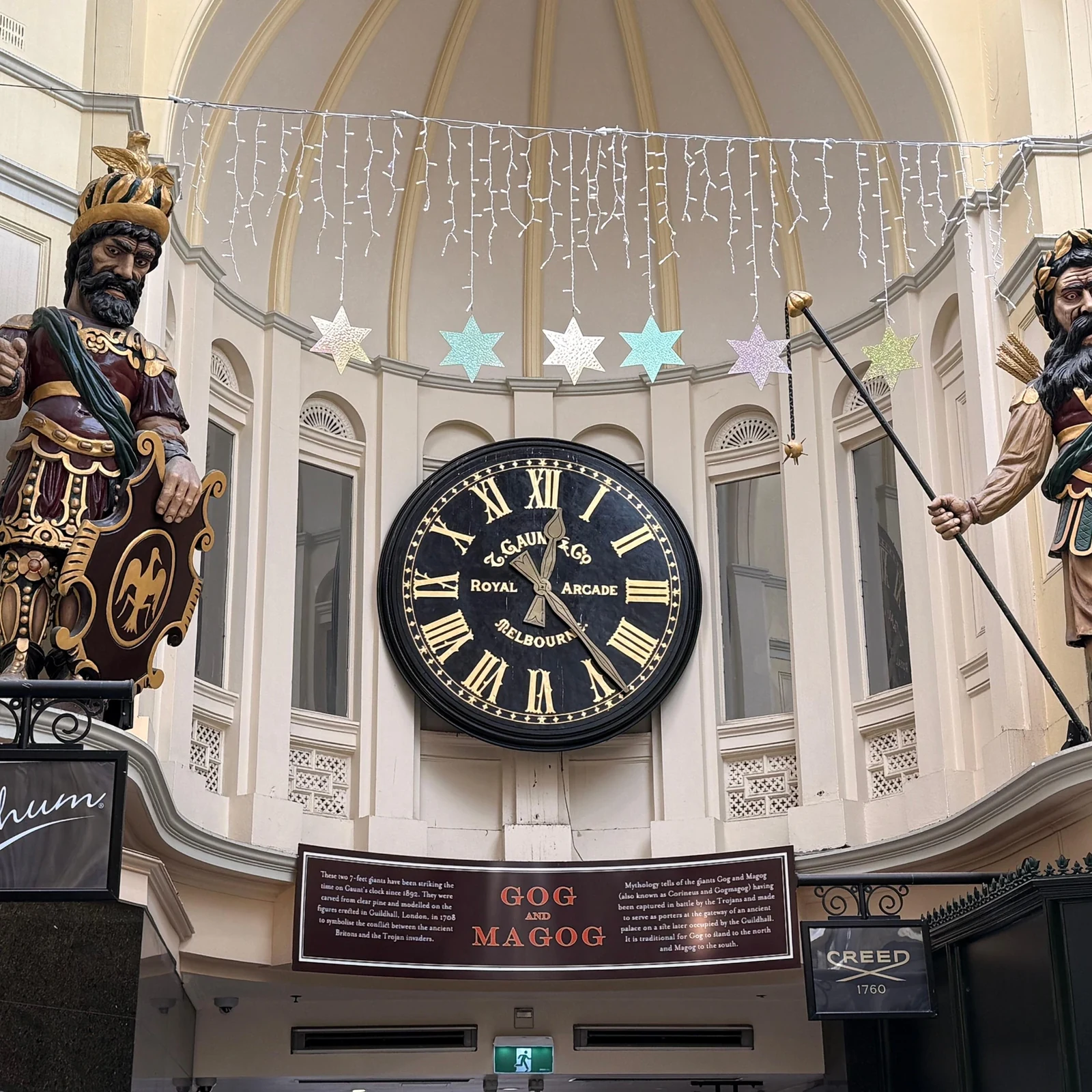
Explore Melbourne on a 3-hour walking food tour with seven tastings, coffee, local history, laneways and a small group of up to 10 people.
 Activity on TourBookGo
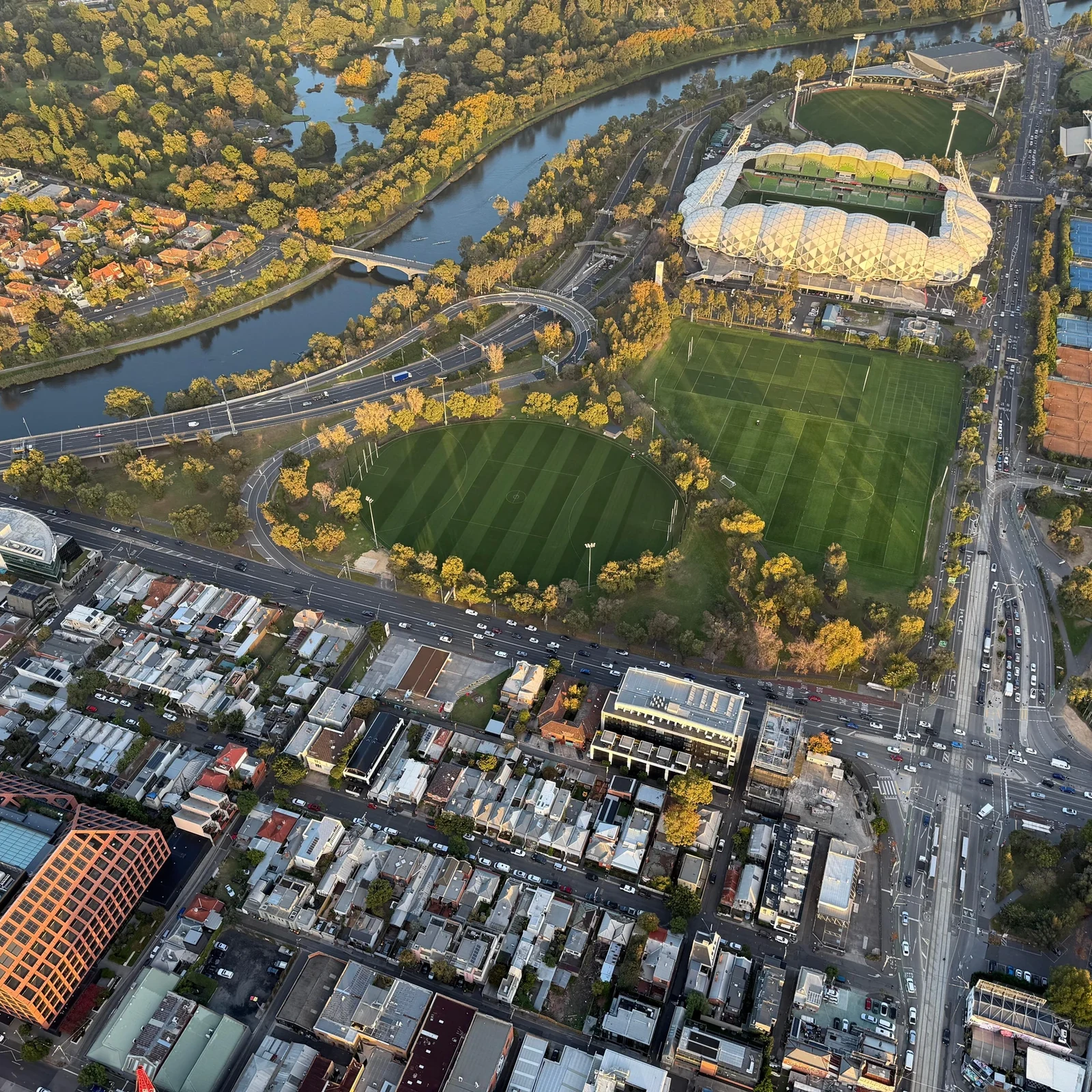
Fly over Melbourne at sunrise on a hot air balloon experience with around one hour in the air, professional pilots and transport to the launch site.