 Activity on TourBookGo
Bimini Day Trip from Miami: Ferry & Transfers from Miami Beach
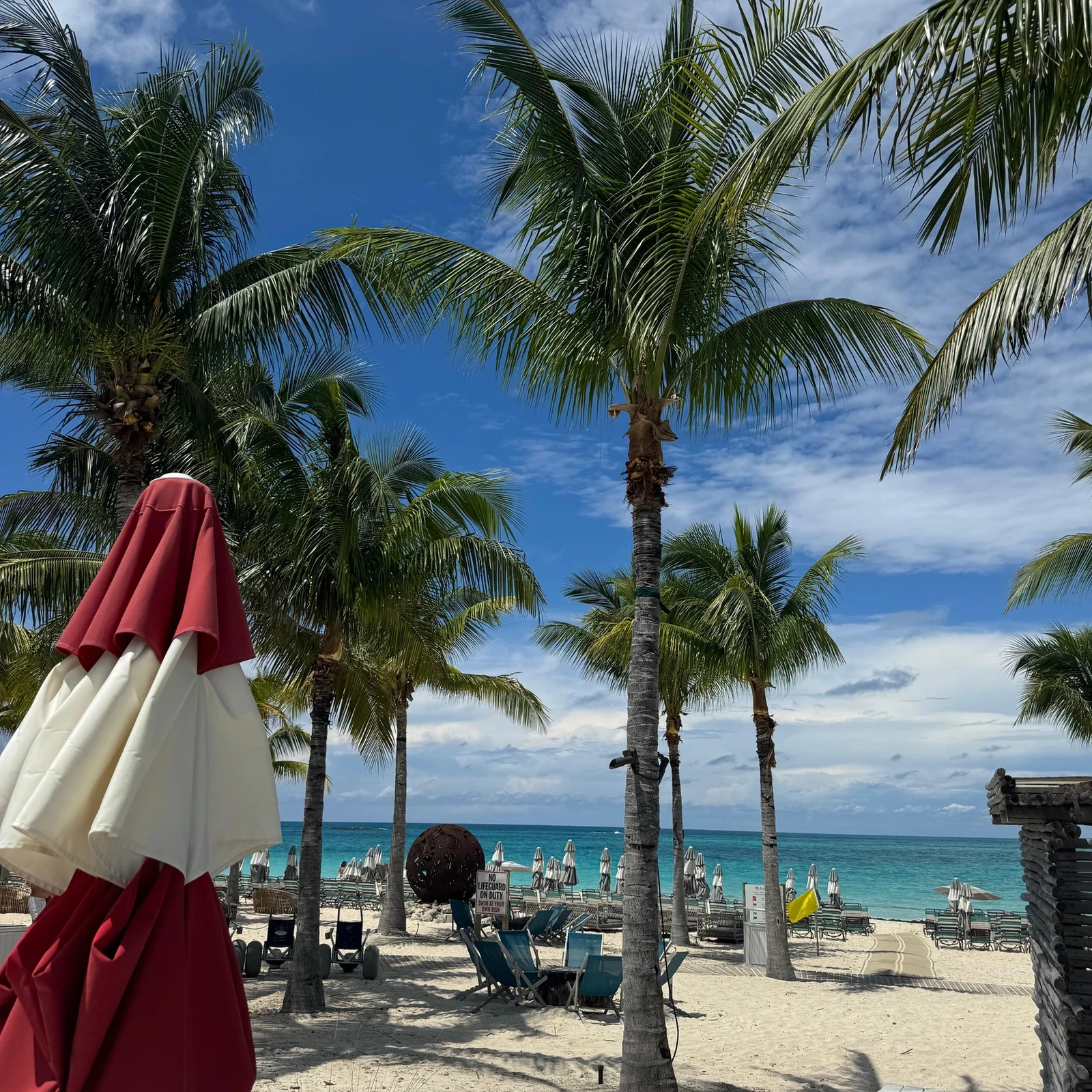
Plan a Bimini day trip from Miami with hotel transfers, a high-speed ferry, around 6 hours of free time, prices from €259 and about 15 hours total.
Choosing the best time to visit Miami can completely change the experience: palm trees leaning over sunlit avenues, Art Deco façades beneath blue skies, open-air terraces and an Atlantic Ocean that draws you toward the beach even in winter.

The best time to visit Miami depends on how you want to experience the city. It may feel suspended in an endless summer, with palm trees, Art Deco façades, open-air terraces and the Atlantic always close by, but visiting Miami in January and visiting in August are two very different trips. Miami weather changes throughout the year, as do humidity, hotel prices and even the pace of South Beach. That is why deciding when to visit Miami is less about finding one perfect date and more about balancing good weather, beach time, budget and atmosphere. For most travelers, April and November offer some of the best combinations of pleasant weather, beach time and more manageable crowds. Those chasing the most comfortable climate will find excellent conditions in winter, but they will also have to accept stronger demand and generally higher prices. Greater Miami & Miami Beach
Compare locations and options to find a base that suits your trip. Booking.com confirms current availability and pricing.
Find accommodation on BookingWinter is probably the most pleasant season for exploring Miami on foot and spending time outdoors.
Between December and March, much of the oppressive summer humidity disappears, and temperatures are far more comfortable for combining the beach, different neighborhoods and outdoor activities. January typically brings sunny days and relatively low humidity, while February falls within the peak tourist season.
It is an especially enjoyable time to walk along Ocean Drive in the morning, explore Little Havana without searching for air conditioning every few minutes, or spend an afternoon by the sea without feeling weighed down by the tropical heat.
The downside is simple: Miami's pleasant winter weather attracts plenty of other travelers too.
If you had to choose just one month for a first trip, visiting Miami in April would be one of the most sensible options.
The peak season begins to ease, temperatures rise without yet reaching summer extremes, and prices may start to come down. Miami’s own tourism bureau considers April the beginning of its shoulder season.
It is also still an excellent time to combine South Beach with Wynwood, Coconut Grove, Key Biscayne or a trip to the Everglades.
That does not mean Miami is empty. Easter, sporting events, festivals and certain weekends can completely change the atmosphere and hotel rates. But generally speaking, April offers a combination that is hard to beat.
May retains some of the advantages of the shoulder season.
The ocean, swimming pools and warm evenings begin to feel unmistakably summery, while conditions can still be appealing before the most demanding part of summer arrives. The trade-off is that humidity starts to become more noticeable, and certain weekends can draw sizable crowds.
It is a good choice for anyone who wants plenty of beach atmosphere without necessarily paying winter-season prices, provided they handle the heat well.
Miami in summer reveals the city at its most tropical and demanding.
It is hot, the humidity clings to your skin, and afternoon thunderstorms are common. The local tourism bureau even recommends scheduling outdoor activities for early morning or late in the day during the hottest months. In return, July and August generally see fewer tourists and better accommodation deals than the high season.
There is something appealing about this slower version of Miami: swimming pools become almost essential, cool restaurants provide refuge at midday, storms suddenly darken the sky, and evenings bring back the energy lost during the hottest hours.
But it should not be romanticized. If you want to spend hours exploring neighborhoods on foot, visiting Miami in July and August can be exhausting.
You should also consider Miami hurricane season and the official Atlantic hurricane season, which runs from June 1 to November 30. That does not mean traveling during those six months means you will encounter a hurricane, but it does make flexible bookings advisable and means you should keep an eye on weather forecasts as your trip approaches.
October begins to bring some relief from the heat, although it is still part of Miami hurricane season.
It can be a very pleasant month when conditions cooperate: less of a full-summer feel, plenty of local activity, and a city beginning to move back into its cultural season.
However, it is less predictable than November. If minimizing weather-related risks is your absolute priority, waiting a few more weeks may be the wiser choice.
Miami in November is another excellent window for visiting.
Days are generally milder and drier than in summer, while Miami gradually moves into its busiest season. That is also the drawback: as the weather improves, interest in visiting increases, and hotel rates can rise.
For travelers who want to combine the beach, walking, dining and city life, November can offer an even better balance than the heart of winter.
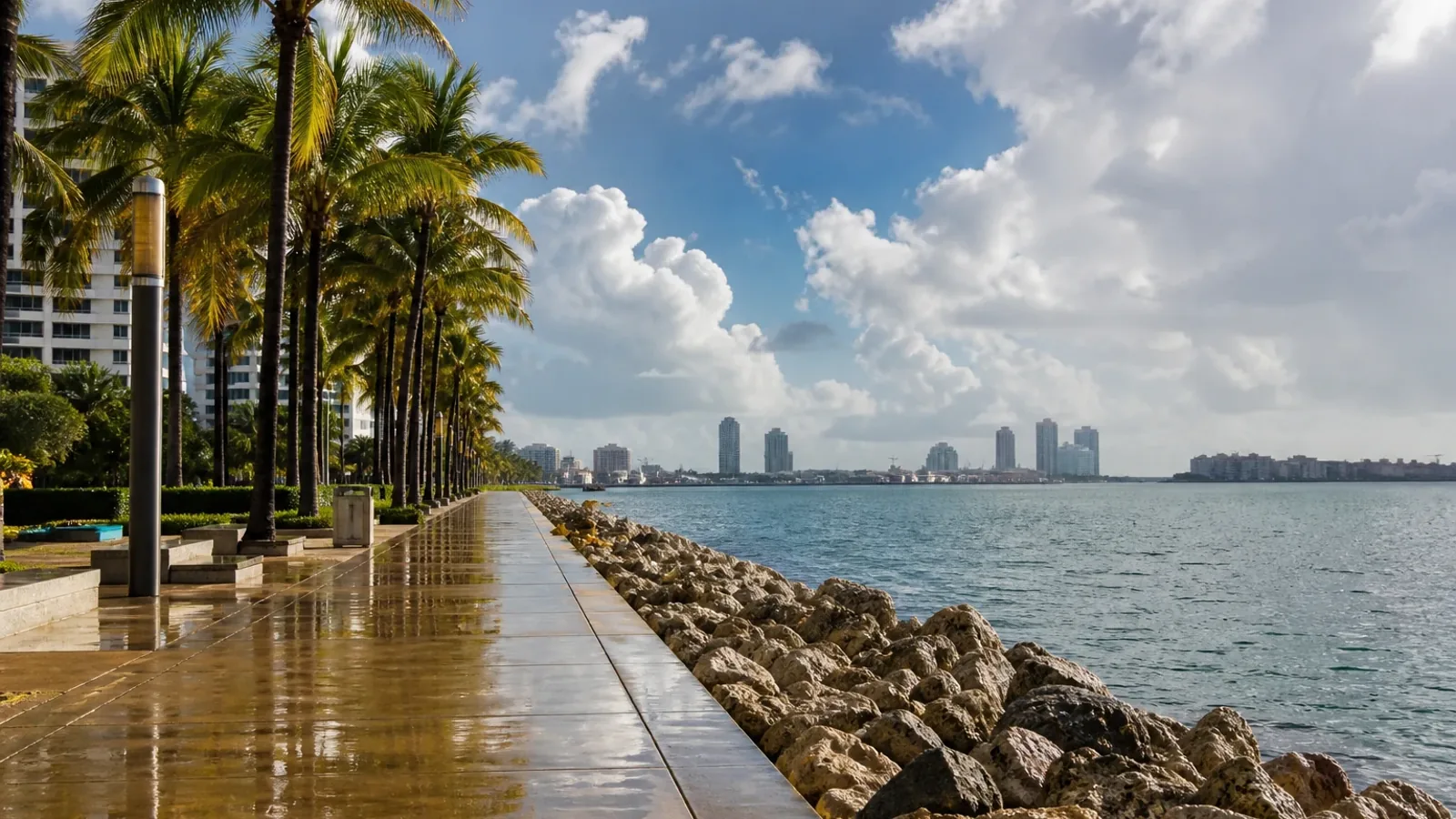
This is the Miami many people picture before they arrive: clear skies, mild temperatures, busy outdoor terraces and beaches that offer a sunny escape from colder regions.
It is also when the city’s international character is most apparent.
February is among the most popular periods, while December brings the arrival of winter visitors and a packed cultural calendar. That generally means greater competition for flights and hotel rooms.
For anyone with enough budget who dislikes humid heat, the advantages of Miami in winter are hard to argue with.
For those looking for quieter surroundings and lower prices, there are better options.
March has excellent weather, but it has a personality of its own.
Spring brings school vacations, festivals, major sporting and music events, and a particularly lively city. The usual calendar at this time of year includes events such as the Miami Open, Carnaval Miami and international festivals, although exact dates should always be checked each year.
Anyone looking for energy, parties and plenty of activity may love it.
Those imagining quiet beaches and relaxed dinners may prefer April or November.
Generally speaking, summer offers better Miami hotel prices than winter, precisely because the heat, humidity and rain reduce demand. The tourism bureau identifies July and especially August as quieter months, while February falls squarely within the high season.
But a cheaper hotel does not always mean a better trip.
Saving money by going in August only to discover that you hate walking around in intense humidity may prove to be a false economy. Likewise, paying more in January can make sense if you want to spend entire days outdoors, explore different neighborhoods and take excursions.
Miami has a cultural calendar capable of completely transforming a trip.
Winter concentrates major art and food events; spring brings festivals, sports and music; and summer features dining and entertainment campaigns and events designed to energize the quieter months. Art Basel Miami Beach, the South Beach Wine & Food Festival, the Miami Open, Ultra Music Festival and Carnaval Miami are regular fixtures on this seasonal calendar.
If one of them matters to you, it is worth planning your trip around the event. If not, it may be smart to do exactly the opposite: avoid those dates and experience a less crowded city.
April would be my choice for most people: warm enough to enjoy the beach, still pleasant enough to explore the city, and offering a reasonable balance between peak season and summer.
November is an excellent alternative if you prefer milder temperatures.
January and February are ideal for anyone who values weather more than budget.
July and August make sense for travelers looking to save money, who enjoy tropical heat and do not mind adapting their schedules around thunderstorms, humidity and air conditioning.
Miami can be enjoyed year-round, but not in the same way. Choosing the right month can make the difference between discovering a bright, ocean-facing city that is easy to explore and spending much of your trip trying to escape the heat, the crowds or an unexpectedly high bill.
Discover Miami through selected experiences combining city tours, Biscayne Bay, the Everglades, day trips and outdoor activities to suit the pace of your journey.
Activity on TourBookGoPlan a Bimini day trip from Miami with hotel transfers, a high-speed ferry, around 6 hours of free time, prices from €259 and about 15 hours total.
 Activity on TourBookGo
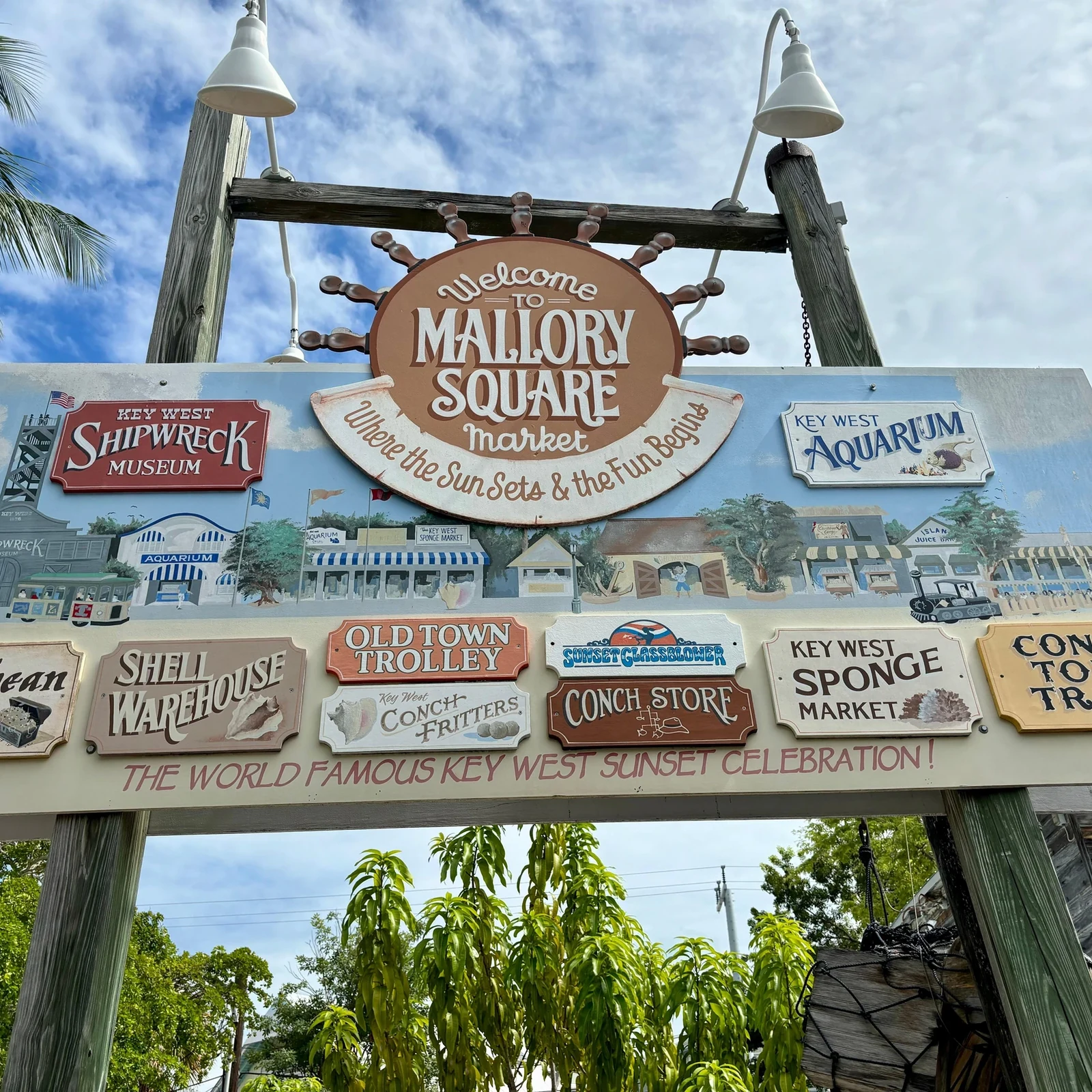
Around 15-hour Miami to Key West bus day trip through the Florida Keys and Seven Mile Bridge, with 5-6 hours of free time. From €30.
 Activity on TourBookGo
Explore the Everglades on a roughly 40-minute guided airboat ride at Sawgrass Recreation Park with admission to the alligator and reptile exhibit.