 Activity on TourBookGo
Miami to Bimini or Grand Bahama Ferry Day Trip
Book a Miami to Bimini or Grand Bahama ferry day trip with round-trip transport from Port Everglades, free time on the island and prices from €246.
This Miami itinerary groups neighborhoods and day trips that naturally fit together, helping you see more without spending your trip constantly crossing the city.
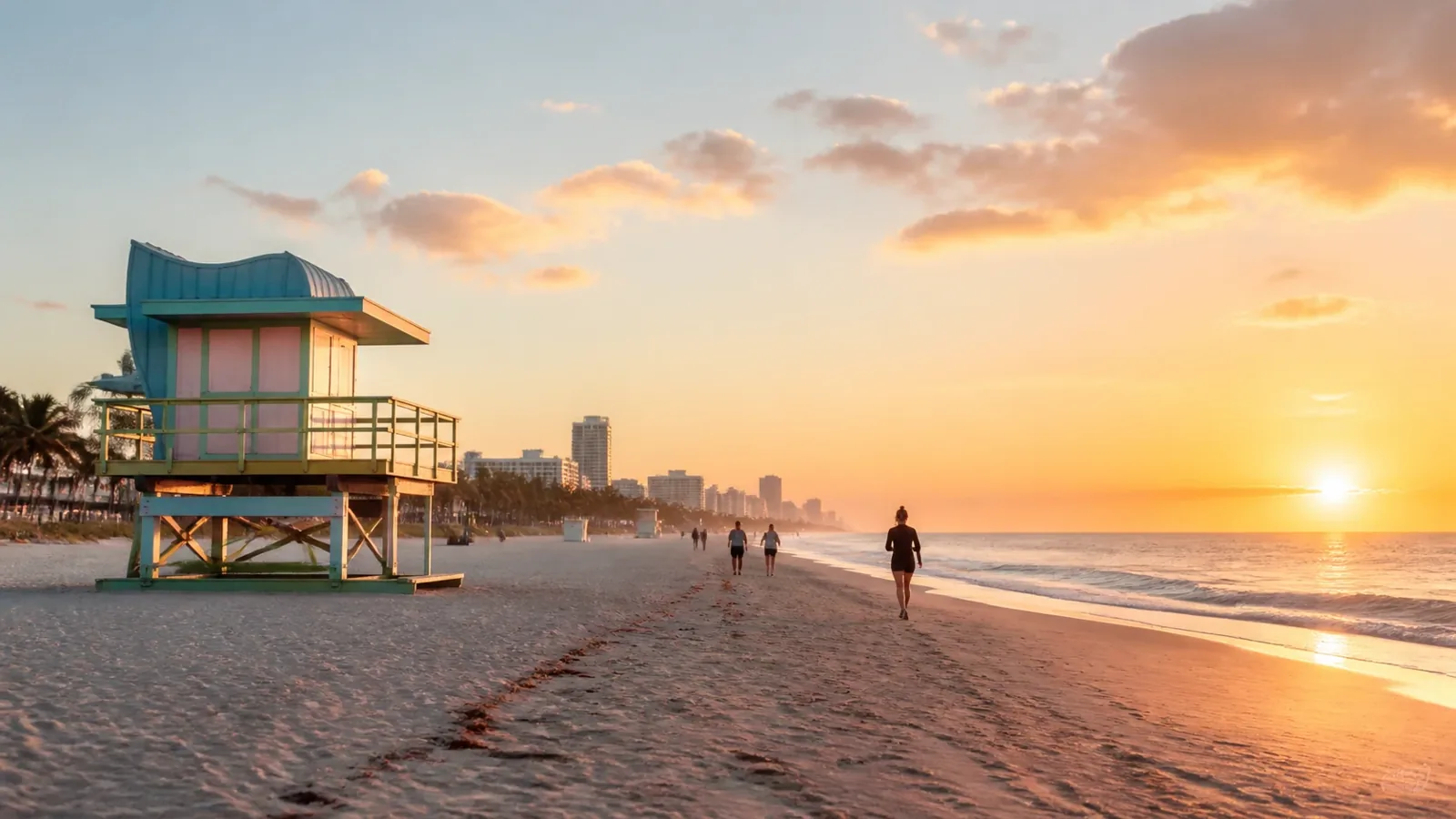
Planning a Miami itinerary seems easy until you look at the map. The beach lies across the bay, Little Havana moves to its own rhythm, Wynwood makes you want to stop in front of every mural, and the Everglades feel like another world entirely. Trying to see everything in a hurry usually turns the trip into a succession of car rides, traffic lights, and hastily taken photos. The key to deciding what to see in Miami is grouping neighborhoods that naturally fit together. South Beach deserves time of its own; Little Havana should not be reduced to a twenty-minute stop; and an Everglades trip almost always deserves a full day. Whether you have Miami in 1 day, 2 days, 3 days, or a full week, planning by area makes it much easier to enjoy South Beach, Little Havana, Wynwood, Coconut Grove, and Key Biscayne at a comfortable pace.
Compare locations and options to find a base that suits your trip. Booking.com confirms current availability and pricing.
Find accommodation on BookingWith 24 hours, you have to accept one thing: you are not going to get to know Miami in depth; you are going to choose a memorable first impression.
Morning: South Beach and the Art Deco District
Start early by the ocean. Walk along Ocean Drive while the light is still soft, cross over to the beach, and take your time exploring the streets of the Art Deco District, which stretches roughly from 5th to 23rd Streets around Ocean Drive, Collins Avenue, and Washington Avenue.
If this is your only day, I would not spend the whole morning lying on the sand. An hour at the beach can be enough to experience that Miami of turquoise water, palm trees, and pastel-colored buildings that really does exist, even if it is also the city’s most overused image.
Midday and Afternoon: Little Havana
Then head across to Little Havana and focus your visit around Calle Ocho. There you will find Cuban restaurants, walk-up coffee windows, cigar shops, galleries, music, and the small everyday world of Domino Park. It is an area that becomes far more rewarding once you stop chasing “famous sights” and simply walk, eat, and observe.
Sunset: Downtown or Brickell
Finish the day beside Biscayne Bay or among the skyscrapers of Brickell. There is no need to pack the evening with activities too. Miami works better when you leave yourself a little room to sit by the water, have dinner without watching the clock, and let the light change.
With only one day, I would leave Wynwood out. You can fit it in, but then you will end up experiencing three neighborhoods more through a car window than from the street.
With two days, a much more interesting version of the city begins to emerge.
Day 1: South Beach at an Easy Pace
Dedicate your first day to Miami Beach: the beach in the morning, a walk through the Art Deco District, a leisurely lunch, and a return to Ocean Drive after dark. South Beach is touristy, expensive in certain places, and at times almost too theatrical, but its combination of distinctive architecture and coastal character remains hard to replace.
Day 2: Little Havana + Wynwood + Design District
Start in Little Havana and stay until after lunch. Then head to Wynwood, where the scenery changes completely: warehouses, murals, galleries, restaurants, and street art. A Little Havana and Wynwood itinerary gives you two of Miami’s most distinctive and contrasting neighborhoods in a single day.
If you still have energy, continue to the Miami Design District, just north of Wynwood. It is more polished, upscale, and focused on design, architecture, art, and luxury boutiques. It will not appeal equally to everyone: travelers looking for authentic neighborhood life may find it a little too refined or commercial.
Three full days is probably the minimum I would recommend if you want to feel that you have experienced several different sides of Miami.
Day 1 — South Beach
Beach → Art Deco → South Pointe and a sunset walk → dinner in Miami Beach.
Day 2 — Little Havana + Wynwood
Calle Ocho in the morning → Cuban lunch → Wynwood in the afternoon → optional Design District at the end of the day.
Day 3 — Vizcaya + Coconut Grove + Key Biscayne
Start at Vizcaya Museum and Gardens, a historic villa overlooking Biscayne Bay and surrounded by gardens. It is worth checking the schedule before planning your day, as opening days and hours can vary.
Then continue to Coconut Grove, which is much greener and more relaxed than Downtown, and save the end of the afternoon for Key Biscayne if you want to return to the ocean away from the spectacle of South Beach. The island combines beaches and natural areas and is relatively close to central Miami.
This third day is deliberately slower. And the trip is better for it.
With seven days, you can alternate between city life, beaches, and nature without turning every day into a race.
Day 1 — South Beach and Art Deco
First encounter with the ocean, architecture, and an evening stroll.
Day 2 — Little Havana and Brickell
Take your time on Calle Ocho, enjoy a Cuban meal, and end the day with the contrast between the neighborhood’s immigrant history and the vertical Miami of Brickell.
Day 3 — Wynwood and Design District
Street art, galleries, cafés, and contemporary architecture.
Day 4 — Vizcaya, Coconut Grove, and Key Biscayne
A greener, more elegant day, ending near the ocean.
Day 5 — Everglades National Park
Set aside the entire day. The Everglades are vast and have several different access points; there is no single “main entrance” that lets you see everything. From the Miami area, you can plan different routes depending on the type of landscape or activity you want to experience.
I would not try to combine the Everglades with half a dozen city attractions. The trip deserves a complete change of pace: still water, wetlands, birds, reptiles, and a horizon that seems to erase Miami from the map.
Day 6 — Biscayne National Park or a Beach Day
Biscayne National Park is an especially appealing choice if you enjoy the ocean. Around 95% of the park is covered by water, so much of the experience is best enjoyed through water-based activities or organized excursions.
If marine nature is not your thing, use this day to return to the beach, explore another neighborhood, or simply relax.
Day 7 — The Miami You Still Have Left
Do not overplan it. Go back to the place you liked most, book a good meal, spend a few hours by the ocean, or discover something you had to leave out.
A free day at the end often adds more to a trip than another day with eight places pinned on Google Maps.
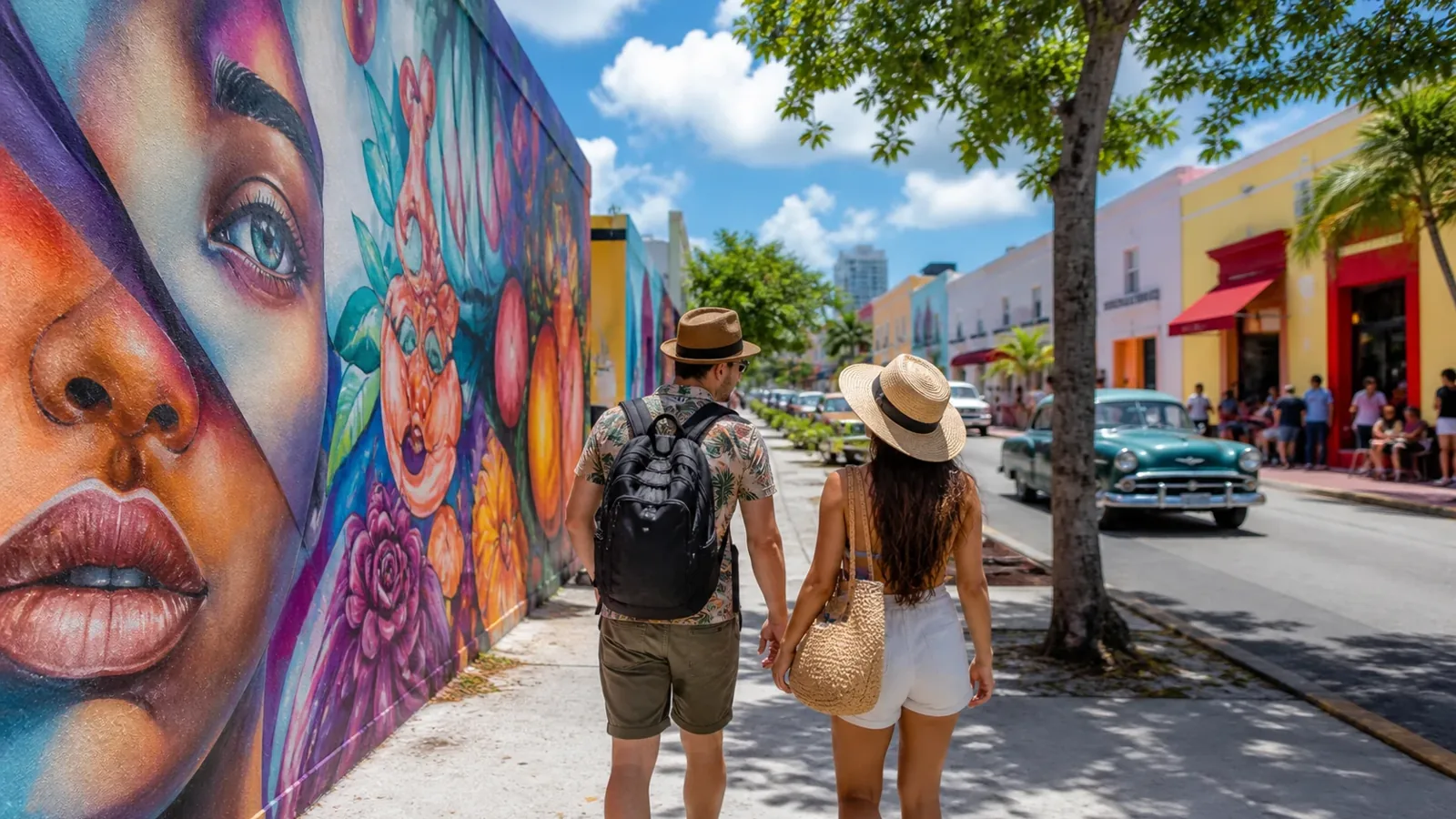
For the first few urban days, not necessarily. Miami Beach operates a free trolley service, and the City of Miami also runs free trolley routes through areas such as Brickell, Coconut Grove, and Little Havana.
That does not mean public transportation is always the fastest option. For a short stay, combining walking, public transit, and occasional taxi or ride-hailing trips can help you avoid the cost and hassle of parking.
For nature excursions such as the Everglades, having a car or booking a tour can make the day much easier.
During the hotter, more humid months, it is best to schedule long walks for the morning and leave museums, meals, or breaks for the middle of the day. South Florida has a clearly defined rainy season, and the Everglades themselves recommend planning visits differently during the wet season.
Rain does not necessarily mean losing the entire day, but designing such a rigid schedule that a brief storm ruins the whole itinerary is a mistake.
It is thinking that Miami is only South Beach.
The beach deserves a place in your trip, but the city becomes much more interesting once you add the coffee of Little Havana, the murals of Wynwood, the greenery of Coconut Grove, and the almost prehistoric silence of the Everglades.
For a first visit, I would choose at least three days, and five if you can afford the time. With a full week, Miami stops feeling like a collection of icons and begins to reveal something more complex: an American city with a strong Latin pulse, sharply contrasting neighborhoods, extraordinary nature, and a constant relationship with the sea—sometimes beautiful, sometimes excessive.
Discover Miami through selected experiences combining city tours, Biscayne Bay, the Everglades, day trips and outdoor activities to suit the pace of your journey.
Activity on TourBookGoBook a Miami to Bimini or Grand Bahama ferry day trip with round-trip transport from Port Everglades, free time on the island and prices from €246.
 Activity on TourBookGo
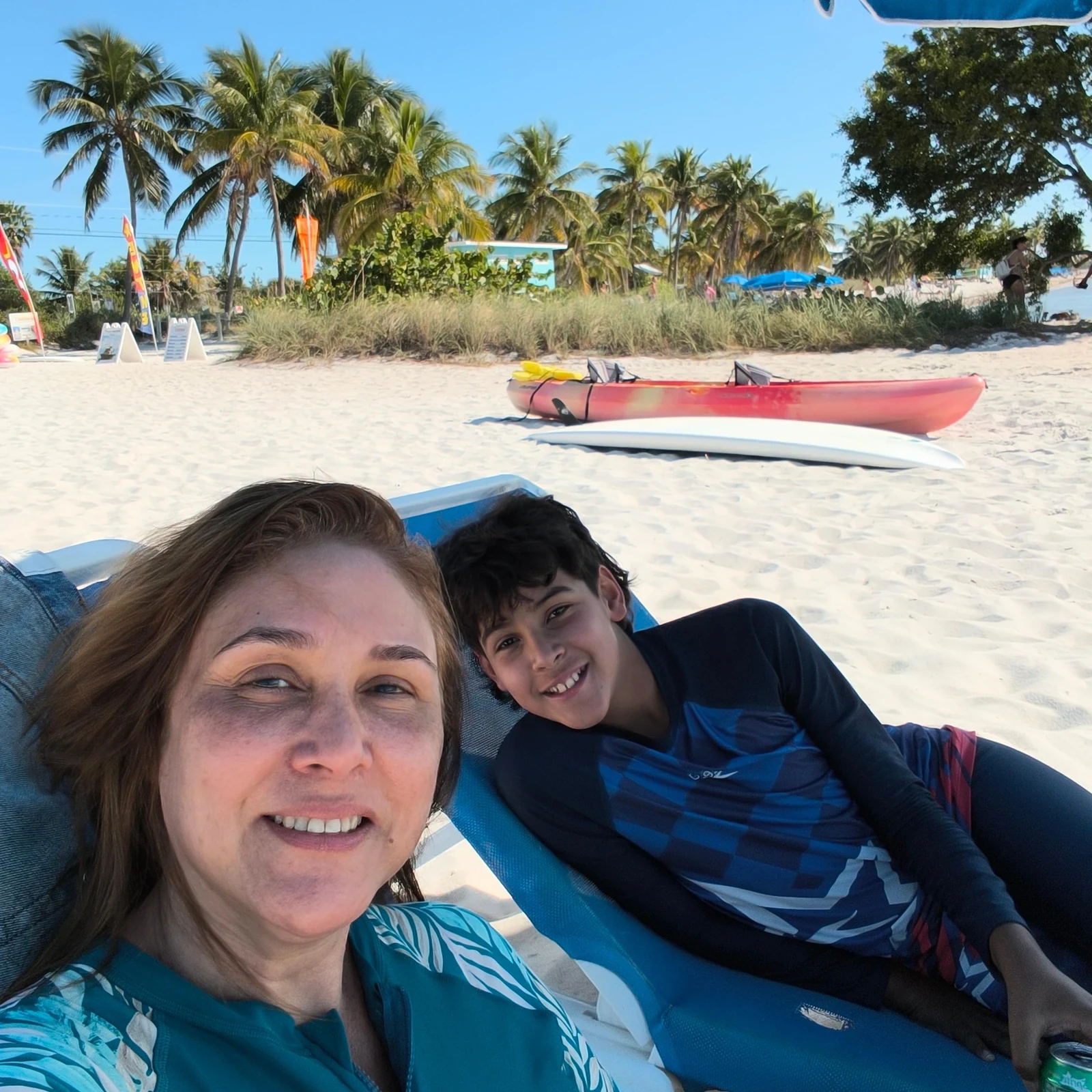
Discover Key West from Miami on a 15-16 hour day trip with transportation, free time and options for snorkeling, dolphin watching or a glass-bottom boat.
 Activity on TourBookGo
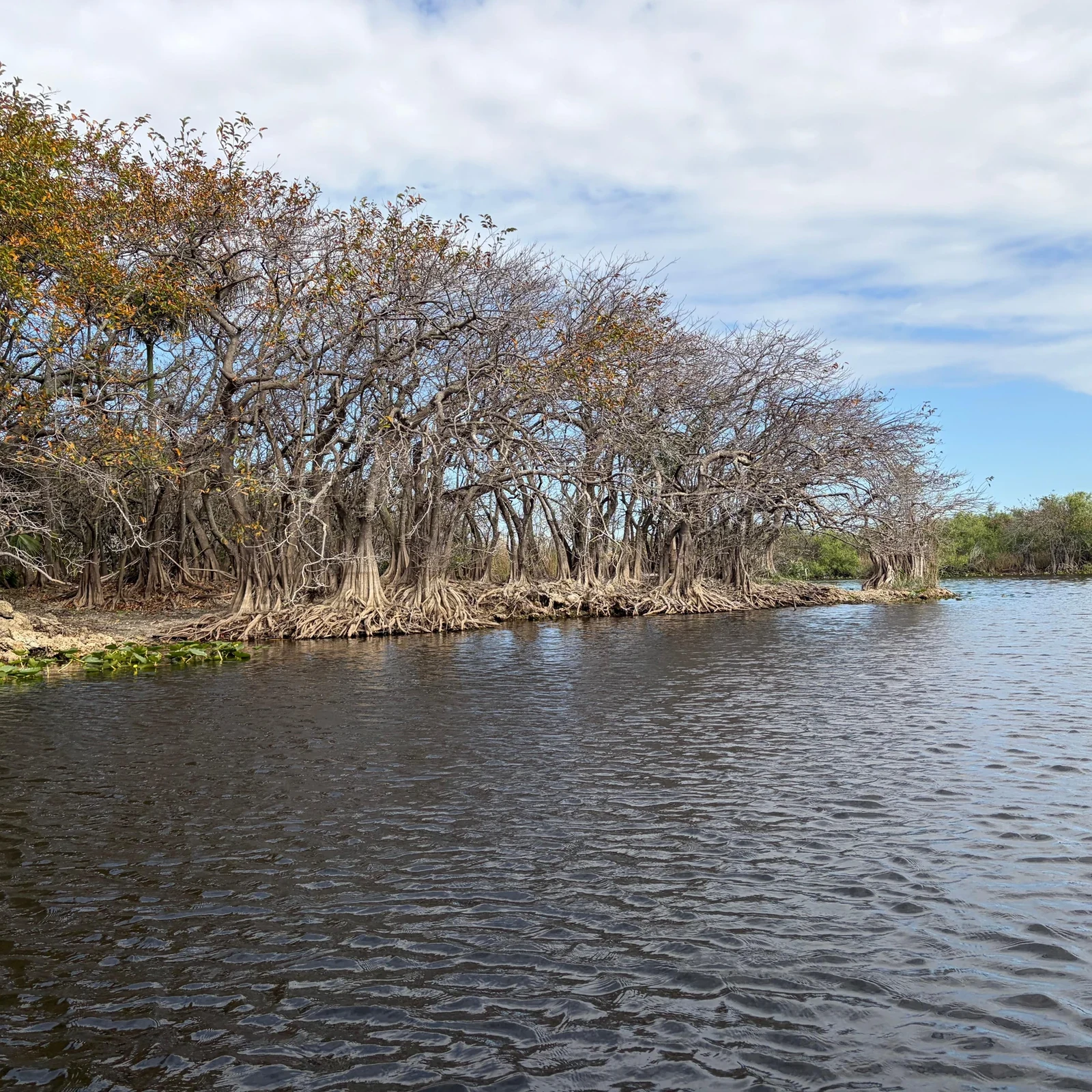
Take an Everglades airboat tour from Miami with round-trip transport, around 45 minutes on a guided airboat ride and free time at the visitor center.