 Activity on TourBookGo
Miami 5-in-1 City Tour: See Miami’s Highlights in 3.5 Hours with a Bilingual Guide
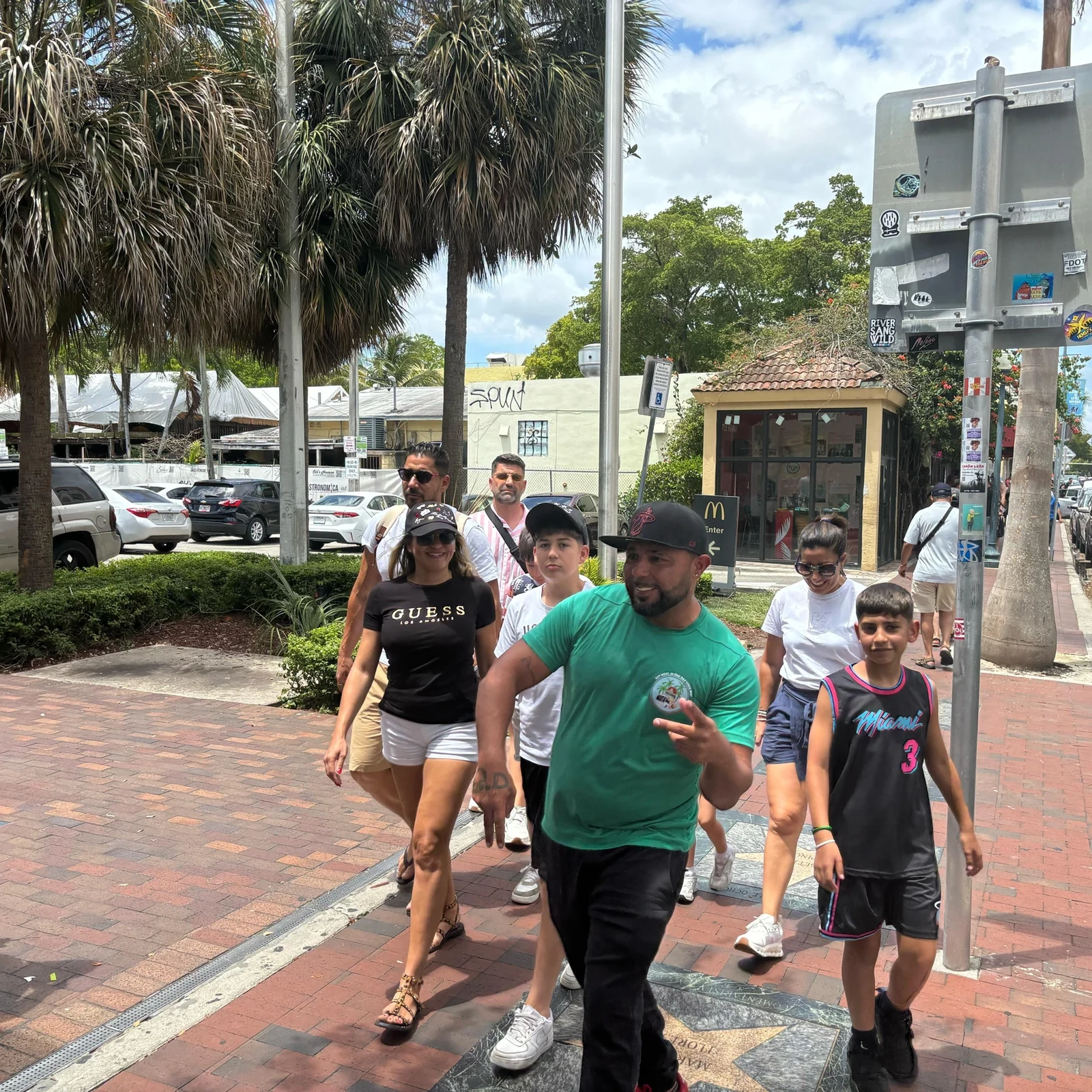
Miami 5-in-1 City Tour covering Star Island, South Beach, Wynwood and Little Havana in 3.5 hours, with a bilingual guide and up to 13 guests.
Yes, Miami is worth visiting if you like the idea of combining beaches, distinctive neighborhoods, Latin culture, food, and a city that changes character from one area to the next.
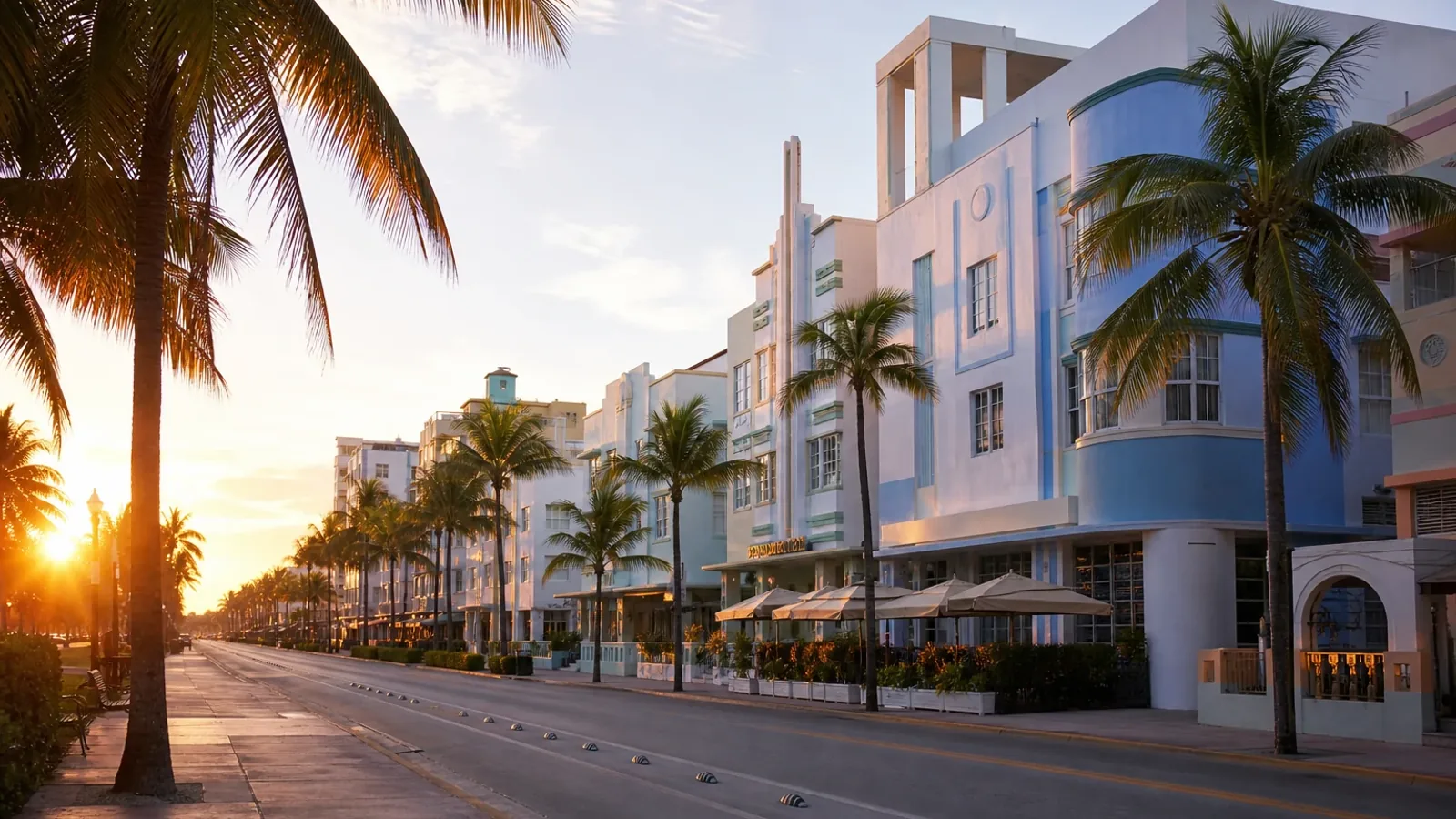
If you are wondering, “Is Miami worth visiting?”, the answer starts with its contrasts. The almost electric blue of the Atlantic, the Art Deco façades framed by palm trees, cars moving along huge avenues, and the kind of heat that seems to cling to your skin all create an image that feels familiar even to people who have never been there. But the real Miami is far more complex than the postcard version of South Beach. It is a sprawling city, expensive in certain ways, excessive on some nights, and not especially accommodating to anyone hoping to explore it like a compact European capital. At the same time, it brings together beaches, architecture, food, Latin American and Caribbean communities, contemporary art, and a cultural energy that changes dramatically from one neighborhood to the next. South Beach, Little Havana, Wynwood, Coconut Grove, and Little Haiti all offer very different experiences. Greater Miami & Miami Beach +1 Yes, Miami is worth visiting, but the experience is much better when you know which neighborhoods suit your travel style instead of treating South Beach as the whole city.
Compare locations and options to find a base that suits your trip. Booking.com confirms current availability and pricing.
Find accommodation on BookingIts greatest strength is the mix.
In the morning, you can walk along the ocean as the light reflects off the pastel-colored buildings of South Beach; a few hours later, sit near Calle Ocho surrounded by conversations in Spanish; and end the day among murals, galleries, and restaurants in Wynwood.
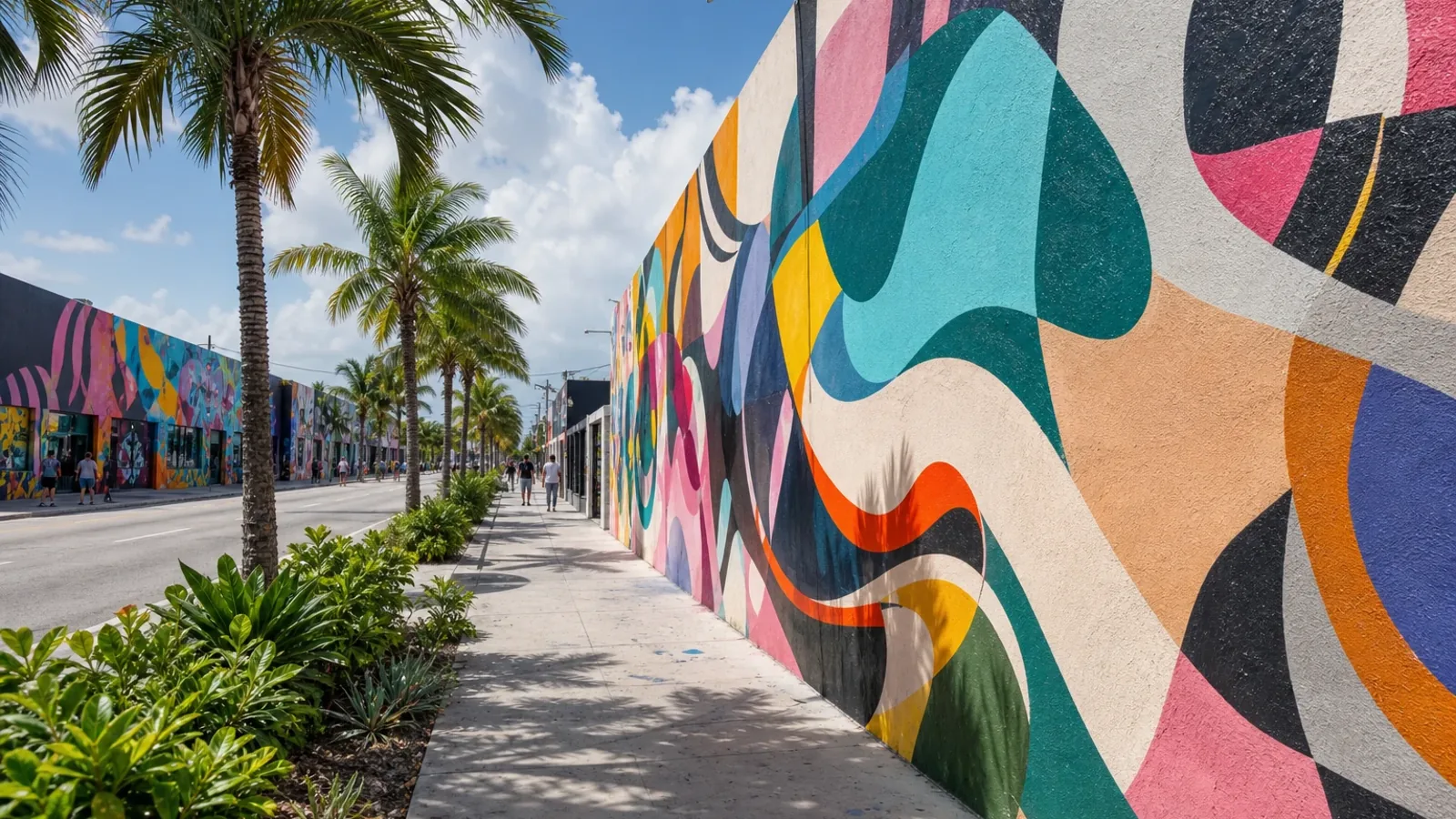
Little Havana has a very visible Cuban heritage expressed through its food, music, dancing, and the everyday life of Calle Ocho, while Wynwood has transformed former industrial spaces into one of the city’s major art and dining districts.
Greater Miami & Miami Beach +1
And then there is the ocean.
South Beach can sometimes feel like a movie set, but the Atlantic remains a fundamental part of the experience. Pale sand, an open horizon, paths running along the coast, palm trees, and Art Deco buildings create an urban-tropical combination that is difficult to confuse with any other American city.
Greater Miami & Miami Beach +1
Miami works precisely because of these contrasts: Spanish and English, beaches and skyscrapers, luxury and working-class neighborhoods, historic architecture and glass towers, Cuban coffee and fine dining.
For a first trip of several days, yes.
But it is worth letting go of the idea that Miami is only about Ocean Drive.
Staying exclusively around South Beach can leave you with an incomplete impression: hotels, terraces, beach, traffic, nightlife, and high prices. It is probably Miami’s most famous image, but not necessarily its most interesting one once the first few hours have passed.
The city becomes more rewarding when you combine several different areas.
A morning at the beach, a walk through the Art Deco district, Little Havana in the late afternoon, and another day devoted to Wynwood or Coconut Grove give you a much better sense of its personality. That variety of neighborhoods is precisely part of what makes Greater Miami distinctive.
Greater Miami & Miami Beach
Miami is especially worth it if you’re looking for…
Beach and city in the same trip.
You do not have to choose between days by the sea and an urban atmosphere.
Food and Latin culture.
Miami’s identity cannot be understood without the communities that have arrived from Cuba, the Caribbean, and different parts of Latin America.
Nightlife.
There is everything from South Beach clubs to salsa in Little Havana and more creative bars in other parts of the city.
Greater Miami & Miami Beach
Architecture and photography.
Miami Beach’s Art Deco heritage provides some of Florida’s most recognizable urban scenes.
Greater Miami & Miami Beach
A fast-paced trip.
Miami suits travelers who enjoy moving between neighborhoods, restaurants, beaches, shopping, terraces, and late nights rather than spending every day ticking off major monuments.
Miami makes less sense for travelers looking for a historic city that can be explored entirely on foot.
Distances matter. Although some neighborhoods are pleasant to walk around and there is a Metrobus, Metrorail, and Metromover network—the latter serving the Downtown area—the city is very spread out, and getting from one area to another can take a considerable amount of time.
Miami-Dade +2 Miami-Dade +2
It is not the easiest option for a very tight-budget trip either. Well-located accommodation, fashionable restaurants, parking, and nightlife can quickly push up the cost.
And anyone expecting to encounter cinematic Miami everywhere may be surprised. The city also has traffic, huge avenues, areas that are unpleasant to walk through, and residential neighborhoods with little or no tourist interest.
That does not ruin the trip. It simply means choosing carefully where you spend your time.
It can be.
Your budget depends enormously on where you stay and how you want to experience the city. Staying close to the beach, eating exclusively in tourist areas, constantly using private transportation, and adding clubs, cocktails, and shopping can easily turn the trip into an expensive one.
But Miami does not force you to travel that way.
There are beaches and promenades that cost nothing, neighborhoods best enjoyed simply by walking around, and a dining scene that extends far beyond elegant waterfront restaurants.
The common mistake is confusing Miami with the most expensive version of Miami.
Travelers who prioritize location, choose a few indulgences instead of making every meal one, and plan their transportation sensibly can keep their budget under much better control.
Three days are enough to get a reasonable first impression.
Four or five days are much more enjoyable if you want to combine beaches and neighborhoods without spending the whole trip watching the clock.
With less time, Miami can feel rushed. With a week, on the other hand, slower days and trips beyond the best-known areas start to make more sense.
For a first visit, four days strike an especially good balance: enough variety without having to fill every hour with activities.
Miami may sell the image of endless summer, but its tropical climate has nuances.
The warmer months coincide with a period of higher humidity and frequent rainfall in South Florida; the National Weather Service identifies a clearly defined rainy season in the region.
National Weather Service +1
That does not necessarily mean entire days of rain, but heat, humidity, and thunderstorms can affect your plans.
Milder periods are generally better for long walks and outdoor dining, although they can also be more popular with other travelers and push accommodation prices higher.
Miami changes considerably depending on when you visit. Choosing your dates based solely on beach weather can be a mistake.
The first is staying only in South Beach. It is worth seeing, but making it the entire trip reduces Miami to its most touristy façade.
The second is underestimating distances. Grouping your plans by area usually saves unnecessary travel time.
The third is trying to do too much. Miami is more enjoyable when you leave room to sit down, walk by the ocean, step into a café without having planned it, or stay an extra hour in a neighborhood that catches your interest.
And the fourth is traveling there expecting constant glamour.
There is glamour, of course. But there are also supermarkets, highways, family neighborhoods, sticky heat, sudden rain, and traffic. Part of the appeal lies precisely in seeing how the real city coexists with the image it exports to the rest of the world.
Yes, especially for travelers who want to combine the ocean, city life, food, Latin culture, and a very distinctive urban atmosphere.
Miami has personality. And that matters more than simply being beautiful.
It does not need to appeal to everyone. It can be expensive, spread out, and noisy; some areas feel overly designed for tourists, and certain distances become frustrating when traffic gets bad.
But once you move a little beyond the postcard image, a far more interesting city emerges: coffee enjoyed amid conversations in Spanish, an Art Deco façade lighting up at dusk, music spilling out of a Little Havana venue, and the Atlantic still glowing blue at the end of an avenue.
Miami is worth visiting when you are not only looking for the Miami you have seen in photographs, but also for the city that exists behind them.
Discover Miami through selected experiences combining city tours, Biscayne Bay, the Everglades, day trips and outdoor activities to suit the pace of your journey.
Activity on TourBookGoMiami 5-in-1 City Tour covering Star Island, South Beach, Wynwood and Little Havana in 3.5 hours, with a bilingual guide and up to 13 guests.
 Activity on TourBookGo
Discover Superblue Miami, an immersive interactive art experience with digital installations, a mirror maze and 3,000 lights. Tickets from €32.
 Activity on TourBookGo
4-hour Biscayne Bay tour with Raccoon Island, a guided wildlife walk, swimming at Haulover Sandbar and views of Indian Creek Island.