Munich is well suited to a mix of walking and public transport. The centre invites you to explore on foot, while the U-Bahn, S-Bahn, trams and buses help you move between neighbourhoods without planning each day around a car. The useful question is how much time you want to spend in each place, not just how far apart they look on a map.
Explore the Altstadt on foot and use public transport for longer journeys.
Check ticket zones and conditions, especially for journeys to the airport.
Decide whether you need a car based on the whole trip, particularly visits outside the city.
Hotels
Accommodation in Munich
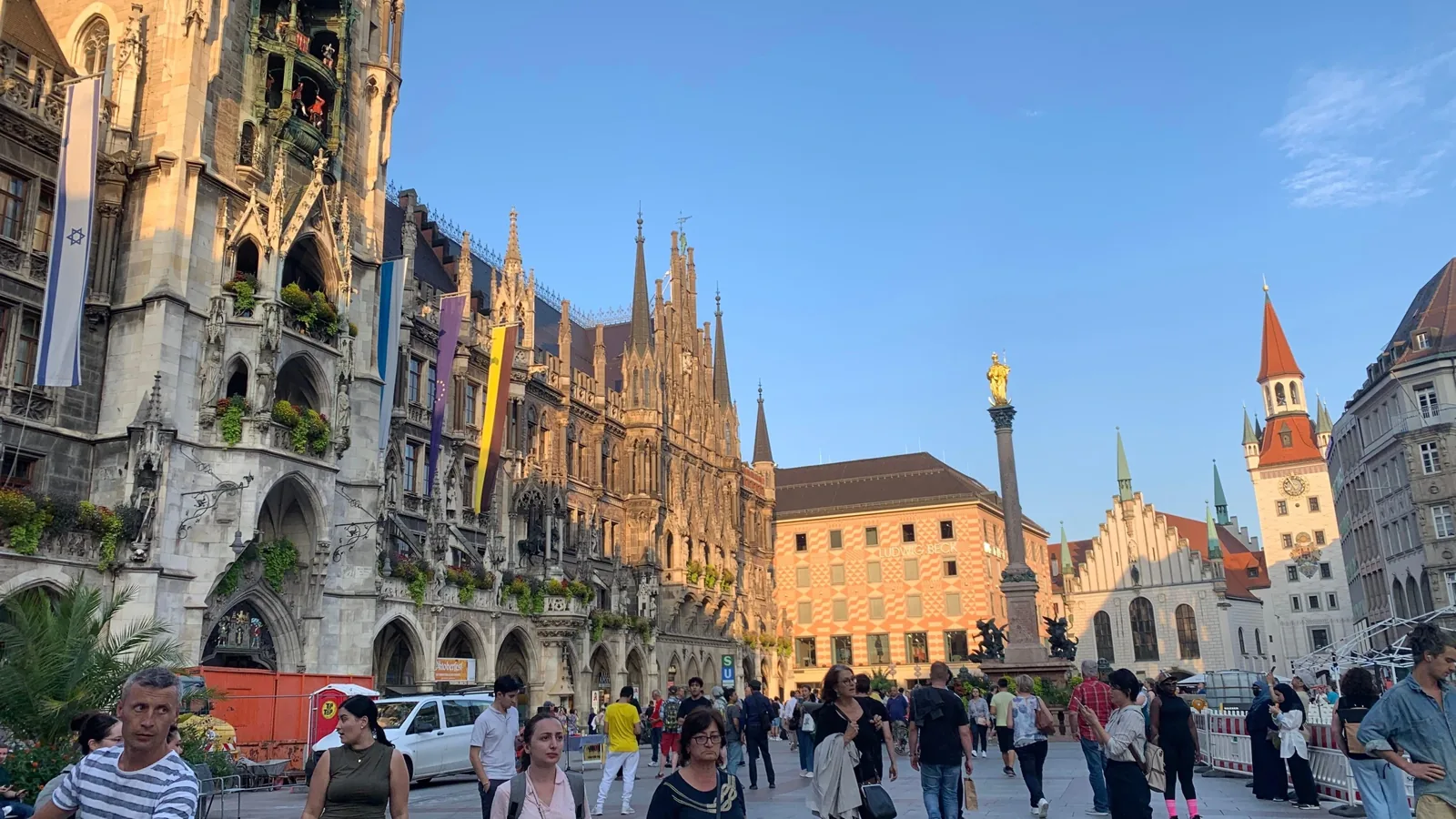
The photo shows Marienplatz and a U-Bahn entrance in central Munich. Compare accommodation locations against your planned journeys; Booking.com confirms current availability and pricing.
If you’re staying near the Altstadt, walking is usually the most enjoyable way to get to know it. Between Marienplatz, the shopping streets and the old town squares, there are plenty of reasons to stop that you might miss if you treated every stretch as a journey from A to B.
A walkable centre doesn’t mean a small city. A day that includes museums, the Englischer Garten and a walk along the Isar can become a long one. Mixing walks with public transport leaves you with more energy to enjoy the places you visit.
Public transport between neighbourhoods
The U-Bahn and S-Bahn cover longer distances, while trams and buses fill the gaps and help you reach areas beyond the old town. To visit neighbourhoods such as Maxvorstadt, Schwabing or Haidhausen, it’s usually more comfortable to combine a journey with a walk than to do everything on foot.
Before buying a ticket, check which zones it covers and its conditions of use, especially if you’re travelling to the airport or beyond the central area. If you’re making several trips in a day, compare the options for your route. Check service updates before an important connection, too: works may change a route that looks simple on the map.
Cycling and walking beside the Isar
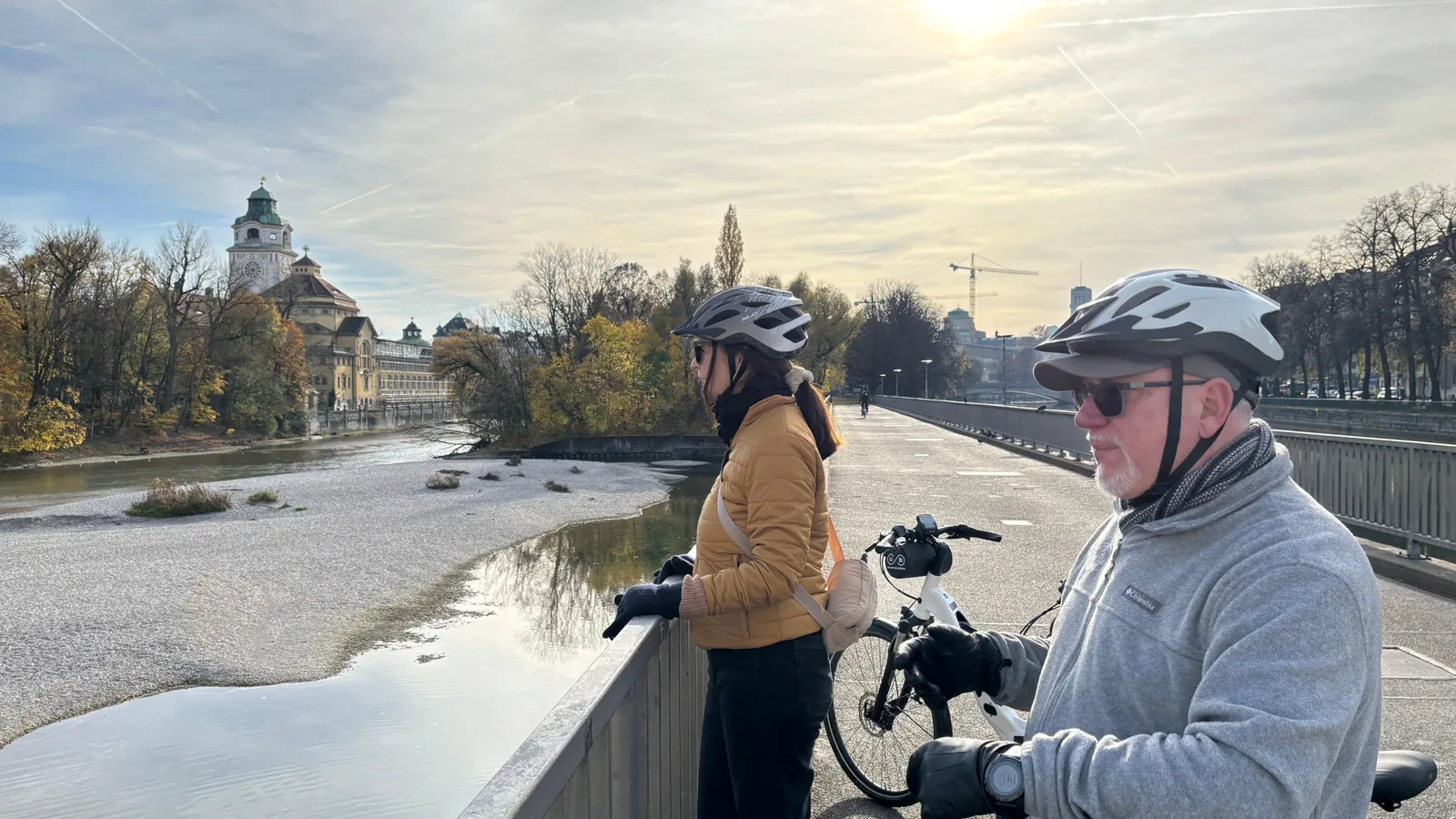
A bike can give you the freedom to explore green spaces or travel between neighbourhoods without relying on stops along the way. It particularly suits a day with few fixed visits and time to take a detour. If you don’t know the city, start with a short ride and respect areas marked for cyclists and pedestrians. The photo shows cyclists stopped on a bridge over the Isar in Munich.
The Isar and the parks also invite you to slow down. Here, walking becomes part of the plan rather than just a way to get somewhere. If it rains, turns cold or you get tired, public transport makes the return journey easier.
When a car makes sense
For a visit focused on Munich, a car usually brings more hassle than benefits: traffic, finding somewhere to park and having to return to collect it. It may make sense if your trip includes several places outside the city that are difficult to reach by public transport, or if luggage makes those journeys awkward.
Decide based on the trip as a whole. You don’t need a car for every day of your stay just because it will be useful for one excursion.
A comfortable way to plan each day
If you’re staying centrally, plan each day around one area: explore it on foot, then use public transport to move to the next. If you’re staying farther out, first check how you’ll reach the places you want to visit and what options you’ll have for getting back.
Leave some space between visits. That gives you time to sit in a square, step into a park or follow a street that first seemed unremarkable. Getting around well means arriving without unnecessary effort and still having time to linger.
C
DiscoverCars
Car rental
Compare prices and book your rental car at the best price.
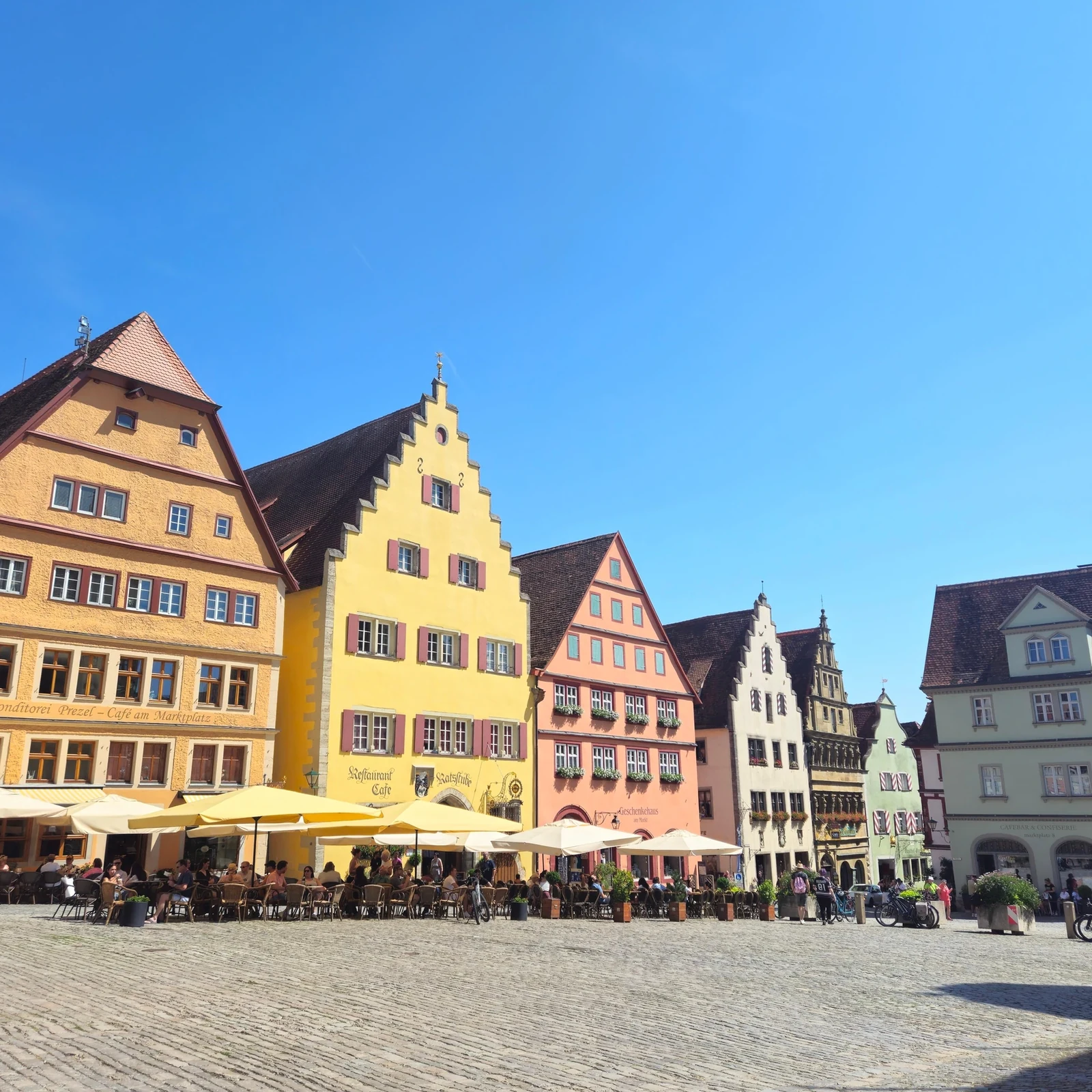
Leave Munich by bus, travel through Romantic Road scenery and explore Rothenburg ob der Tauber independently. The plan includes a stop at Harburg Castle, although the itinerary marks it as optional.
The advertised duration is 10 hours 30 minutes; journey times and stops are indicative.
Leave Munich for Zugspitze, ride the cable car up and spend free time on the mountain before descending by cogwheel train.
The trip is advertised as 8 hours. The explicitly listed itinerary times add up to 7 hours and 25 minutes; the listing does not explain the difference and says the itinerary may change.
 Activity on TourBookGo