 Activity on TourBookGo
Munich City Pass: attractions and optional transport
The Munich City Pass brings together admission and tours for exploring Munich at your own pace. Choose 1 to 5 days and decide whether to add public transport.
Pair a walk through the centre with a museum, a park or an afternoon by the Isar. Munich rewards leaving time to pause.
Munich is best enjoyed without trying to turn every day into a string of sights. Its centre invites you to walk, its museums deserve time, and its parks and riverbanks offer a glimpse of everyday life. A good approach is to pair one area of the city with an experience you can enjoy at your own pace.
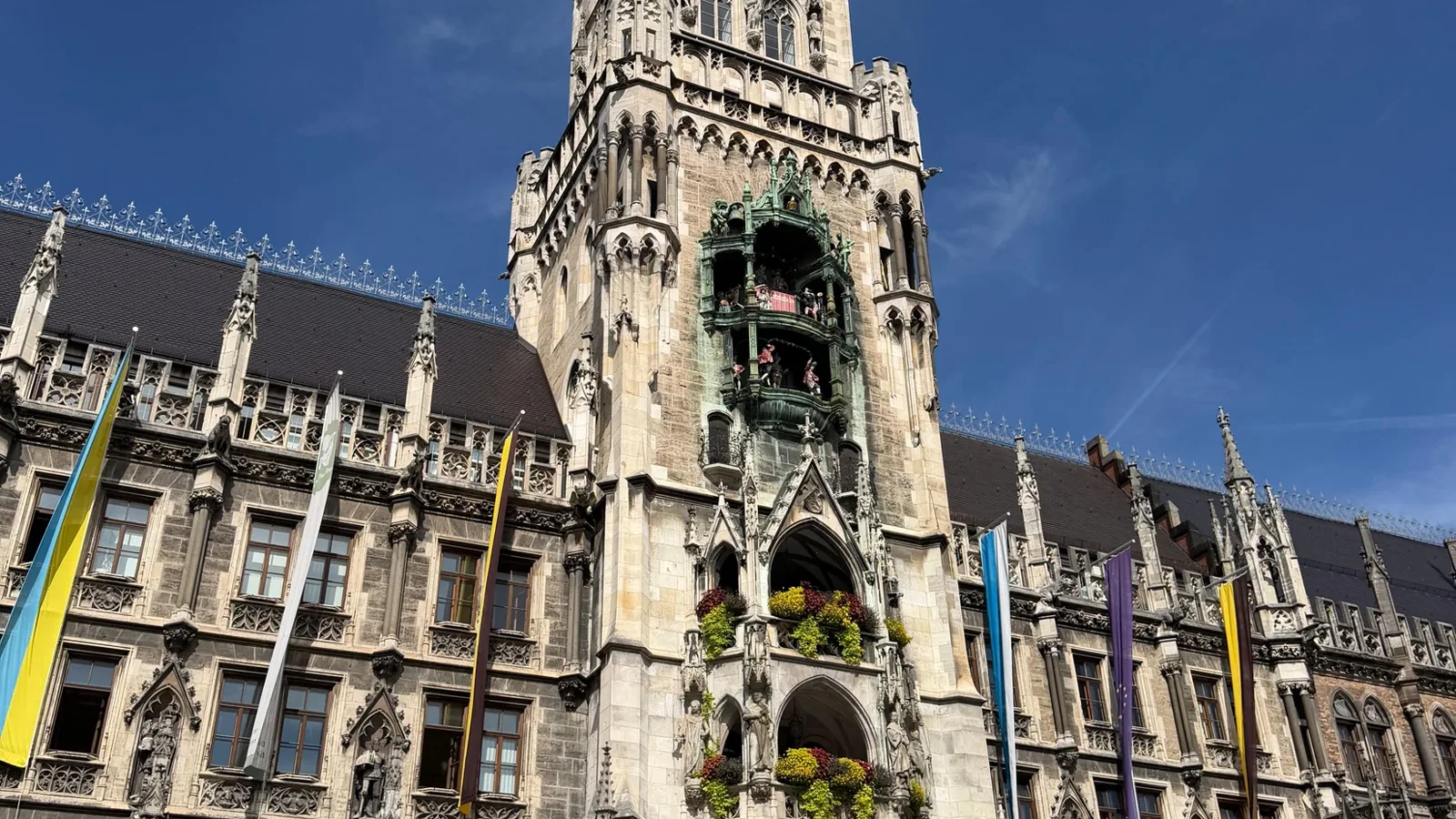
The photo shows the New Town Hall at Marienplatz, a starting point for exploring the centre. Compare accommodation locations against your plans; Booking.com confirms current availability and pricing.
Find accommodation on BookingMarienplatz makes a useful starting point for understanding central Munich. The Neues Rathaus stands on the square, and the Frauenkirche is nearby. Pause to notice how the square, civic building and church relate to one another before moving on. Those landmarks give the walk a clear frame without turning the old town into a checklist of sights.
Viktualienmarkt adds a different side of the old town: it is a food market rather than another historic building. Walking from Marienplatz towards its stalls shifts the focus from landmarks to everyday food shopping. For a first introduction, that contrast is enough to make the route worthwhile; a separate outing can give any building you want to explore more attention.
The Deutsches Museum covers science and technology, with its main site on Museum Island beside the Isar. The Pinakotheken are art museums, while the Residenz is a historic urban palace in the centre. Each calls for a different kind of attention. Their subjects and positions are more useful for planning than treating all three as interchangeable cultural stops.
A science led outing has a clear destination on Museum Island; an art focused one points towards the Pinakotheken. The Residenz offers a way to spend time with the city's palace history in the centre. Following one of these themes may make a more coherent visit than moving between all three simply because they are well known.
Englischer Garten contains several distinct landmarks. Monopteros gives a view towards the old town, Eisbachwelle provides another place to stop and watch, and Kleinhesseloher See changes the setting again. It suits an outing that moves between urban views and green space. Those differences are a reason to pick a part of the park, not assume it offers one uniform experience.
Westpark offers the Thai Sala, a Japanese garden and a pagoda as focal points for a walk. Hirschgarten lies to the west and has paths, play areas and a deer enclosure. Westpark suits someone drawn to garden features and built details; Hirschgarten offers a more straightforward choice for a walk with children or time spent following paths.
Nymphenburg is a Bavarian summer palace in western Munich. Its approach canal, palace building and large park belong to the same setting, so seeing only one element gives a narrow impression. Its location and range of spaces make it a sensible destination in its own right, rather than a brief addition to a walk around the central squares.
Tree-lined avenues run parallel to the canal in the park, extending its long axis through the grounds. Badenburg, Pagodenburg and Amalienburg are also within the park. Amalienburg is a Rococo hunting pavilion. These smaller buildings provide architectural points of reference among the grounds, beyond the palace's main frontage. They make the park a place to observe built details as well as the larger arrangement of canal and palace.
Olympiapark carries the legacy of the 1972 Olympics. The tensile roof over its facilities is a reason to look closely at the architecture, while Olympiaberg offers a view across the city. This is an outing shaped by sport, structures and urban landscape, with a different focus from the historic buildings and squares of Munich's centre.
The translucent roof spans the Olympic Stadium, Olympic Hall and Olympic Swimming Pool, linking three separate facilities through one visible architectural form. Olympiaberg offers a view across Munich from within the park. BMW Welt stands opposite Olympiapark. The sporting buildings, the hill and the building across from the park occupy different positions in the same area, giving this part of the city its distinctive arrangement.
At Viktualienmarkt, stalls selling fruit, vegetables, bread and other foods make eating culture something to encounter on foot in the old town. The point is to browse the produce and see the market setting. It is a fitting choice when you want to spend time among food stalls before finding somewhere else to sit.
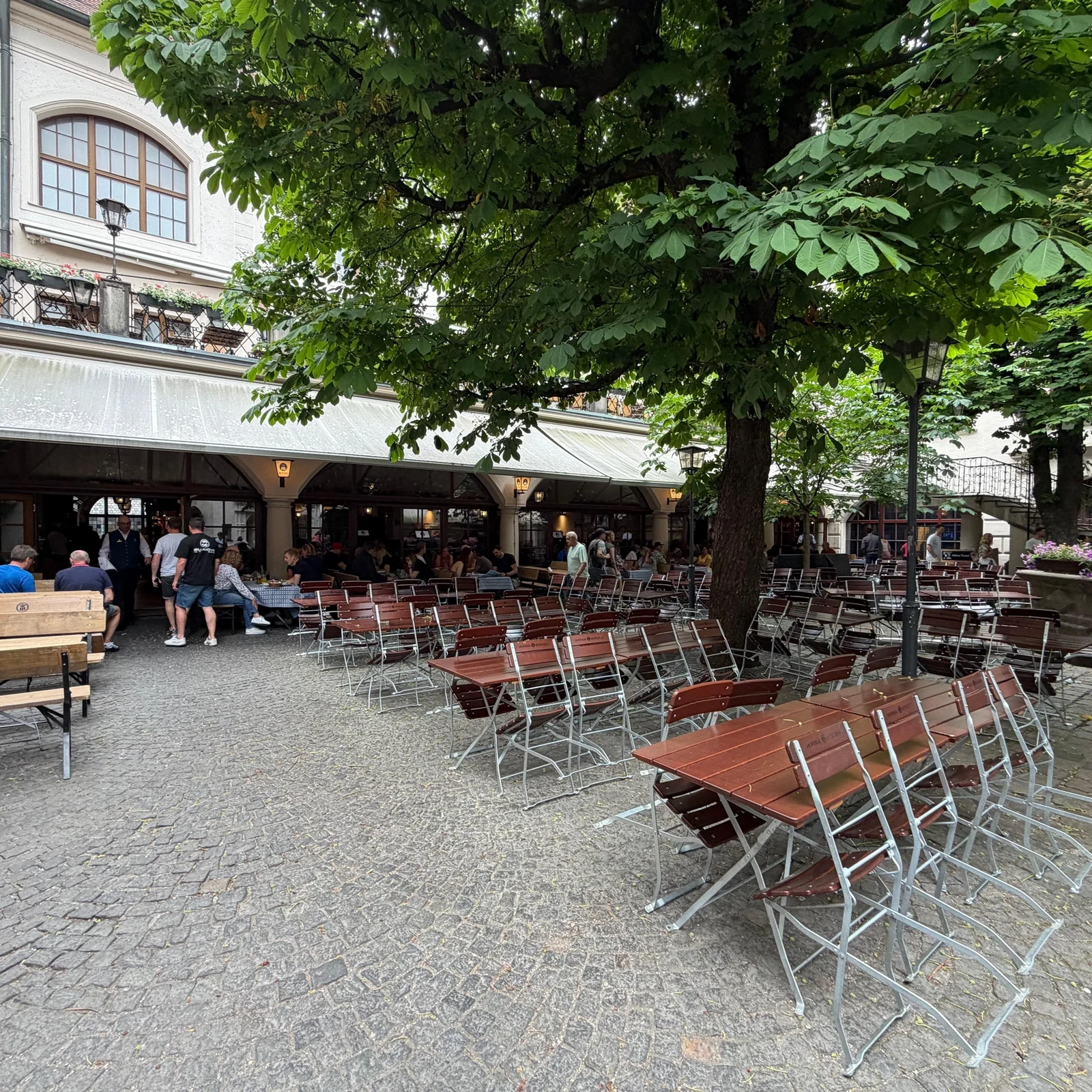
Hirschgarten has a beer garden, and another stands by the Chinesischer Turm in Englischer Garten. Either changes the experience from moving between stalls to sitting in a park setting. Hirschgarten takes the outing west; the other can form part of an Englischer Garten walk. Location and pace provide the useful distinction, without relying on a particular menu.
Wiener Platz is in Haidhausen and has a market, giving a neighbourhood outing a concrete starting point. The nearby Maximiliansanlagen run above the Isar. Together they suggest a shift from a market square to a riverside landscape. For someone who already knows central Munich, it is a way to explore another area without retracing Marienplatz.
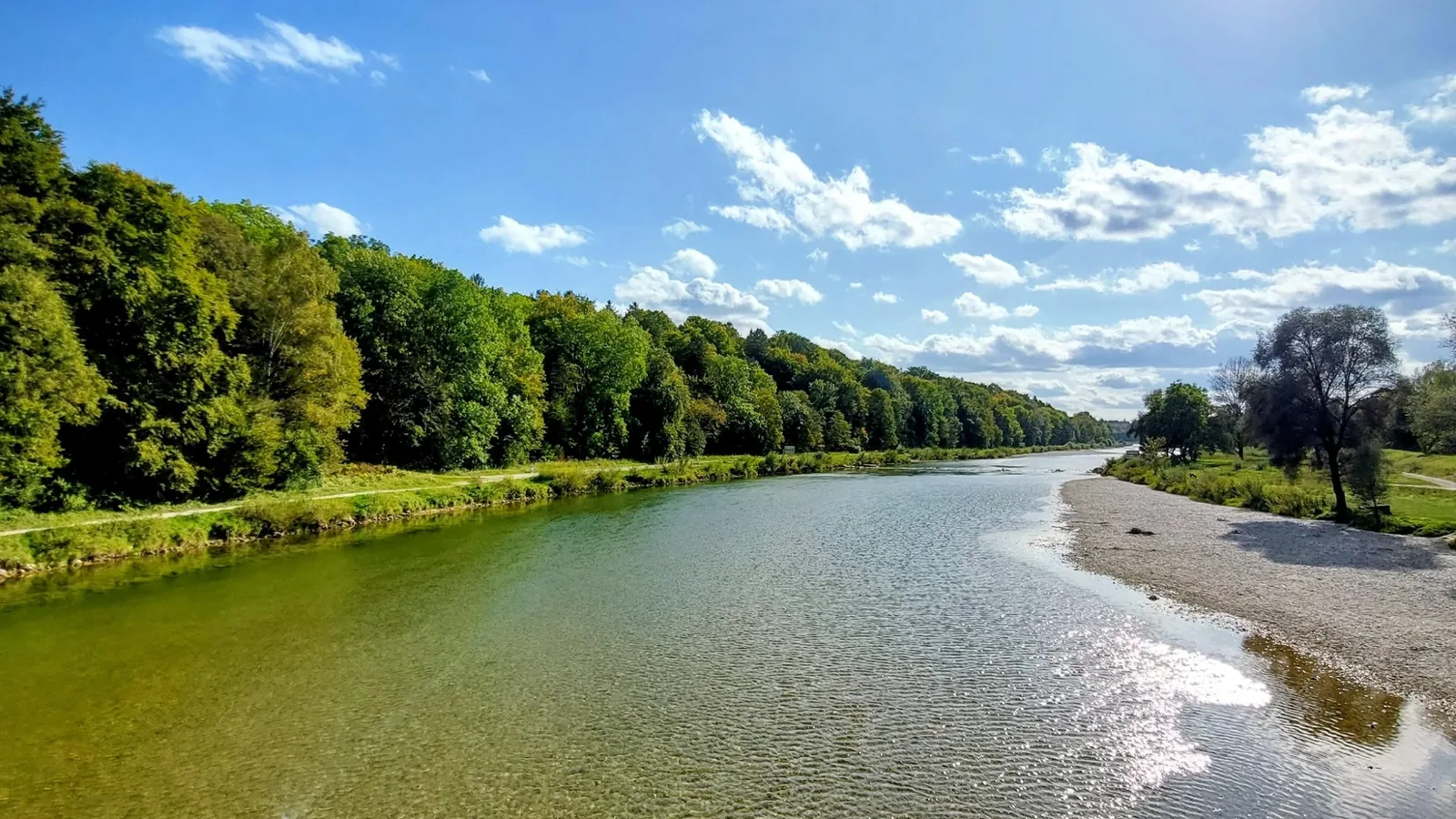
Flaucher is a recreational area to the south, with a walk across Flauchersteg, a pedestrian bridge over the Isar. The bridge and river give this outing its shape. Compared with Haidhausen's combination of market and Maximiliansanlagen, Flaucher puts the emphasis on walking through a riverside setting and noticing the river from the crossing.
Reichenbachstrasse links Viktualienmarkt with the Isar and passes by Gärtnerplatz. Follow that order: begin in the market's surroundings, use the square as a point along the way and end at the river. The street connects three settings in a single urban walk, so none of them needs to become a separate attraction to justify the route.
Between Gärtnerplatz and the Isar, small shops and café terraces give Reichenbachstrasse its particular street-level character. These are features to notice along the stretch itself, after leaving the square and before reaching the river. The shops keep the walk connected to everyday neighbourhood activity, while the terraces show how the outdoor space beside the street is used. Together they distinguish this urban passage from its endpoints.
Explore activities in Munich and, where available, trips departing from the city. Check each activity's destination and route before booking.
Activity on TourBookGoThe Munich City Pass brings together admission and tours for exploring Munich at your own pace. Choose 1 to 5 days and decide whether to add public transport.
 Activity on TourBookGo
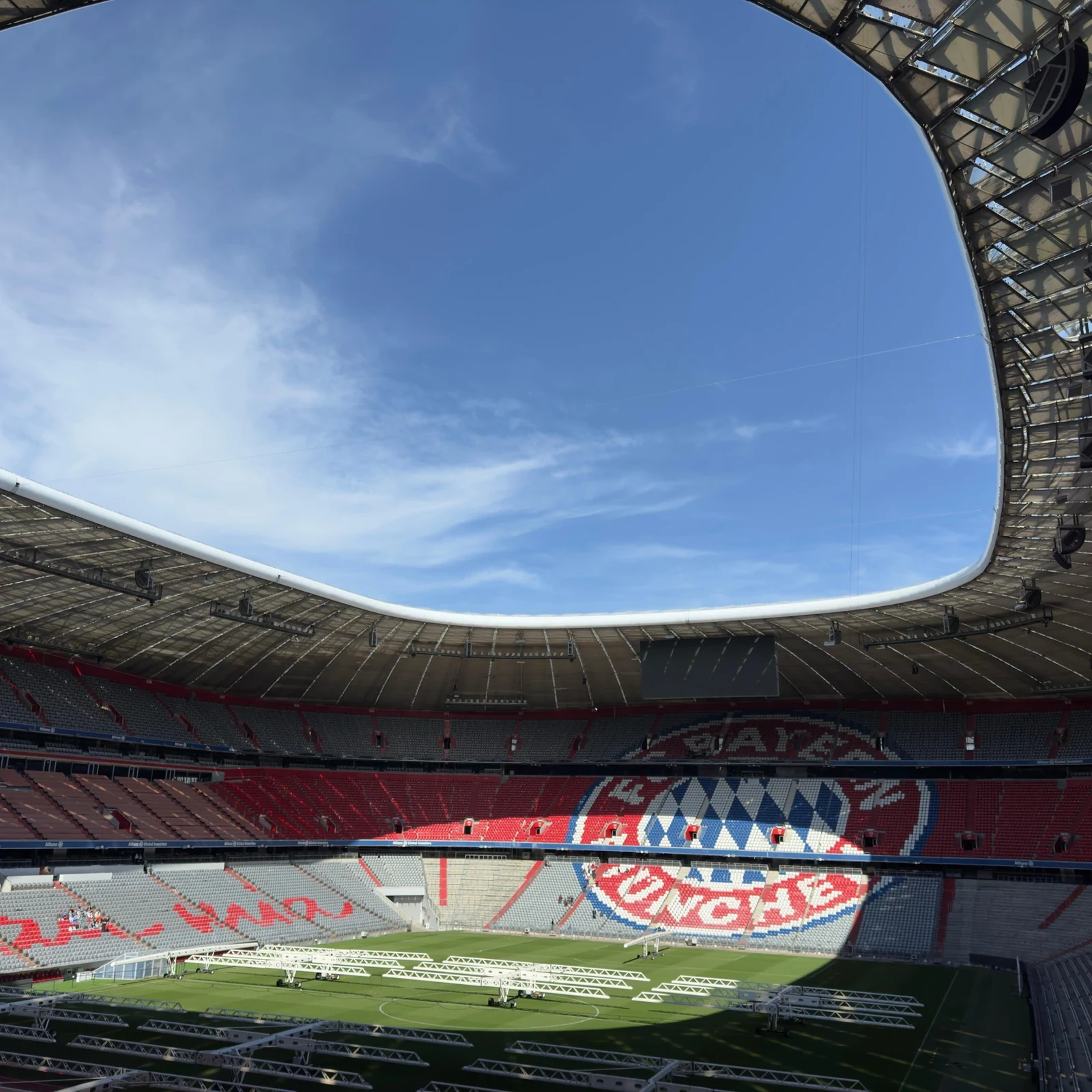
Start with a view across Allianz Arena from the lower tier of its north stand. Then explore the trophies and interactive exhibits at the FC Bayern Museum at your own pace.
 Activity on TourBookGo
Hear stories and anecdotes about Munich on a German-language walk through the city centre. The description names several Old Town locations and ends with Viktualienmarkt, without fixing the order of stops.