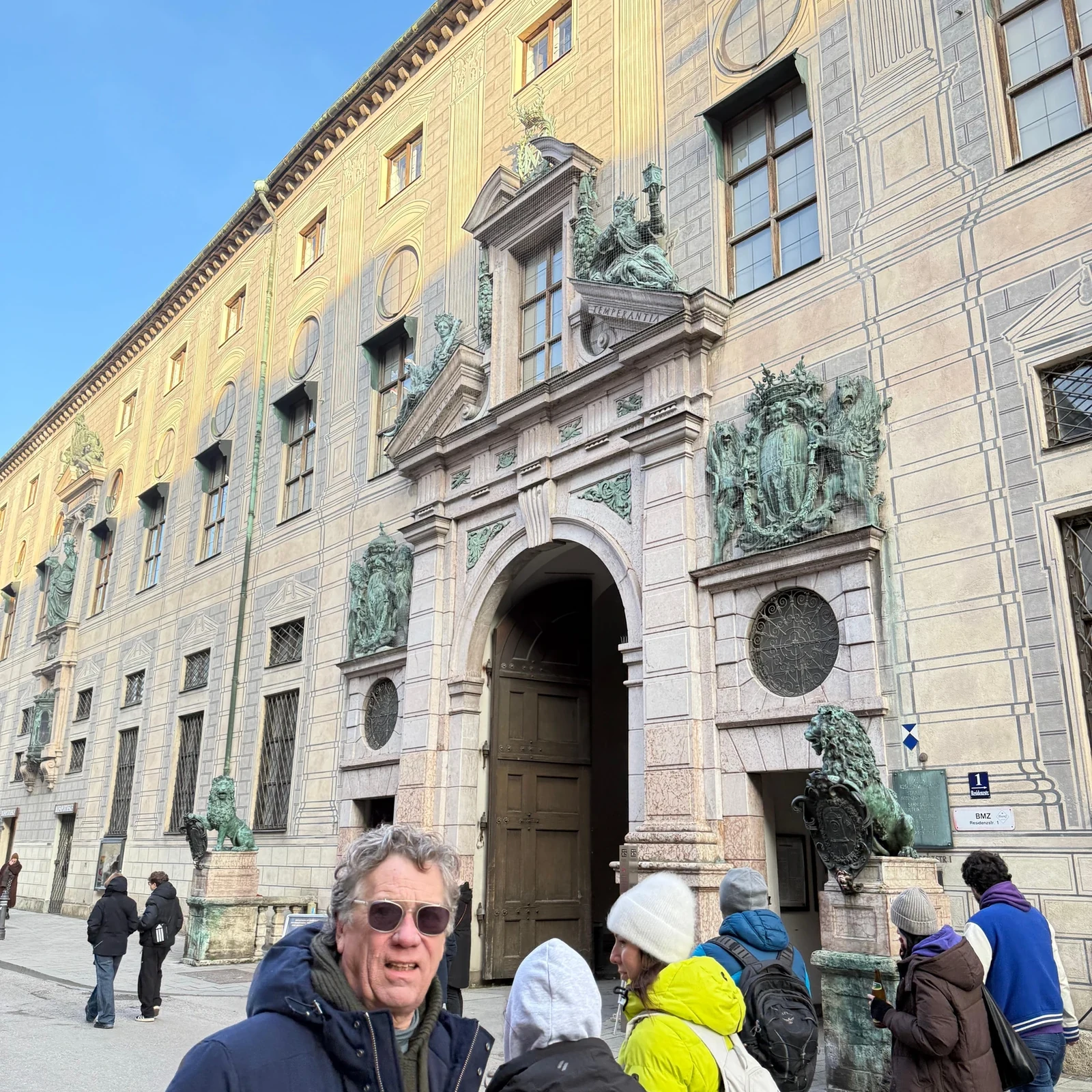
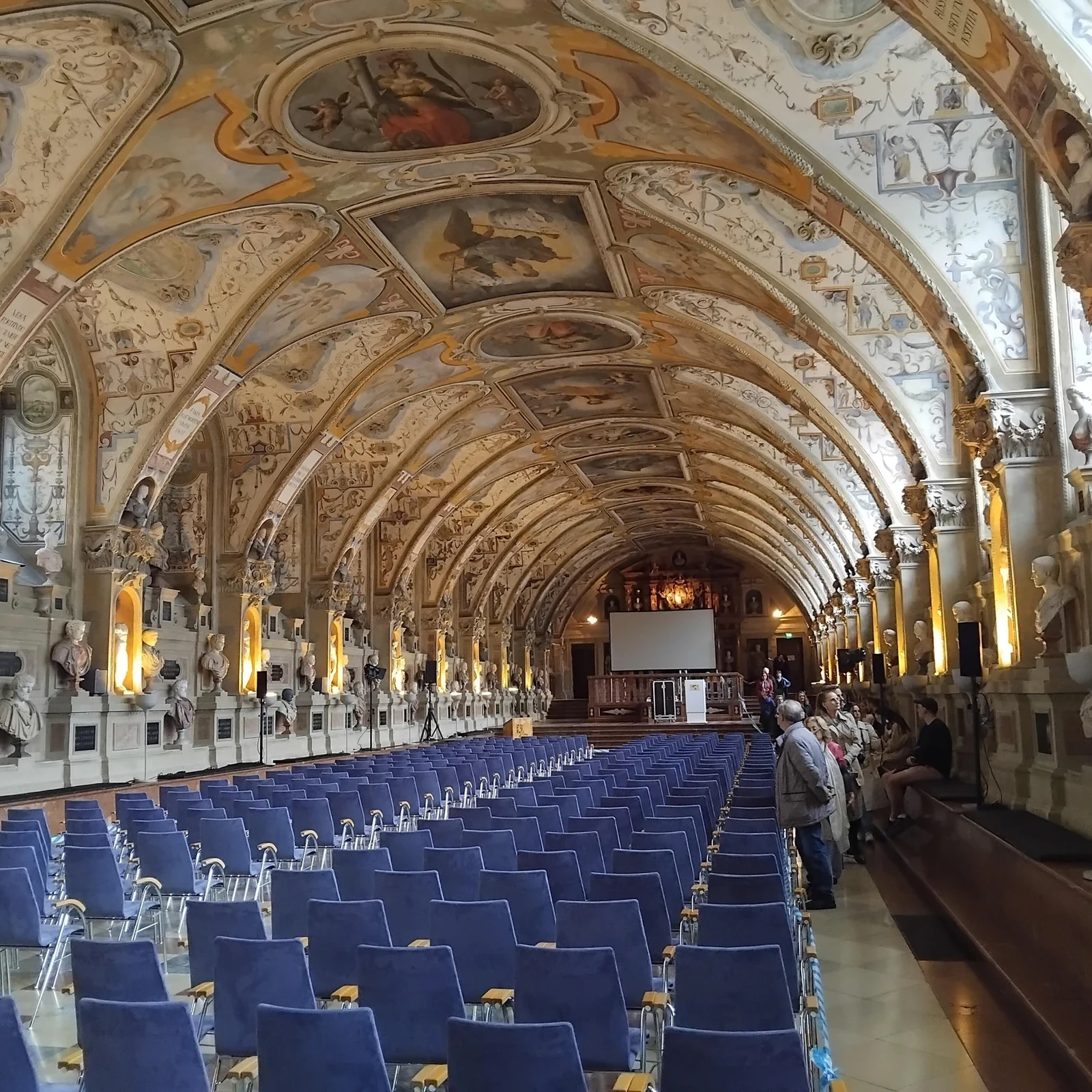
Choose a base that fits your plans: the centre makes walking visits easier, while other neighbourhoods offer a more everyday pace. The exact street matters too.
Choosing where to stay in Munich means deciding how close to the centre you need to be and what kind of neighbourhood you want to step into. The Altstadt makes it easy to explore on foot on a first visit; nearby districts offer more everyday life and, often, a stay less focused on the busiest sights. Check the exact location before booking: within the same neighbourhood, one street may be quiet while another is shaped by traffic or nightlife.
The Altstadt makes a short first visit and exploring on foot easier.
Ludwigsvorstadt can be practical for train travel or day trips.
Check the street, potential noise and actual journeys before booking.
Hotels
Accommodation in Munich
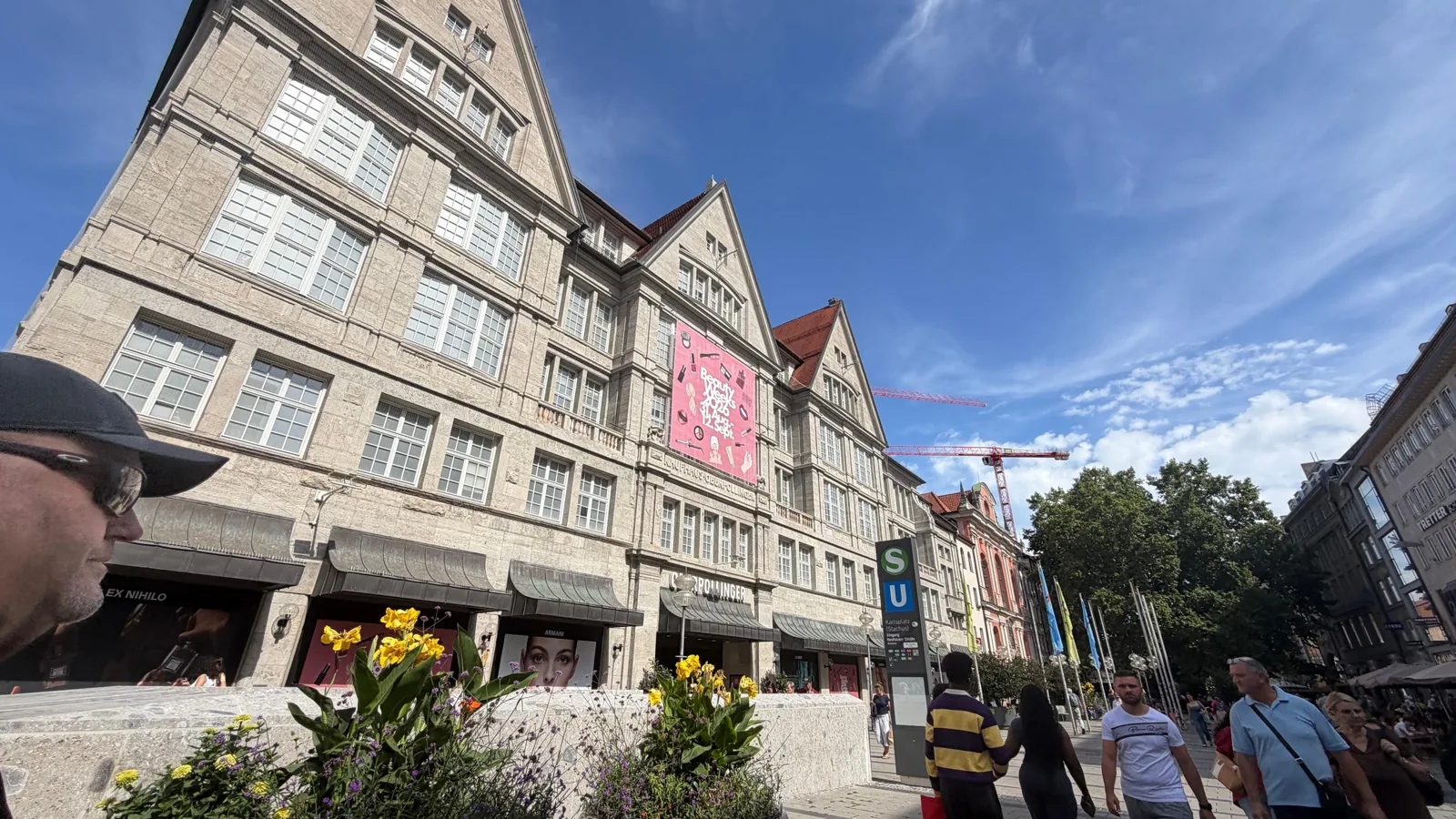
The photo shows Karlsplatz (Stachus), a well-connected central landmark when comparing areas to stay. Choose a neighbourhood that fits your plans; Booking.com confirms current availability and pricing.
Altstadt-Lehel: decide whether the center should be your base
Altstadt-Lehel makes sense for a first visit if you want to begin each day around Marienplatz. Staying in the center lets you alternate walks, sightseeing and breaks at your accommodation without turning every return into a substantial part of the itinerary. That flexibility is especially useful on a short trip or when people in your group want to move at different paces.
The advantage matters less if your main plans are spread across other neighborhoods or you will spend several days outside Munich. Being close to the central squares may then do little to simplify what you actually do. Before choosing, picture a whole day: where it begins, whether you will return to your room and where it ends. Altstadt-Lehel works best when you will use its location throughout the day, rather than choosing it simply for a familiar address.
Maxvorstadt: make room for art
Maxvorstadt is a clear choice if the Kunstareal will occupy a significant part of your trip. Staying in this area lets you spread cultural visits over several days and leave time for breaks, instead of fitting every museum into one outing from another neighborhood. It also suits someone who enjoys walking through urban streets and wants culture to be part of the daily routine.
You need not choose Maxvorstadt just because one museum is on your list. If you will spend a single morning in the Kunstareal and the rest of the stay elsewhere, consider where your other plans are concentrated. If you are traveling with someone who would rather rest while you explore exhibitions, however, a nearby base can let each of you use the time differently without requiring the whole group to follow the same route.
Ludwigsvorstadt: plan around rail travel
Ludwigsvorstadt has two landmarks that may determine your choice: Hauptbahnhof and Theresienwiese. If you arrive by train with luggage, leave again by rail or plan several excursions, staying in a part of the neighborhood that suits those journeys can simplify travel days. The useful question is how often you will use the station, rather than whether a listing describes it as close to Munich’s center.
Theresienwiese changes the calculation if you are visiting for an event held there. Compare how an address relates to the site and to the rest of your plans; a convenient position for one event may be less useful on days spent in other neighborhoods. Ludwigsvorstadt and Isarvorstadt belong to the same administrative district, but the choice here is about the station and Theresienwiese. A stay shaped by Gärtnerplatz and the Isar calls for a separate decision.
Isarvorstadt: build time around Gärtnerplatz and the Isar
Isarvorstadt may suit you if you want the area around your accommodation to play a part in the trip. Gärtnerplatz and the areas near the Isar provide two specific points around which to plan walks and free time. Instead of returning each night to a base chosen solely for access to a particular attraction, you can leave part of the stay open to explore this neighborhood and its surroundings at your own pace.
Choose Isarvorstadt if that way of spending time genuinely appeals to you. Someone heading to Hauptbahnhof early on most days has a different priority, even though the two areas share an administrative district. It also helps to distinguish plans by the Isar from plans centered on Gärtnerplatz: they are different reasons to stay here. Decide which experience you would like to return to during the visit, then compare addresses against that particular plan.
Schwabing: give walks a place in the itinerary
Schwabing appeals if you want to set aside time for the Englischer Garten rather than move from one old town sight to the next. It can be a base for an unhurried stay in which walking and returning to the same area are part of the trip. Visitors who already know the central sights may also prefer to establish a routine here and visit the center when they choose.
The name Schwabing alone does not guarantee the experience you have in mind: it covers different parts of the city. If the garden is your main reason for staying, relate the specific address to the entrance or area you hope to explore. If arrival, departure and rail excursions will dominate your days, consider how much time will actually remain for those walks. That keeps you from choosing a base for a plan you will barely get to enjoy.
Haidhausen: choose a residential base in the east
Haidhausen presents a different choice: stay in a residential area that also has Ostbahnhof. It may suit you if you want to spend some of each day near your accommodation and use that station for journeys that are actually part of your itinerary. Its appeal is not that it recreates a stay in the center, but that it combines plans across Munich with a base in the east.
Ostbahnhof is a useful reference point, but it does not make Haidhausen right for every trip. See whether your specific journeys use it and whether you would welcome time without scheduled sightseeing to explore the neighborhood. If you only need a station on arrival and will then spend most days walking around the old town, the rail connection may matter little. A more open itinerary makes better use of the area’s residential character.
Sendling or Neuhausen-Nymphenburg: choose between two kinds of walk
Sendling and Neuhausen-Nymphenburg give you different reasons to stay away from the central squares. Choose Sendling if you would like to build a walk toward Flaucher into your days or spend time in Sendlinger Park. It suits a traveler who wants those outings to be part of the visit, even while seeing Munich’s better-known places.
Neuhausen-Nymphenburg answers a different interest: the palace park and canal. If you picture repeated breaks or walks connected to that setting, it may matter more to you than Flaucher or Sendlinger Park. To choose, ask which of these places you would still want to visit on a day with no sights scheduled. Then consider how that choice fits your other destinations.
If you live in Munich: arrange a visit from family
For a Munich resident, the question may be where visiting relatives should stay. If you will share breakfasts, dinners or time at home, accommodation near your own address may make meeting easier than a room beside Marienplatz. The proximity that matters is the one that lets you see each other naturally during the stay.
If your relatives will explore Munich independently while you follow your usual routine, balance closeness to your home with a connection useful for their plans. Compare two addresses by asking how they will reach you and how they will set out afterward for the places they want to see. An address that makes only one of those journeys easy may not serve both needs.
C
DiscoverCars
Car rental
Compare prices and book your rental car at the best price.
Trace the history of the Third Reich and the Second World War through Munich. The walk connects places in the city with the wider context of Germany and Bavaria after the First World War.
Two durations are advertised: 2 h 30 min and 2 h 45 min. A different duration mentioned in one review is not the advertised duration.
A local guide plans a private walk through Munich with your group. They contact you beforehand to learn what interests you and shape the route accordingly.
The stated duration is two hours; start times appear when you check availability.
 Activity on TourBookGo