Is Naples safe to visit? Exploring the city with good judgement
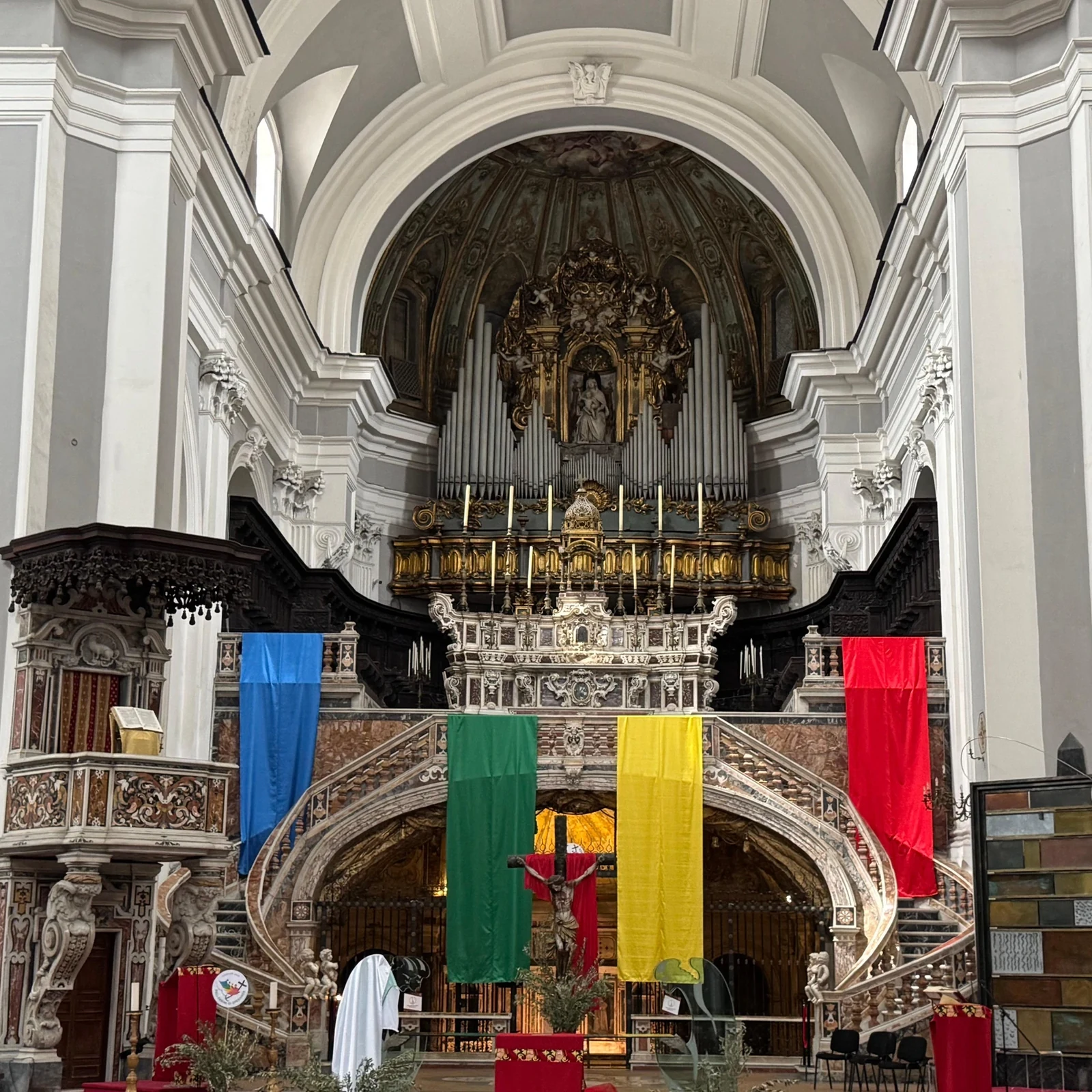
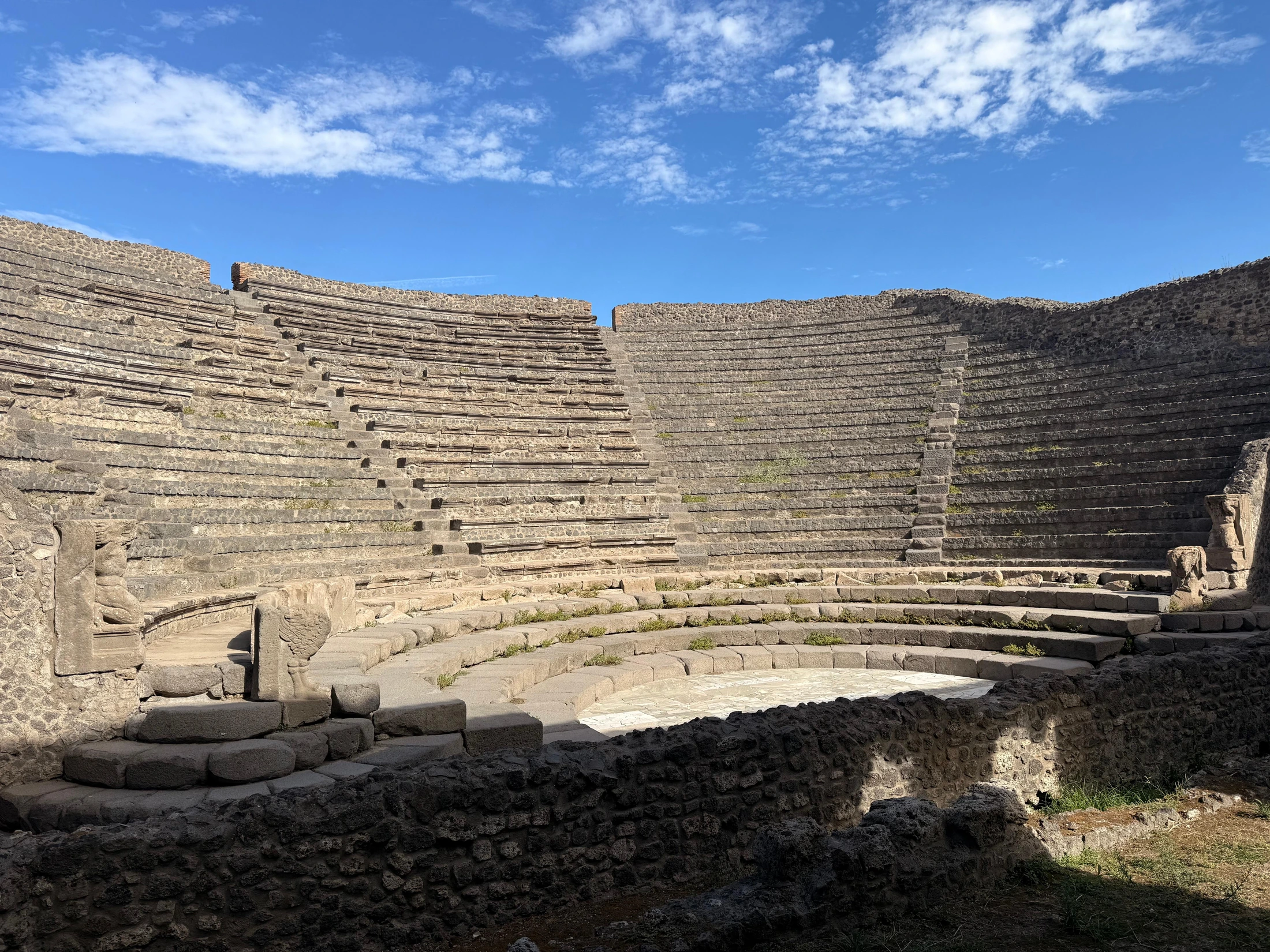
The semicircular seating of a Roman theatre at Pompeii places the image on an excursion from Naples. Arrival, urban walks and trips outside the city call for different decisions.
Safety in Naples depends on specific situations: arriving with luggage, walking, returning at night or taking an excursion. Preparing for those moments helps you enjoy the city attentively without letting its reputation decide for you.
Plan your onward journey from Napoli Centrale before walking with your bags.
Consider crossings, paving and mobility alongside care for your belongings.
Pompeii, Herculaneum and Vesuvius are excursions: check the effort and return journey.
Hotels
Accommodation in Naples
The card searches accommodation in Naples and reuses this guide’s thematic image. Excursion from Naples to Pompeii ruins. Semicircular seating of a Roman theatre at Pompeii
Safety in Naples cannot be summed up in a single label. Walking around, arriving with luggage, returning at night and taking excursions call for different decisions. The city’s intensity can feel energising or tiring, depending on your experience and travel style.
A busy street does not mean danger, just as a well-kept façade does not guarantee safety. Your routes, care for your belongings and a planned return matter more than the destination’s reputation. The aim is to enjoy yourself without treating every encounter with suspicion or leaving everything to chance.
Get your bearings at Napoli Centrale
If you arrive at Napoli Centrale, beside Piazza Garibaldi, plan your onward journey before walking with your bags. Knowing the address, accommodation entrance and an alternative transport option avoids repeated stops with your phone and luggage exposed.
A station is a transit space, not a measure of the whole city’s safety. Organise that first arrival: put documents away after use, keep belongings together and seek signposted information points for help. If someone offers a service, confirm what it includes and costs before accepting.
Enjoy the historic centre
Spaccanapoli and via San Gregorio Armeno introduce you to the historic centre’s streets. Browsing a window, checking a map or taking a photograph can absorb your attention. Keep your bag closed and your phone secure, especially in crowds.
You need not watch every stranger. Avoid leaving belongings on tables or keeping all documents and payment methods together.
On a first visit, choose an easily recognisable route and explore further once you have your bearings. This helps more than searching for supposed boundaries between “good” and “bad” streets.
Traffic, paving and mobility
Theft is not the only concern. Watch crossings, vehicles, uneven ground and available space. Do not assume a narrow street has no traffic or keep looking at your screen while crossing.
The seafront Lungomare offers a different setting from inland streets, with scope for an open waterfront walk. Its suitability depends on the stretch, weather and your mobility needs.
With a pushchair or walking difficulties, check the actual route first. A short distance on a map says nothing about steps, surfaces or places to rest. Choosing the right route can prevent more difficulties than adding sights.
Agree on payments and services
Courtesy and checking details go together. Before booking a transfer, accepting a guided tour or ordering something without a clear price, confirm the terms. Avoid committing under pressure or because someone has begun an unsolicited service.
These recommendations do not attribute behaviour to Neapolitans or identify a city-specific scam. They help reduce travel misunderstandings.
When paying, keep control of your card and check the amount. If there is a discrepancy, ask for a specific explanation. Arrange transfers through identifiable channels and check that the service matches the agreement.
Plan how you will return
Dinner in the historic centre and a Lungomare stroll mean returning from different places. Before leaving, check how you will get back; avoid relying on an unverified connection. Accommodation may seem close, but that can be misleading if you do not know the way.
If you are a woman travelling alone, prioritise independence: enough battery, an accessible address and freedom to change plans if something feels uncomfortable. You need not justify that decision.
With family, agree on a meeting point in case anyone gets separated. Watch children closely at crossings and in crowds. Tiredness also affects the experience: returning earlier can be a good choice.
Sharing the city
Neighbourhoods contain homes, shops and everyday activities; they are not settings where anything goes. Keep entrances clear, avoid blocking paths for photographs and limit noise near homes. A greeting and a polite question help without relying on stereotypes about local character.
Residents seeking something different might swap their usual route for a seafront walk or cultural visit, considering the return journey and the group’s needs.
When accompanying visitors, agree on where to meet and how to return. Knowing the city helps you anticipate difficulties; it does not mean everyone navigates it equally well.
Excursions to Pompeii and Herculaneum
Pompeii and Herculaneum are excursions from Naples, not parts of its centre. Visiting their archaeological sites changes priorities: alongside transport, consider the terrain, exposure to weather and effort of walking among ruins.
Choose between them according to your interests and stamina, without automatically scheduling both for one day. With children or people with reduced mobility, check the conditions along your intended route.
Suitable footwear, water and sun protection help you prepare. Confirm the return journey too: finishing tired without a clear route adds an avoidable difficulty.
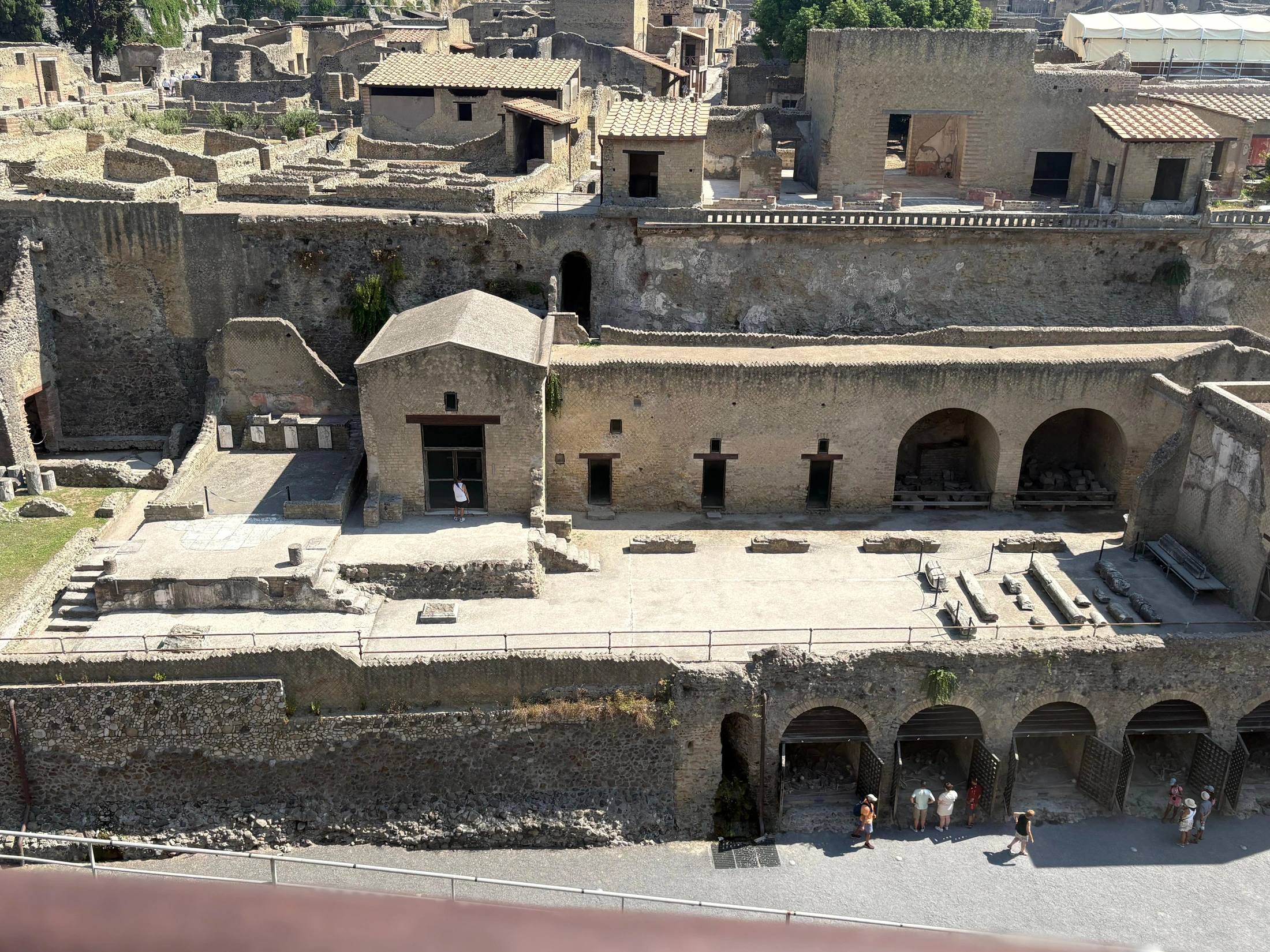
Excursion from Naples to Herculaneum. Excavated streets and buildings at Herculaneum
Assessing a trip to Vesuvius
Vesuvius also requires leaving Naples. Visiting the crater area differs from an urban walk: terrain, weather and access conditions should inform your decision.
Before setting off, check whether your planned visit is available and what it demands physically. Follow signs and staff instructions; a photograph does not justify leaving an authorised route or approaching an unsuitable edge.
If anyone feels uncomfortable with the effort or terrain, choose another activity. Combining Vesuvius with an archaeological site can be demanding; assess it according to your travelling companions.
Choosing your trip with good judgement
Assess Naples on specifics, without promises of universal tranquillity or alarms based on reputation. For visitors, useful preparation begins with arrival and return. For residents, it may mean adapting a familiar route to those sharing it.
Stay attentive, leave room to change plans and distinguish street energy from a real sign of discomfort. You can then decide how far to walk, when to use transport and which excursions suit you. The city is best enjoyed when curiosity and judgement travel together.
C
DiscoverCars
Car rental
Compare prices and book your rental car at the best price.
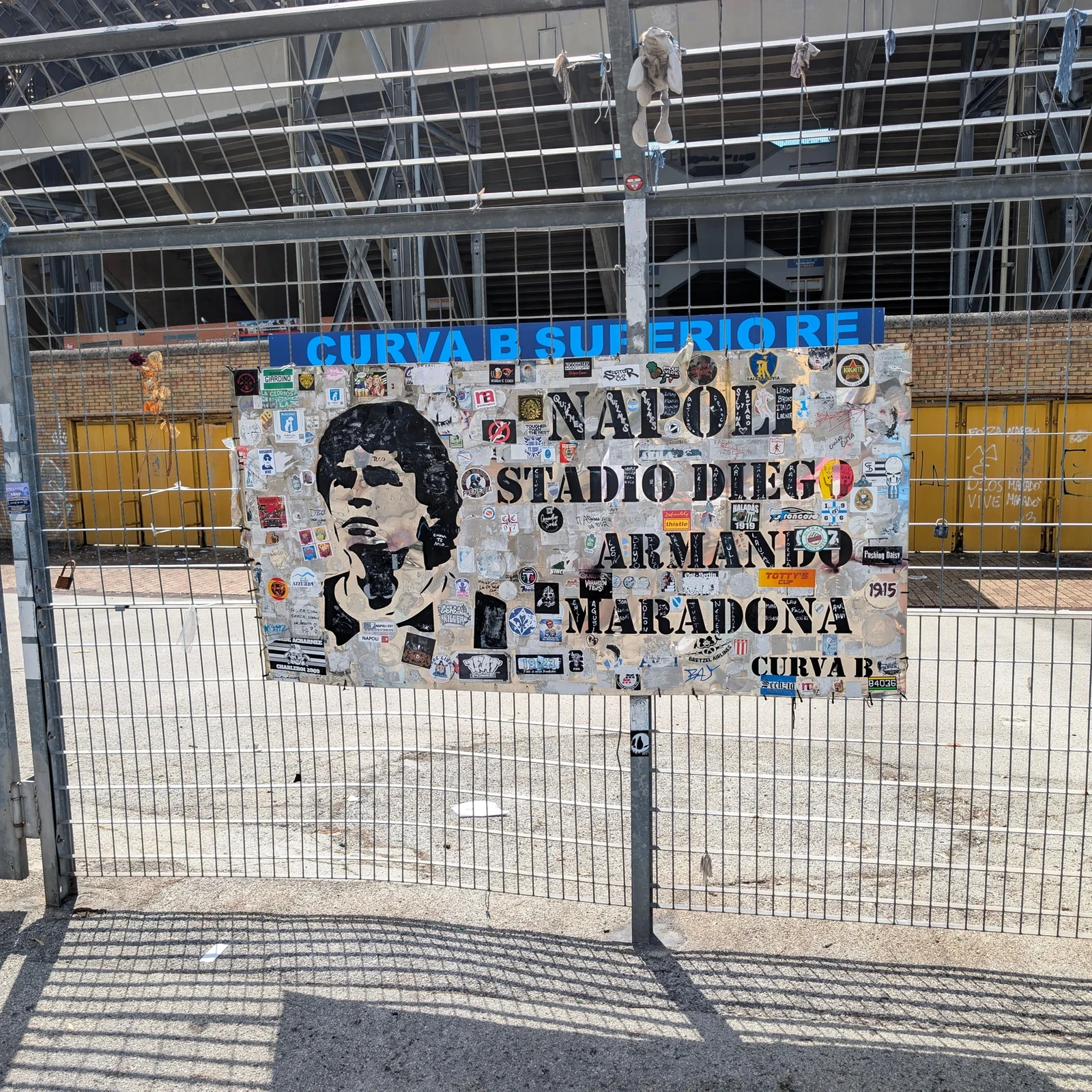
Walk around the exterior of Diego Armando Maradona Stadium, formerly San Paolo, while a local fan explains Napoli's history and Maradona's relationship with the city. Stories and conversation are the focus; access to the interior…
The advertised duration is one hour. Walking distance, arrival buffer, free time and the end point are not stated.
A short visit that helps you understand San Gaudioso's burial rites, imagery and tombs through an in-person guide's explanations. The tour includes the Basilica di Santa Maria della Sanità and is available in English or Italian,…
The stated duration is 45 minutes. You must arrive 15 minutes early; the additional San Gennaro admission is arranged separately.
Walk through Rione Sanità’s catacombs, basilicas and urban heritage with explanations from a Catacombe di Napoli guide. The Holy Mile brings several visits together in 3 hours; confirm your option’s language and meeting point bef…
The published duration is 3 hours. Individual timings are indicative and do not fully describe all seven stops; the itinerary may change.
 Activity on TourBookGo