 Activity on TourBookGo
Private Kyoto and Nara Tour in One Day, at Your Pace
Book a private Kyoto and Nara tour with hotel pickup, a private vehicle, flexible 10-hour itinerary, Arashiyama, temples and Nara Park.
If you are wondering where to eat in Nara, look beyond the restaurants beside the temples: the city’s local food is shaped by the seasons, regional produce and centuries-old preservation traditions.
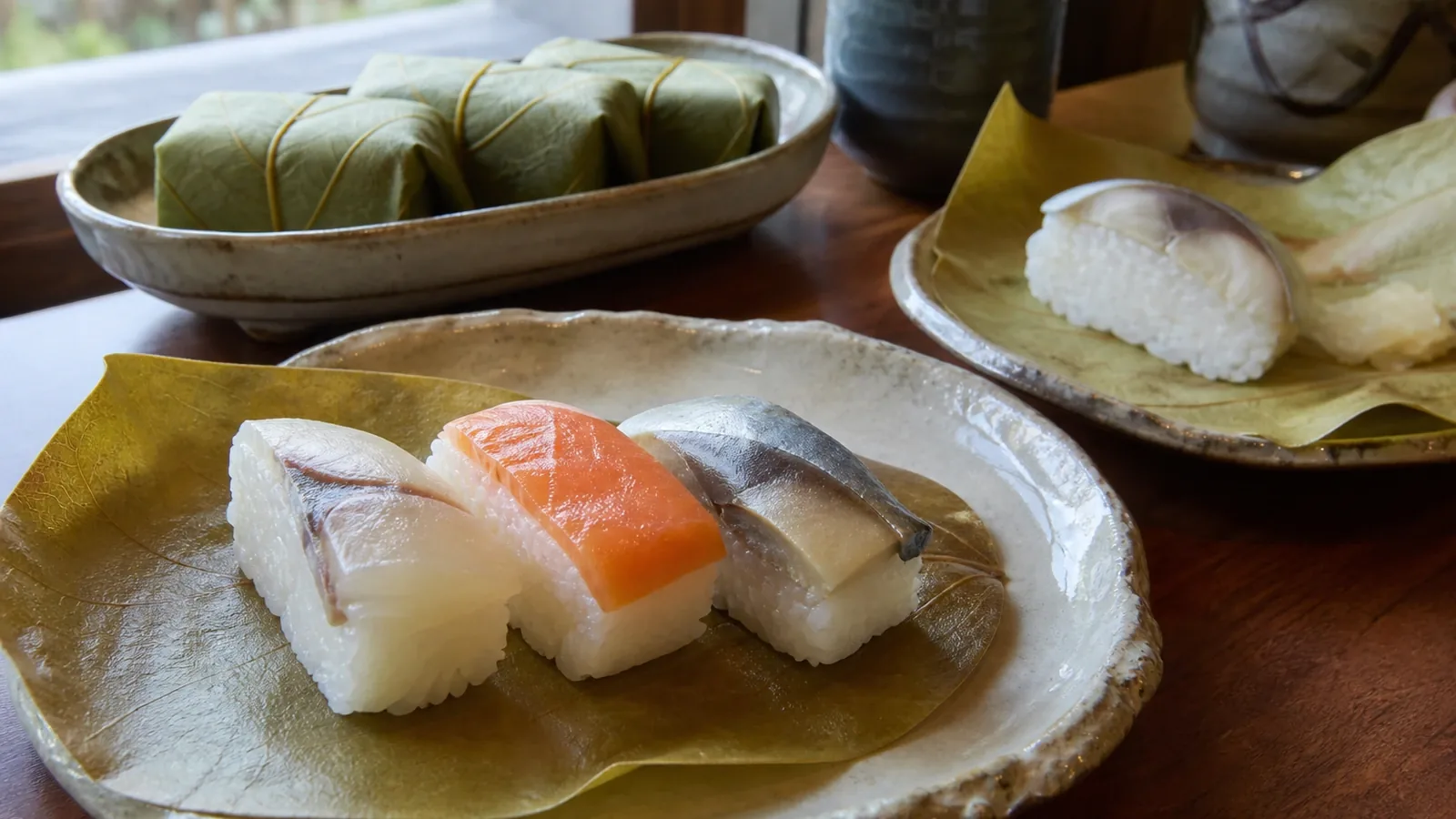
If you are deciding where to eat in Nara, set aside at least one meal to discover the city’s local food. People come for the temples, the deer and that ancient stillness lingering among the cedars, but eating here deserves to be more than something squeezed between Tōdai-ji and Kasuga Taisha. Nara local food may be less internationally famous than the cuisine of Kyoto or Osaka, but it retains a particularly direct connection with the land, the seasons and traditional methods of preservation. Nara food specialties include kakinoha-zushi, chagayu, narazuke pickles and traditional Yamato vegetables. Not every restaurant in Nara will be memorable. Around the major sights, plenty of places are designed mainly for a quick visitor lunch, but walk a few streets away from Nara Park and you will start finding smaller restaurants, tea houses and neighbourhoods with considerably more character.
Compare locations and options to find a base that suits your trip. Booking.com confirms current availability and pricing.
Find accommodation on BookingIf you are wondering what to eat in Nara, start with the simple local specialties shaped by preservation, seasonality and regional ingredients rather than trying to work through a generic list of Japanese dishes.
If you were to try just one local speciality in Nara, kakinoha-zushi would probably be the one.
These are small portions of vinegared rice traditionally topped with fish—often mackerel or salmon—and wrapped in persimmon leaves. The dish developed out of the need to preserve fish while transporting it to inland parts of the prefecture, particularly around Yoshino and Gojō.
Do not expect the fresh, delicate character of nigiri made to order. The appeal lies elsewhere: in the lightly cured fish, the compact rice and the almost imperceptible vegetal fragrance left by the leaf.
In the city, Kakinohazushi Tanaka still specialises in this preparation and has a small seating area where you can enjoy it with persimmon leaf tea.
It is also an excellent choice for a simple lunch if you want to try Nara local food without spending two hours in a restaurant.
Far less visually striking, but perhaps more revealing of local food culture, is chagayu, a rice porridge cooked with tea.
It is austere, gentle and comforting. It may not appeal to anyone looking for bold flavours, but it is interesting because it reflects a form of everyday cooking that predates modern Japan’s trend-driven restaurant scene.
Within the grounds of Kasuga Taisha, Kasuga Ninai Jaya serves a variation known as Manyo-gayu, prepared with seasonal vegetables.
On a cold or rainy day, it makes far more sense than in the humid heat of summer.
Nara Prefecture has a strong tradition of producing fine sōmen noodles. They can be served cold during the warmer months or in a hot broth as nyūmen when temperatures drop.
It is one of those seemingly modest Japanese dishes whose appeal depends heavily on texture, the quality of the broth and the ingredients. Some traditional establishments pair sōmen or nyūmen with kakinoha-zushi.
For travellers who have spent several days eating rich or substantial meals in Japan, it can be a very welcome change of pace.
Narazuke are vegetables pickled through a lengthy process involving sake lees. Their aroma and flavour are intense.
This is one of those Nara food specialties best sampled in small amounts before buying an entire box as a souvenir.
In Naramachi, Ashibiyahonpo continues the tradition of making pickles and serves simple dishes accompanied by narazuke.
Anyone who enjoys fermented foods will probably appreciate them far more than those who prefer milder flavours.
One of the best ways to enjoy local food in Nara is precisely not to become too obsessed with finding one famous dish.
The so-called traditional Yamato vegetables include varieties that have historically been cultivated in the region and change considerably with the seasons. Nara’s tourism association continues to promote restaurants and shops specialising in these products; its 2026 food guide includes establishments in Naramachi as well as places where they can be purchased directly.
Spring and summer bring lighter dishes, while autumn and winter lend themselves to richer preparations, soups and stews. Here, the season matters more than any rigid list of “must-try dishes”.
Choosing the right neighbourhood can matter as much as deciding which speciality to try. Naramachi, Sanjō-dōri, Mochiidono and the area around Nara Park offer quite different experiences and cover many of the most useful restaurant areas in Nara.
For a leisurely meal, Naramachi is probably one of the best areas to eat in Nara.
Its old wooden merchant houses conceal small restaurants, tea houses and places specialising in tofu, traditional sweets and Japanese cuisine. It is a neighbourhood that encourages you to slow down, wander and choose somewhere on instinct.
Tofuan Kondo, for example, occupies an old machiya townhouse and specialises in tofu.
The appeal of Naramachi is not purely culinary. After lunch, you can simply step outside and continue wandering among wooden façades, small temples and traditional shops.
If you are looking for something quicker, Sanjō-dōri, between JR Nara Station and the park area, is lined with cafés, restaurants and shops. From there, you can enter Mochiidono and continue walking towards Naramachi.
It is a good area for eating without too much ceremony; finding soba, udon, curry or okonomiyaki; buying sweets; and having an impromptu lunch without a reservation.
Not everything will be specifically Nara cuisine, but the balance of convenience, price and variety is usually better than limiting yourself to the most tourist-heavy spots directly beside the monuments.
Eating near Nara Park has one obvious advantage: it saves time.
It is also where you need to be a little more selective. Restaurants located directly on the busiest visitor routes rely heavily on passing tourists. That does not necessarily make them bad, but a dining room covered in laminated photos and menus designed exclusively for tourists should not automatically be your first choice.
If you have the time, walking ten or fifteen minutes towards Sanjō-dōri or Naramachi will usually lead to restaurants with more character and a stronger sense of everyday Nara.
It is quite possible to eat well and cheaply in Nara without turning every meal into a gastronomic event.
The best strategies are simple: look for lunch sets. Many Japanese restaurants are more affordable at lunchtime than in the evening.
Combine smaller specialities. A few pieces of kakinoha-zushi, some noodles and a sweet can be more interesting than one large tourist set menu.
Explore the shopping arcades. Mochiidono and the surrounding streets are particularly useful for finding casual, affordable options.
Make use of local food shops. Nara’s tourism guide currently lists Mahoroba Kitchen near JR Nara Station as one of the places to find agricultural products from the region.
Nara has a strong tradition of wagashi, the Japanese sweets typically served with tea.
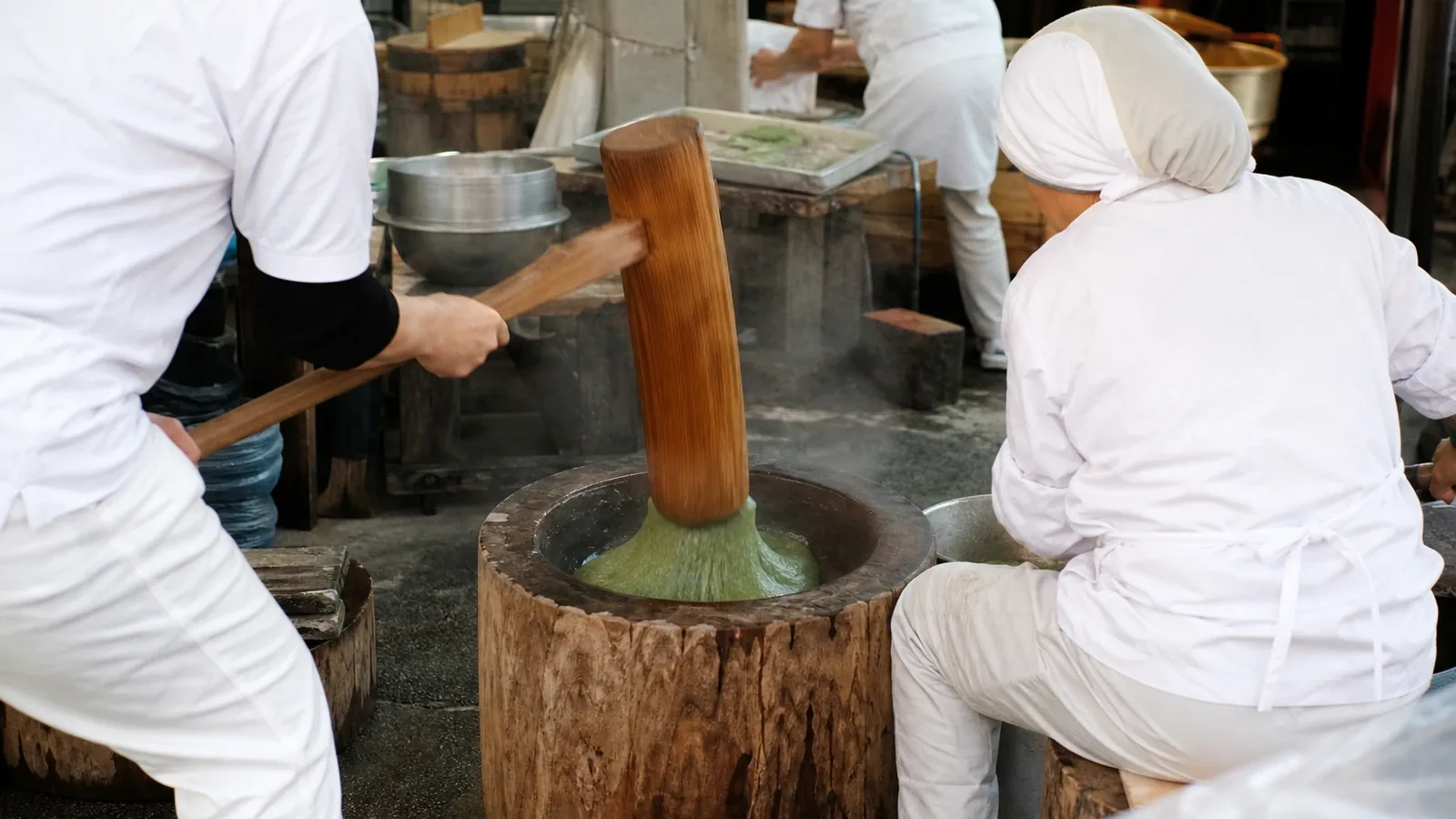
For many travellers, the most visible example will be yomogi mochi, made with Japanese mugwort. Nakatanidou, near Sanjō-dōri, has become especially well known for its mochi-making and continues to appear in the city’s official tourism information.
It is delicious when freshly made: the outside is springy with a slightly earthy flavour, while the centre is filled with sweet red bean paste.
The pounding demonstration draws large crowds, so it is worth separating the spectacle from the food: the mochi is certainly worth trying, but there is no need to organise your entire day around it.
Sweets made with Yoshino kuzu are also worth seeking out, particularly if you prefer something more delicate and less sweet.
Nara does not have a large urban food market comparable to Nishiki in Kyoto or Kuromon in Osaka.
And that is not necessarily a disadvantage.
Here, the experience works better on a smaller scale: pickle shops, kakinoha-zushi producers, traditional confectioners, tea shops and places selling Yamato vegetables. The official selection of local products includes narazuke, kakinoha-zushi, products made with kuzu, Yamato tea and sake.
The most common mistake is to treat food as an afterthought because “the good food is in Osaka”.
Another is to look exclusively for restaurants that are famous on social media. Nara rewards curiosity far more than chasing whatever happens to be fashionable.
It is also worth avoiding cramming too many specialities into a single meal. Narazuke, kakinoha-zushi and chagayu each have very different personalities; they are better appreciated when tried at a more relaxed pace.
Yes, although Nara is not a food city in quite the same way as Osaka.
Its cuisine is quieter and closely connected with the place itself.
It is there in a persimmon leaf wrapped around a block of rice. In the fermented aroma of pickles. In almost translucent noodles. In a vegetable cultivated locally for generations. In a wooden townhouse where lunch seems to unfold at the same unhurried pace as the city itself.
Anyone looking for a succession of spectacular restaurants may prefer to have dinner in Osaka.
But anyone who wants to understand the place they are visiting a little better should set aside at least one meal for Nara.
Discover selected experiences in Nara to complete this guide with historic temples, deer, Japanese culture, nature and well-organised tours.
Activity on TourBookGoBook a private Kyoto and Nara tour with hotel pickup, a private vehicle, flexible 10-hour itinerary, Arashiyama, temples and Nara Park.
 Activity on TourBookGo
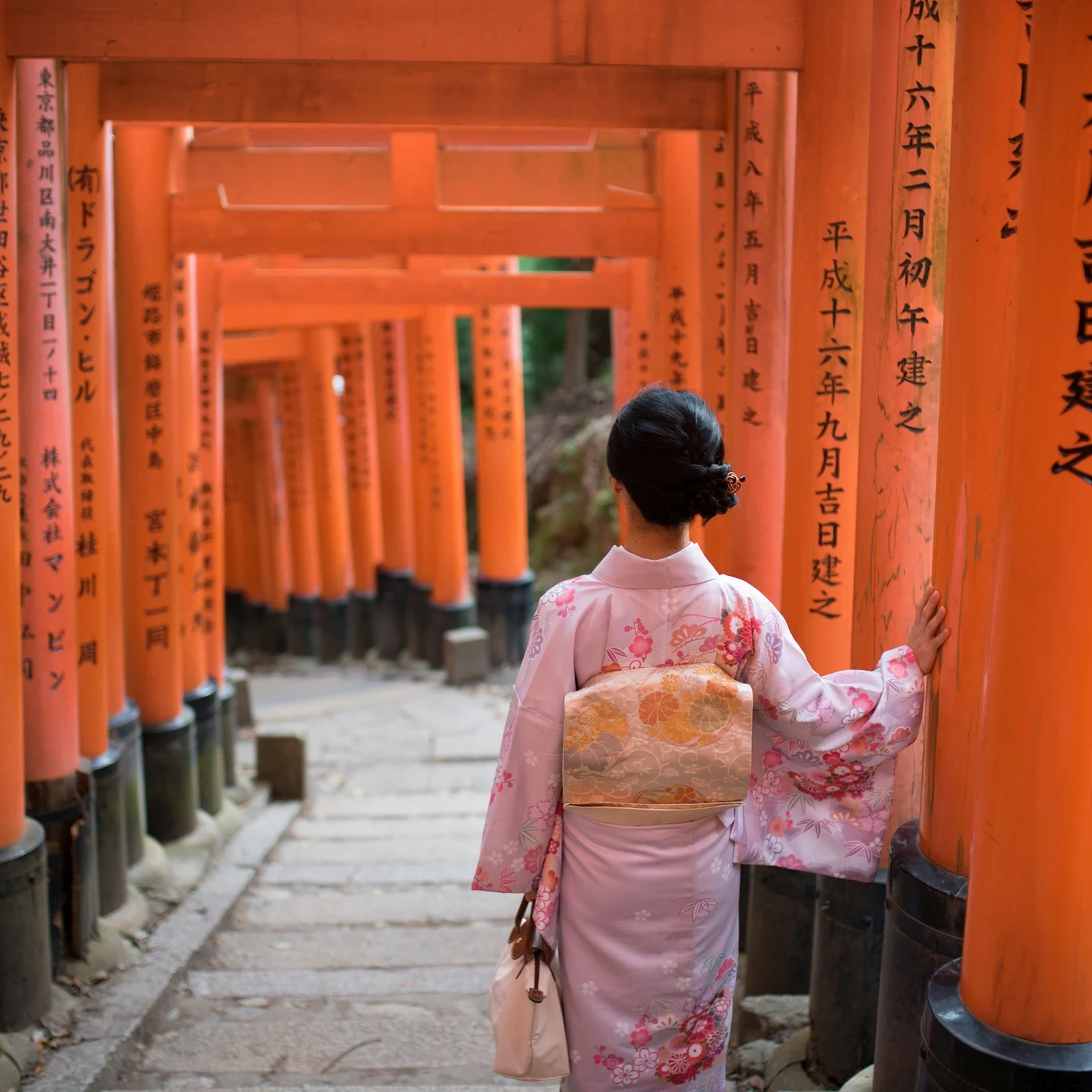
Take a Nara, Fushimi Inari and Arashiyama bus tour from Kyoto or Osaka, with a guide and air-conditioned transport on a 9-10 hour Kansai day trip.
 Activity on TourBookGo
Nara, Arashiyama and Fushimi Inari day trip from Kyoto or Osaka with transport. See Nara Park, the Bamboo Grove and red torii gates. From €43.