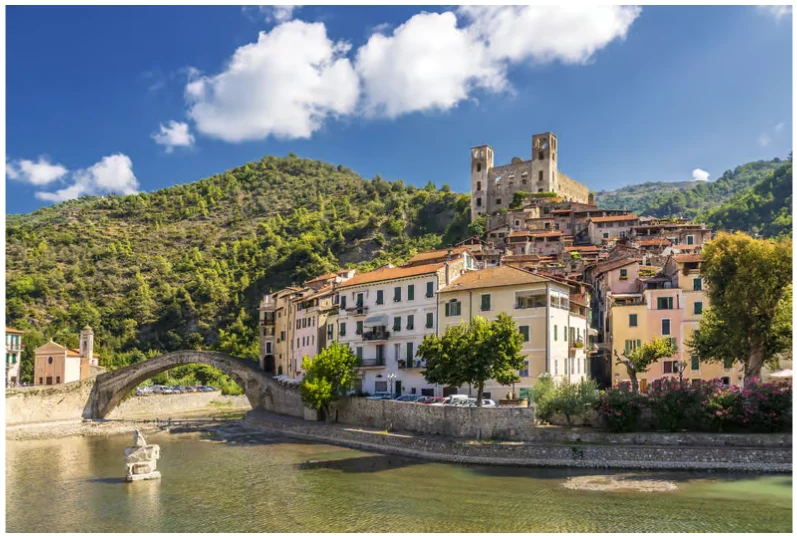
 Activity on TourBookGo
Italian Riviera tour from Nice: markets, San Remo, Bordighera and Dolceacqua
Book an Italian Riviera tour from Nice in a small group with pickup, minivan transport, San Remo or Bordighera markets and a visit to Dolceacqua.
Knowing how to get around Nice can make your trip feel much smoother from the first day. The city is pleasantly sized, the centre is easy to explore on foot, and the tram connects the key journeys, including the airport. Still, it helps to know the usual pitfalls: heavy traffic, expensive parking, uphill neighbourhoods and very crowded trains in summer.
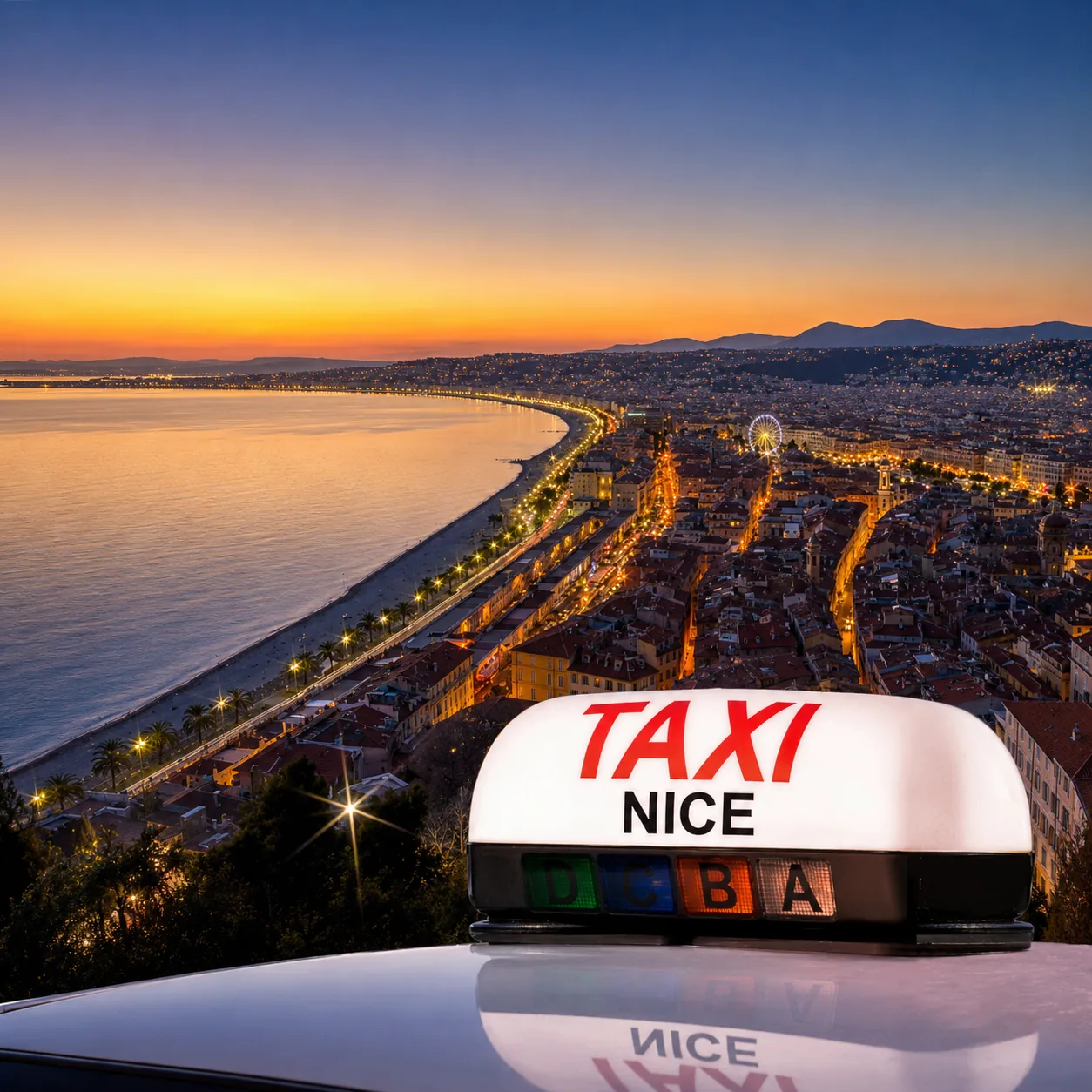
For most travellers, the best way to get around Nice is simple: walk in the centre, use the tram for city journeys, take the train for French Riviera day trips, and rent a car only when your itinerary genuinely needs one.
Compare locations and options to find a base that suits your trip. Booking.com confirms current availability and pricing.
Find accommodation on BookingTo explore Nice itself, you usually do not need to rent a car. In fact, it can become a nuisance if you are staying near Vieux Nice, Jean Médecin, Masséna, Garibaldi, the port or the Promenade des Anglais. In these areas, walking and using the tram is usually more convenient than looking for parking.
A car only starts to make sense if you want to reach inland villages, less accessible viewpoints or routes through Provence and the mountains. For the classic French Riviera —Monaco, Villefranche-sur-Mer, Antibes or Cannes— the train from Nice is usually easier, calmer and better suited to a day trip.
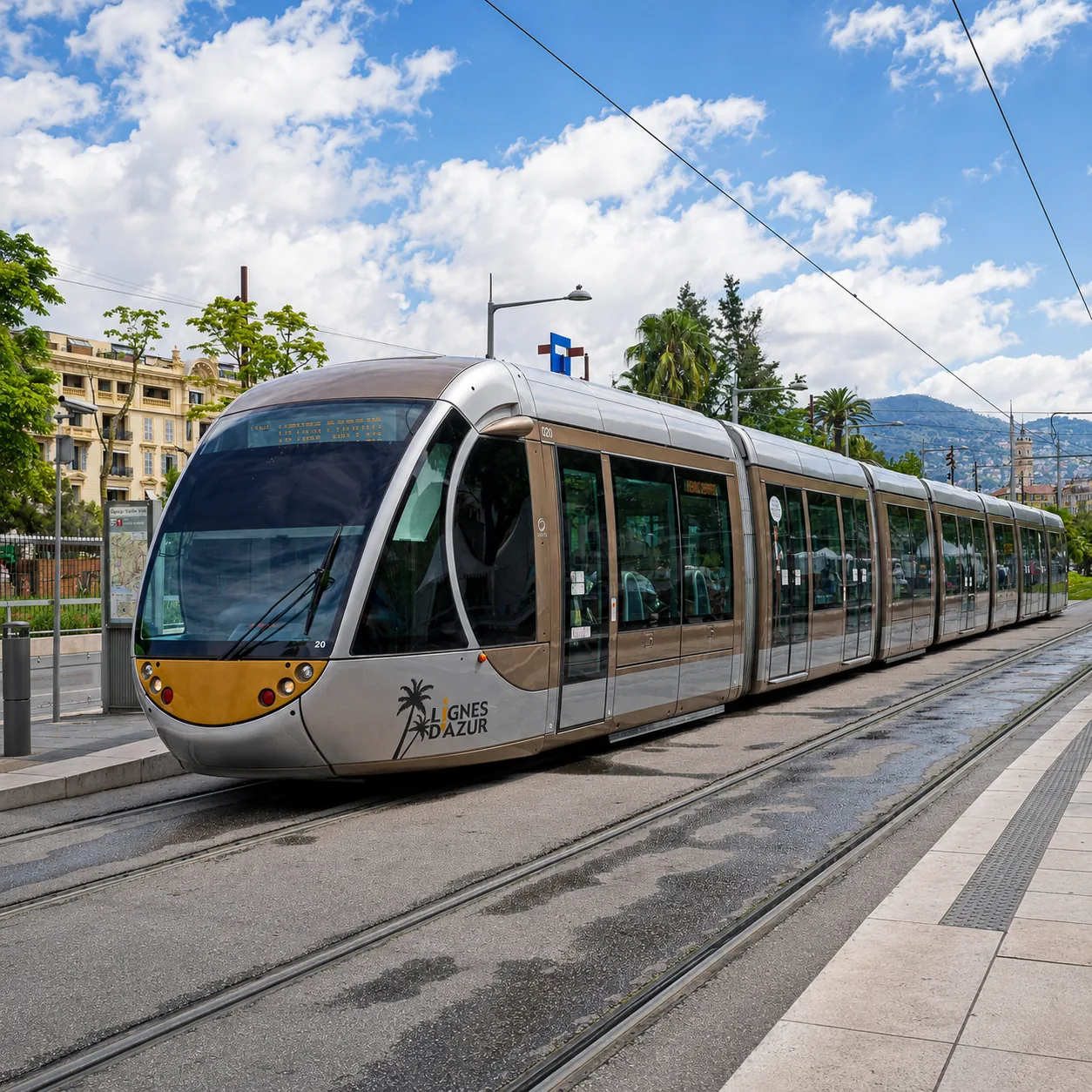
The Nice tram is a traveller’s best ally. Line 1 crosses very useful parts of the centre, passing through Jean Médecin and Place Masséna; Line 2 connects the airport with the centre and the port; Line 3 goes towards Saint-Isidore and the Allianz Riviera; and Line B links the airport with CADAM.
From the airport, Line 2 reaches the centre —with a stop at Jean Médecin— and continues to Port Lympia in under 30 minutes. The service between Terminal 2, Terminal 1 and Grand Arénas is also usually free, which is helpful when you have just landed.
The tram works especially well for travellers staying in the centre, arriving by plane or wanting to avoid taxis. The downside: in July, August, on sunny weekends or during events, the carriages can get very crowded.
Nice buses greatly expand the map, especially for areas not served by the tram. The Lignes d’Azur network covers many neighbourhoods and municipalities across the metropolitan area, so it can be helpful for specific local journeys.
They are a good option for hillier neighbourhoods, short practical routes and more targeted visits. But they are not always the most relaxing choice: traffic can slow journeys down, and in high season it is best not to plan connections that are too tight.
Nice is a city best enjoyed on foot. Vieux Nice, Cours Saleya, Colline du Château, Garibaldi, Masséna and the Promenade des Anglais create a natural sequence of walks, ochre façades, green shutters, the smell of socca and Mediterranean light.
But not all of Nice is flat. The Promenade and the old town are pleasant for walking, while Cimiez, Mont Boron and certain residential areas require stronger legs. In summer, walking at midday can feel heavy: the sun beats down on the pale stone, and shade becomes a small luxury.
Nice can be pleasant by bike, especially along the seafront. Shared-bike services are available in several parts of the city and metropolitan area, making them useful for short, easy rides.
Cycling is worthwhile for relaxed rides along the Promenade or simple short journeys, but not always for getting around the old town, where there are narrow streets, pedestrians, cobblestones and slopes. If you are not used to riding in a city, it is better to stick to open areas and clearly marked bike lanes.
One of the best reasons to stay in Nice is its rail connection. From Nice-Ville, you can easily reach other parts of the French Riviera. The train from Nice to Monaco is usually quick, direct and far easier than dealing with coastal traffic.
Cannes, Antibes and Villefranche-sur-Mer are also well connected, making Nice a very practical base for day trips by train.
For these outings, the train avoids parking, traffic along the coast and the fatigue of driving on busy roads.
The drawback is obvious: in summer, at certain times of day, trains can be very crowded. If you are travelling with luggage, young children or little patience for crowds, it is worth leaving early or avoiding the most popular times.
A taxi or ride-hailing service can be useful if you arrive late, travel with heavy luggage or are staying in an elevated area. It can also be worth it for night-time journeys or when the heat becomes too much.
But for getting around the centre, it is almost always an unnecessary expense. Between the tram, the train and walking, Nice does not force you to rely on a chauffeured car except in specific situations.
Fares can change, but public transport in Nice usually offers urban tickets with transfers within a limited time, as well as specific airport options.
For stays of several days, it may be worth checking daily or weekly passes before buying individual tickets.
The practical rule is simple: if you are going to walk a lot and use the tram only occasionally, single tickets are usually enough. If you plan to hop on and off several times a day, look at the passes before you start moving around.
The first mistake is renting a car “just in case” and then ending up paying for parking without using it. The second is underestimating distances in the heat: on the map everything looks close, but in August a long walk can feel much harder.
Another common mistake is choosing accommodation far from the tram based only on price. It may be cheap in money, but costly in time. And the last one: planning train day trips too late. On the French Riviera, getting up early often rewards you with a cleaner, less crowded and brighter experience.
For most travellers, the ideal combination is clear: walk around the centre, use the tram for urban distances, take the train for coastal day trips and avoid the car unless your itinerary truly justifies it.
Nice is best understood slowly: heading down towards the sea, crossing squares full of conversation, slipping into an old-town alley without watching the clock too closely. Its transport works well, but its real rhythm is found in walking.
Complete this transport guide with experiences in Nice that fit easily into your journeys and routes around the city.
Activity on TourBookGoBook an Italian Riviera tour from Nice in a small group with pickup, minivan transport, San Remo or Bordighera markets and a visit to Dolceacqua.
 Activity on TourBookGo
Book a Nice Old Town tour with a guide: Old Nice, Place Massena, the flower market and Castle Hill. 2.5-hour walking tour from EUR 26.
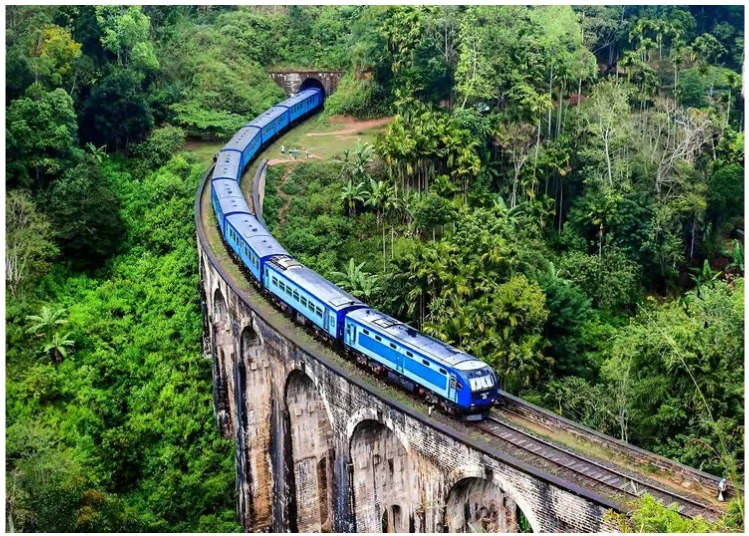 Activity on TourBookGo
Book the historic train from Nice to the Alps: a full-day trip with Alpine villages, Baroque heritage, a professional guide and lunch included.