

Enjoy a sunset and wine tasting in Nice: ride a 1995 Land Rover Defender into the hills, taste local wines and take in the views in a small group.
View experienceSafety in Nice during the day
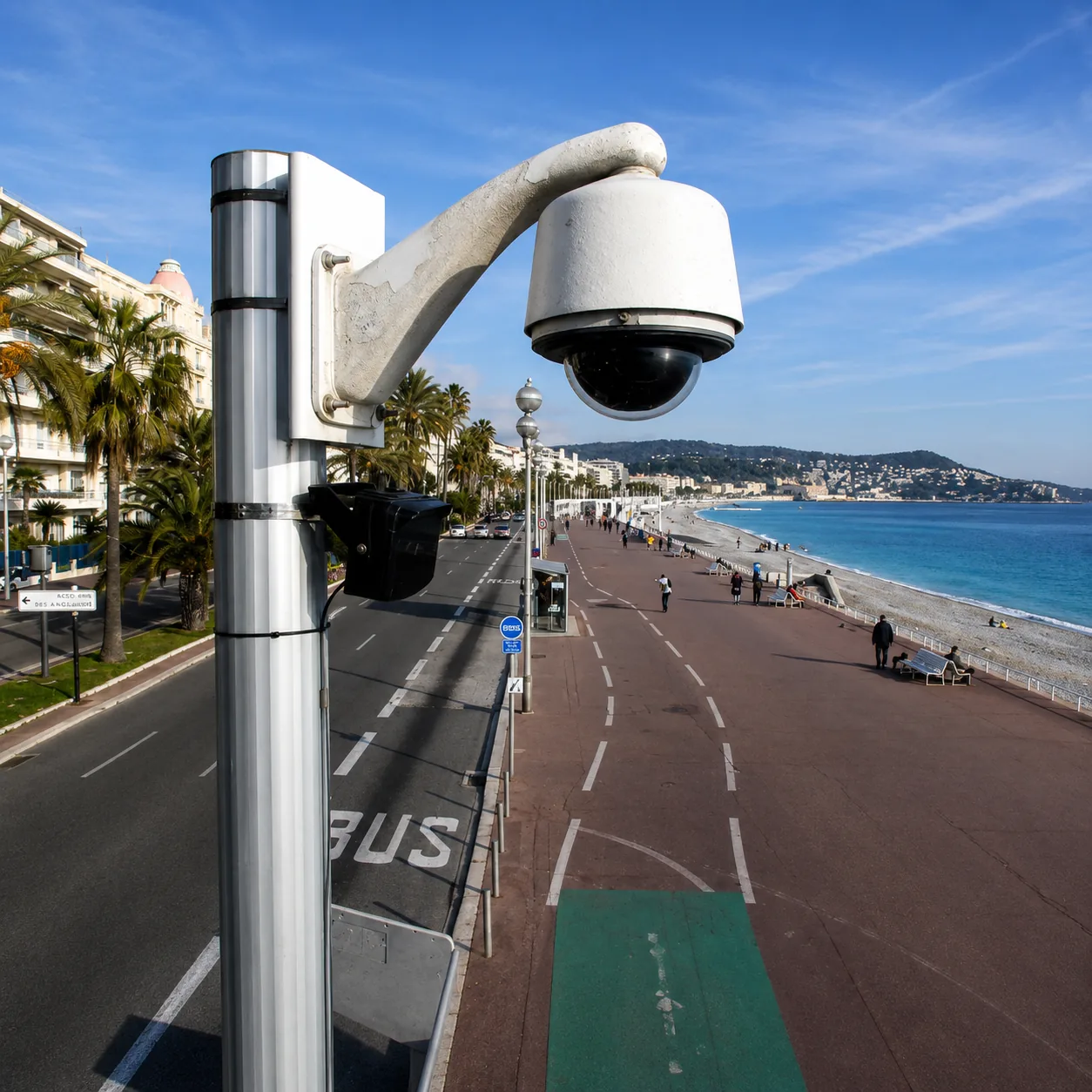
By day, Nice usually feels welcoming. Light falls on the ochre façades, the sea breaks against the stones of the beach, and the terraces fill with a mix of locals, travellers and people who seem to live without hurry. The most visited areas — the Promenade des Anglais, Place Masséna, the old town, the port and the area around Castle Hill — are perfectly enjoyable with normal precautions.
The most common problem is usually not violence, but theft: wallets, phones, open bags, backpacks worn on the back and belongings left unattended on the beach. In a city where travellers relax while gazing at the Mediterranean, that small moment of carelessness can prove costly. In busy tourist areas across France, visitors are advised to watch out for pickpockets who use distraction to reach bags or personal belongings.
In Nice, a closed and visible bag can prevent many problems.
Is Nice safe at night?
Nice changes in atmosphere at night. The centre remains lively, the streets of Vieux Nice smell of food, wine and warm stone, and the Promenade keeps that cinematic air of a city by the sea. But once night falls, it is better to choose your routes more carefully.
Main streets, areas with open terraces and well-lit promenades usually feel more comfortable than deserted alleyways. The areas around stations, some side streets in the centre and nightlife zones where alcohol is involved can feel less pleasant late at night, especially when travelling alone or returning with your phone in your hand while looking for directions.
There is no need to move around in fear. It is enough not to walk distractedly, to avoid arguments, not to accept insistent help from strangers and to use a taxi or ride-hailing service if your accommodation is far away or the street does not inspire confidence.
At night, choose main streets, lit areas and routes where there are people.
Areas where it is worth being more alert
Vieux Nice is beautiful, but also narrow, touristy and full of distractions. In crowded streets, markets and terraces, your bag should be closed and visible.
The Promenade des Anglais is safe for a walk, but not for leaving belongings unattended on the beach. The sea here invites a dangerous kind of trust: while you are swimming, a lone backpack on the pebbles is an obvious temptation.
The area around Nice-Ville, the main station, does not need to be avoided, but it is wise to pass through it with attention, especially at night or when carrying luggage. Stations concentrate transit, haste and tired travellers: exactly the kind of setting where theft finds its opportunity.
Do not leave belongings alone on the beach, even for a short swim.
Women traveling alone
For a woman travelling alone, Nice can be a good city if sensible criteria are applied: central accommodation, arrivals that are not too late, well-lit routes and clear transport from the airport or station. During the day, the centre and seafront are pleasant. At night, it is better to prioritise busy streets and avoid walking back through empty areas if you have had dinner far away.
The most likely discomfort is not serious danger, but insistent looks, comments, a heavy atmosphere in bar areas or a feeling of vulnerability in poorly lit streets. Choosing the right hotel neighbourhood matters more than any general piece of advice.
Families and children: an easy city, with a few nuances
Nice works well for families: you can walk around, take the tram, eat without complications and combine city and sea. The local transport network makes it easy to move around the city and the metropolitan area without always depending on a car.
The delicate point is the beach: it is not fine sand, but pebbles, and access to the water can be uncomfortable for small children or people with reduced mobility. In addition, in summer the Promenade and the old town can be very crowded. Family safety is more about avoiding crowds, excessive heat and lapses in attention than about any special urban risk.
Scams, pickpockets and common problems
The most frequent risks for travellers in Nice are quite predictable: pickpockets, beach theft, poorly closed bags, phones left on café tables, cars with visible luggage and unofficial taxis or services when tiredness sets in. You also need to pay attention to public transport tickets and validations: in France, inspections can be strict, and an innocent mistake can end in a fine.
Do not carry all your money in one wallet. Do not keep your passport in an outside pocket. Do not leave your phone on the table while you eat. Do not go swimming while leaving your things alone. These are simple, almost boring tips, but in Nice they make the difference between an elegant trip and an afternoon lost at the police station.
Do not carry all your money in one wallet or keep your passport in an outside pocket.
Terrorism, alerts and major events
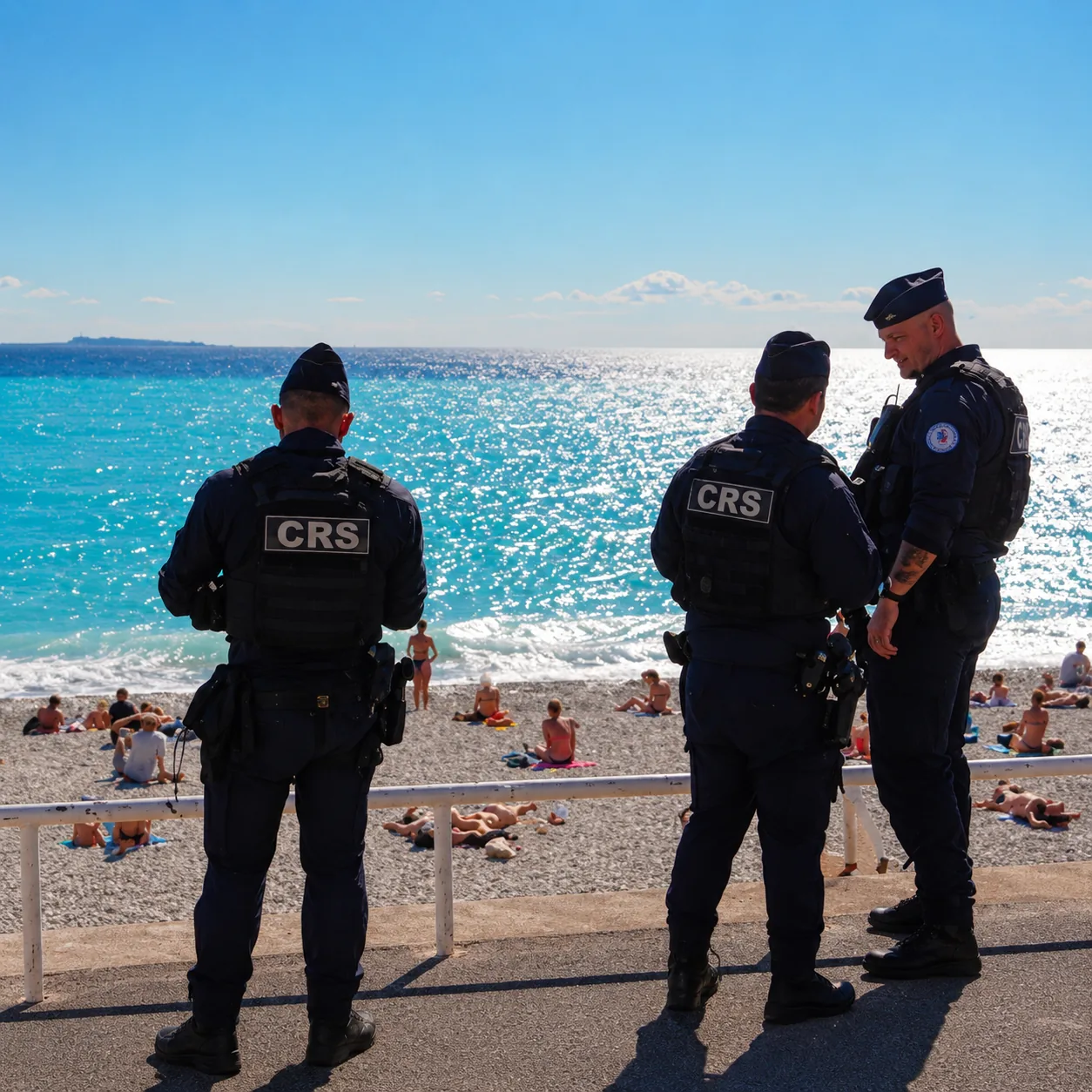
As in other French cities, the risk of terrorism exists within the country’s broader framework. Spain’s Ministry of Foreign Affairs notes that France has been at a high alert level, and other governments recommend special attention in public spaces, transport, events, tourist areas and crowded places.
This does not mean that Nice is an unsafe city to visit. It means it is wise to maintain calm caution: observe your surroundings, follow official instructions, avoid tense gatherings and do not ignore security checks or perimeters.
What to do if you have a problem
In an emergency in France, the European number 112 is the general reference. There are also specific services for police, firefighters and medical emergencies, and France offers multilingual information for incidents such as theft, loss of documents, accidents or assault.
If you are robbed, report it as soon as possible, block your cards, contact your insurance company and, if you have lost identification documents, go to the relevant consulate. Carrying secure digital copies of your ID card or passport can save a great deal of stress.
So, is Nice worth visiting?
Yes, Nice is worth visiting for those who understand its dual nature: a beautiful, elegant and vibrant Mediterranean city, but also a touristy, crowded place exposed to the petty crimes common in popular destinations. It is a good choice for couples, families, solo travellers and urban seaside breaks.
It may disappoint those who imagine a quiet, empty Riviera, those looking for soft sandy beaches or those travelling in August expecting silence. The season transforms the experience: spring and autumn usually allow for a more comfortable Nice; summer brings intense light, swimming, full terraces and also more crowds, more heat and more opportunities for carelessness.
Travel to Nice with desire, not naivety. Look at the sea, wander through its ochre streets, try Niçoise cuisine and climb up to admire the bay from above. But keep your bag closed, your phone put away and your attention awake. That is the smartest way to enjoy a city that knows how to be beautiful without ceasing to be real.
Travel to Nice with desire, not naivety.