 Activity on TourBookGo
Madame Tussauds New York Tickets in Times Square
Book Madame Tussauds New York tickets in Times Square: 200+ wax figures, Icons of Horror, a self-guided visit, and free cancellation.
Knowing how to get around New York can shape your whole trip: subway rides, long walks, occasional taxis, buses, ferries and mistakes worth avoiding.
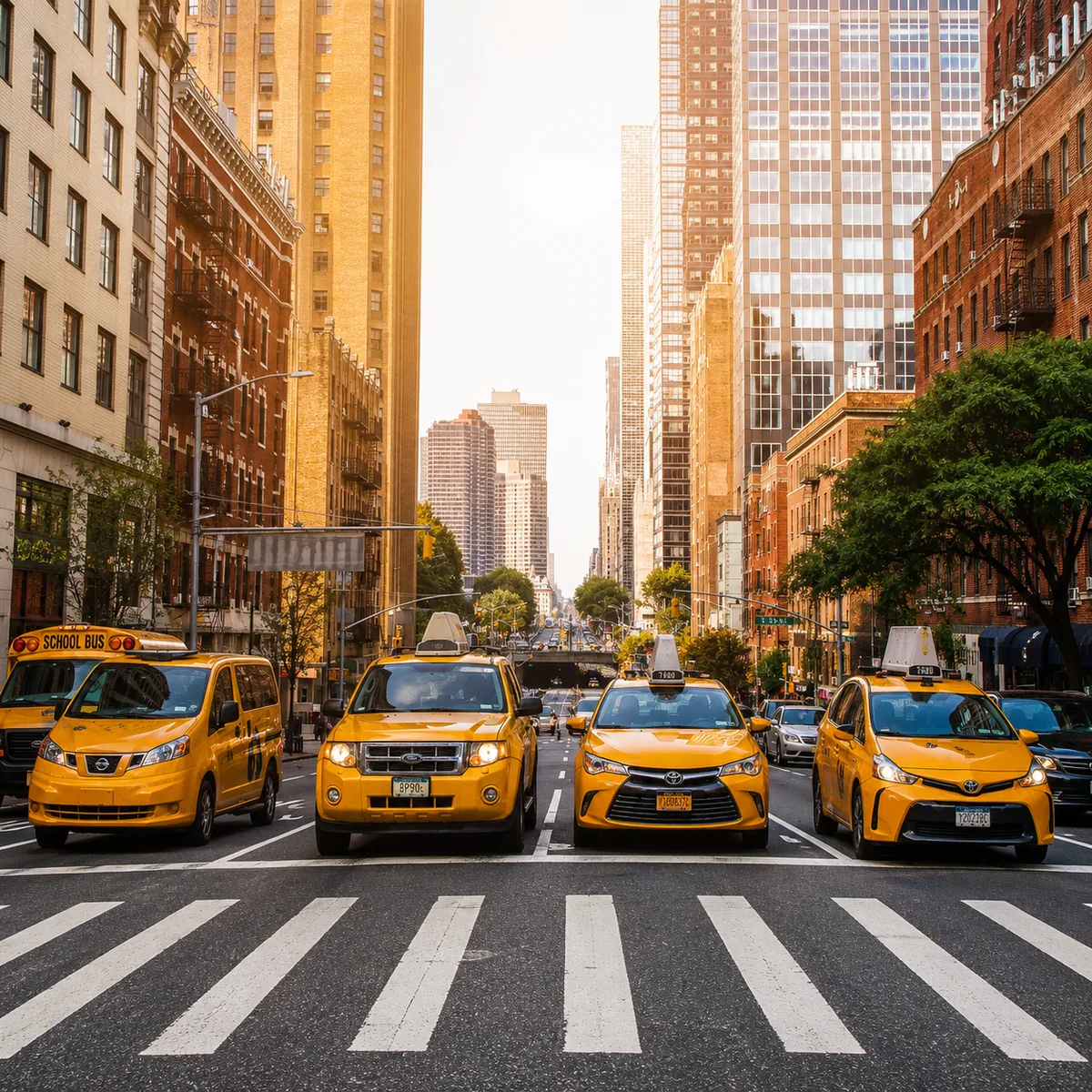
How to get around New York is not just a practical question: it is part of the experience. You come to understand the city by walking past brick façades, descending into stations with a metallic smell, emerging from the subway onto an avenue that feels like a completely different city, and watching yellow taxis glide through traffic like bright fish. New York is not visited from behind a window; it is crossed, step by step. But it is also worth saying clearly: getting around New York can be exhausting. Distances can be deceptive, stations are not always accessible, service changes are common at weekends, and a journey that looks short on the map can become a small test of patience. The key is not to choose one single form of transport, but to combine the New York subway, walking by neighbourhood, the occasional taxi and, if it fits your route, a ferry or bike.
Compare locations and options to find a base that suits your trip. Booking.com confirms current availability and pricing.
Find accommodation on BookingIn general, the subway is the best way to get around New York. It is fast, relatively inexpensive by the city’s standards, and reaches most areas of interest on a first visit: Manhattan, Brooklyn, Queens, the Bronx and connections to more distant neighbourhoods.
The base fare for the subway and local buses rises to $3 in 2026, and the OMNY system lets you pay by tapping a contactless card, phone, smartwatch or OMNY card. In addition, the automatic weekly cap means that, as long as you use the same payment method, after 12 rides within seven days all additional rides are free, with a maximum of $35 per week for subway and local bus travel.
For today’s traveller, the easiest option is to forget about buying a new MetroCard: the MetroCard is being phased out, and from January 1, 2026, it can no longer be purchased or topped up, although it will continue to be accepted for part of 2026 until the MTA announces the final withdrawal date.
The New York subway has character, but not always refinement. Some stations are old, hot in summer, confusing for first-time visitors and uncomfortable with large suitcases. There are also service changes, especially at night and on weekends; the MTA publishes schedules, maps and service alerts, and it is worth checking them before crossing half the city.
Another important point: not all stations are accessible. The MTA maintains a list of ADA-accessible stations and recommends checking the status of elevators and escalators before travelling, which is especially useful if you are using a wheelchair, travelling with a stroller or carrying heavy luggage.
New York is best savoured on foot. Walking through the West Village at sunset, crossing SoHo past shop windows and cast-iron buildings, heading up Fifth Avenue or following the Hudson changes your relationship with the city. The subway takes you to a neighbourhood; walking reveals it.
The trap lies in underestimating distances. In Manhattan, the avenues are long and the streets look neatly organised, but a poorly planned day can leave your feet destroyed before dinner. The sensible approach is to group visits by area: Downtown one day, Midtown another, the Upper West Side and Central Park another, and Brooklyn at a calmer pace on a separate day.
For a first visit, the best combination is usually the subway for longer journeys and walking within each neighbourhood. New York does not reward travellers who try to see everything in a hurry; it rewards those who accept that each area has its own rhythm.
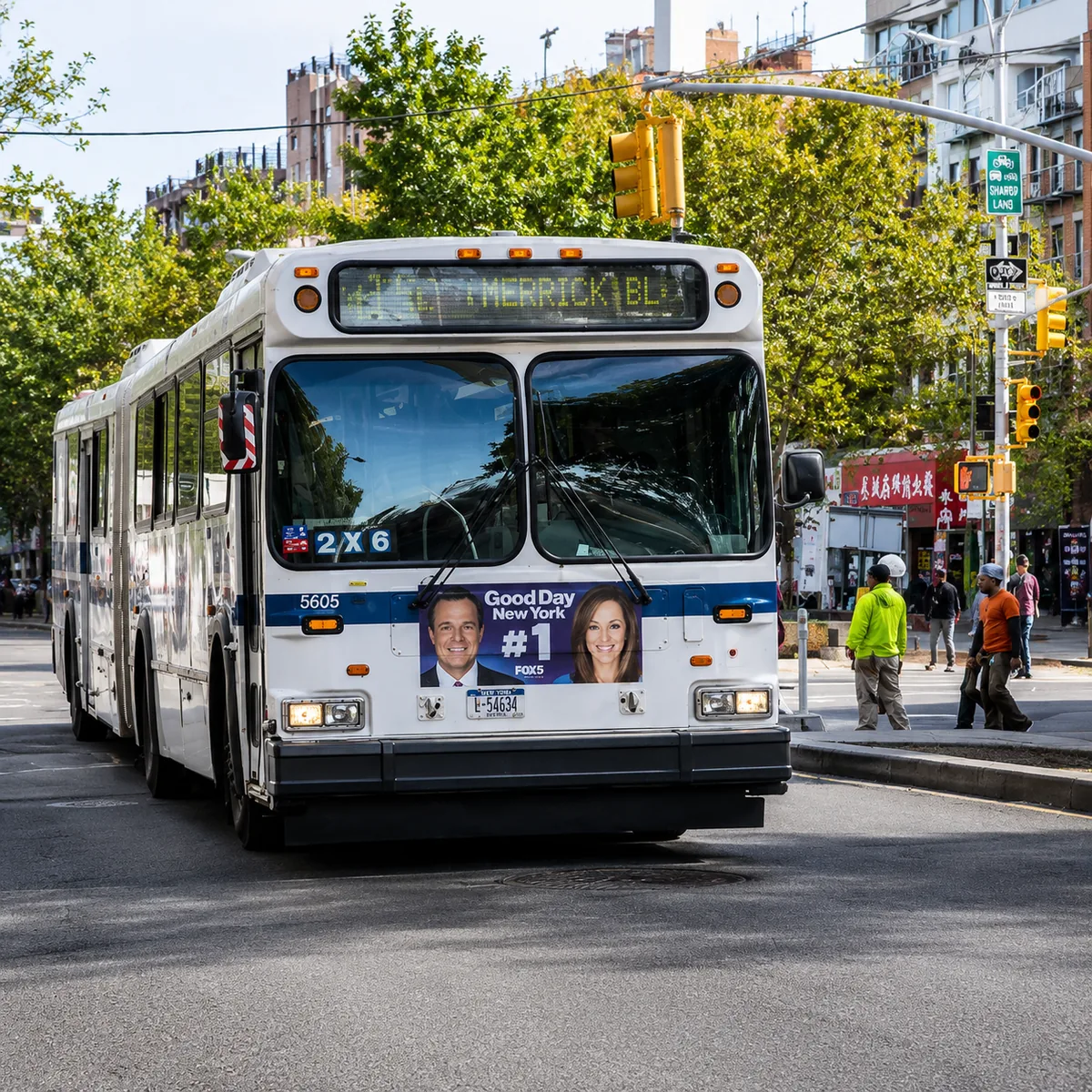
The bus is not always the fastest way to get around New York, but it can be very pleasant for certain journeys. It is especially useful for moving east to west in Manhattan, where the subway generally works better north to south. It also helps when a station is far away or when walking too much no longer feels appealing.
Its biggest drawback is obvious: traffic. At rush hour, a bus can move with almost theatrical slowness. In return, it lets you see the city from street level: neighbourhood shops, façades, parks, delivery riders, taxis, people going in and out of cafés. For travellers with time and no great hurry, it can be a good moving pause.
Taking a yellow taxi in New York still has a certain cinematic magic, although the reality is usually more prosaic: traffic, surcharges, tips and variable travel times. It is worth considering for late-night journeys, rainy days, transfers with luggage or when several people are travelling together and fatigue matters more than budget.
It is not wise to rely on taxis to get around Manhattan during the day. They can be expensive and, in congested areas, slower than the subway. In addition, the congestion toll zone includes Manhattan’s local streets and avenues south of 60th Street, with exclusions such as FDR Drive and West Side Highway; for cars with E-ZPass, the initial peak toll is $9 and is expected to increase gradually over the coming years.
The honest conclusion: yes to taxis, but as an occasional tool, not as the main plan.
For visiting New York, usually not. In fact, renting a car is often one of the most expensive and inconvenient mistakes: difficult parking, heavy traffic, tolls, parking rules, possible congestion charges and unnecessary stress.
It would only make sense to rent a car if you are leaving the city for areas where public transport is limited, such as certain towns in the Hudson Valley, more remote beaches or specific routes through New York State. For Manhattan, Brooklyn, Queens and most tourist plans, a car is unnecessary.
From JFK, a practical option is to take the AirTrain to Jamaica or Howard Beach and connect with public transport. The AirTrain JFK fare is $8.75 per ride for adults, with children under five travelling free.
For Midtown Manhattan, the AirTrain + LIRR combination from Jamaica is often more comfortable and faster than the subway, although it usually costs more. To save money, AirTrain + subway works, but it can feel long with luggage.
LaGuardia has no direct subway connection, but the free LGALink Q70 bus connects the airport with the subway and the LIRR, making it a very reasonable option for travellers with light or medium luggage.
If you arrive late, are travelling with small children or have a lot of luggage, a taxi or ride-hailing service may be worth it. LaGuardia is closer to Manhattan than JFK, but traffic can completely change the length of the journey.
Newark works well if your accommodation is near Penn Station or in areas with good rail connections. AirTrain Newark costs $8.75 in addition to the corresponding NJ Transit or Amtrak fare between the airport and the city.
Do not dismiss it just because it is in New Jersey: for some accommodation in Midtown, it can be more convenient than JFK.
The ferry in New York is not the most efficient option for everything, but it is one of the most beautiful. Seeing Manhattan from the water, with the skyline changing colour, offers something the subway never can. NYC Ferry operates routes across the five boroughs, and a single ticket is currently listed at $4.50.
Cycling can also be magnificent in specific areas: Hudson River Greenway, Central Park, Brooklyn Bridge Park or Governors Island. Citi Bike offers day passes and single rides, although electric bikes and overtime charges can increase the cost.
I would not recommend cycling along major avenues unless you have experience in heavy urban traffic. New York can be thrilling on two wheels, but it also demands constant attention.
For a first visit to New York, the smartest approach is to stay near a good subway line and organise each day by neighbourhood. Subway in the morning, long walks during the day, and the occasional taxi at night if you are tired.
For families, it is worth reducing transfers and checking accessibility if travelling with a stroller. For older travellers or people with limited mobility, choosing a hotel near accessible stations can make an enormous difference. For tighter budgets, OMNY and well-planned walks will be your best allies.
The first mistake is looking only at distance on the map. Two points may seem close yet be separated by an awkward journey. The second is failing to check weekend service changes. The third is relying too much on taxis in Midtown or Downtown during heavy traffic. The fourth is booking accommodation far from the subway to save a little money: sometimes that saving is paid for every day in time, fatigue and transfers.
New York moves with an energy that is both beautiful and rough-edged. It can tire you out, confuse you and dazzle you all in the same morning. But once you understand its logic — subway to cross it, feet to get to know it, taxi only when needed — the city begins to open up more calmly. And then journeys stop being a nuisance: they become part of the trip.
Complete this transport guide with experiences in New York that fit easily into your journeys and routes around the city.
Activity on TourBookGoBook Madame Tussauds New York tickets in Times Square: 200+ wax figures, Icons of Horror, a self-guided visit, and free cancellation.
 Activity on TourBookGo
Book your American Museum of Natural History New York ticket and explore 40+ halls, dinosaurs, fossils, permanent exhibitions, the Rose Center and the Gilder Center.
 Activity on TourBookGo
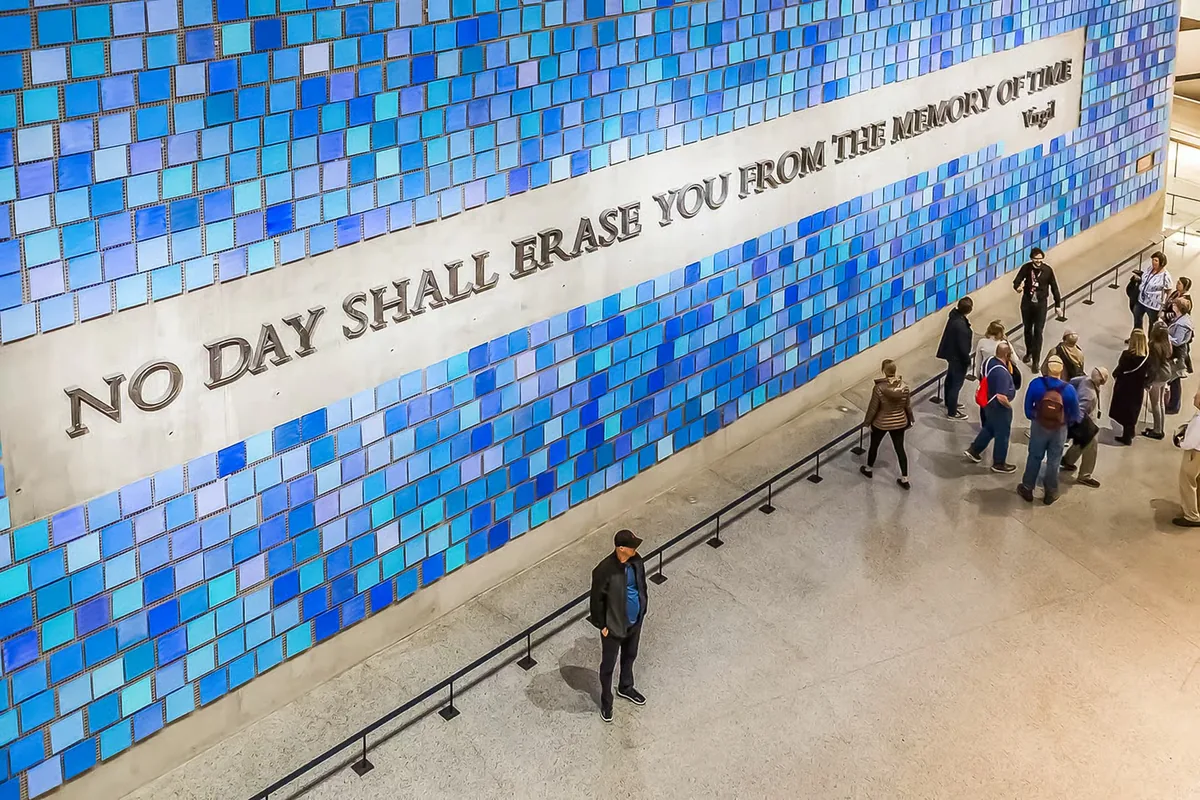
Book your 9/11 Museum New York ticket with timed entry, World Trade Center exhibitions, outdoor Memorial access, and optional guided tour choices.