 Activity on TourBookGo
Aladdin Broadway New York Tickets: Disney Musical
Book Aladdin Broadway New York tickets for the New Amsterdam Theatre. Enjoy Disney’s Broadway musical, a family-friendly show with descriptive audio guide available.
Is New York safe? For most cautious visitors, yes: the city is intense, dazzling, and sometimes rough-edged, but it is far easier to enjoy when you know how to move through it with common sense.
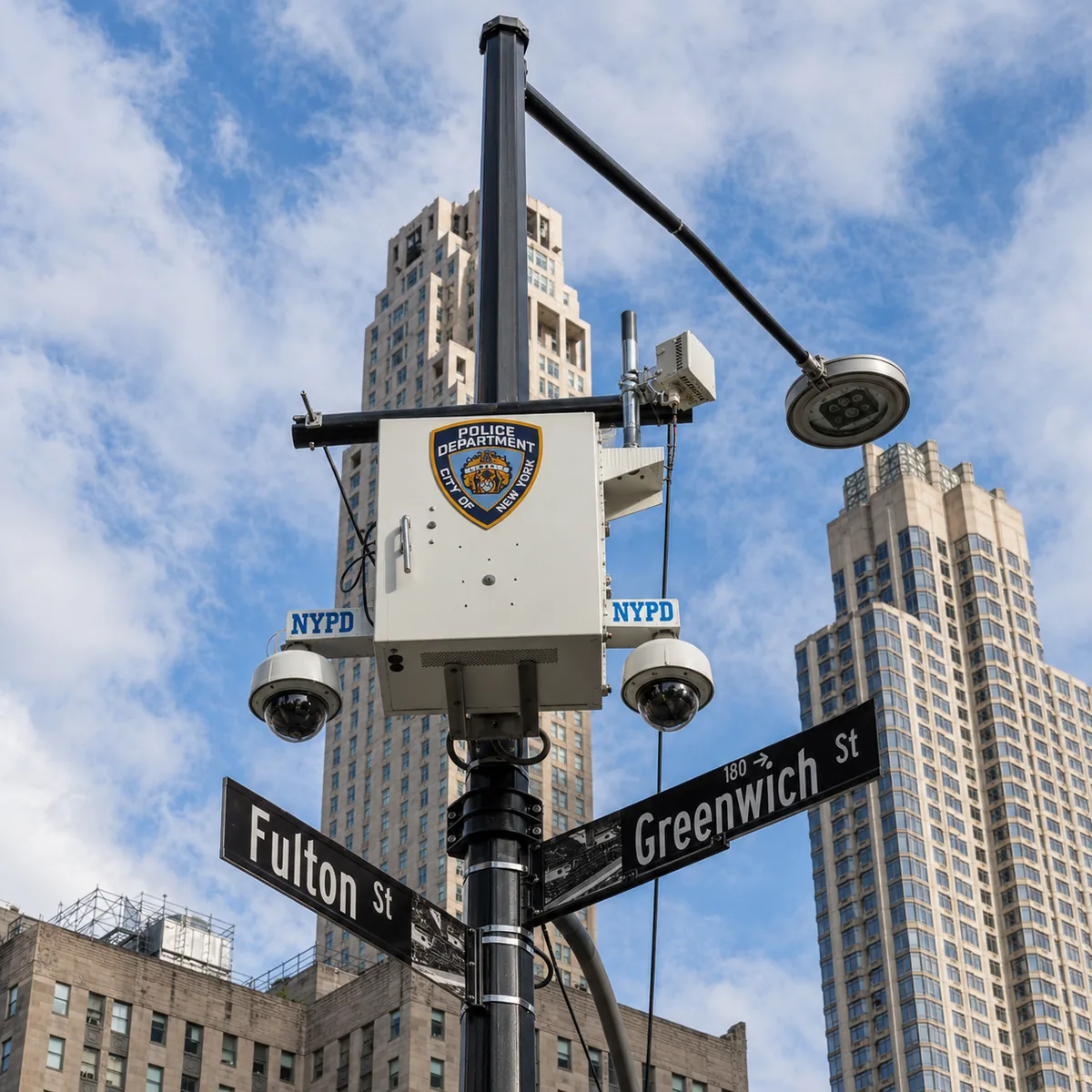
Is New York safe for a first visit? In most tourist areas, yes, as long as you understand the city for what it is: intense, dazzling, and sometimes rough-edged. Walking through Manhattan at dusk, with steam rising from the manholes and yellow taxis cutting across the avenues, can feel cinematic; it can also feel overwhelming if it is your first time there. The honest answer is this: New York is generally safe for cautious travellers, especially in tourist areas, but it is not a city to move through naively.
Compare locations and options to find a base that suits your trip. Booking.com confirms current availability and pricing.
Find accommodation on BookingThe NYPD publishes weekly updated crime statistics, and the city maintains a visible security presence in busy areas, on public transport, and at major events. Even so, as in any large metropolis, risk does not disappear: it changes depending on the time, the area, the subway station, the crowd, and the traveller’s own behaviour.
New York City Government
For most visitors, New York does not feel like a dangerous city, but rather a demanding one. There is noise, speed, people sleeping on the street, occasional arguments, pushy vendors, sirens, unpleasant subway stations, and neighbourhoods that can change dramatically from one avenue to the next. That does not mean the trip is unsafe, but it does mean it is worth travelling with awareness.
The classic areas — Midtown, Times Square, Central Park during the day, the Upper West Side, the Upper East Side, SoHo, Greenwich Village, Chelsea, Williamsburg, and Dumbo — are usually comfortable for tourists. Problems tend to arise more from carelessness than from serious threats: phones left on tables, open bags, wallets in back pockets, backpacks left unattended in crowded places, or accommodation so cheap it hides unpleasant surprises.
The subway is an essential part of the trip. It is fast, practical, and often more authentic than any observation deck. It can also be unsettling: hot platforms in summer, almost empty cars late at night, old stations, delays, and unpredictable characters.
According to data released by the MTA, subway crime in 2025 was at its lowest level in 16 years, with a rate of 1.65 major crimes per million riders. That helps put the risk into perspective: statistically, the subway is far less dangerous than some headlines suggest, although the perception can change considerably at night or in deserted stations.
MTA
The practical rule is simple: during the day and at busy times, the subway is usually a reasonable option. Very late at night, if the journey involves long transfers, empty platforms, or outlying areas, an official taxi or licensed car service may be a more reassuring choice.
It is neither fair nor useful to label entire neighbourhoods as “dangerous.” New York is too large and too changeable to reduce it to simple tags. The sensible approach is to look at the context: poorly lit streets, empty stations, parks at night, large tourist crowds, and the areas around transport hubs such as Penn Station, Port Authority, or some subway entrances late at night.
Times Square, for example, is not usually a dangerous area in the classic sense; it is full of people and police. But precisely for that reason, it can attract pickpockets, petty scams, costumed characters who pressure people for tips, and vendors looking for distracted tourists.
The most common risks are not dramatic, but annoying. Pickpockets in crowds, fake “gifts” that end in demands for money, photos with costumed characters who do not make the price clear, resold tickets, unofficial taxis at airports, and short-term rentals with questionable conditions.
The city itself warns that some illegal short-term rentals may use bait-and-switch tactics: the traveller books one thing and, on arrival, finds something else, a missing host, unsafe conditions, or accommodation different from what was advertised. In New York, where lodging is already expensive, a bargain that looks too good deserves a second look.
New York City Government
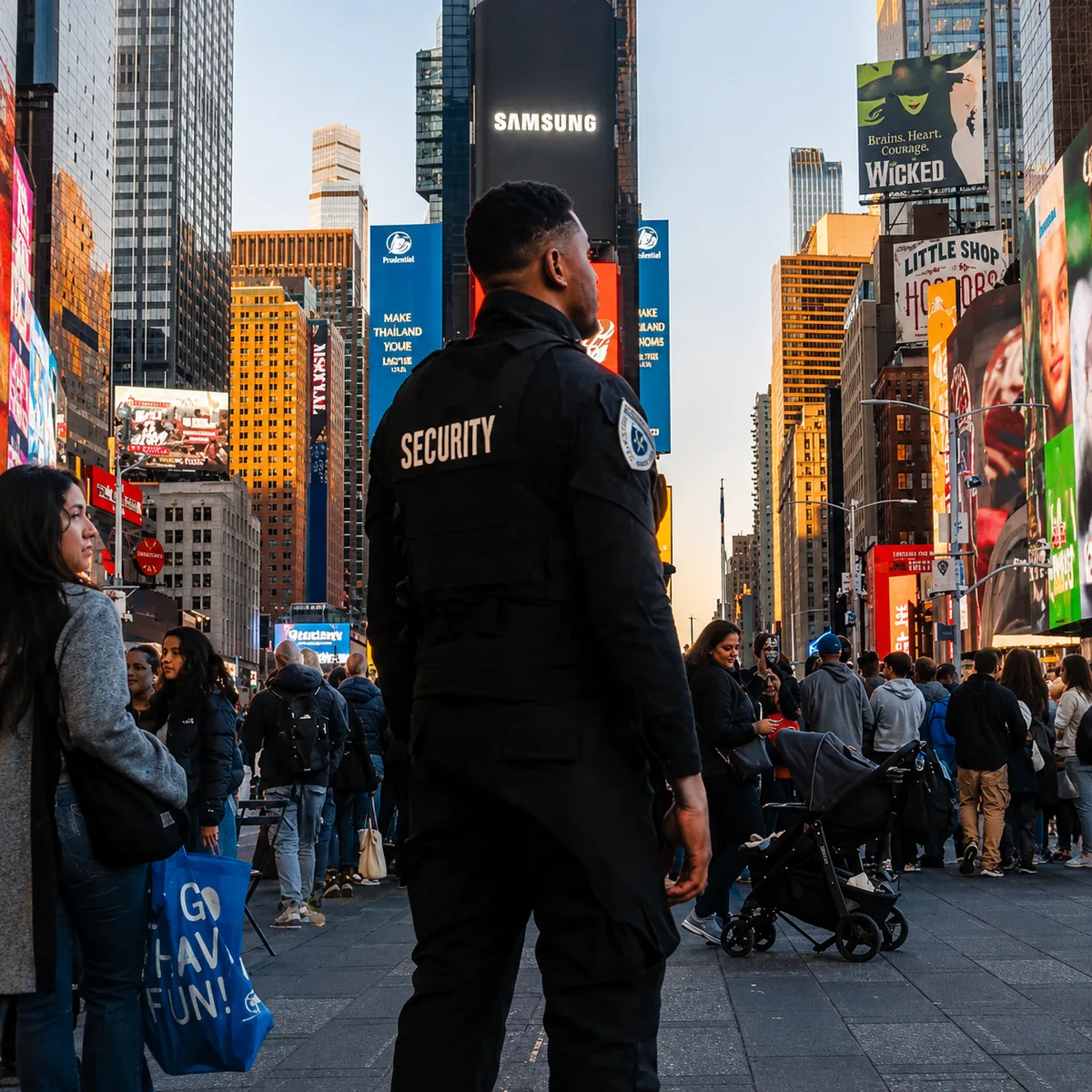
At night, New York can be wonderful: Broadway theatres lit up, Village bars, the silhouette of the Brooklyn Bridge, restaurants busy until late. But night also calls for better route choices. Leaving a musical in Midtown surrounded by thousands of people is not the same as wandering aimlessly through empty streets after midnight.
The city’s Office of Nightlife recommends basic measures such as sharing your location with someone you trust, keeping an eye on your belongings, not accepting drinks from strangers, and planning how you will get back before going out. These are simple tips, but in New York they make a lot of sense: the city invites improvisation, and not every improvisation ends well.
New York City Government
New York can be a good city for women travelling alone, especially if they stay in well-connected areas and follow basic urban habits. There is street life, frequent transport, cafés, hotels with 24-hour reception, and neighbourhoods where being alone does not attract attention.
The uncomfortable moments are more likely to involve comments, persistence on the street, or a feeling of vulnerability in empty subway cars than serious incidents. For a first visit, it is worth prioritising central accommodation, avoiding long walks back late at night, and sitting near other passengers or the driver on night transport.
With children, New York is exciting but exhausting. Safety is not usually the main issue; distances, noise, subway stairs, crowds, and tiredness are. Central Park by day, museums, ferries, quieter neighbourhoods, and well-organised observation decks work very well. Times Square may fascinate them for twenty minutes and overwhelm them afterwards.
The best advice for families is not to overfill the itinerary. In New York, doing less usually works better. A tired child in a packed subway station can turn any plan into a small battle.
The first mistake is walking around staring at your phone as if the city were a film set. The second is carrying your wallet in your back pocket or leaving your backpack open. The NYPD recommends not carrying large amounts of cash, not leaving bags unattended, and being especially careful with pickpockets when watching street performances.
New York City Government
The third mistake is booking accommodation based on price alone. Staying far away may save money, but it can also add long journeys, fatigue, and less comfortable late-night returns. In New York, a good location does not just improve the trip: it also reduces small uncomfortable situations.
Yes, if you accept the city as it is: grand, imperfect, expensive, magnetic, and at times exhausting. New York is not a clean postcard or a frictionless fantasy. It is a real city, with visible inequality, crowds, haste, and corners that do not charm. But it also offers an energy that is hard to find anywhere else: breakfasts beside misted-up windows, bookshops open late, jazz in basements, parks among skyscrapers, and that feeling of being inside a story that never stops.
New York is worth it for urban, curious, active travellers who can move around with common sense. It may not be the best choice for those looking for rest, silence, gentle prices, or an experience that is always easy. The city rewards those who look at it attentively, not those who expect everything to be simple.
Enjoy New York through selected, well-organised experiences that help you explore the city with greater peace of mind.
Activity on TourBookGoBook Aladdin Broadway New York tickets for the New Amsterdam Theatre. Enjoy Disney’s Broadway musical, a family-friendly show with descriptive audio guide available.
 Activity on TourBookGo
Book a Central Park bike rental from Columbus Circle and explore New York at your own pace with a Trek bike, helmet, basket, lock and map included.
 Activity on TourBookGo
Enjoy New Year’s Eve on the Brooklyn Bridge with a guided walk, New York countdown, midnight toast and night views of the Manhattan skyline.