 Activity on TourBookGo
MJ The Musical Broadway New York: Michael Jackson Tickets
Book MJ The Musical Broadway New York tickets at the Neil Simon Theatre and enjoy more than 25 Michael Jackson hits in a high-energy Broadway night.
A good New York itinerary is not about seeing everything: it blends icons, neighborhoods, pauses, and a little room to get lost without letting the city overwhelm you.
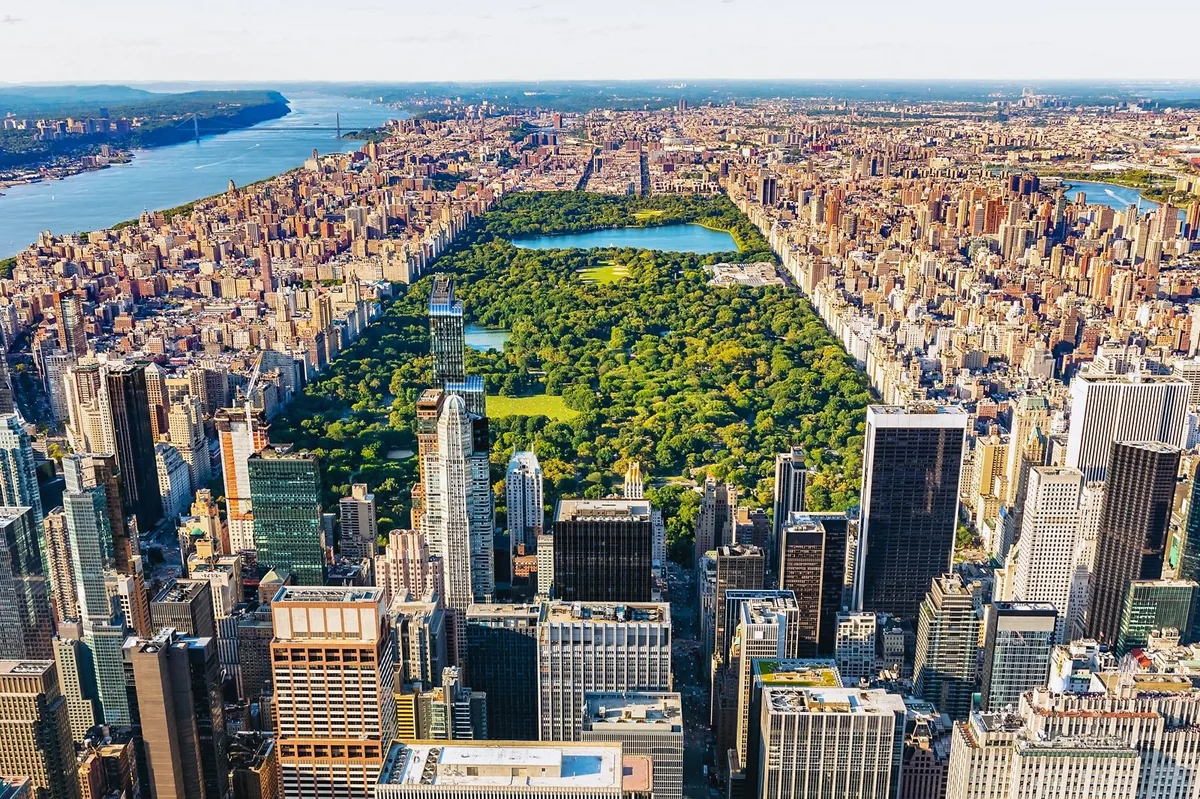
The key to enjoying New York is not seeing everything. It is accepting that the city will always remain unfinished. Anyone who tries to devour it through an endless checklist ends up exhausted, with more photos than memories. For a first visit, it is best to divide the city by area, use public transport, walk with patience and avoid packing each day with more than three or four major stops.
Compare locations and options to find a base that suits your trip. Booking.com confirms current availability and pricing.
Find accommodation on BookingOne day in New York means making choices. It will not be a deep visit, but rather a first encounter with the city’s energy.
Start early in Lower Manhattan. Walk around the World Trade Center area, stop by the 9/11 Memorial if you want a sober, quiet moment, then continue toward Wall Street and Battery Park. From there, you get a first sense of the harbor, with the Statue of Liberty in the distance.
If you only have a few hours, the full trip to Liberty Island may not be worth it. Instead, you can spend the morning walking toward the Brooklyn Bridge. Crossing it on foot, especially if it is not too crowded, remains one of the city’s most beautiful experiences: iron, stone, taut cables, and the Manhattan skyline rising behind you like a promise.
Once you reach Brooklyn, head down to DUMBO and Brooklyn Bridge Park. It is a very photogenic area, yes, but also a pleasant place to breathe beside the East River. Then take the subway back to Midtown.
In the afternoon, walk through Grand Central Terminal, the New York Public Library, Bryant Park, and the Rockefeller Center area. If you want to go up to an observation deck, choose just one. Doing several on a short trip is usually expensive and repetitive. To end the day, pass through Times Square, but do not give it too much time: it impresses through sheer excess, though it can also feel overwhelming, noisy, and less exciting than expected.
With two days, you can already balance the itinerary. The first day can focus on southern Manhattan and Brooklyn; the second on Central Park, museums, and Midtown.
Day 1: Lower Manhattan, Brooklyn Bridge, and DUMBO. Follow a route similar to the one-day itinerary, but with more breathing room. If you are interested in the history of migration to the United States, spend the morning at the Statue of Liberty and Ellis Island. It is a visit with symbolic weight, not just a photo opportunity. That said, it takes several hours and may feel tiring if you are traveling with small children or if the weather is harsh.
In the afternoon, cross the Brooklyn Bridge and stay to watch the sunset from Brooklyn Bridge Park. The city turns golden, skyscrapers shimmer on the water, and for a moment New York seems less fierce.
Day 2: Central Park, a Museum, and Midtown. Start in Central Park. Do not try to cover the whole thing. Choose one area: Bethesda Terrace, Bow Bridge, The Mall, or the area around the lake. In spring and autumn, the park is especially beautiful; in winter it can feel cinematic, but also cold and gray.
Then visit the Metropolitan Museum of Art if you enjoy art and history. The Met spans more than 5,000 years of art, so it is worth going in with a clear plan: the point is not to see everything, but to choose a few galleries and enjoy them.
End the day by walking down Fifth Avenue toward Rockefeller Center, St. Patrick’s Cathedral, and Bryant Park. If you feel like seeing a musical, the evening can end on Broadway, although prices vary widely and it is worth comparing before buying.
Three days is a very common length for a first visit. New York’s official tourism guide itself suggests combining areas such as Midtown, Harlem, Chelsea, the Theatre District, Lower Manhattan, and Brooklyn during a short stay, which confirms an important idea: the city is better understood through its neighborhoods than through isolated monuments.
Day 1: Midtown and First Views. Dedicate the first day to the most recognizable New York: Grand Central, Bryant Park, the New York Public Library, Rockefeller Center, Fifth Avenue, and Times Square at the end of the day. Add an observation deck if the sky is clear. Going up in fog or rain is usually disappointing.
Day 2: Central Park, Upper East Side, and a Museum. Set aside the morning for Central Park and midday for the Met or, if you prefer something lighter, for a walk around the Upper East Side. This area shows a more elegant, residential, and orderly New York, though also a less vibrant one than other neighborhoods.
In the afternoon, you can head down toward Columbus Circle or over to Lincoln Center. It is a less rushed day, designed to offer a little rest from the noise.
Day 3: Downtown, SoHo, Greenwich Village, and Brooklyn. Start at the World Trade Center and continue toward Wall Street, Battery Park, or the ferry to the Statue of Liberty if you have not done it yet. Then head up toward SoHo, with its cast-iron façades, shops, and cobbled streets. Continue toward Greenwich Village, more intimate and pleasant for wandering without a fixed goal.
At sunset, cross over to Brooklyn. DUMBO and the Brooklyn Heights Promenade offer one of the most beautiful farewells to a first visit.
With seven days, New York stops being a race. You can combine major visits with less obvious neighborhoods and a few cultural plans.
Days 1 and 2: Classic Manhattan. Start with Midtown, Central Park, the Met, Rockefeller Center, Grand Central, and Fifth Avenue. Do not cram everything into the first day: jet lag, noise, and distances can take their toll.
Day 3: Lower Manhattan and the Statue of Liberty. Dedicate the day to southern Manhattan, with time for the Statue of Liberty, Ellis Island, the 9/11 Memorial, Wall Street, and Battery Park. It is an emotionally intense day, so do not overload it with too many evening plans.
Day 4: SoHo, Nolita, Chinatown, and the Lower East Side. This is a day for walking, eating, and looking at shop windows, markets, façades, bakeries, and small restaurants. Chinatown and the Lower East Side reveal a more mixed, less polished, and more interesting city than many Midtown postcards.
Day 5: Chelsea, the High Line, and the West Village. Stroll through Chelsea Market, walk along the High Line, and make your way down toward the West Village. The High Line is pleasant, but it can be very crowded; it works best early in the morning or outside the busiest times. Do not expect a wild park: it is an elevated urban walkway, carefully maintained, photogenic, and sometimes far too full.
Day 6: Brooklyn at an Easy Pace. Explore Williamsburg, Greenpoint, DUMBO, or Park Slope depending on your style. Brooklyn deserves time because it is not just a viewpoint facing Manhattan. It has cafés, bookshops, residential streets, parks, and a local life that lets you slow down.
Day 7: Harlem, Queens, or a Personal Plan. The final day can take you to Harlem, with its musical history and broad avenues, or to Queens, especially if you are interested in eating well and discovering a more diverse New York. You can also leave it open to revisit somewhere, shop calmly, or simply sit in a park. In New York, resting is also part of the trip.

The first mistake is wanting to see everything. New York punishes excessive ambition with fatigue, queues, and endless transfers. The second is staying too far away thinking only about saving money: it can be worth it, but if each journey takes too much time, the savings lose their charm.
It is also wise not to rely only on Times Square. It is striking the first time, but it does not represent the city at its best. Another common mistake is improvising highly sought-after visits without checking availability, especially in peak season, on long weekends, or at Christmas.
And above all, do not forget to look at the city without a screen. Some of the best scenes are not on any list: a woman reading on the subway, a bag of freshly made bagels, a basketball court at sunset, a quick conversation on a corner, orange light falling over brick buildings.
Spring and autumn usually offer the most pleasant experience: mild temperatures, beautiful parks, and more comfortable walks. Summer can be vibrant, but also humid, expensive, and full of visitors. Winter has a special atmosphere, especially around Christmas, though the cold and short days strongly shape the pace.
New York changes with the season. The same route can feel bright in May, stifling in August, golden in October, or melancholic in January. That is why the best itinerary is not the one that piles up the most places, but the one that adapts to the weather, to your body, and to the kind of traveler you are.
One day lets you glimpse it. Two days allow you to recognize its symbols. Three days offer a reasonably complete first visit. A week opens the door to a more real, less rushed, and more memorable New York.
The city can be expensive, noisy, excessive, and exhausting. It can also be exciting, cultured, diverse, and strangely intimate when you find your own rhythm. New York is worth it as long as you do not try to master it. You have to walk it with ambition, yes, but also with humility: knowing that there will always be an avenue left for another day, a museum for next time, an unreserved table, and some ordinary corner waiting to become a memory.
Complete your New York itinerary with selected experiences that fit naturally into one-day or multi-day routes.
Activity on TourBookGoBook MJ The Musical Broadway New York tickets at the Neil Simon Theatre and enjoy more than 25 Michael Jackson hits in a high-energy Broadway night.
 Activity on TourBookGo
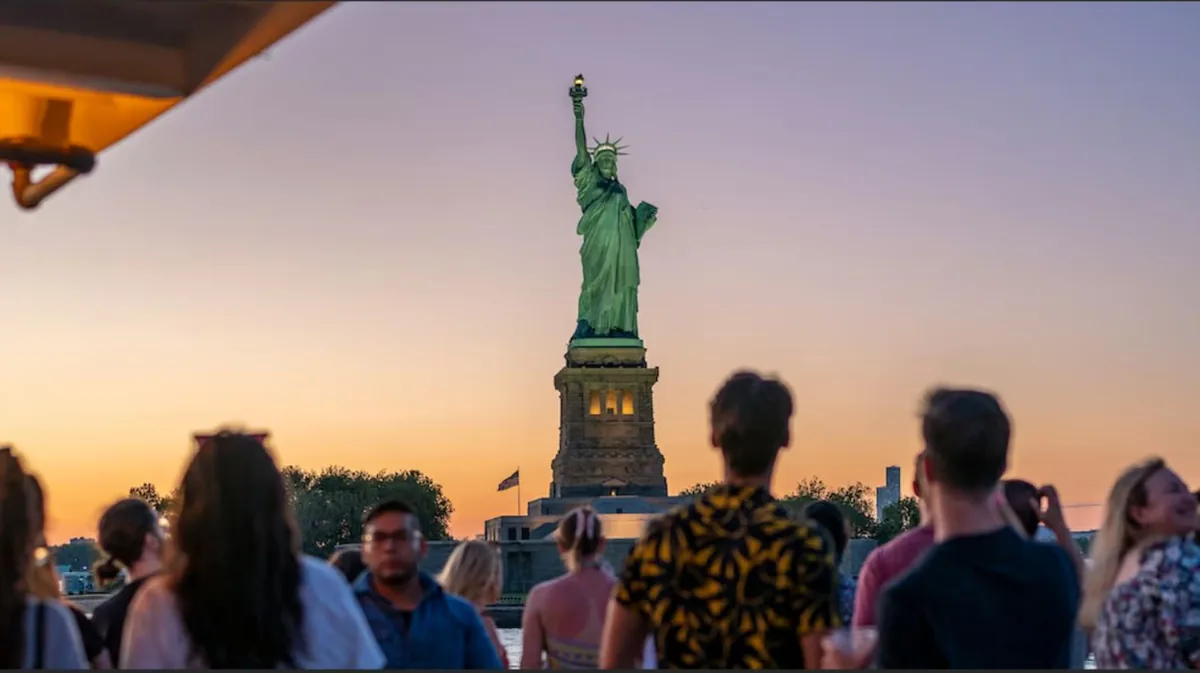
Book a sunset boat cruise to the Statue of Liberty: a 90-minute New York Harbor tour with Manhattan skyline and Brooklyn Bridge views.
 Activity on TourBookGo
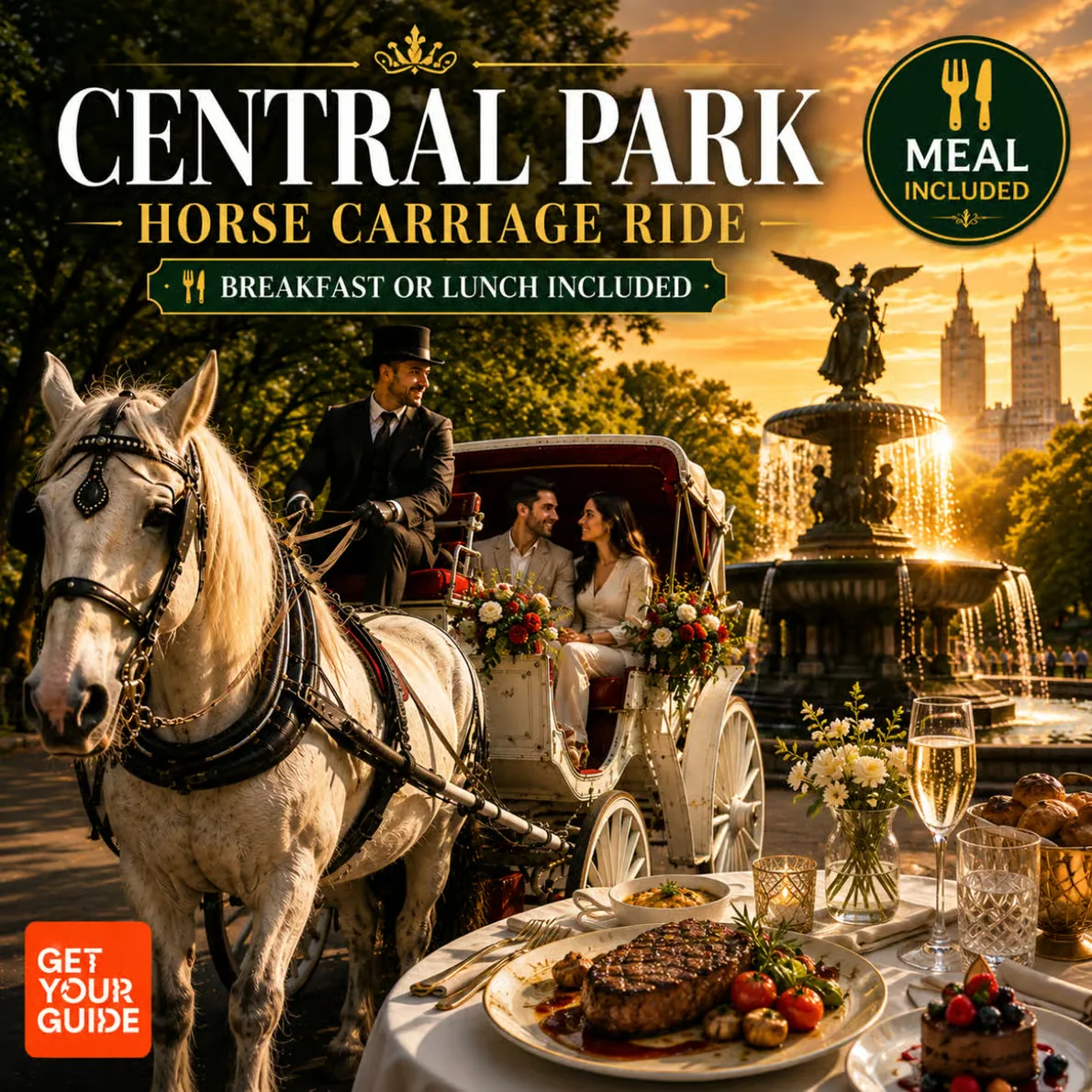
Book a Central Park carriage ride with lunch or breakfast, an included drink, and a private route past iconic New York landmarks.