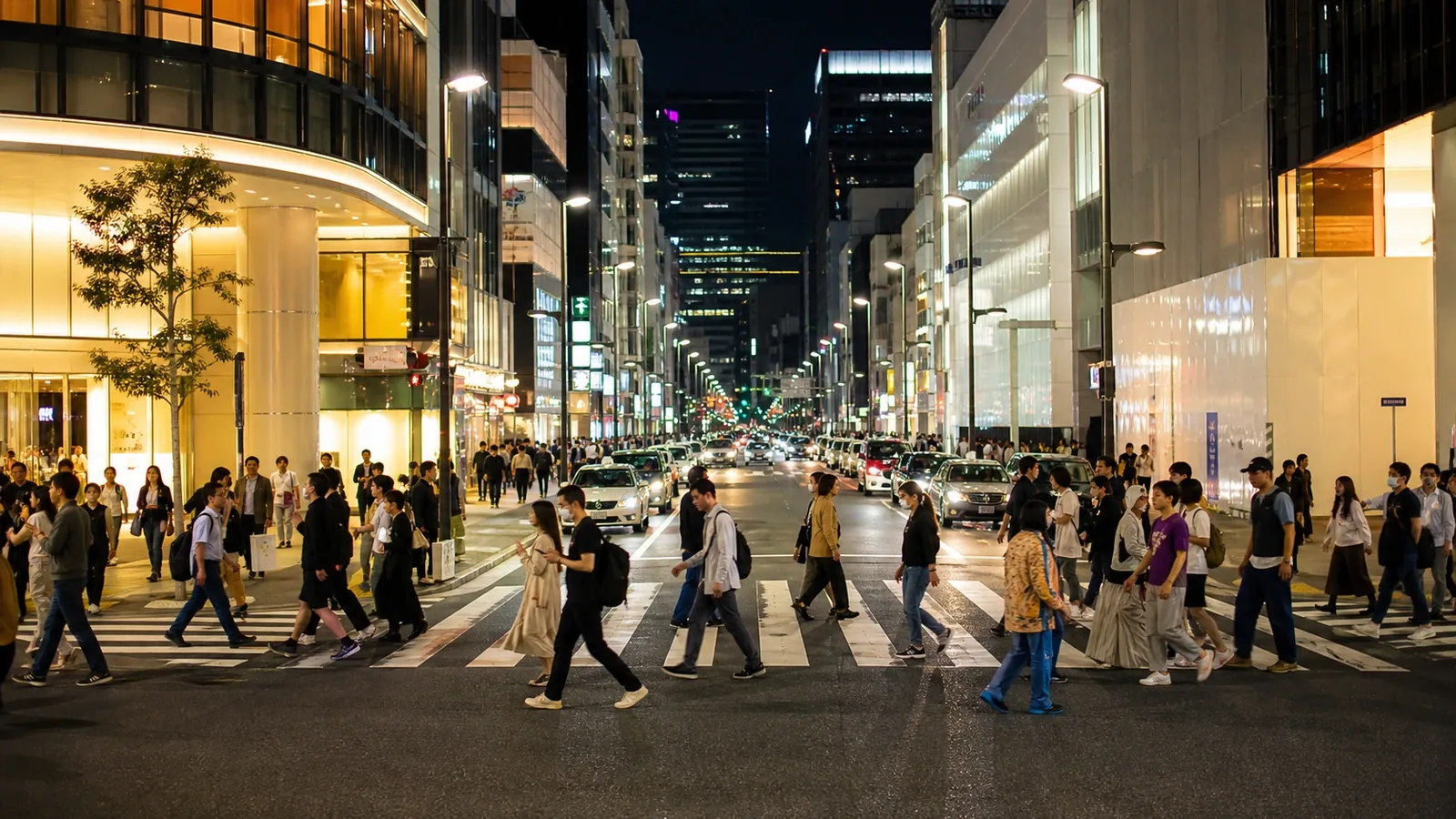

Is it safe to walk around Osaka at night?
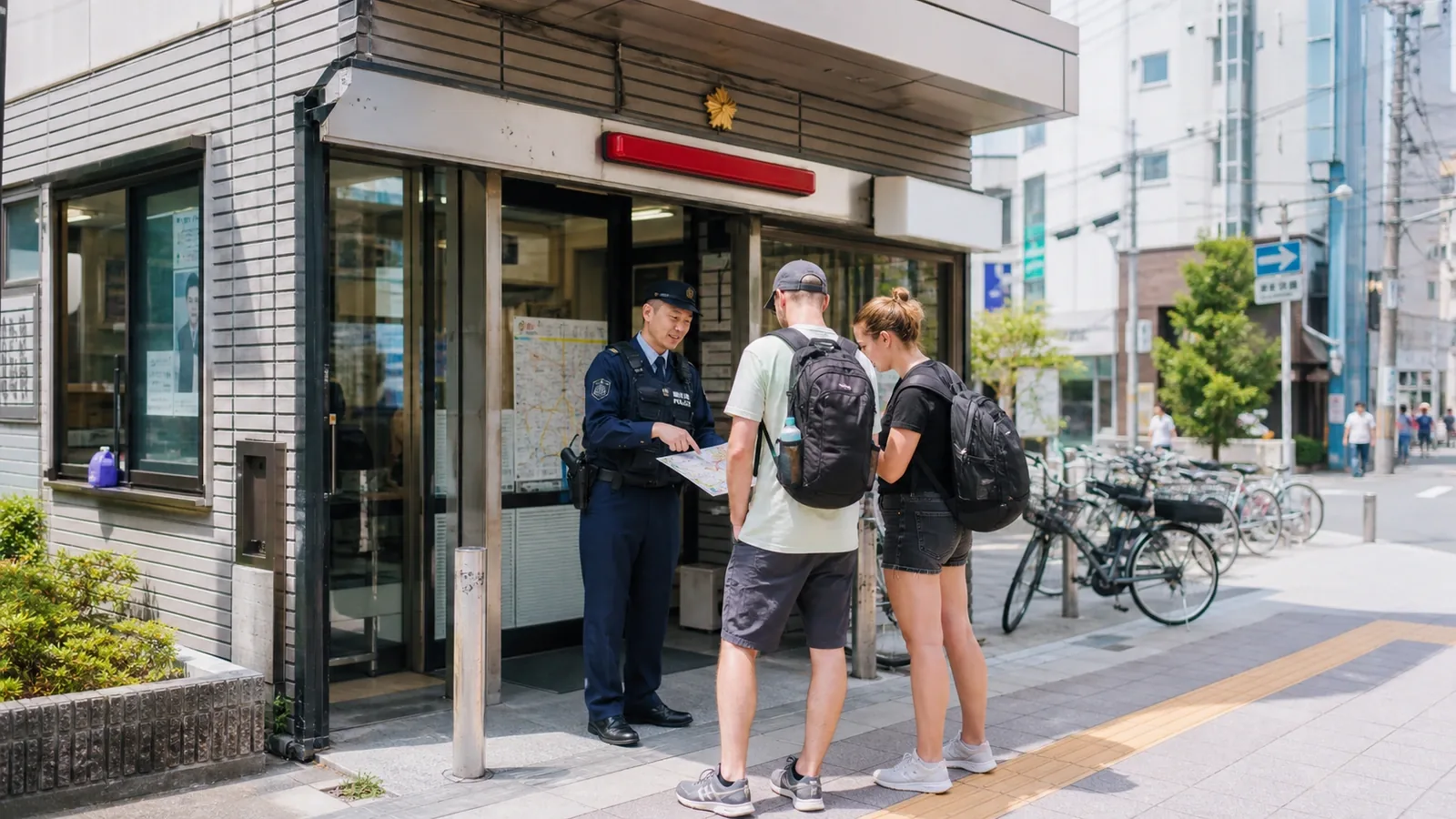
In most central areas, yes. It is common to see people walking alone, taking the subway late at night or heading home along side streets without any obvious concern. Open shops, train stations, good lighting and small neighborhood police boxes—known as koban—all reinforce the sense of order.
Dotonbori, Namba and Shinsaibashi are at the heart of Osaka’s nightlife. These lively areas are packed with restaurants, bars, clubs and visitors, especially after dark. They should not be considered no-go zones, but the large crowds make it sensible to keep a closer eye on your wallet, phone and bag.
Shinsekai has a grittier appearance, with older facades, amusement arcades and streets that may look less polished than those in Umeda. That appearance does not necessarily mean the area is unsafe. Some people may feel uncomfortable in quiet alleys or near late-night venues, but there is no general reason to avoid the neighborhood during a normal visit.
The most sensible precaution is not to follow strangers into venues you did not choose yourself, to check prices and conditions before entering, and to leave any situation that starts to feel confusing or uncomfortable.
Osaka scams and problems tourists may encounter
The most likely everyday risk is not a violent assault, but losing an item, leaving your phone in a restaurant or failing to keep an eye on your backpack in a crowded area. Petty crime does exist, even if it is uncommon, and Japan’s overall sense of safety can sometimes make travelers let their guard down too much.
Cases of excessive charges, credit card fraud and drink tampering have been reported in nightlife districts in major Japanese cities. This is not a problem unique to Osaka, nor is it a common experience for most visitors, but it does justify a few precautions: choose establishments with clearly displayed prices, keep your drink in sight and check the total before paying.
It is also worth remembering that some izakaya and bars charge a small seating fee that includes an appetizer. This is not always a scam; it may simply be part of the establishment’s normal policy. Asking politely before sitting down can prevent misunderstandings.
Is Osaka safe for solo female travelers?
Many women find Osaka comfortable for solo travel. Public transportation is efficient, the main streets are generally well lit and eating alone is completely normal. Going into a ramen restaurant by yourself, sitting at the counter in an izakaya or taking the subway back to your accommodation rarely attracts any special attention.
However, safety does not mean harassment never occurs. Incidents such as groping or invasive photography have been reported on very crowded trains. In such a situation, move away, draw the attention of other passengers and ask station staff for help.
For a night out, follow the same sensible precautions you would in any major city: monitor your alcohol intake, do not accept open drinks from strangers and save your accommodation’s address in Japanese on your phone.
Visiting Osaka with children and as a family
For families, the main challenge is usually not crime but the intensity of the city. Stations such as Osaka-Umeda and Namba can feel like underground mazes, while Dotonbori can become extremely crowded in the evenings and on weekends.
In these places, it is wise to agree on a meeting point, keep the hotel’s name and address written down and not assume that a child will always be able to keep up in the middle of a crowd. Watch out for bicycles as well, as they sometimes use areas shared with pedestrians, and remember that traffic drives on the left.
Earthquakes, typhoons and other natural hazards in Osaka
One of the most underestimated Osaka safety concerns is not crime, but nature. Japan is exposed to earthquakes, typhoons and heavy rainfall. Most events do not seriously affect travelers, but they can disrupt train services, close attractions or force sudden changes of plan.
Osaka provides multilingual information and has an official disaster-prevention app offering weather warnings, emergency alerts and evacuation information. When you arrive at your hotel, take note of the emergency exits and always follow staff instructions if an earthquake occurs.
The season also affects the experience. During typhoons or periods of heavy rain, transport disruption may be the biggest inconvenience. In summer, the heat and humidity make it advisable to slow down, drink plenty of water and avoid overly ambitious itineraries.
What to do in an emergency in Osaka
In Osaka, the police emergency number is 110. To request an ambulance or contact the fire department, call 119. Osaka’s emergency services can provide telephone interpretation, including in Spanish, during calls to 119.
The Japan Visitor Hotline provides 24-hour assistance for accidents, illnesses, disasters and tourism-related inquiries at 050-3816-2787, although its usual service languages are English, Chinese and Korean.
For lost property or non-urgent incidents, the most practical option is usually to visit a koban. If you lost an item on a train, at a station or inside a shopping center, ask the establishment’s own lost-and-found service first.
So, should you worry about Osaka safety?
Not too much, although traveling with blind confidence is not advisable either. Osaka allows visitors to walk, eat and explore with a level of peace of mind that is unusual for a city of its size. Its safety is most noticeable in small details: forgotten belongings that find their way back to their owners, orderly stations and neighborhood police boxes woven into the fabric of daily life.
The city calls for normal precautions, not fear. Travelers who look after their belongings, choose carefully where they drink, respect local rules and prepare at least minimally for an emergency can focus on what truly matters: following the scent of food sizzling on hotplates, the clamor of amusement arcades and the electric glow of an Osaka that seems in no hurry to sleep.
