
Why Osaka is worth visiting
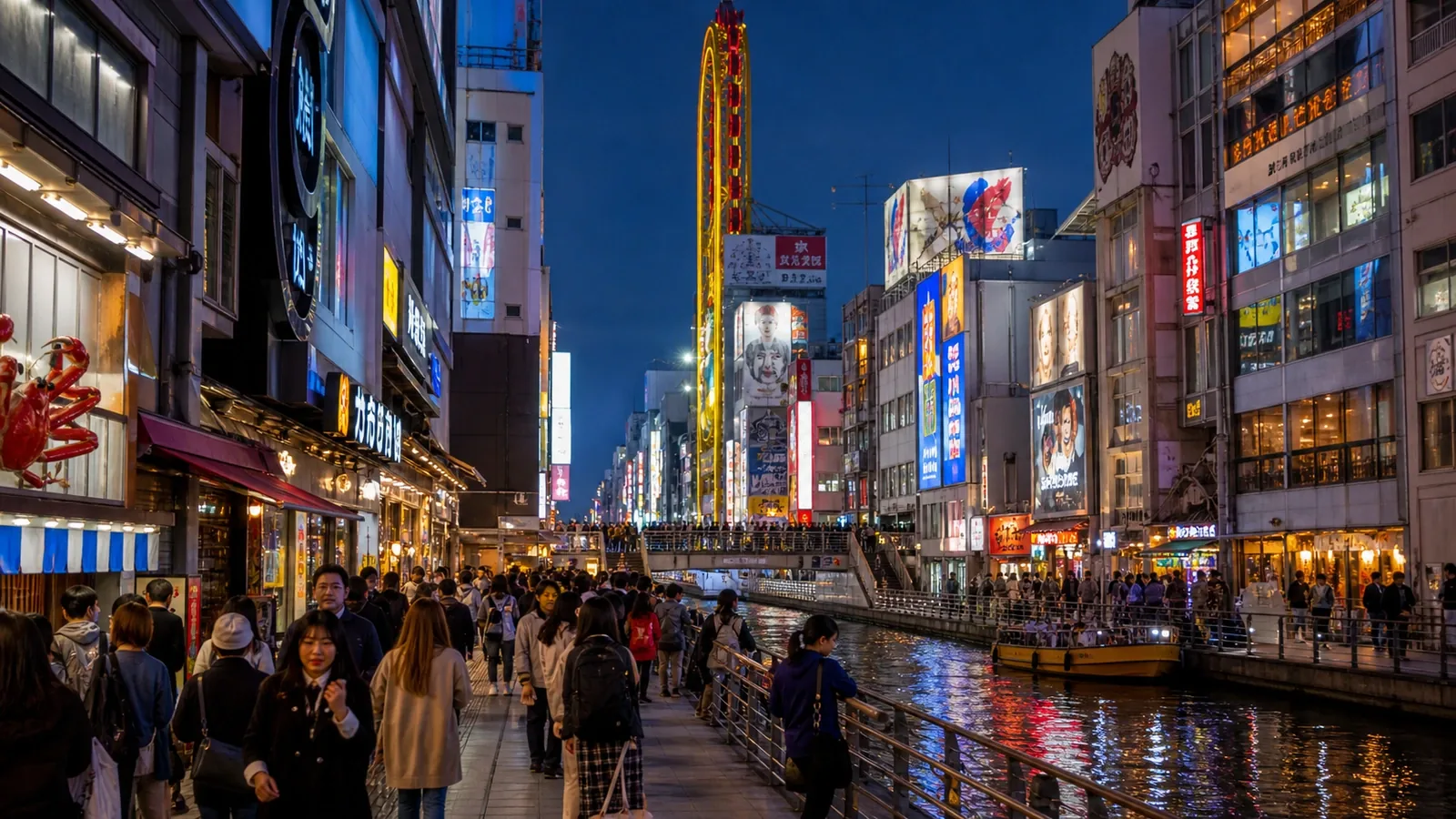
Osaka works best when you stop searching only for the classic Japanese postcard and start listening to the city’s pulse. Dotonbori captures much of that personality: giant signs, restaurants, glowing lights, theaters and an unmistakable nightlife scene in the Minami area. Osaka’s tourist office describes Dotonbori as one of the city’s major commercial and culinary symbols, with restaurants lining both sides of the street and an atmosphere historically linked to entertainment.
大阪公式観光情報 OSAKA-INFO
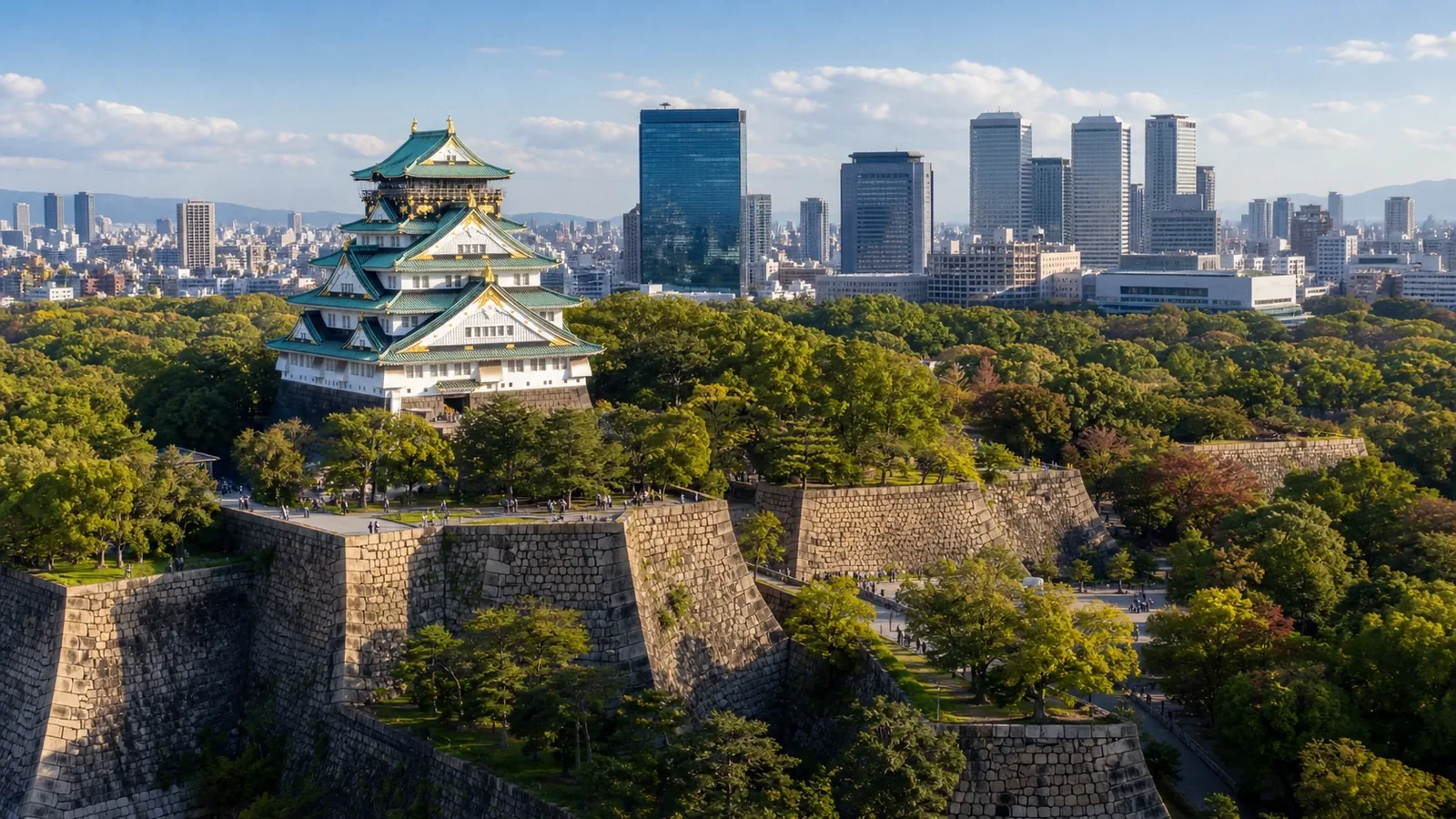
Osaka Castle is another essential sight, valued as much for its visual presence, views and surrounding park as for the building itself. The current tower was rebuilt in 1931 and operates as a museum, with an observation deck on the eighth floor. Knowing this in advance helps avoid expecting an untouched medieval fortress.
大阪公式観光情報 OSAKA-INFO
What type of traveler will enjoy Osaka?
Osaka is an excellent choice for travelers hungry for city life: street food, lively neighborhoods, shopping, nightlife, pop culture, family attractions and easy day trips. It works particularly well as a relaxed base for exploring Kansai and combining Osaka with Kyoto, Nara, Kobe or Himeji.
It is also worth visiting for families who want to include Universal Studios Japan, Kaiyukan or neighborhoods such as Shinsekai and Tennoji without turning the whole trip into temples and gardens. The official tourism guide highlights Universal Studios Japan, Super Nintendo World, Tsutenkaku, Kaiyukan and the Osaka Castle Museum among the city’s popular attractions.
大阪公式観光情報 OSAKA-INFO
Who may find Osaka less worthwhile?
Osaka may disappoint travelers who imagine Japan as a place of constant calm, old timber, perfect gardens and silent temples. Kyoto is usually more moving for that kind of experience. Osaka is louder, more commercial, more nocturnal and, in some neighborhoods, less photogenic during the day.
It may also be less suitable if you have only one week in Japan and want a very traditional first itinerary. Tokyo, Kyoto and a day trip to Nara may already fill that journey. Osaka fits better when you have at least ten days or want a lively contrast after several days of temples.
How many days to spend in Osaka
With one day, you can taste Osaka but not fully understand it: visit the castle in the morning, explore Namba or Shinsekai in the afternoon and finish beneath the neon lights of Dotonbori at night.
With two days, the city begins to make sense. Spend one day exploring its central neighborhoods and another on a specific attraction such as Universal Studios Japan, Kaiyukan, Umeda, Tennoji or the local markets.
With three days, Osaka feels comfortable. You can eat without rushing, wander through less obvious streets and use the city as a base without feeling that everything must be squeezed into a tight schedule.
I would recommend more than three days mainly to travelers with a strong interest in food, theme parks, shopping, Japanese city life or day trips across Kansai.
Is Osaka expensive to visit?
Osaka does not have to be an extremely expensive city, although it should not be idealized as a cheap destination. Eating well can be quite affordable when you mix food stalls, simple izakayas, ramen, udon, conveyor-belt sushi and market dishes. Costs rise with centrally located hotels, theme park tickets, observation decks, aquariums and shopping.
For travelers planning several attractions in a short time, the Osaka Amazing Pass may be worthwhile. The official 2026–2027 version lists a price of ¥3,500 for one day and ¥5,000 for two days, including transport and admission to participating attractions under specific conditions.
Osaka Amazing Pass
It is not a pass to buy on impulse. It offers better value with a packed itinerary of paid attractions and less value if you mainly want to walk, eat and visit only a few places.
The best things about visiting Osaka
One of the best things about Osaka is its lack of solemnity. The city does not try to look refined all the time. It smells of sweet sauce, rich broth and freshly fried food. Its streets are full of noise, queues, visual jokes, oversized storefronts and a style of hospitality that feels less ceremonial than in other parts of Japan.
Dotonbori at dusk feels theatrical: it is neither intimate nor quiet, but it is memorable. Shinsekai preserves a retro, slightly worn and working-class atmosphere, with Tsutenkaku Tower as a symbol of old Naniwa. Umeda reveals modern, vertical Osaka; Namba is the most food-focused; the castle is the most historical; and the bay is the most family-friendly.
What may disappoint you about Osaka
Osaka can be extremely crowded in its best-known areas, especially Dotonbori at night. Some streets feel more like a tourist stage than a glimpse of local life. Certain attractions may also seem less profound than Kyoto’s temples or the historic districts of other Japanese cities when visited without context.
Osaka Castle, for example, is worth visiting for its history, park and views, but the interior is a modern museum. Travelers expecting original tatami rooms, creaking timber and an untouched historic interior may feel disappointed.
The best time to visit Osaka
Spring and autumn are usually the best times to visit Osaka, walk comfortably, eat outdoors and combine the city with day trips around Kansai. Summer can be demanding because of the heat, humidity and rain, particularly in a city that involves plenty of walking and public transport. Winter is often drier and more manageable, though less inviting for parks and long strolls.
The experience also changes dramatically with the time of day. Osaka grows more appealing at sunset: streets that may look gray in the morning come alive with lanterns, kitchen steam, canal reflections and the urban electricity that makes the city worth visiting.
Final verdict: is Osaka worth visiting?
Yes, Osaka is worth visiting if you want to experience a more direct, flavorful and urban side of Japan. It may not be the country’s most beautiful city, but it is one of its liveliest. Osaka is better for eating than contemplating, better for relaxed wandering than searching for silence and better for discovering everyday, popular Japan than chasing a flawless postcard.
I would not always place Osaka ahead of Kyoto on a first trip, but I would include it whenever the itinerary has room to breathe. Osaka does not seduce through delicacy: it wins you over with hot food, Dotonbori’s neon, its personality and its unmistakable reminder that travel also means stepping into the noise of the world.
